
Film
The Two Mrs. Carrolls
A 1947 thriller where a charismatic artist hides a chilling secret: the compulsion to paint his wives as harbingers of death before poisoning them. Bogart is magnetic and unsettling, Barbara Stanwyck radiant and imperiled. Claustrophobic, psychologically baroque, and deeply strange—a film that lingers because it never quite decides if Geoffrey is mad, evil, or both.
Should you watch it?
Watch it if you like slow-burning psychological suspense where a marriage's unease builds from small, well-chosen details, and you enjoy seeing two stars play off a pointed, chilly chemistry.
Skip it if you want a brisk, action-driven thriller, since this one moves at a deliberate, drawing-room pace and keeps its menace more in glances and atmosphere than in set pieces.
What it asks of you: Just under an hour and forty minutes, with a slow, patient build and a leading man whose charm sours by degrees; attention pays off more than speed.
Not sure? Find tonight's pick in a minute.
If you liked this
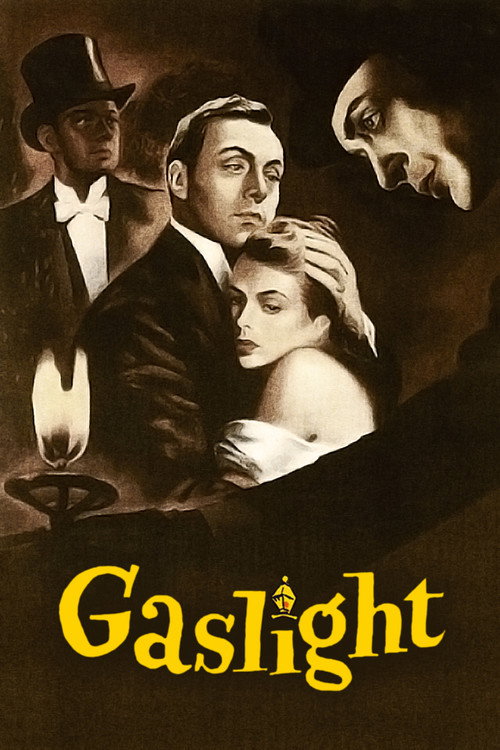
Gaslight1944
Ingrid Bergman as a woman slowly manipulated into questioning her own sanity by Charles Boyer. Psychological torment that builds with elegant precision, and Bergman's performance is devastating—you feel her mind fracturing in real time.
But The pacing is deliberate, almost stately. If you need plot momentum over character immersion, this will test your patience.
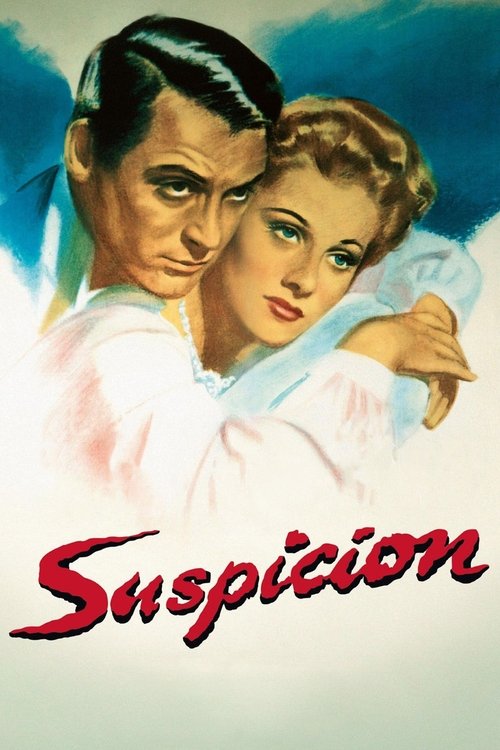
Suspicion1941
Cary Grant as a charming man whose wife (Joan Fontaine) grows convinced he means to murder her. The paranoia is infectious; Hitchcock makes you complicit in her dread, and Grant plays against type brilliantly.
But The ending is frustratingly compromised by studio interference—it retreats from where the story genuinely wanted to go.
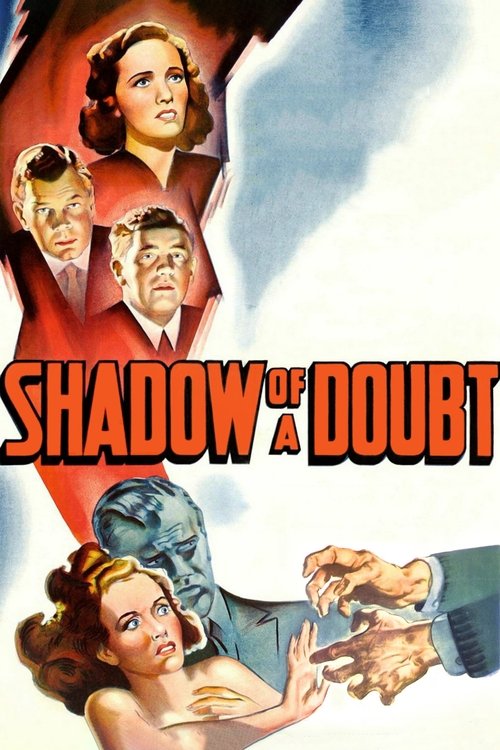
Shadow of a Doubt1943
Hitchcock's favorite of his own films, and for good reason. A beloved uncle arrives in a small town and his niece slowly realizes he may be a serial killer. Domestic American evil has never felt more sinister or intimate.
But The tone shifts between small-town Americana and genuine horror in ways that can feel tonally awkward on first viewing.
Not sure tonight? Get a pick in a minute, starting from The Two Mrs. Carrolls
The wildcard
Something you would not have found on your own.
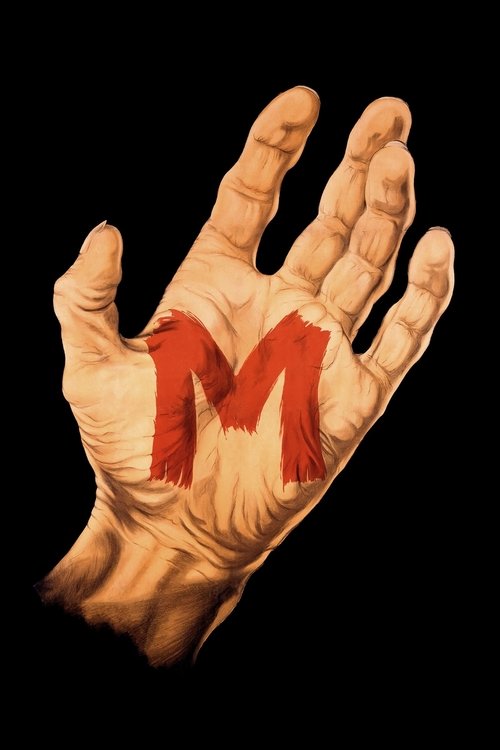
M1931
Both films explore the psychology of a man driven by compulsion he cannot control, and both ask whether such a man is sick or simply wicked. Neither lets the audience off easy.
Fritz Lang's masterpiece about a child murderer hunted through Berlin by police and criminals alike. Peter Lorre's performance is a clinic in conveyed madness and pathos. The film creates sympathy for evil without ever excusing it—precisely what The Two Mrs. Carrolls is attempting.
But It's German Expressionism from 1931: high contrast, shadowy, sometimes archaic in its visual language. The subtitles demand your attention.
More like this (8)
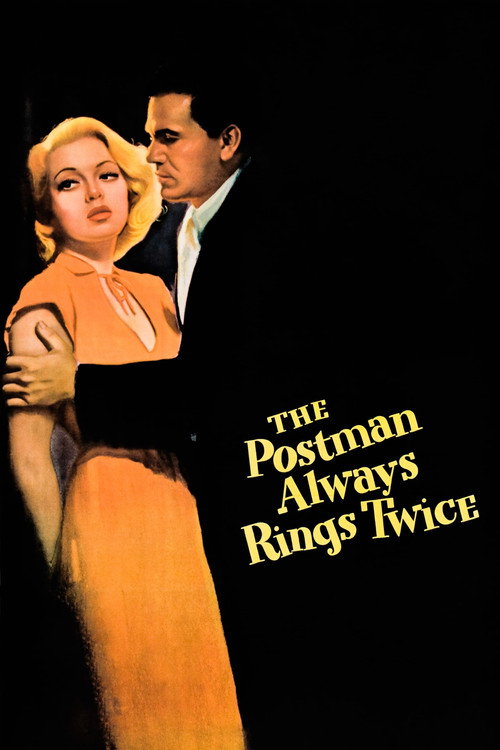
The Postman Always Rings Twice1946
John Garfield and Lana Turner as lovers plotting murder against her husband. Steamy, morally rotten, and utterly gripping—film noir at its most corrupt and seductive.
But The ending buckles under the Hays Code. What you want to happen is not what Hollywood allows to happen.
In a Lonely Place1950
Humphrey Bogart as a volatile screenwriter suspected of murder. Ray's direction and Bogart's performance create unbearable tension between what he is and what he's accused of being. Tragic and perfectly executed.
But It's bleak and offers no redemption. If you need your protagonist to be fundamentally decent, this will deeply unsettle you.

The Killers1946
Burt Lancaster's debut as a man undone by obsessive love. Siodmak's direction is crisp and fatalistic; the story spirals backward through deception and regret with real elegance.
But The narrative structure can feel confusing if you're not paying close attention from the opening moments.

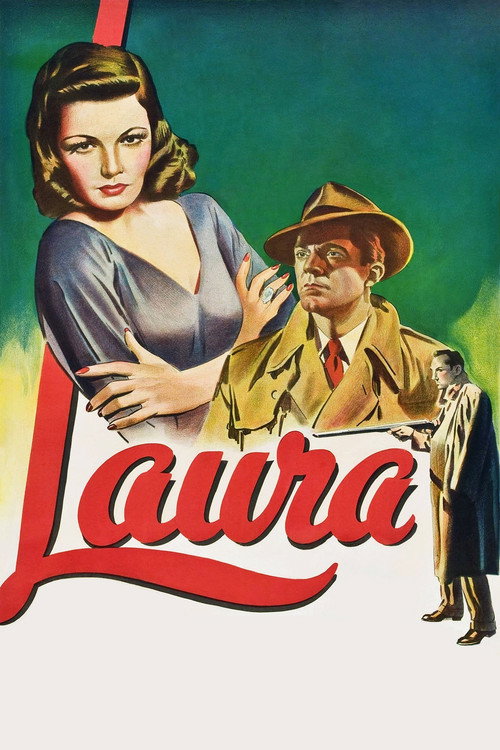
Laura1944
Otto Preminger's masterpiece: a detective falls for a woman whose portrait he finds at her supposed murder scene. Sophisticated, romantic, and built on a mystery that actually surprises. Gene Tierney is luminous.
But The tonal shift in the third act feels slight compared to the rest of the film's elegance.
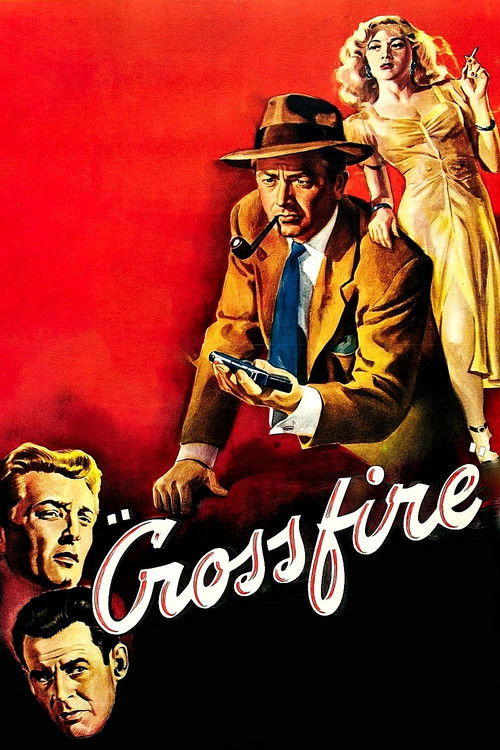
Crossfire1947
Robert Ryan as a bigoted soldier accused of murder; the film noir framework serves as a vehicle for serious moral reckoning. Ryan is terrifyingly good at being ordinary evil.
But The social commentary can feel didactic. It's not subtle about what it wants to say about intolerance.
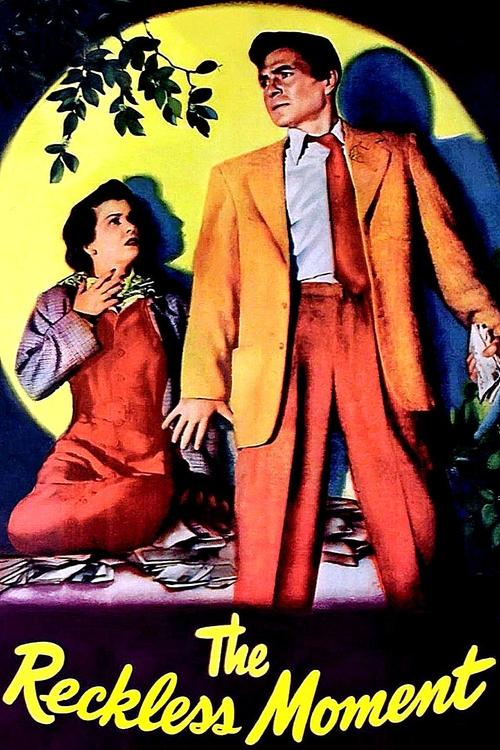
The Reckless Moment1949
James Mason and Joan Bennett in a thriller about blackmail and moral compromise. Ophüls' direction is baroque and precise; the film moves like clockwork while exploring how ordinary people make terrible choices.
But It's deliberately slow and meditative. Pure plot momentum is not what the film is selling.
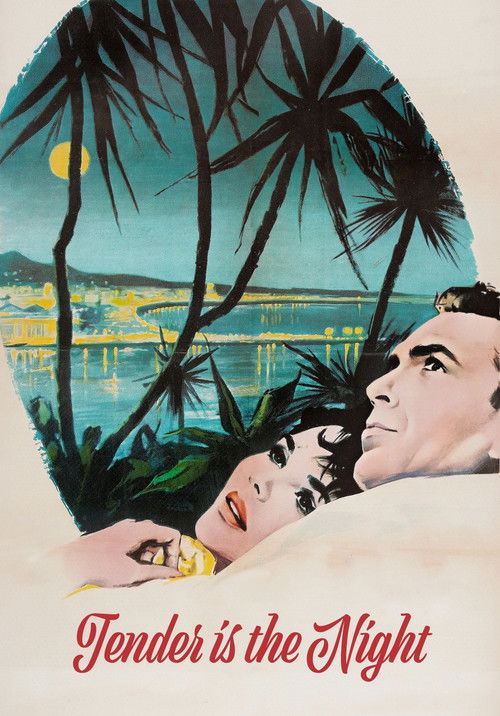
Tender Is the Night1962
Both center on a man's gradual moral collapse disguised as charm. Where Geoffrey poisons, Dick Diver poisons through psychology. Both wives are complicit in their own undoing.
Jason Robards as a psychiatrist whose marriage to a patient (Joan Fontaine) becomes a slow descent into mutual destruction. It's Fitzgerald adapted with real fidelity to the novel's moral rot and doomed elegance. Haunting and underseen.
But The pacing is leisurely, almost European. American audiences expecting a thriller will find it frustratingly introspective and sad.
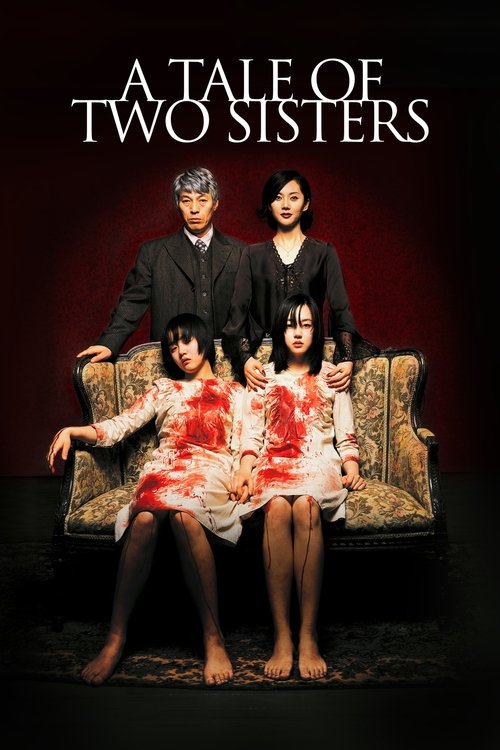
A Tale of Two Sisters2003
Like The Two Mrs. Carrolls, it's about a household where safety is an illusion and the people who love you become the threat. Both use visual metaphor (Carroll's paintings, this film's color and production design) to externalize psychological horror.
A Korean horror film about two sisters returning home from a hospital stay to find their stepmother present—and something deeply wrong. It's visually stunning, psychologically fractured, and the twist reframes everything you've seen. Haunting and original.
But It's deliberately oblique and relies on ambiguity rather than explanation. Some viewers find this maddening rather than rewarding.
People
Cast
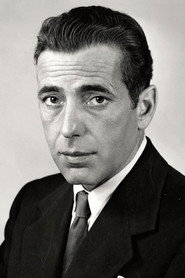 Humphrey BogartGeoffrey Carroll
 Barbara StanwyckSally Morton Carroll
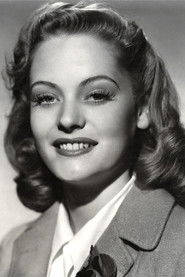 Alexis SmithCecily Latham
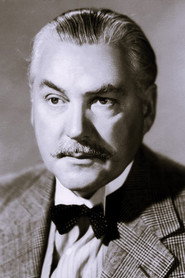 Nigel BruceDr. Tuttle
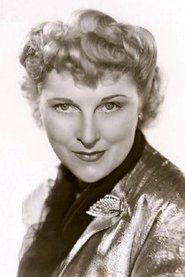 Isobel ElsomMrs. Latham
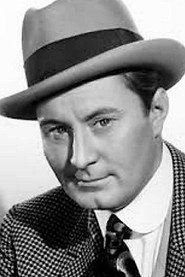 Patrick O'MooreCharles Pennington
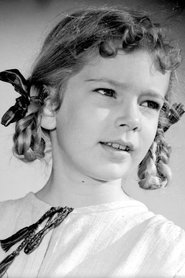 Ann CarterBeatrice Carroll
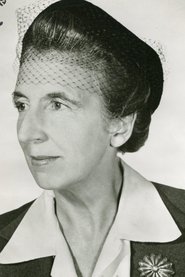 Anita Sharp-BolsterChristine
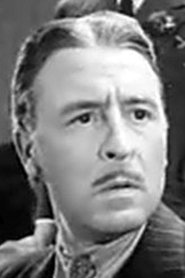 Barry BernardHorace Blagdon
- Colin CampbellMacGregor (uncredited)
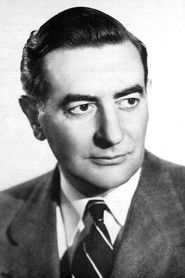 Peter GodfreyFirst Tout (uncredited)
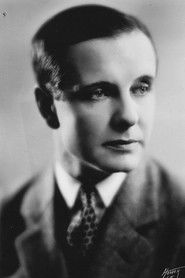 Creighton HaleSecond Tout (uncredited)
Directing
- Claude ArcherAssistant Director
- Peter GodfreyDirector
Writing
- Thomas JobScreenplay
- Martin ValeTheatre Play
Production
- Jack L. WarnerExecutive Producer
- Mark HellingerProducer