
Film
Tattoo
A 1981 psychological thriller where a deranged tattoo artist becomes dangerously obsessed with a model, determined to mark her permanently. Bruce Dern delivers a taut, unsettling performance as Karl Kinsky—charming and artistic one moment, menacing the next. It's a lean, claustrophobic film about obsession as violation, made when stalker thrillers still had teeth and ambiguity.
If you liked this
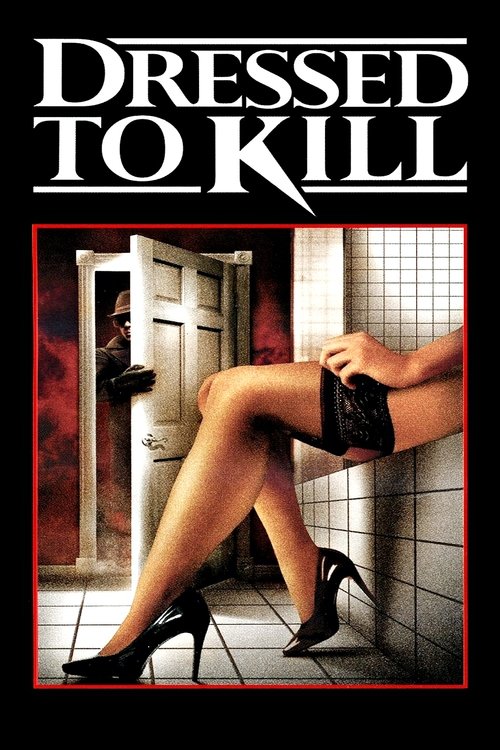
Dressed to Kill1980
Brian De Palma's sleek psycho-thriller about a psychiatrist's patient hunted by a mysterious killer. Stylish, kinetic, with genuine shocks and a similar obsession-as-pathology motor running underneath.
But The misogyny is baked into the fabric; some viewers find the treatment of women characters exploitative rather than critical of the killer's view of them.
Cruising1980
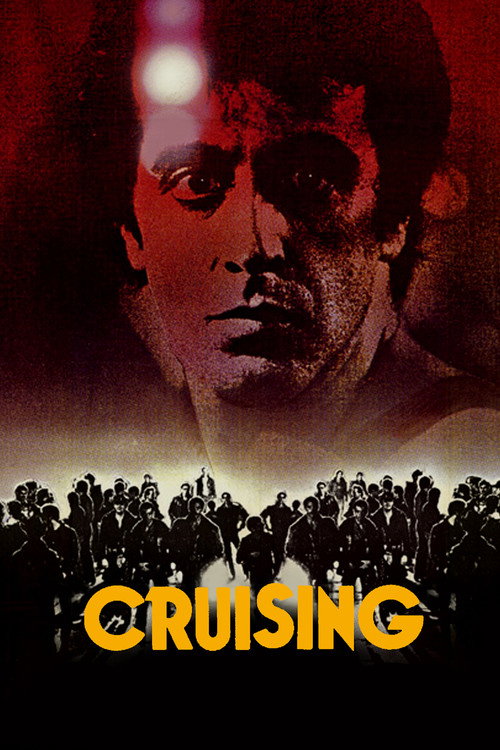
William Friedkin's paranoid serial-killer thriller set in New York's underground gay scene. A cop goes undercover and the line between observer and participant dissolves. Dark, murky, genuinely unsettling.
But Infamous and controversial—it's been read as homophobic by many, though defenders argue Friedkin is critiquing voyeurism and entrapment, not gay life itself.
Blow Out1981
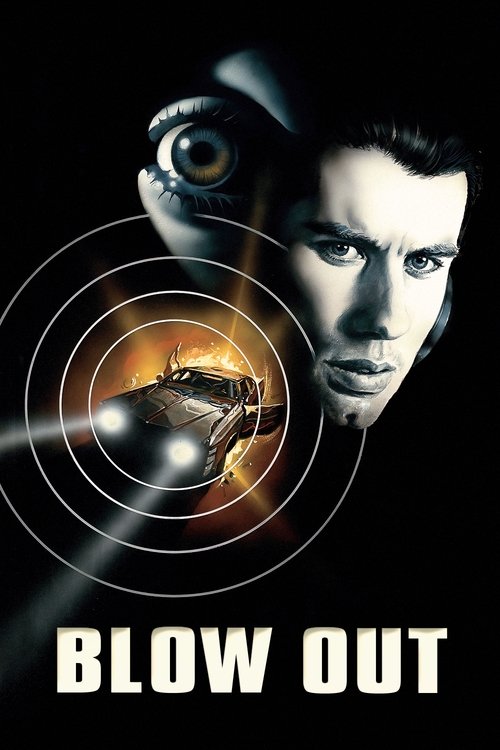
De Palma again, with Jack Lemmon as a sound engineer obsessed with a recorded murder. The obsession here is professional rather than sexual, but the paranoia and the spiral of control are adjacent.
But Very '80s in pacing and some stylistic choices; the conspiracy plot can feel slight next to the psychological texture.
Not sure tonight? Get a pick in a minute, starting from Tattoo
The wildcard
Something you would not have found on your own.
Vampyr1932
Both are about obsession as a kind of infection, the marked or cursed body as the site where desire and violation merge. Both understand that true horror is being chosen, being seen as a vessel for someone else's need.
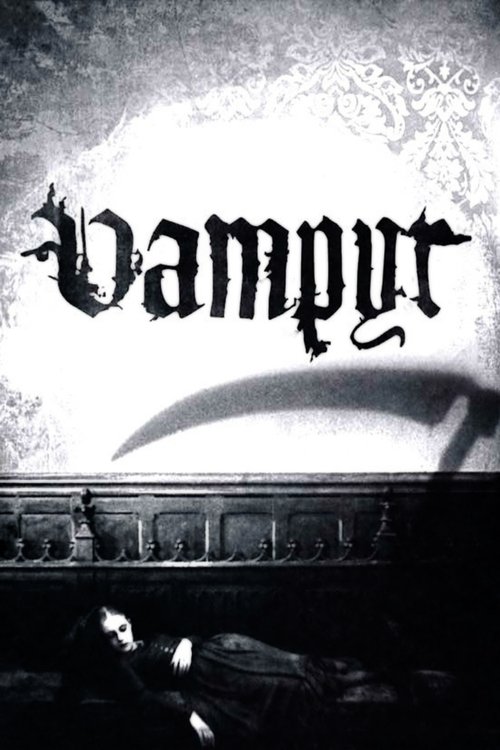
Carl Theodor Dreyer's silent masterpiece about a traveler drawn into a vampire's web. Shot like a hallucination, it's less a monster film than a study of seduction and the dissolution of will. The ancestor of every obsession-horror that followed.
But Silent, slow, and cryptic; the plot is dreamlike and intentionally obscure, which means you have to surrender to mood rather than follow logic.
More like this (7)
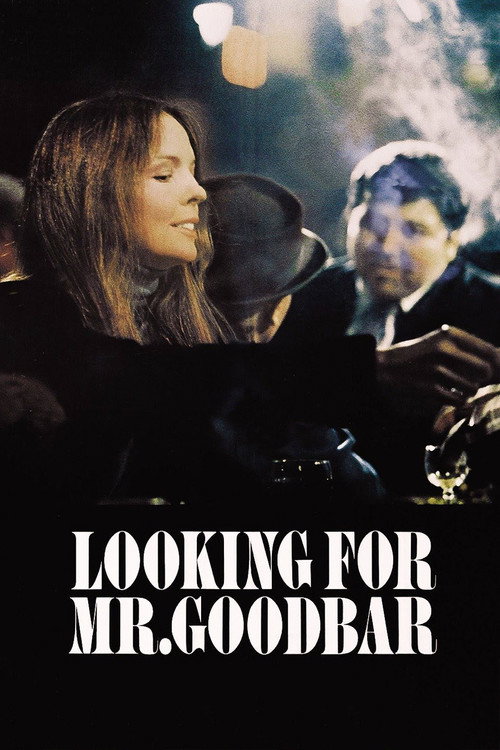
Looking for Mr. Goodbar1977
Diane Keaton as a schoolteacher leading a double life in the singles scene, with Richard Gere as a volatile lover. It has real dread and treats desire and danger with refusal to judge or sentimentalize.
But It's bleak and uncomfortable throughout; there's no catharsis or reassurance, which some find punishing rather than illuminating.
Possession1981
Andrzej Żuławski's unhinged, operatic breakdown of a marriage spiraling into obsession and body horror. Isabelle Adjani is extraordinary. It's fever-dream psychological horror that feels made by someone losing their mind.
But Deeply weird, structurally chaotic, and glacially paced at moments; the excess will alienate anyone looking for restraint or clarity.

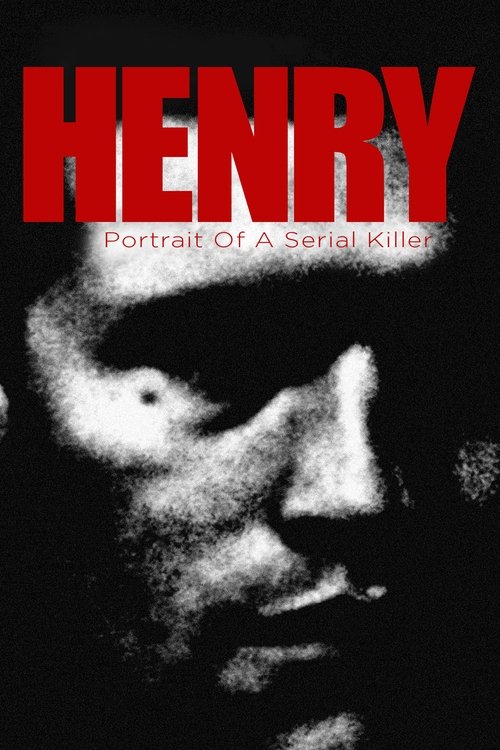
Henry: Portrait of a Serial Killer1986
Michael Rooker as a drifter charming his way into violence. Shot like a documentary with no score, it refuses the thriller's usual syntax. The mundanity of evil and the seduction of normalcy are its real subjects.
But Genuinely disturbing, including sexual violence and moral ambiguity; it's designed not to comfort and many will reject it on that basis.
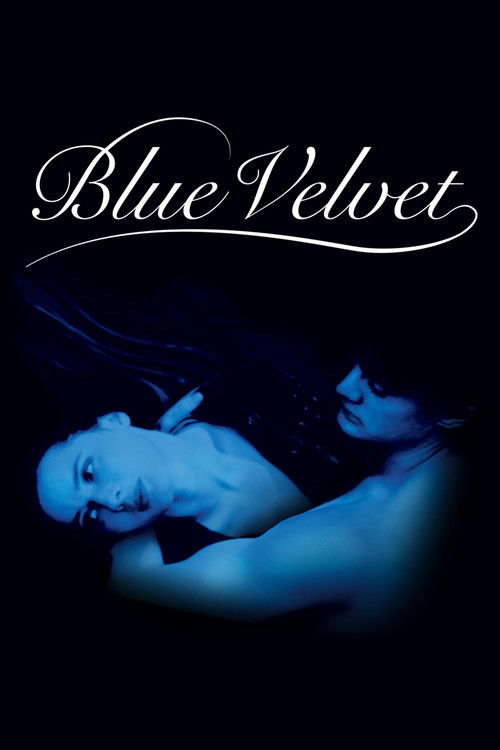
Blue Velvet1986
Lynch's subversion of small-town America and its hidden appetites. Kyle MacLachlan stumbles into a mystery that becomes erotic and violent. Surreal, funny, and deeply wrong in ways that feel earned.
But Deliberately artificial and dreamy; the narrative doesn't cohere logically and the tone is willfully strange, which reads as pretentious to some.
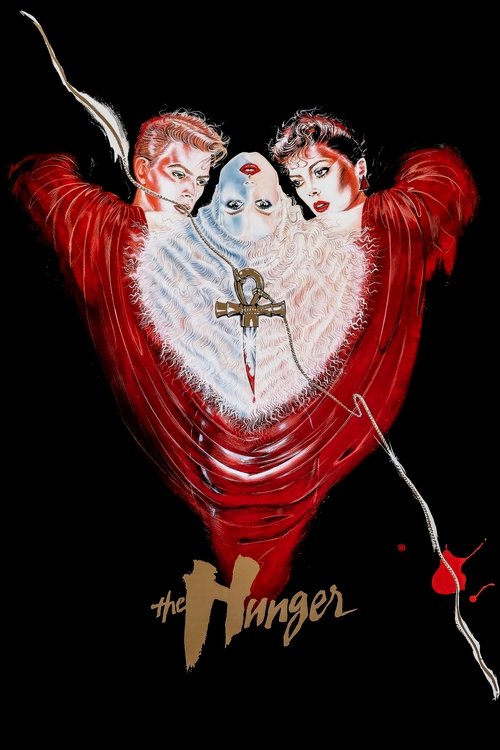
The Hunger1983
Tony Scott's art-house vampire film with David Bowie and Catherine Deneuve. Gorgeous, sensual, baroque—it's about desire as consumption and the erotics of predation, told in images more than plot.
But Sparse on plot and driven entirely by mood and aesthetic; if you need narrative momentum or clarity, it will feel like watching someone else's dream.
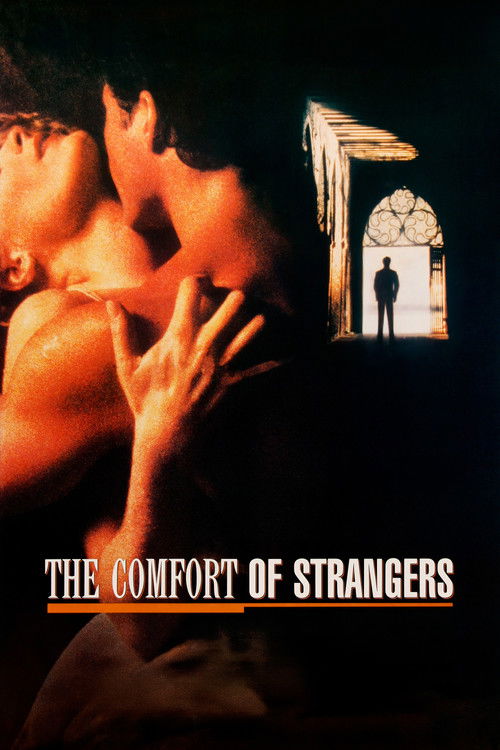
The Comfort of Strangers1990
Both trap their victims through charm and a kind of artistic seduction, blurring the line between creation and violation. The mark—literal or psychological—is the prize and the punishment.
Paul Schrader directs Christopher Walken and David Bowie as a sinister couple who seduce a vacationing husband and wife into increasingly intimate territory. Based on Ian McEwan, it's a masterclass in hospitality as threat and the eroticism of danger.
But Very controlled and mannered; it unfolds at a glacial pace and the horror is almost entirely psychological and sensual rather than physical, which some find inert.
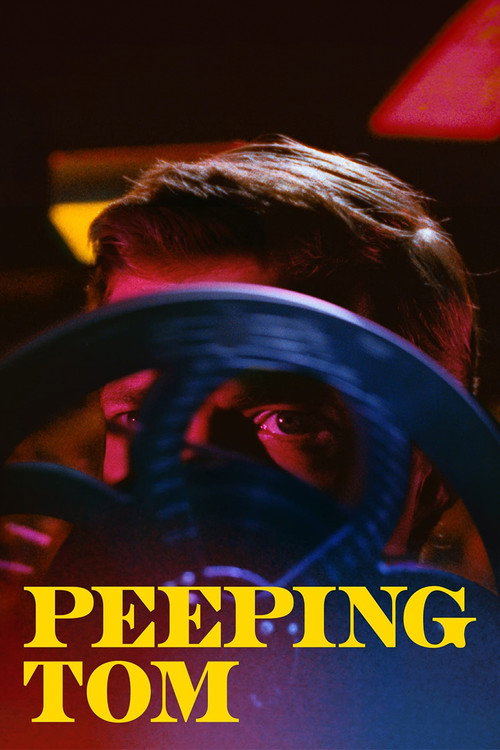
Peeping Tom1960
Like Tattoo, it's about the artist as predator, the obsession with marking or capturing the body as an act of control. Both understand that for the obsessed, their mark is both creation and murder.
Michael Powell's hallucinatory horror about a cameraman who films women as he murders them. Genuinely pioneering—it predicted the snuff film and the obsessive's gaze forty years ahead of the culture catching up. Visually audacious and morally complex.
But Explicit about the connection between looking and violence; it's abrasive and won't let you sit comfortably. Some find it exploitative; others (correctly) read it as a critique of exploitation.
People
Cast
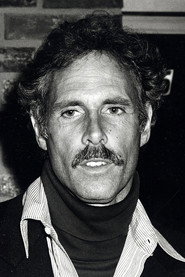 Bruce DernKarl Kinsky
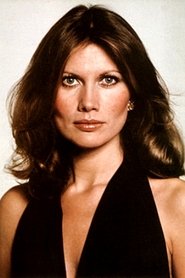 Maud AdamsMaddy
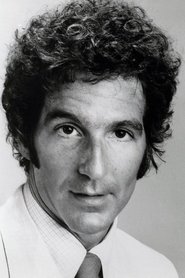 Leonard FreyHalsey
- Frederikke BorgeSandra
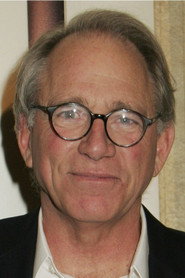 John GetzBuddy
- Peter IacangeloDubin
- Alan LeachCustomer
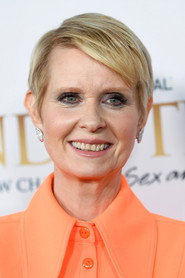 Cynthia NixonCindy
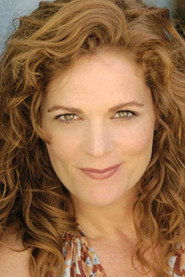 Trish DoolanCheryl
- Anthony ManninoGeorge
- Lex MonsonDudley
- Patricia RoeDoris
Directing
- Bob BrooksDirector
Writing
- Joyce BuñuelScreenplay
- Bob BrooksStory
Production
- Joseph E. LevineProducer
- Richard P. LevineProducer
- Monty DiamondUnit Manager