
Film
Looking for Mr. Goodbar
- Social drama
- Very dark
A 1977 character study following a Catholic schoolteacher's spiral into reckless sexual encounters and substance abuse across Manhattan's singles-bar scene. Diane Keaton inhabits a woman fracturing under the weight of desire, religiosity, and self-harm. Unflinching, uncomfortable, deeply human—it's a film about hunger and the damage we do chasing it.
Should you watch it?
Watch it if you want a hard, unflinching study of a woman's private life coming apart, rendered with the grimy nightlife textures of the 1970s and performances that carry weight without melodrama.
Skip it if you need a story with a clear arc or some relief, since it stays bleak and repetitive for long stretches and its nearly two-and-a-half-hour running time tests patience.
What it asks of you: Settle in for over two hours of slow, accumulating unease that builds through scenes of solitude and nights out, asking you to sit with discomfort rather than be rescued from it.
Not sure? Find tonight's pick in a minute.
If you liked this
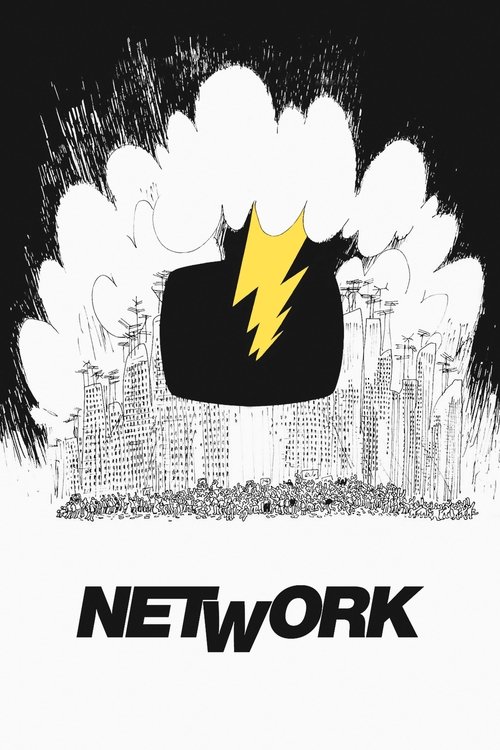
Network1976
A savagely intelligent satire of media corruption and desperation, with Peter Finch as a demagogue who becomes a commodity. It shares Goodbar's diagnosis of American emptiness and the performances are electrifying.
But The messaging can feel heavy-handed, and its targets—TV execs, ratings obsession—are less provocative now than they were. Some find it didactic.
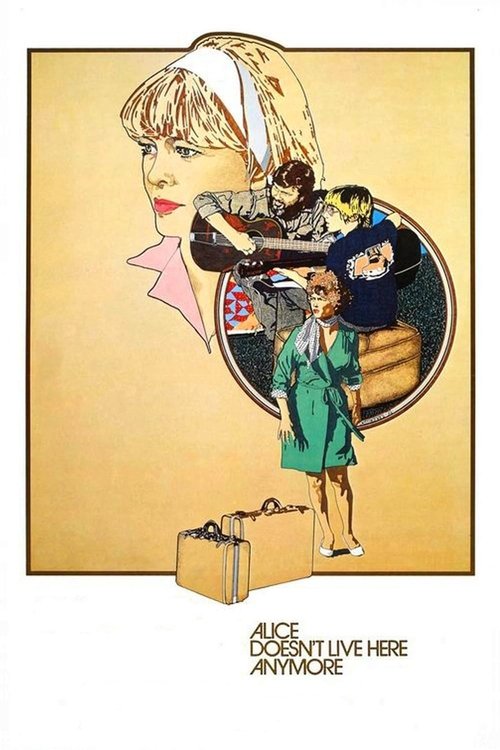
Alice Doesn't Live Here Anymore1974
Ellen Burstyn is extraordinary as a woman rebuilding her life after her husband's death, moving through dislocation and self-discovery. Scorsese captures female vulnerability and sexual agency with real tenderness and complexity.
But The ending will feel saccharine or reductive to some. It's gentler than Goodbar, which some might read as less honest.
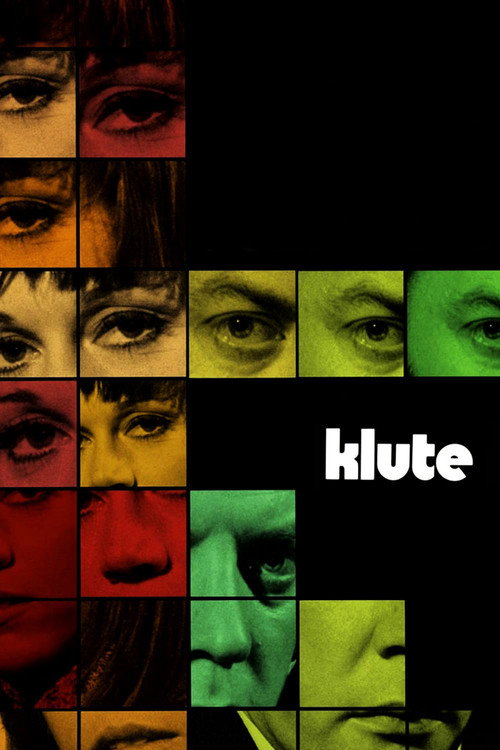
Klute1971
Jane Fonda as a prostitute caught in a psychological thriller. It's a character portrait nested inside a genre film, with the same tension between surface plot and interior damage that makes Goodbar compelling.
But The mystery plot is sometimes forgotten for the character work; if you want a taut thriller, you'll be disappointed. Also quite of its era aesthetically.
Not sure tonight? Get a pick in a minute, starting from Looking for Mr. Goodbar
The wildcard
Something you would not have found on your own.
Under the Skin2014
Both explore how a woman becomes a hunter and a hunted thing simultaneously, using her sexuality as tool and trap. Both trust ambiguity over explanation.
Jonathan Glazer's film is about predation, desire, and the female body as a landscape others move through. It has Goodbar's interest in how sex becomes performance, but transposes it into science fiction. Scarlett Johansson gives perhaps her most mysterious performance.
But It's abstract and slow, with long sequences of almost no dialogue. Some find it pretentious; others find it hypnotic. Not a conventional narrative experience.

More like this (8)
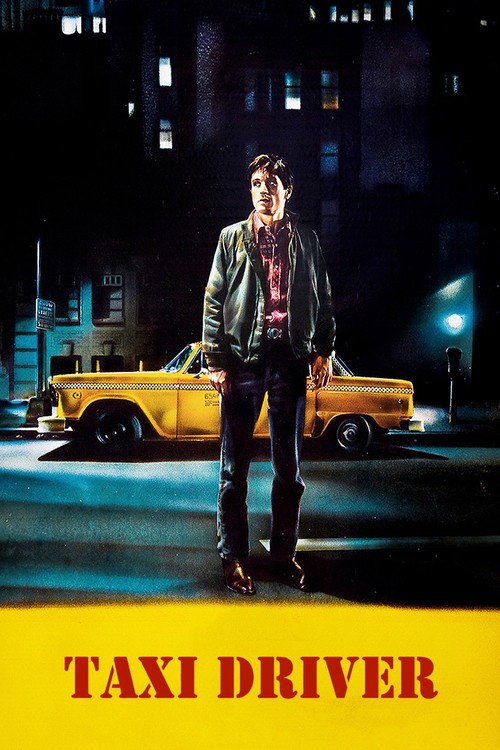
Taxi Driver1976
Travis Bickle's desperation and rage mirror Goodbar's underlying pathology, though expressed through obsession instead of self-destruction. Both are portraits of Manhattan isolation and moral free-fall, shot with documentary precision.
But It's relentlessly bleak and the violence, when it comes, is shocking. Not a comfortable viewing, and some find the protagonist unbearable to sit with.
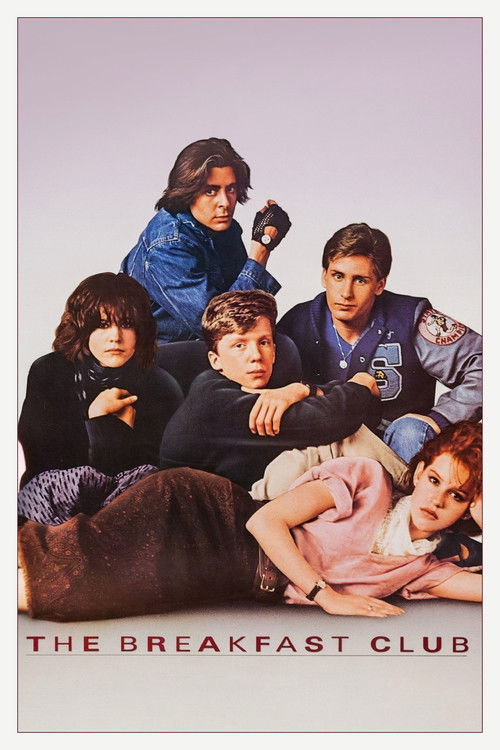
The Breakfast Club1985
If you want to see Diane Keaton's range, she's revelatory as the uptight mother figure. More broadly, it's a film genuinely interested in how people fracture under pressure—religious guilt, parental expectation, shame.
But It's a teen comedy, not a tragedy. The tone is fundamentally different, and the comfort it offers some viewers will feel like betrayal to Goodbar fans.
In the Mood for Love2000
Wong Kar-wai's meditation on desire thwarted and channeled into obsession. It's about the ache of want and the loneliness of the city, told through gloss and shadow instead of grimy realism.
But It's slow, formalist, almost abstract. If you're coming from Goodbar expecting American naturalism, this will feel like watching a music video.

Shame2011
Michael Fassbender as a man whose sexual compulsion is both shield and weapon. Steve McQueen's film has the same unflinching quality as Goodbar—it refuses to make addiction pretty or explain it away.
But It's sexually explicit and repetitive by design. Some find that repetition didactic rather than devastating. Also very bleak.

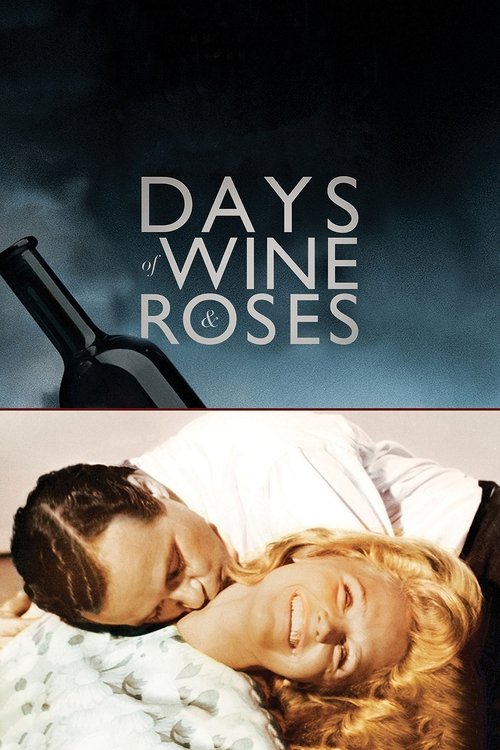
Days of Wine and Roses1963
Jack Lemmon and Lee Remick as a couple whose romance corrodes into mutual addiction. It's a portrait of how quickly desire and dependency become indistinguishable, with a documentary-like attention to the machinery of self-destruction.
But It's from the early '60s and feels it—some of the psychology reads as quaint. The gender dynamics won't feel modern. Also quite sad.
Christiane F.1981
Based on a true story, it follows a Berlin teenager's descent into heroin addiction with brutal specificity. Like Goodbar, it's a film that trusts the audience to understand degradation without flinching or moralizing.
But It's more graphic about drug use than Goodbar is about sex. The subject matter is grim. Some feel it exploits rather than illuminates.

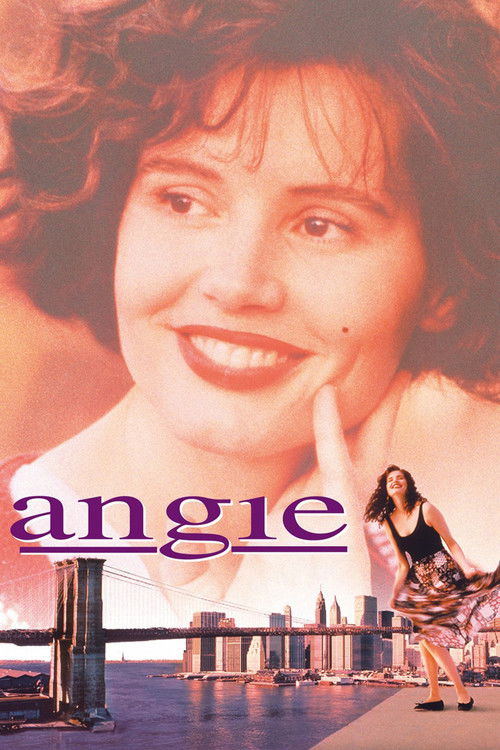
Angie1994
Both are about women whose sexuality is economic and social currency in the world they actually inhabit, not the world men think they inhabit. Both refuse the virgin/whore binary.
Martha Coolidge's film about Geena Davis as a working-class woman in Brooklyn making hard choices about sex, motherhood, and survival. It's rougher and rowdier than Goodbar but asking the same questions about agency and consequence from the inside.
But It's melodramatic and uneven. Davis's performance is all over the place, which some read as authentic and others as undisciplined. It doesn't have Goodbar's formal control.
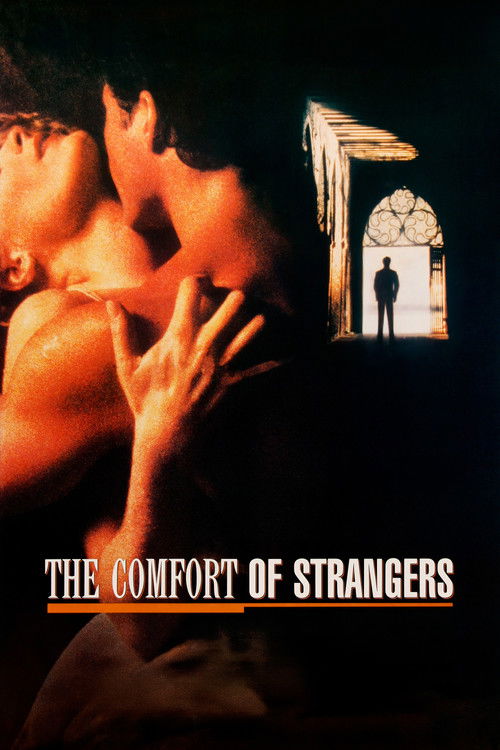
The Comfort of Strangers1990
Both understand that the worst dangers come from people who are charming, from situations that feel chosen, from the moment you stop being able to say no. Both treat seduction as a kind of death.
Luchino Visconti's final film is a seduction scene stretched to feature length. It's about how desire blinds, how politeness becomes complicity, how a couple's intimacy can become a trap. Shot in Venice like a dream, but with Goodbar's sense of sexual danger.
But Nothing happens, structurally. It's mood and implication over plot. Also very strange and very Italian—some will find it stilted or overripe.
People
Cast
 Diane KeatonTheresa
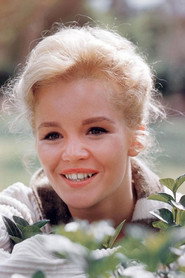 Tuesday WeldKatherine
 William AthertonJames
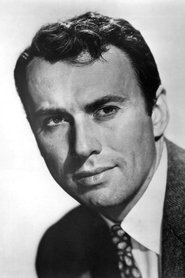 Richard KileyMr. Dunn
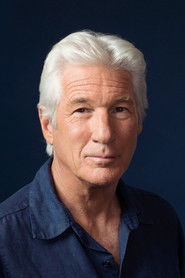 Richard GereTony
 Alan FeinsteinMartin
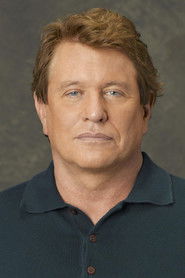 Tom BerengerGary
 Priscilla PointerMrs. Dunn
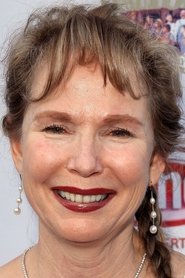 Laurie PrangeBrigid
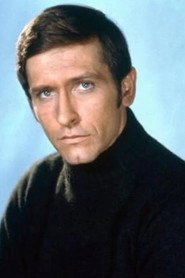 Joel FabianiBarney
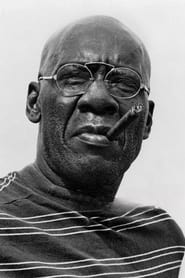 Julius HarrisBlack Cat
 Richard BrightGeorge
Directing
- David SilverAssistant Director
- Richard BrooksDirector
- Marshall SchlomScript Supervisor
- Alan BrimfeldSecond Assistant Director
Writing
- Judith RossnerNovel
- Richard BrooksScreenplay
Production
- Judith LambCasting
- Marion DoughertyCasting
- Freddie FieldsProducer
- Lindsley Parsons Jr.Production Manager
- David SilverUnit Production Manager
Recommended by
Burning an Illusion, Just Another Girl on the I.R.T., Wish You Were Here, Assault, Sheila Levine Is Dead and Living in New York, Tattoo, 10, Police Academy 2: Their First Assignment