
Film
Flame and the Flesh
A sleek 1954 noir-drama where Lana Turner plays a wealthy American in Naples, drawn into a dangerous triangle with a charming gigolo and a local girl. It's a film about desire and deception set against postwar Italian backdrops—brittle, atmospheric, and deeply preoccupied with the damage beautiful people do to each other. For fans of complex women in morally grey territory.
If you liked this
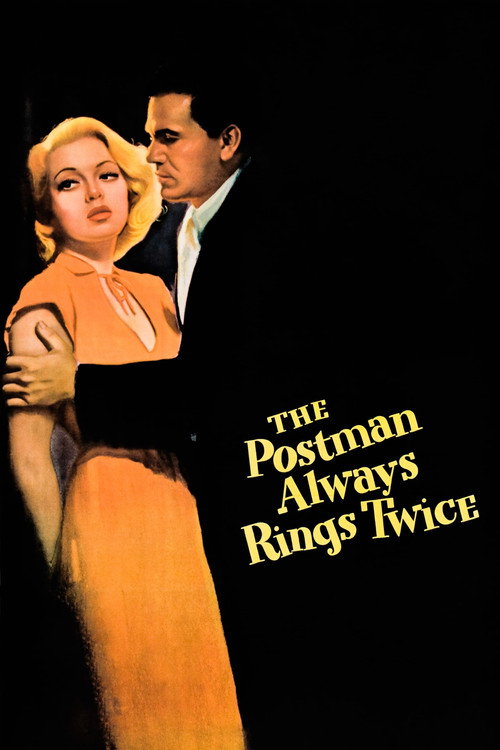
The Postman Always Rings Twice1946
Turner's definitive role: a femme fatale who destroys a man through sheer magnetism. Raw, violent, and sexually charged in ways that still feel transgressive. Essential Turner and essential noir.
But It's relentlessly cynical and bleak. If you need your protagonists to have redeeming qualities, this will exhaust you.
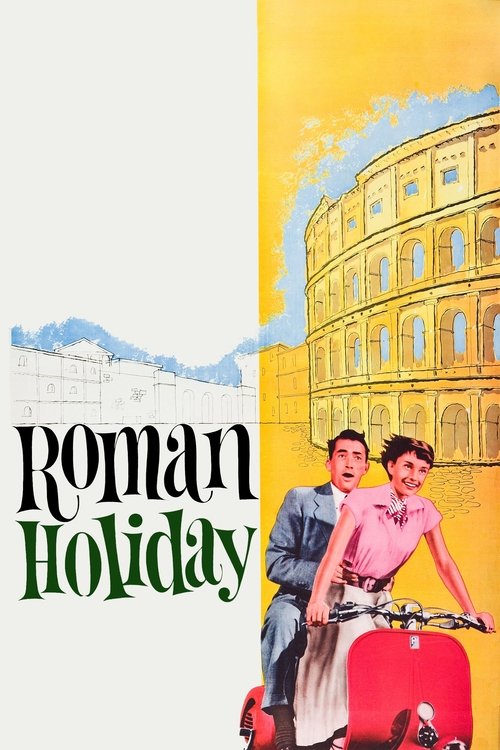
Roman Holiday1953
The gold standard of postwar European romance. Audrey Hepburn and Gregory Peck navigate Rome with grace and melancholy. Gorgeously shot, tenderly scripted, and it understands that love sometimes has to end.
But It's sweeter and more conventional than Flame and the Flesh. If you want moral ambiguity, this offers comfort instead.
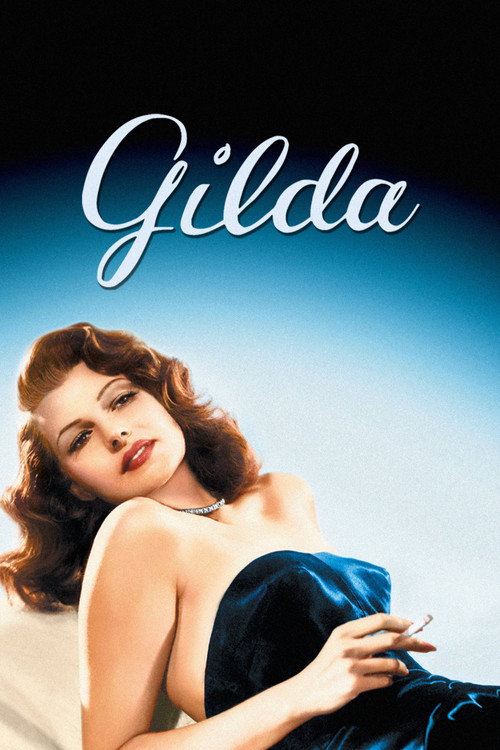
Gilda1946
Rita Hayworth as a woman weaponised by men's desire. Sultry, witty, and genuinely tragic under its glamour. The nightclub performances alone justify the watch, but the script is smarter than it first appears.
But The pacing is languid by modern standards, and some of the gender politics feel dated even for 1946.
Not sure tonight? Get a pick in a minute, starting from Flame and the Flesh
The wildcard
Something you would not have found on your own.
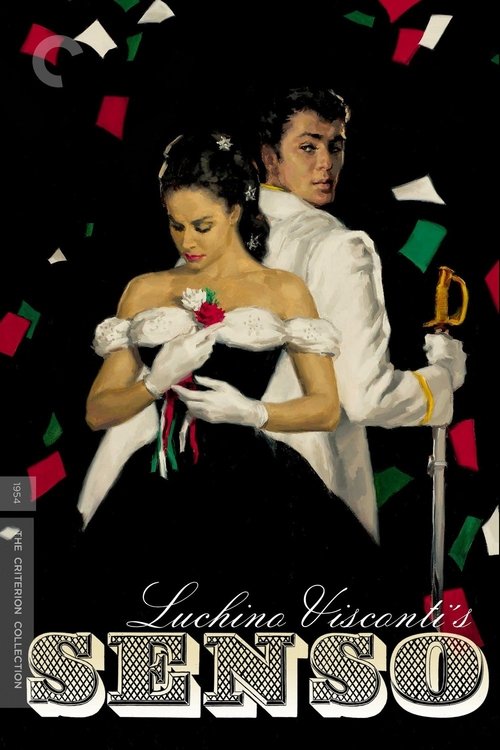
Senso1954
Both films made in 1954, both set in Italy, both centre on women destroyed by desire. But where Flame and the Flesh is a noir thriller, Senso is grand opera—the same story told in a completely different register.
Luchino Visconti's operatic melodrama set during the Italian Risorgimento, with Alida Valli as a noblewoman who betrays everything for passion. Shot in blazing Technicolor, it's hysteria and beauty and political corruption wound together. The film that taught European cinema that you could make art and entertainment simultaneously.
But It's three hours long and prioritises mood and visual excess over narrative momentum. The ending is deliberately ugly.
More like this (8)
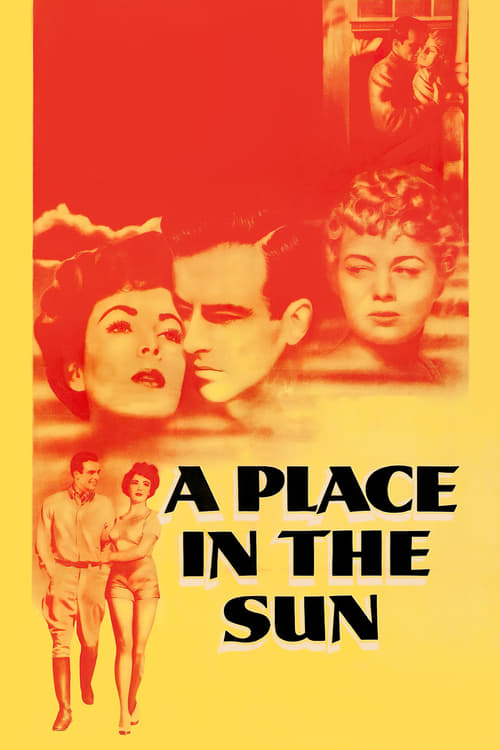
A Place in the Sun1951
Montgomery Clift and Elizabeth Taylor in a gorgeously shot tragedy about ambition and class. Dreamy cinematography, two of the most beautiful actors ever filmed, and a story that builds to genuine darkness.
But It's slow and mannered. The emotional beats are spelled out clearly; it doesn't ask much of the viewer.
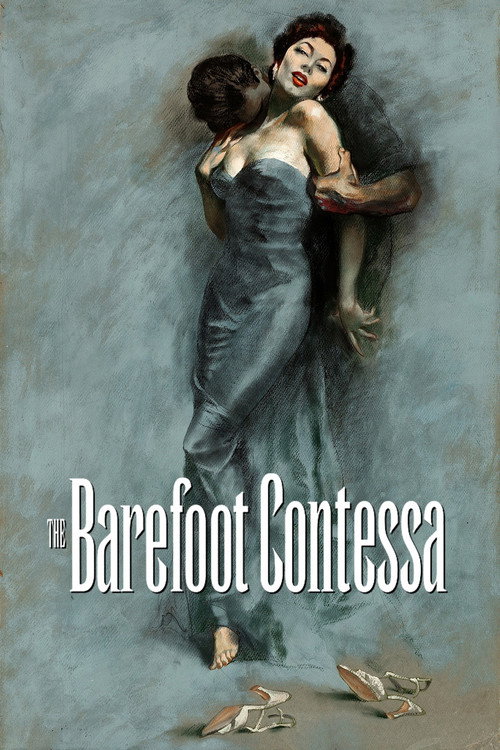
The Barefoot Contessa1954
Ava Gardner and Humphrey Bogart in a Hollywood-set drama about fame, love, and a woman's body as commodity. Sharp, cynical, gorgeously composed. Released the same year as Flame and the Flesh and equally preoccupied with beautiful women's inner lives.
But The framing device is clunky, and some of the script's cynicism tips into misogyny despite itself.
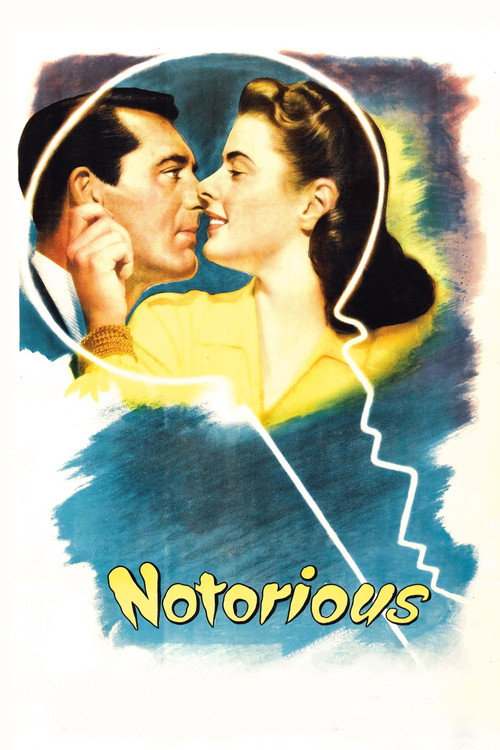
Notorious1946
Hitchcock's masterpiece of seduction and espionage. Cary Grant and Ingrid Bergman in a slow-burn thriller about a woman used and manipulated. Psychologically cruel and visually hypnotic.
But It's a thriller first, relationship drama second. If you want character study over plot, this keeps you at arm's length.
The Third Man1949
Post-war Vienna rendered as moral maze. Joseph Cotten searches for his friend in a city divided and corrupt. Carol Reed's direction and Anton Karas's zither score create pure atmosphere. A masterpiece of European noir.
But It's more interested in mood and theme than character development. Plot takes a back seat to dread.

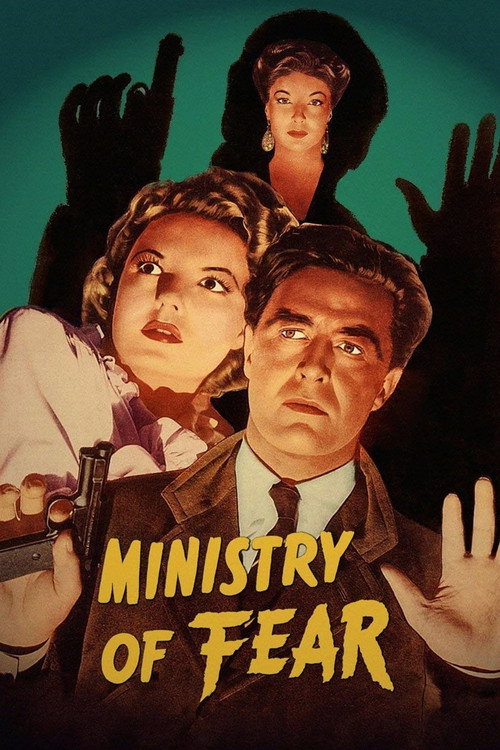
Ministry of Fear1944
Fritz Lang's wartime paranoia thriller. Ray Milland as an innocent man caught in a web of suspicion and betrayal. Tense, disorienting, and hypnotic. The kind of film that makes you feel watched.
But It's a B-picture with an overcomplicated plot. The resolution is less satisfying than the paranoia that precedes it.
Johnny Guitar1954
Nicholas Ray's fever dream western with Joan Crawford as a saloon owner more powerful than any man around her. Genuinely strange, vibrantly coloured, and refreshingly uninterested in conventional morality. A curiosity that rewards patience.
But It's aggressively weird and the action sequences are choppy. Some will find it fascinating; others will find it a mess.

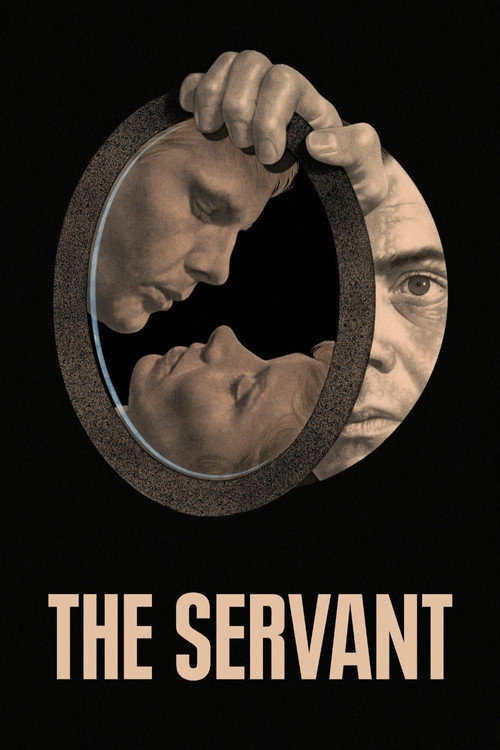
The Servant1963
Flipped premise: instead of a woman using beauty to manipulate, a man weaponises subservience. Both explore how desire makes people stupid and how attractive people can weaponise that attraction.
Joseph Losey's corrosive study of power and manipulation. A young man hires a servant who systematically destroys him through seduction and psychological warfare. Black and white, intimate, claustrophobic. Beautifully acted and morally toxic in the best way.
But It's a chamber piece that can feel like a one-note meditation on class resentment. Very little happens; everything happens in glances.
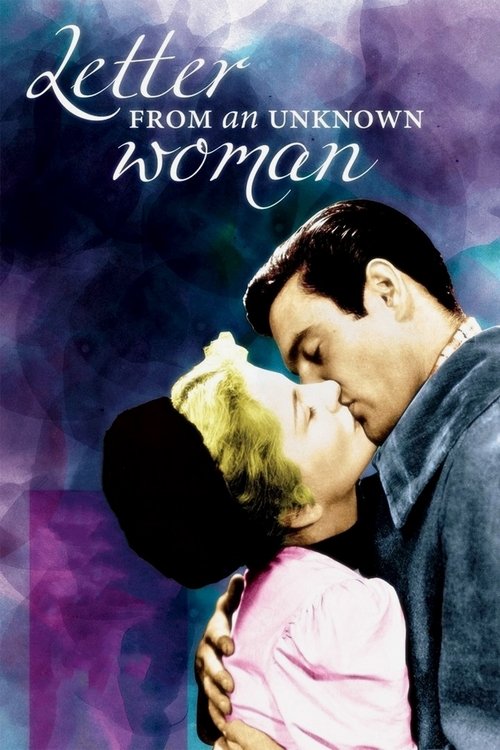
Letter from an Unknown Woman1948
Ophüls and Turner's era understood something about how cinema could photograph longing. This film is pure longing—the addiction to an unattainable person, the way beauty creates blindness.
Max Ophüls's tragedy of obsessive love. Joan Fontaine's entire life orbits around a pianist who doesn't remember her. The camera moves like desire itself. A film that's essentially a love letter to a man who doesn't deserve it. Devastating.
But It's a woman's fantasy of romantic sacrifice, not a realistic portrait of love. The narration is heavy-handed, and the final twist is predictable.
People
Cast
 Lana TurnerMadeline
 Pier AngeliLisa
 Carlos ThompsonNino
 Bonar ColleanoCiccio
 Rosalie CrutchleyFrancesca
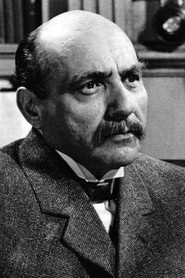 Peter IllingPeppe
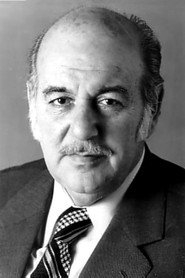 Eric PohlmannMarina Propietor