
Film
The Letter
Other titles called The Letter: the 1940 film.
A woman on trial for murder claims self-defense, but a damning letter threatens to unravel her story. This 1929 silent melodrama is electric with moral ambiguity and Jeanne Eagels' fierce, layered performance. It's for anyone who loves courtroom tension and the kind of old Hollywood that wasn't afraid to let its heroines be complicated and culpable.
If you liked this
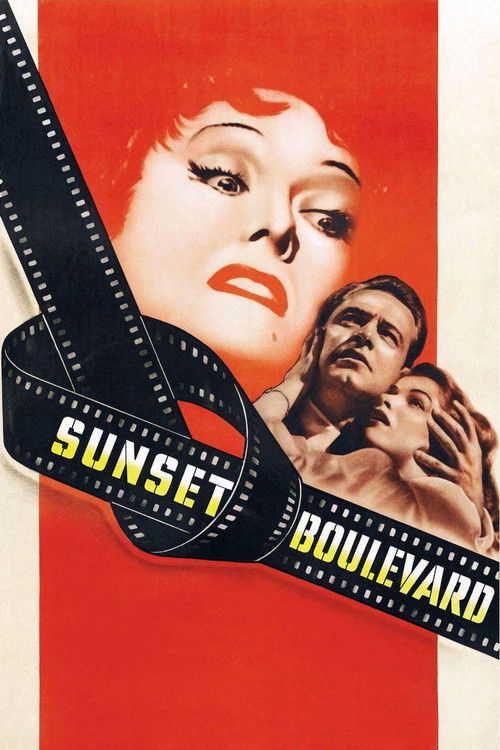
Sunset Boulevard1950
A woman destroys a man's life through manipulation and delusion, told with savage style and Norma Desmond's unforgettable monologue. The Letter's DNA runs through it: beauty as weapon, past sins as inescapable trap.
But It's slow and claustrophobic, filmed mostly in one mansion. Gloria Swanson's intensity can feel theatrical if you're not in the mood.
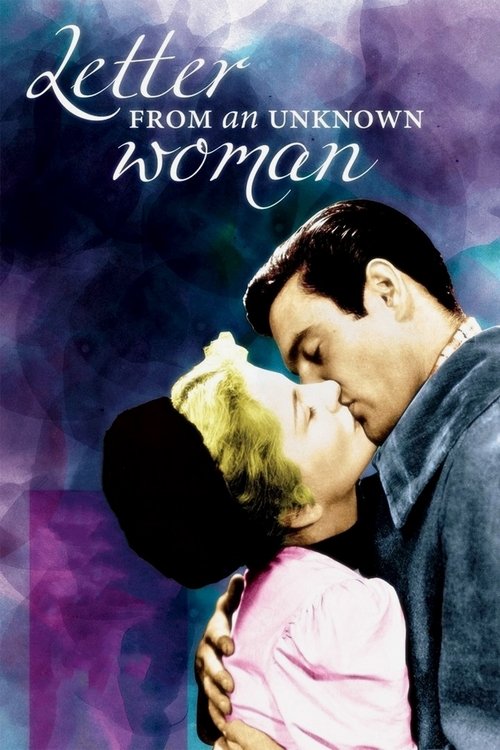
Letter from an Unknown Woman1948
Ophüls' masterpiece of obsession and consequence. A woman's letter destroys a man who never even remembered her. Morally murky, visually perfect, and it hits with the same emotional sucker punch The Letter delivers.
But The romanticism of her obsession might read as creepy to modern viewers. Some find the pacing glacial.
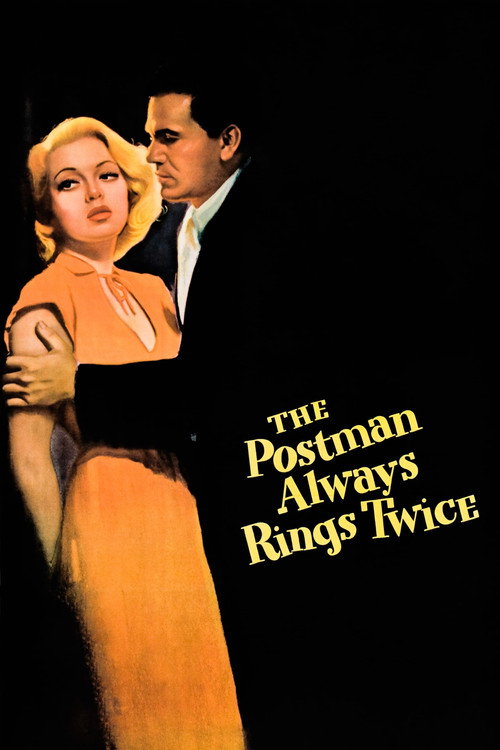
The Postman Always Rings Twice1946
Same setup—adultery, murder, a woman who manipulates her way toward catastrophe—but with film noir's shadows and Lana Turner's smoldering sexuality. The Letter in a leather jacket.
But It's more lurid than elegant. If you prefer restraint and implication to raw desire on display, this will feel excessive.
Not sure tonight? Get a pick in a minute, starting from The Letter
The wildcard
Something you would not have found on your own.
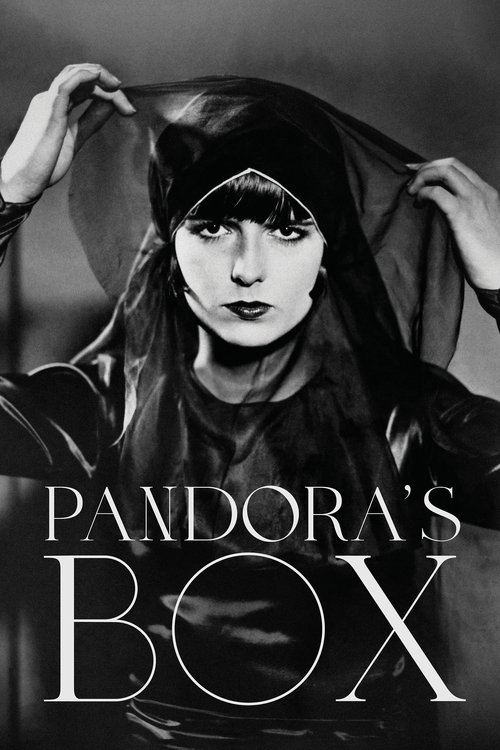
Pandora's Box1929
Both are 1929 dramas built on the idea that a woman's transgression—sexual or murderous—cannot be forgiven or hidden, and that beauty and charm are instruments of ruin.
Released the same year as The Letter, Georg Wilhelm Pabst's masterpiece follows Lulu, a woman whose sexuality and amorality destroy every man who loves her, and ultimately herself. Louise Brooks is hypnotic. It's The Letter's European cousin: the same tale of female desire as catastrophe, but unsparing and without sentimentality.
But It's a silent film with intertitles and period acting conventions. The misogyny is historical but still uncomfortable—Lulu is punished for being desirable in ways that don't sit easily now.
More like this (8)
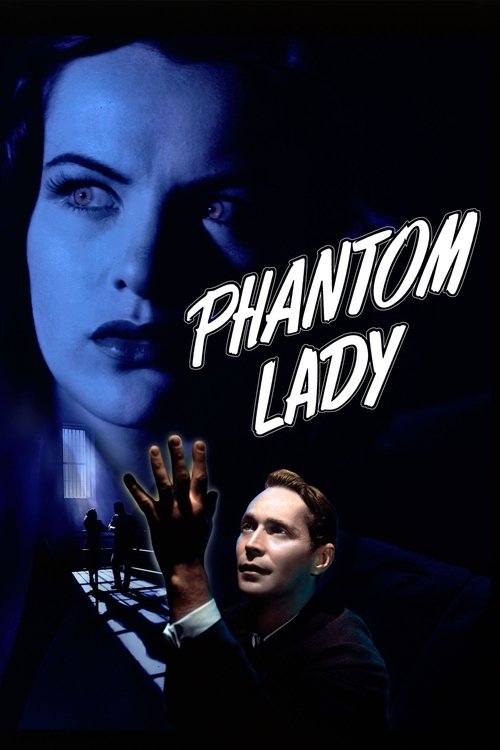
Phantom Lady1944
A woman investigates a crime to save her husband, but the moral landscape keeps tilting. Obsession and deception mount beautifully. Robert Siodmak's direction is fluid and hypnotic.
But The mystery plotting is intricate enough to lose you. It demands attention and rewards it, but not everyone has patience for that.
The Killers1946
A dead man's past unravels through flashbacks and interviews. Corruption, betrayal, and the ghosts of bad choices. The Letter's themes translated into noir: how far back do our crimes follow us?
But Burt Lancaster and Ava Gardner are the draw; if the supporting cast and plot machinery don't grip you early, it can feel dated.

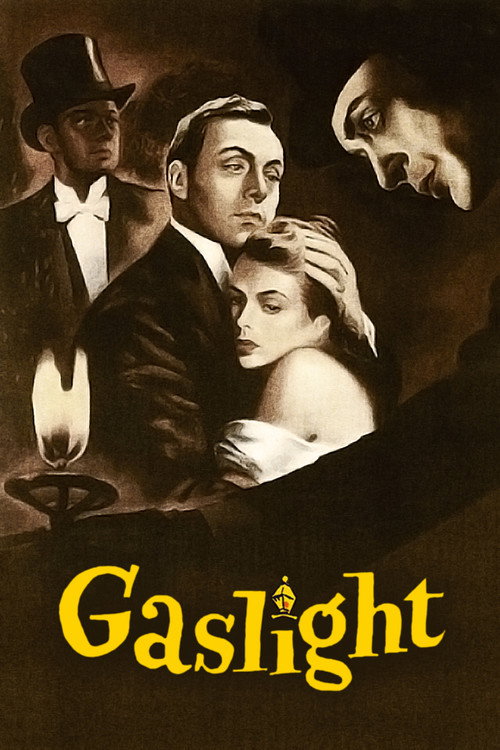
Gaslight1944
A woman's sanity is weaponized against her by the man she trusts. Psychological manipulation with genuine terror. Ingrid Bergman is extraordinary, and the moral stakes are genuinely high.
But It's unbearably tense for some viewers. The claustrophobia and psychological abuse aren't cathartic; they just hurt.
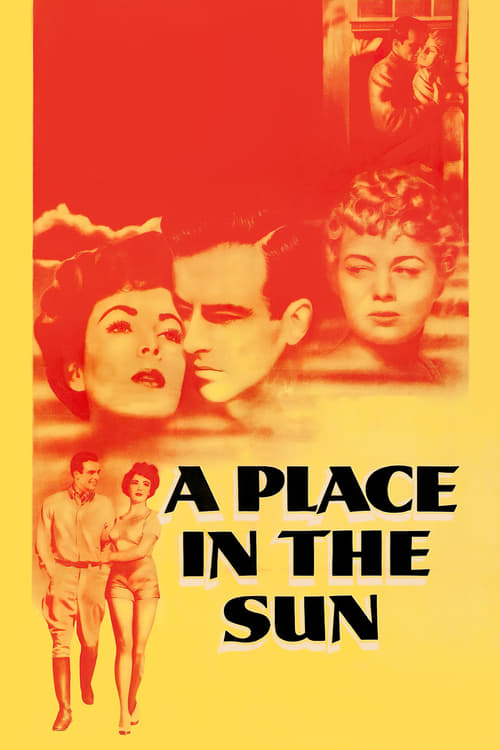
A Place in the Sun1951
Ambition, class anxiety, and the seduction into murder. A young man is drawn into destroying a woman he doesn't love to keep the one he does. The Letter's themes in American noir-realist tragedy.
But Montgomery Clift and Elizabeth Taylor dominate; the woman he needs to eliminate gets less screen time, which limits her moral complexity. It's about him.
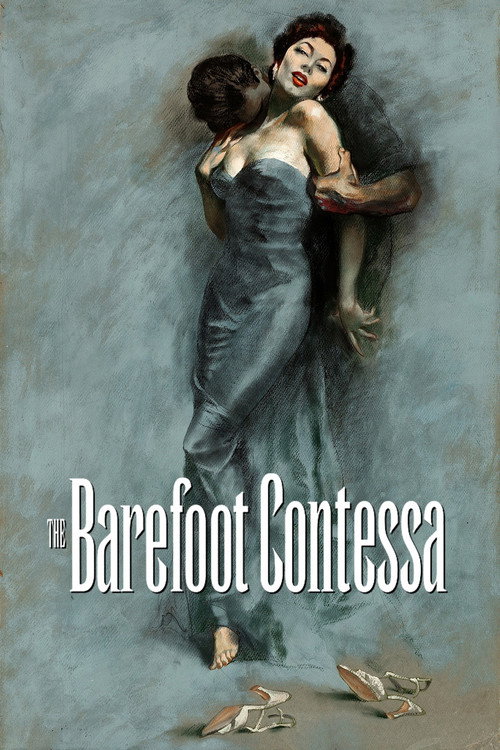
The Barefoot Contessa1954
A woman's beauty and sexuality destroy everyone around her, herself included. Told in flashbacks and confession. Ava Gardner is mesmerizing, and the film is savage about desire and its costs.
But It's episodic and sometimes feels like gossip rather than drama. Some threads don't pay off; others feel arbitrary.
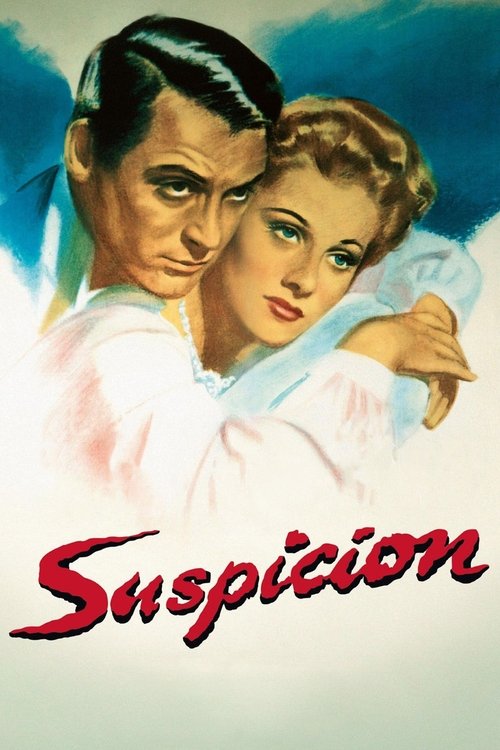
Suspicion1941
A woman marries a charming man and slowly begins to suspect he intends to kill her. Cary Grant against type, psychological suspense that builds paranoia. The ambiguity of trust.
But The ending compromises the film's nerve. Once you know it, the building dread feels manipulative in a way that doesn't hold up.
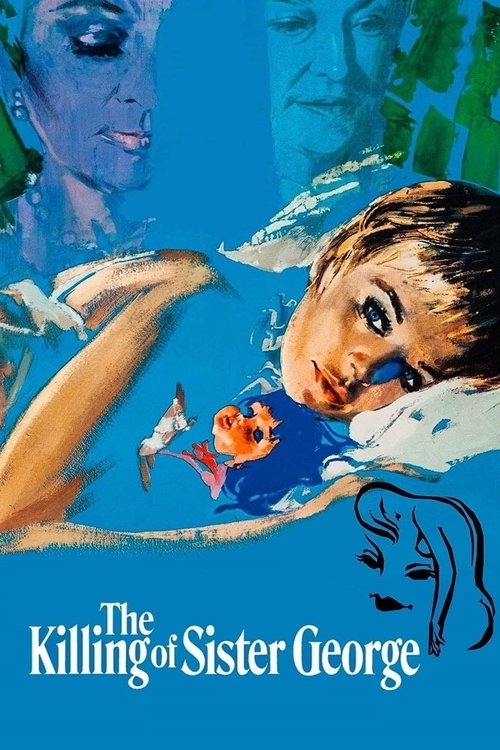
The Killing of Sister George1968
Both pivot on a hidden letter or revelation that unmasks a woman's transgression. Both are about the machinery that silences and destroys women who step out of line—one in 1929, one when that machinery was being dismantled.
A lesbian actress faces exposure when someone threatens to reveal her sexuality and affairs. Susannah York and Beryl Reid are fearless. It's a courtroom story for the counterculture—The Letter's bones rebuilt as a chamber piece about power, shame, and the violence of exposure.
But It's sexually frank and uncomfortable by design. The predatory dynamic in the relationship is meant to unsettle. Some find it cruel; others find that's exactly the point.
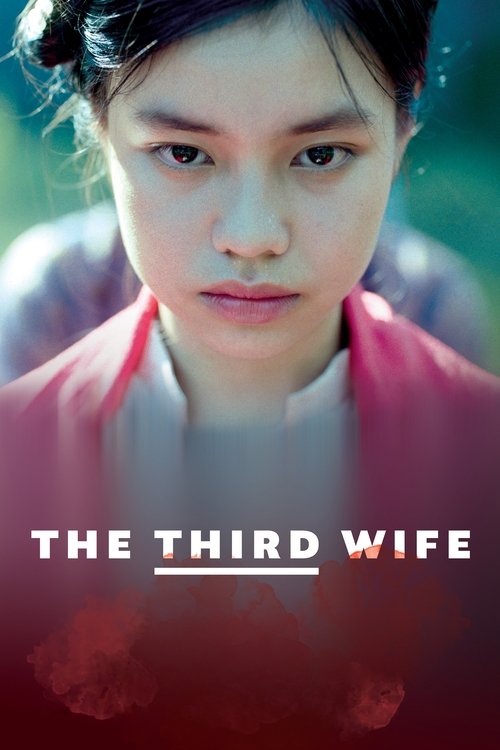
The Third Wife2019
Both are about a woman whose desire—for love, safety, status—leads her to betray another woman and live with the unbearable weight of that knowledge. Where The Letter interrogates guilt in public, The Third Wife shows it consuming you in silence.
A girl marries into a 14th-century Vietnamese household and becomes complicit in her predecessor's death. Slow, painterly, and morally suffocating. It strips The Letter down to pure atmosphere and implication—no courtroom, no trial, just the quiet horror of a woman becoming a murderer.
But It's glacially paced, dialogue is minimal, and the power dynamics might read as more depressing than dramatically satisfying. It's art cinema, not plot cinema.
People
Cast
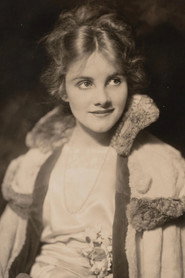 Jeanne EagelsLeslie Crosbie
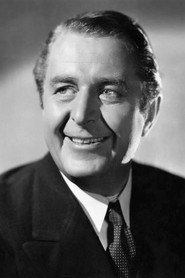 Reginald OwenRobert Crosbie
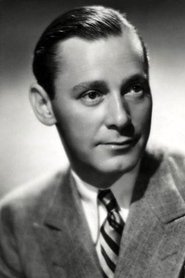 Herbert MarshallGeoffrey Hammond
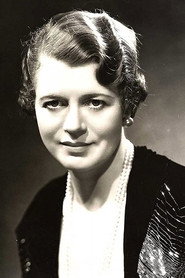 Irene BrowneMrs. Joyce
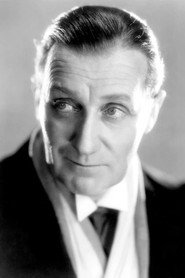 O. P. HeggieJoyce
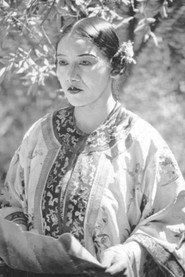 Lady Tsen MeiLi-Ti
- Tamaki YoshiwaraOng Chi Seng
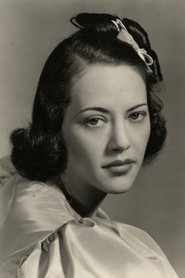 Fredi WashingtonOpium Den Dancer (Uncredited)
- Isabel WashingtonOpium Den Dancer (Uncredited)
Directing
- Jean de LimurDirector
Writing
- Jean de LimurDialogue
- Monta BellDialogue
- Garrett FortScreenplay
- W. Somerset MaughamTheatre Play
Production
- Monta BellProducer