
Film
Return to Paradise
Other titles called Return to Paradise: the 1998 film.
A 1953 Gary Cooper vehicle about an American drifter who disrupts life on a remote Polynesian island ruled by an austere missionary. It's a mid-century colonial adventure that wrestles with forbidden romance, cultural collision, and the price of paradise—watchable for Cooper's charm and the lush island setting, though the film's attitudes toward its Indigenous characters feel decidedly of another era.
If you liked this
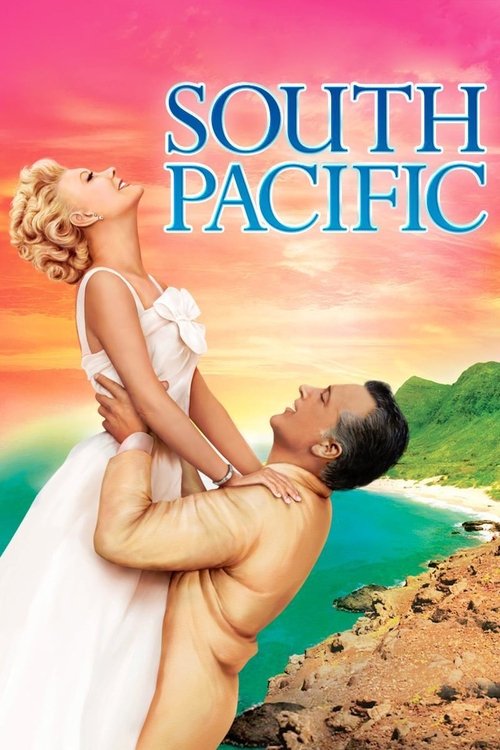
South Pacific1958
Rodgers and Hammerstein's Technicolor spectacle about American soldiers on a Pacific island, equally preoccupied with romance, duty, and the seductive danger of island life. Bigger production, bigger songs, same fundamental tension.
But The sexual politics are just as dated, and at nearly three hours, it meanders. The music is terrific, but you have to want musicals.
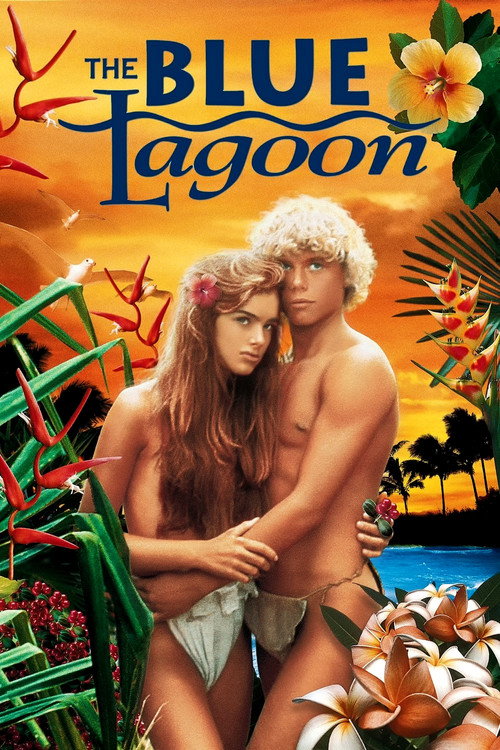
The Blue Lagoon1980
A more modern take on the island-romance-disrupts-society template, with better chemistry between leads and genuinely stunning cinematography. It's trashy in a way that somehow makes the familiar premise feel fresh.
But The film is essentially soft-core for much of its runtime. If that bothers you, the whole thing collapses.
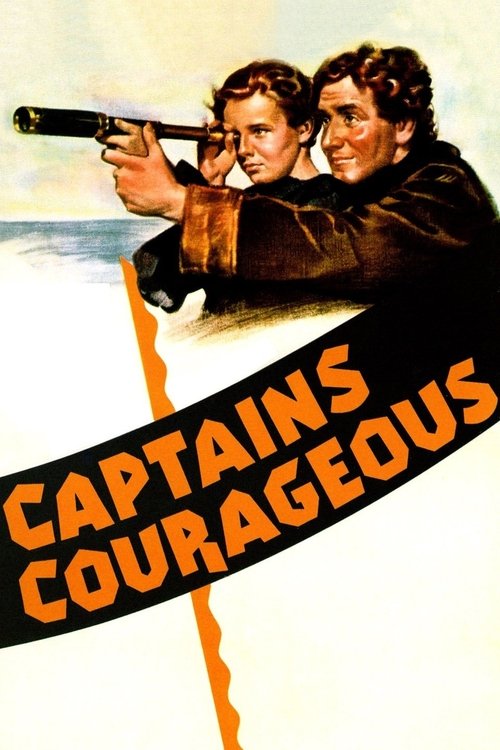
Captains Courageous1937
Another Gary Cooper-era adventure about outsiders and social hierarchy, but set on a fishing vessel. Freddie Bartholomew's spoiled kid learning humility has the same DNA as this film's culture-clash story.
But It's sentimental in that old-Hollywood way that can feel cloying. The sentimentality is the entire point, which doesn't work for everyone.
Not sure tonight? Get a pick in a minute, starting from Return to Paradise
The wildcard
Something you would not have found on your own.
Black Girl1966
The mirror image: *Return to Paradise* treats island colonialism as romantic drama; *Black Girl* shows the actual human cost of the same structures. Same era, same geography, opposite truth.
Senegalese director Ousmane Sembène's devastating film about a young woman trapped by colonial structures and power dynamics. Inverts *Return to Paradise*—the outsider here is Indigenous and powerless, the system is Colonial. It's essential cinema about the same cultural collision, but from the other side.
But It's not a comfort watch. Sembène doesn't offer catharsis, and the film's moral clarity about exploitation is unsparing. Very short but very hard.

More like this (7)
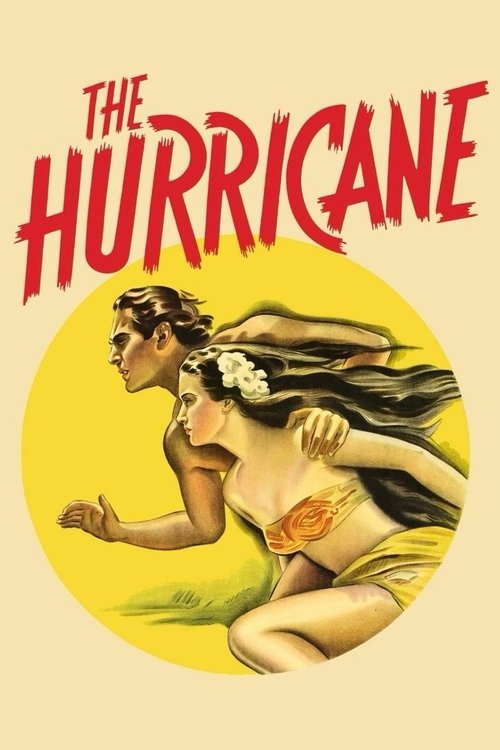
The Hurricane1937
Jon Hall and Dorothy Lamour on a Polynesian island where colonial authority and romantic passion collide spectacularly. More melodramatic than *Return to Paradise*, but it understands the same mythology.
But It's aggressively theatrical. If you want subtlety or psychological depth, this isn't your film.
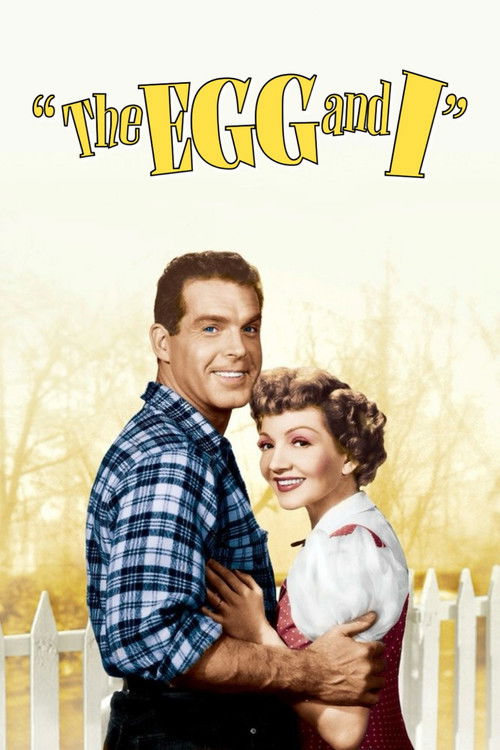
The Egg and I1947
Claudette Colbert and Fred MacMurray clash over how to live in the American frontier. Same structure—outsider disrupts established order—but grounded in Americana instead of the South Pacific.
But It's a romantic comedy trying to be a drama about irreconcilable differences. The tonal whiplash is real.
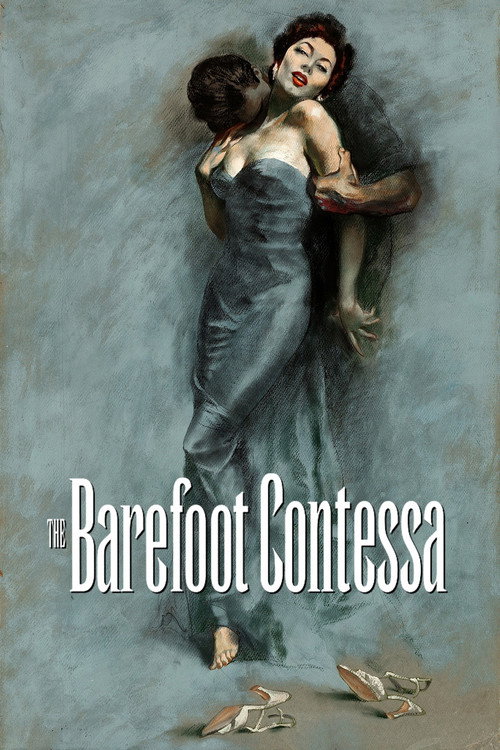
The Barefoot Contessa1954
A drifter (Ava Gardner) enters a wealthy, rigid society and explodes its careful structures from within. Darker and more cynical than *Return to Paradise*, but the skeleton is identical.
But It's slow and frequently pretentious. The frame story slows momentum just when the film should accelerate.
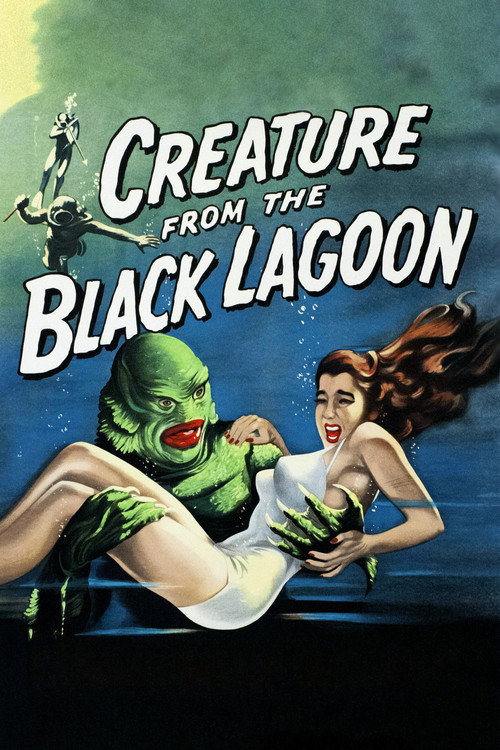
Creature from the Black Lagoon1954
Also set on a remote island with a small group of outsiders, also concerned with the collision between civilization and something primal. Swap the missionary for a river monster and you've got a companion piece.
But It's science fiction, and a monster movie. If you're watching *Return to Paradise* for intimate drama, this will feel like genre whiplash.
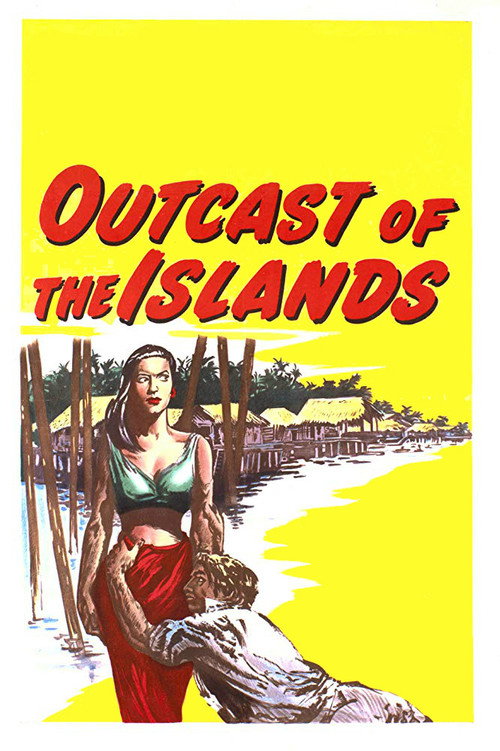
Outcast of the Islands1951
Ralph Richardson and Trevor Howard in a Colonial East Indies tale about morality, exile, and the corrosive effect of island life on European values. More psychologically bruising than *Return to Paradise*.
But It's bleak and claustrophobic. There's no resolution, no redemption, just the slow recognition of moral collapse.
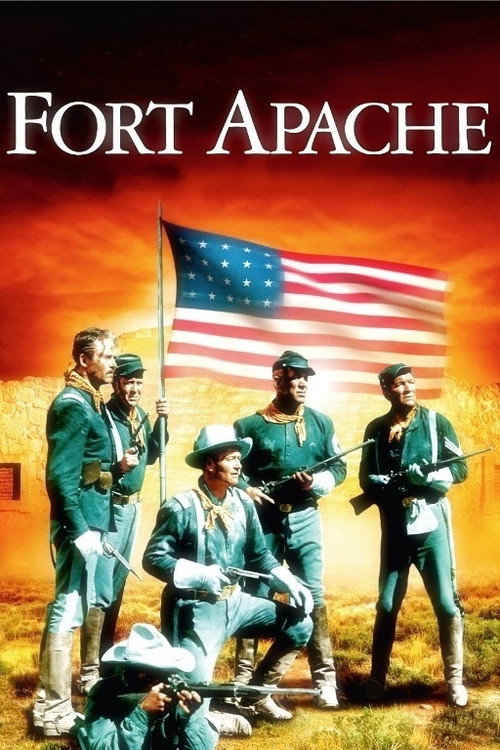
Fort Apache1948
John Wayne and John Ford examining how rigid authority and outsider values clash in an isolated outpost. Substitute the military for the mission and you've got the same central argument.
But It's a Western, not a romance, and its gender politics are even older. The film is interested in masculine codes, which may not be what you came for.
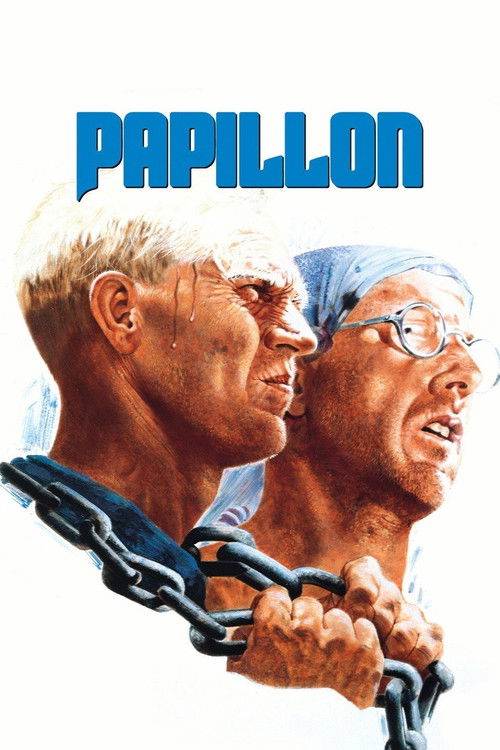
Papillon1973
Both films ask whether an outsider can truly disrupt an island's social order, but *Papillon* answers the question through action and violence rather than romance—a completely different genre asking the same question.
Steve Reeves in an island prison escape film where paradise is literally a prison and the rigid authority figure is a commandant instead of a missionary. It's trashy, vivid, and obsessed with whether you can escape a closed system or whether the system always wins.
But It's a B-movie action film with inconsistent tone and occasionally exploitative violence. If you're watching for serious drama, this will feel cheaply made.
People
Cast
 Gary CooperMr. Morgan
 Barry JonesPastor Corbett
 Roberta HaynesMaeva
- Moira WalkerTuria
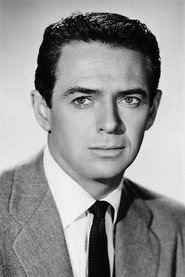 John HudsonCaptain Harry Faber
- Mamea MatatumuaTonga
- Hans KruseRori at age 21
 Maylia FongMaeva's Aunt
Directing
- Mark RobsonDirector
Writing
- James MichenerStory
- Charles KaufmanWriter
Production
- Mark RobsonProducer