
Film
The Snows of Kilimanjaro
- Drama
- Slow-burning
A dying writer on an African safari confronts his life's failures and unlived potential as fever dreams blur past and present. Gregory Peck brings haunted grace to Hemingway's meditation on mortality, ambition, and the choices that define us. It's literary and elegiac—for viewers who find beauty in regret and don't need their drama to resolve neatly.
If you liked this
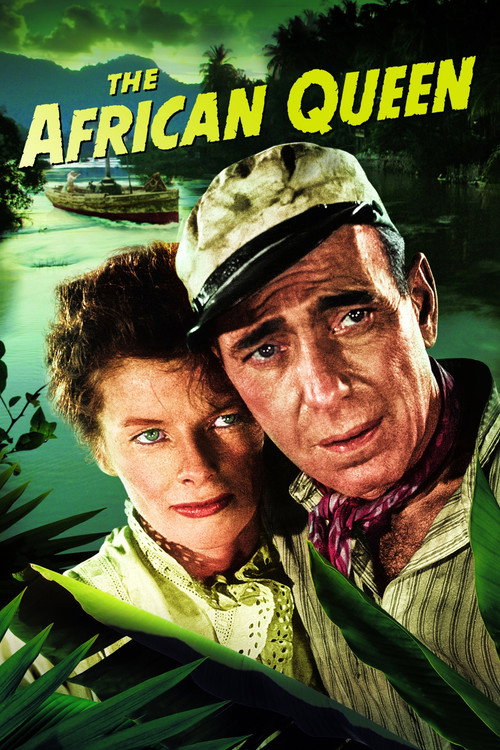
The African Queen1952
Another Hemingway-adjacent adventure with romantic tension amid jungle peril, but where Bogart and Bacall's chemistry burns through cynicism into genuine connection and purpose.
But The romance can feel tacked on to what wants to be a survival story, and some of the colonial attitudes haven't aged gracefully.
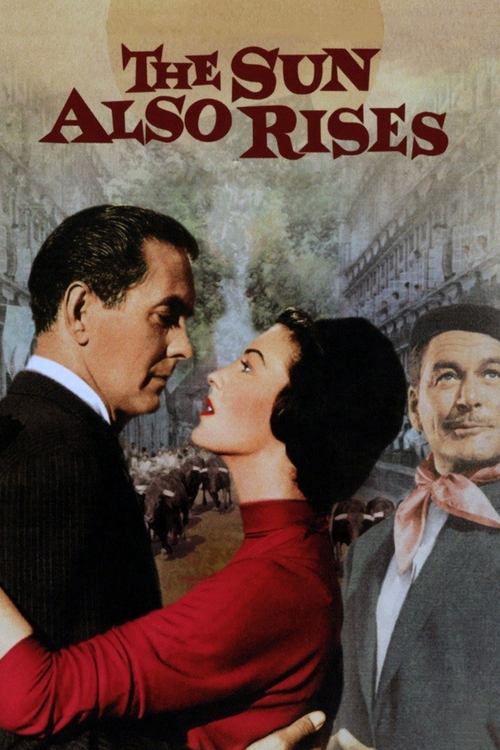
The Sun Also Rises1957
Direct Hemingway adaptation with Tyrone Power and Ava Gardner, capturing the same wounded-artist ennui, lost generation despair, and the chase for meaning through pleasure and movement.
But Even more plotless than Kilimanjaro—it's almost entirely mood and conversation, which some find beautiful and others find glacial.
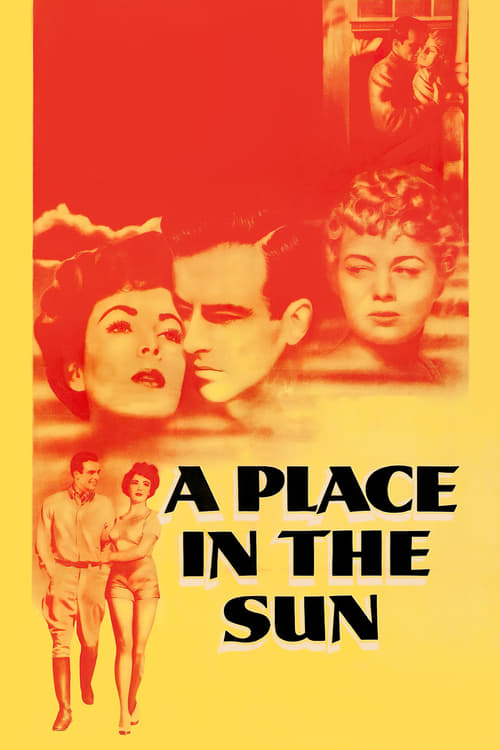
A Place in the Sun1951
Montgomery Clift as an ambitious young man destroyed by longing and circumstance. Epic, tragic, and unflinching about how desire and social climbing can corrode the soul.
But It's heavy and often bleak. The pacing is deliberate, and there's no catharsis, only wreckage.
Not sure tonight? Get a pick in a minute, starting from The Snows of Kilimanjaro
The wildcard
Something you would not have found on your own.
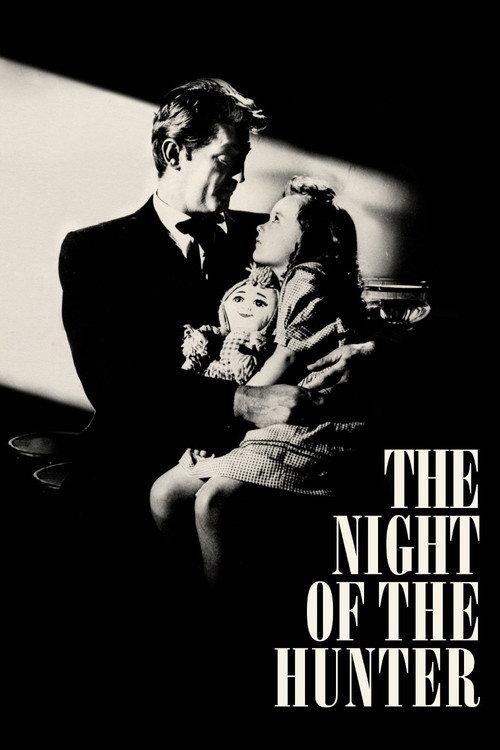
The Night of the Hunter1955
Both use landscape and fever-dream sequences to externalize internal crisis. Both believe that the past doesn't stay buried; it rises up to claim you. But where Kilimanjaro is mournful, Hunter is nightmarish.
Charles Laughton's only film as director—a dreamlike, operatic nightmare about innocence hunted and the past that won't release you. Visual storytelling of extraordinary power and strangeness.
But It's expressionistic and unsettling rather than elegiac. The mood is dread and Gothic horror, not Hemingway's melancholy—it will feel like watching a different film entirely.
More like this (8)
The Killers1946
Burt Lancaster and Ava Gardner in a noir about a man haunted by his past, unable to escape his own choices. Stylish, compact, and radiates the same existential dread.
But It's much tighter and faster-paced than Kilimanjaro—if you want lingering introspection, this will feel brisk and punchy.

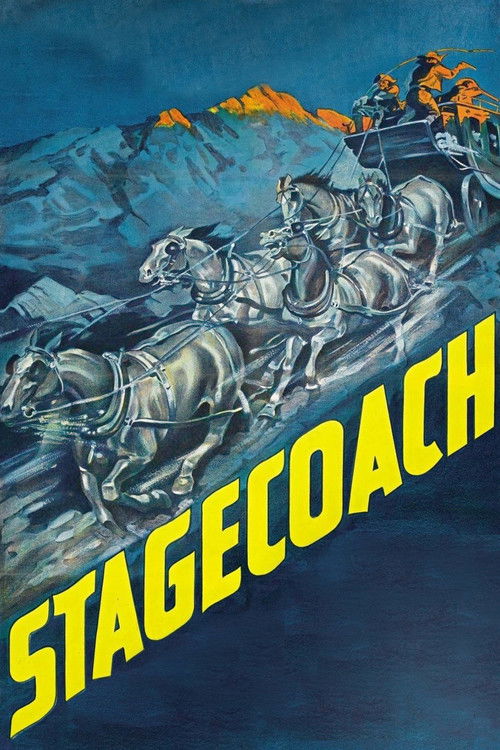
Stagecoach1939
Ford's masterpiece uses a desert journey as pressure cooker for character revelation. Every passenger forced to confront who they really are when stripped of civilization.
But It's an ensemble piece where no one wallows alone with their regrets—it's about community and redemption, the opposite of Kilimanjaro's solitude.
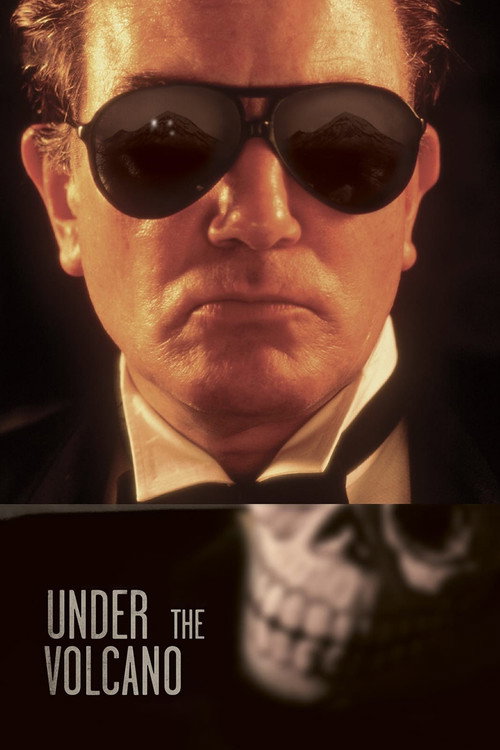
Under the Volcano1984
A man drinks himself to death while reflecting on love, failure, and what might have been. Visually stunning and genuinely devastating—Huston's most personal film.
But The protagonist is actively self-destructive in ways that can feel masochistic. It's bleak even by regret-cinema standards.
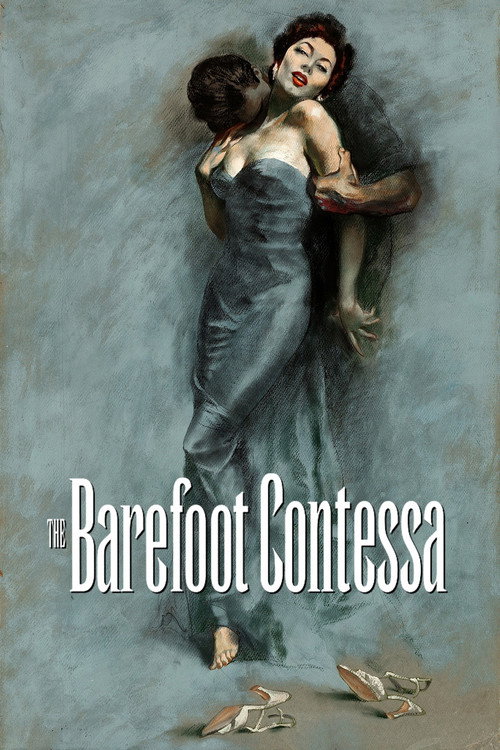
The Barefoot Contessa1954
Ava Gardner again, in a portrait of a woman defined by other people's desire and ambition. Glamorous on the surface, rotting underneath—a study of how the chase destroys the chaser.
But It's gossipy and melodramatic where Kilimanjaro is introspective. The tone is almost satirical about its own tragedy.
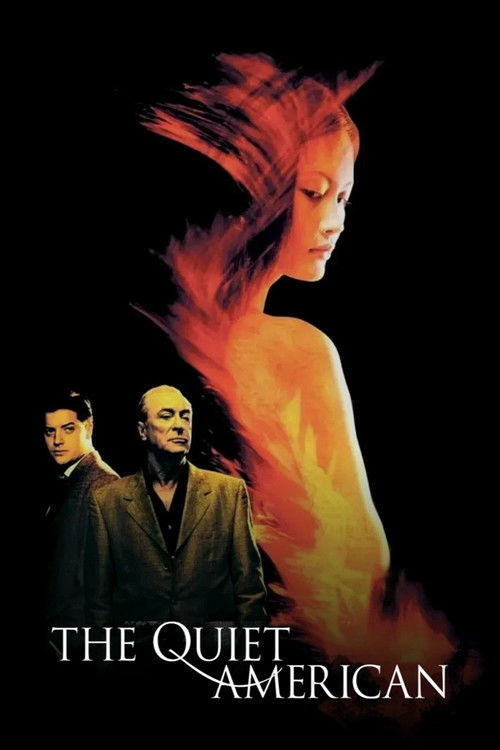
The Quiet American2002
Michael Caine in Indochina, wrestling with complicity and compromise. Literary, morally murky, built on reflection rather than action. Peck would have understood this one.
But Slower than a meditation, almost stalled. If you need forward momentum, the film will feel like treading water.
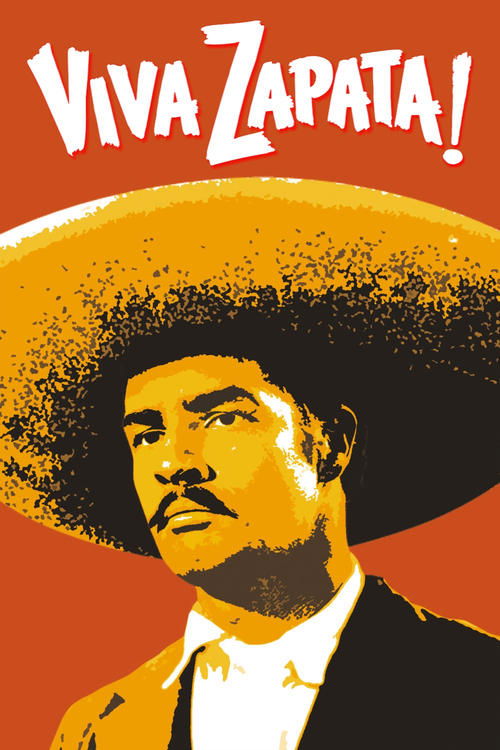
Viva Zapata!1952
Marlon Brando in the same year, also wrestling with ambition, idealism corrupted, and the price of choosing. Kazan brings operatic intensity to a life half-lived.
But It's messier and more political than Kilimanjaro, and Brando's brooding can tip into self-indulgence.
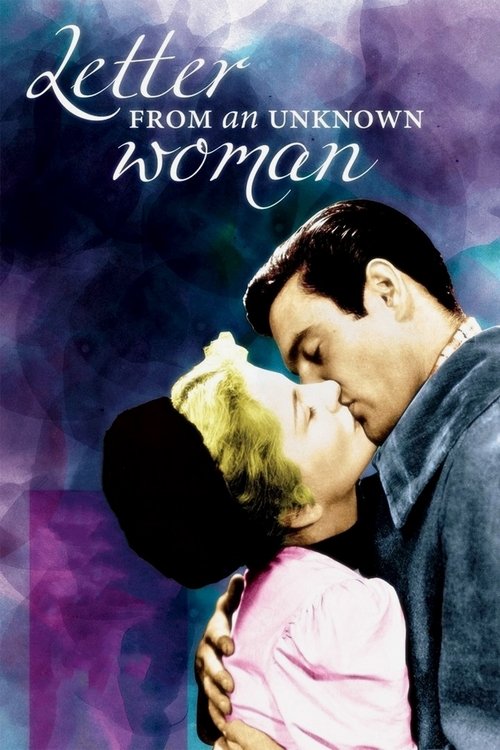
Letter from an Unknown Woman1948
Both are structured as deathbed reflection on a life of choices unmade. Both ask what it means to have been alive but not truly lived. But Kilimanjaro looks backward with resignation; this one looks backward with worship.
Max Ophüls' masterpiece: a woman's entire life consumed by love for a man who barely remembers her. Told in flashback from the point of view of regret, it's achingly beautiful and almost unbearably sad.
But It's a woman's tragedy, not a man's—if you're watching for Peck's brand of tortured masculinity, the perspective shift will feel alien. Also: pre-war Vienna coffee-house romance, not African safari existentialism.
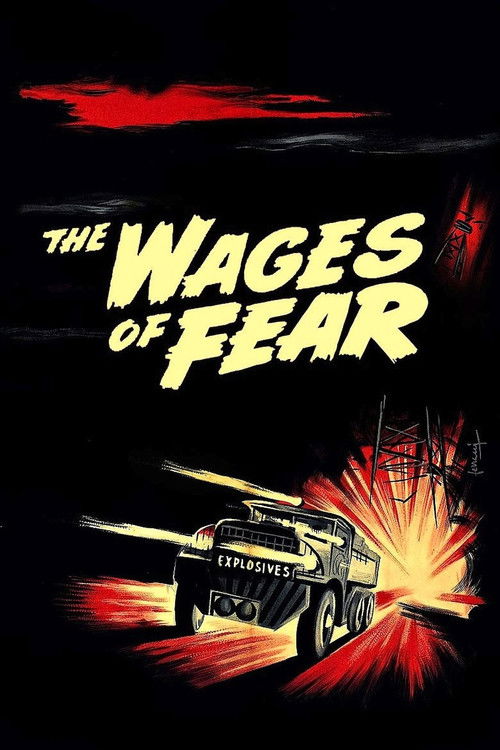
The Wages of Fear1953
Both use an exotic landscape and proximity to death as a crucible for truth-telling. Both understand that what matters isn't survival but what you're willing to compromise to survive. Both feature men running from their pasts into the wilderness.
Clouzot's suffocating masterpiece: men driving nitroglycerine through a jungle, each kilometer a negotiation with death. Tense, moral, and obsessed with how desperation reveals character.
But It's relentlessly physical and concrete where Kilimanjaro is reflective and interior. If you want philosophy, this is all sweat and rope and silence. Also dubbed, which some find distracting.
People
Cast
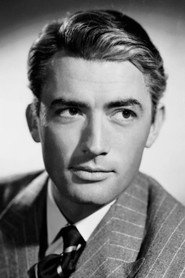 Gregory PeckHarry Street
 Susan HaywardHelen Street
 Ava GardnerCynthia Green
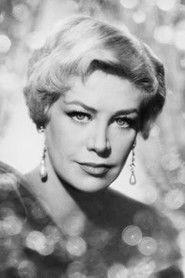 Hildegard KnefCountess Liz
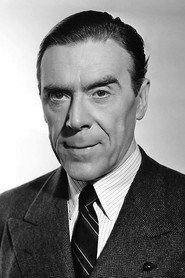 Leo G. CarrollUncle Bill Swift
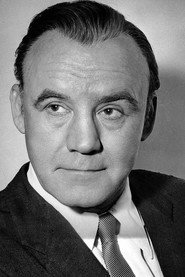 Torin ThatcherJohnson
- Ava NorringBeatrice
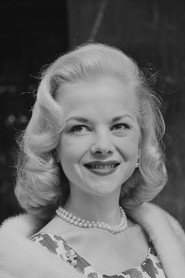 Helene StanleyConnie
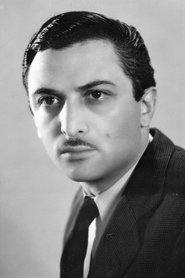 Marcel DalioEmile
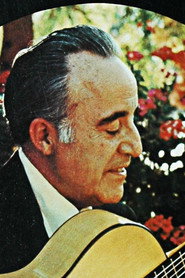 Vicente GómezGitarrist
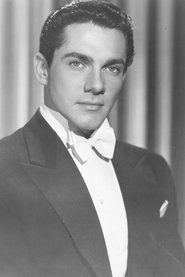 Richard AllanSpanish Dancer
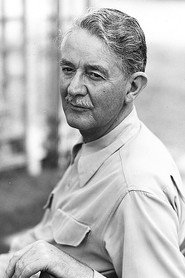 Leonard CareyDr. Edmund Simmons (uncredited)
Directing
- Henry WeinbergerAssistant Director
- Michel BoisrondAssistant Director
- Henry KingDirector
- Robert R. SnodySecond Unit Director
Writing
- Casey RobinsonScreenplay
- Ernest HemingwayShort Story
Production
- Darryl F. ZanuckProducer
Recommended by
A Farewell to Arms, Where No Vultures Fly, Mogambo, The Magnificent Matador