
Film
Flame of the Islands
A 1955 melodrama about an administrative assistant who parlays a mysterious payout into casino ownership on a Caribbean island. Yvonne De Carlo sings, schemes, and navigates the desires of several men in this Technicolor soap opera—glossy, morally murky, and utterly committed to its own overwrought stakes. For fans of Old Hollywood excess.
If you liked this
The Killers1946
Burt Lancaster and Ava Gardner in a twisting noir about a doomed man and the femme fatale who destroys him. Essential postwar American filmmaking, stylish and genuinely cruel.
But The plot unfolds in fragments and can feel distant; it prioritizes mood and moral decay over character sympathy.

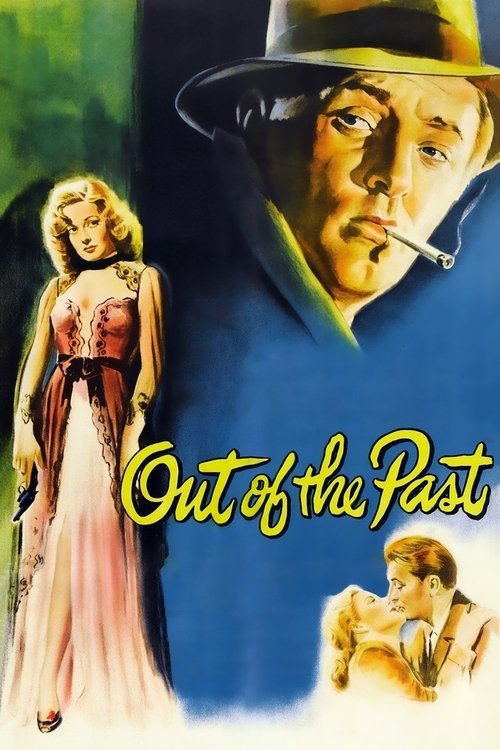
Out of the Past1947
Robert Mitchum and Jane Greer in the definitive film noir: a man tries to escape his past and the woman who represents it. Perfect screenplay, perfect cynicism, perfectly shot in shadow.
But If you need likeable characters or hope to root for anyone, this will frustrate you.
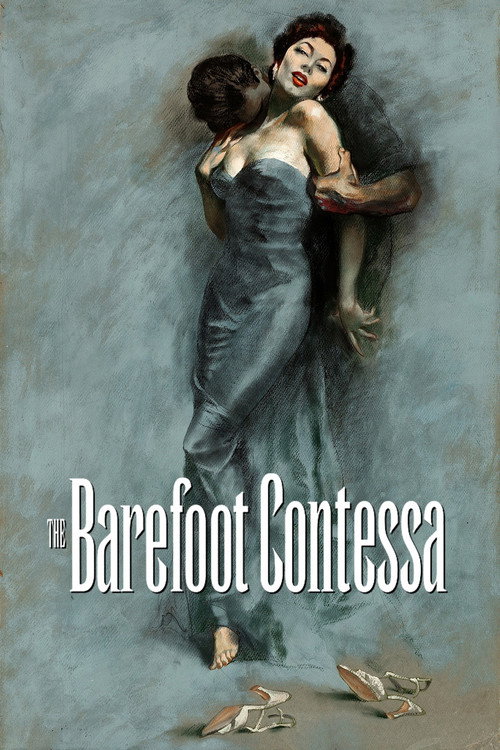
The Barefoot Contessa1954
Ava Gardner as a nightclub dancer who becomes an actress and scandal magnet; Humphrey Bogart as the man ruined by loving her. Lush, bitter, and fascinated by the cost of stardom.
But The framing device feels mannered by modern standards; the pacing is leisurely.
Not sure tonight? Get a pick in a minute, starting from Flame of the Islands
The wildcard
Something you would not have found on your own.
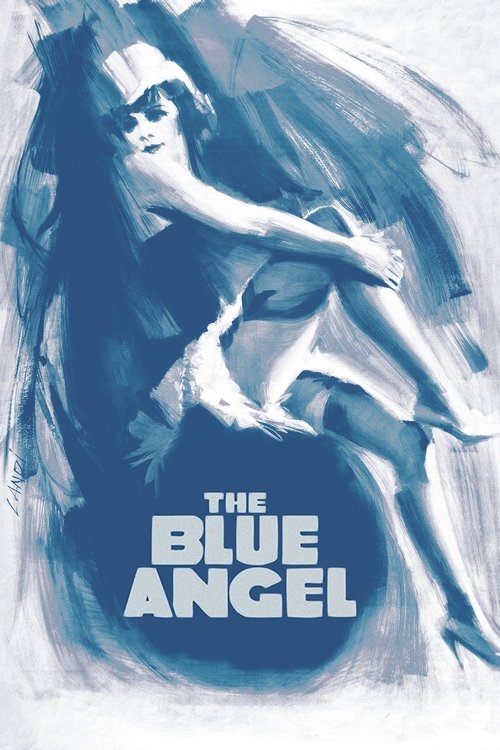
The Blue Angel1930
Both films hinge on a woman's morally ambiguous hold over men in a closed, wealthy environment. Both ask whether she's predator or just smart. Both are more interested in her power than her innocence.
Emil Jannings as a respectable professor destroyed by his desire for a nightclub singer (Marlene Dietrich). The template for every story about a woman who ruins men through sex and charm. Weimar decadence, genuine pathos, and the roots of decades of cinema.
But It's in German, subtitled, and moves at the pace of 1930 cinema; the psychology is tragic rather than entertaining.
More like this (8)
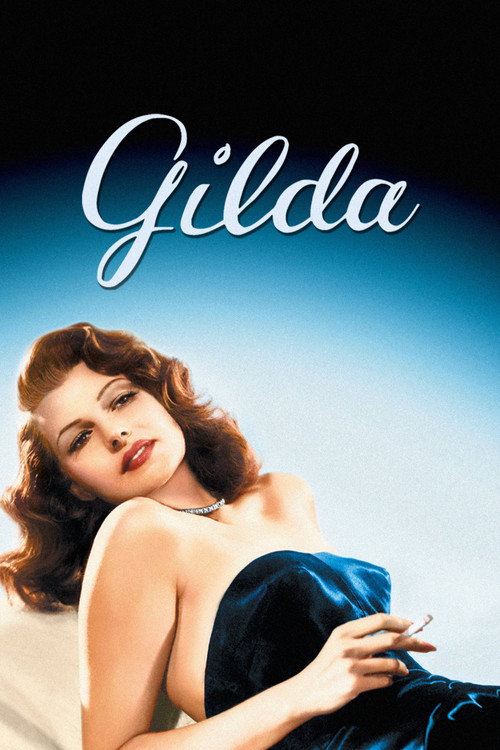
Gilda1946
Rita Hayworth as a casino owner's wife who destroys everyone around her with sex and lies. Glossy, jealous, operatic. The dress-change scene alone is cinema.
But Hayworth's character exists partly as a male fantasy; the misogyny is baked in, even if the film seems partly aware of it.
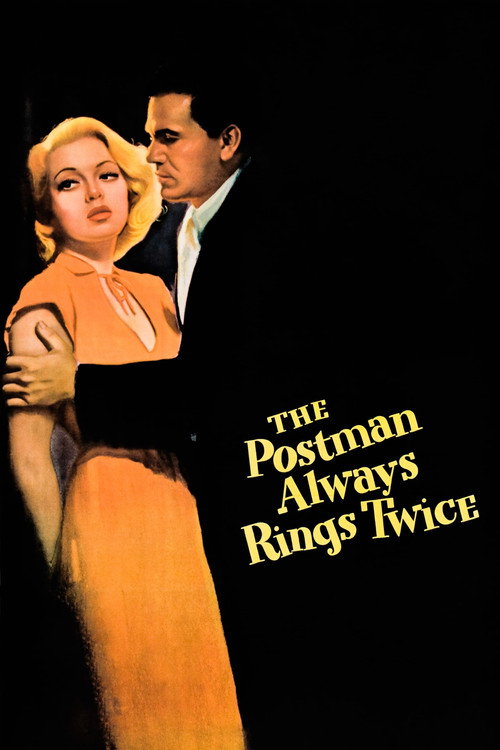
The Postman Always Rings Twice1946
Lana Turner and John Garfield in a sweltering noir about infidelity and murder. Morally rotten, visually stunning, and so much hotter than the Production Code was supposed to allow.
But The female lead is largely a prop in the men's tragedy; if that bothers you, it should.
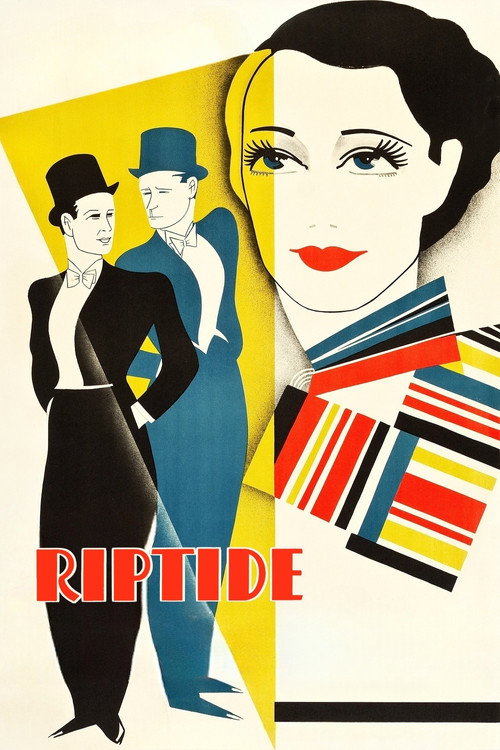
Riptide1934
A lesser-known gem about wealth, desire, and questionable morals on an island. Fast, cynical, and surprisingly modern in its refusal to let anyone off the hook.
But It's pre-Code B-movie plotting; if you need narrative logic or character development, you won't find it.
The Asphalt Jungle1950
John Huston's masterly heist film established the template. Crisp, tense, and genuinely interested in the failures and small decencies of its criminals.
But Slow by modern standards; the sexism of the era is casually embedded in the script.

The Killing1956
Kubrick's debut about a racetrack heist and the beautiful woman who destroys it all. Fractured timeline, bleak worldview, genuine tension.
But Everyone is either stupid or doomed, and the film knows it; if you need to like at least one character, look elsewhere.

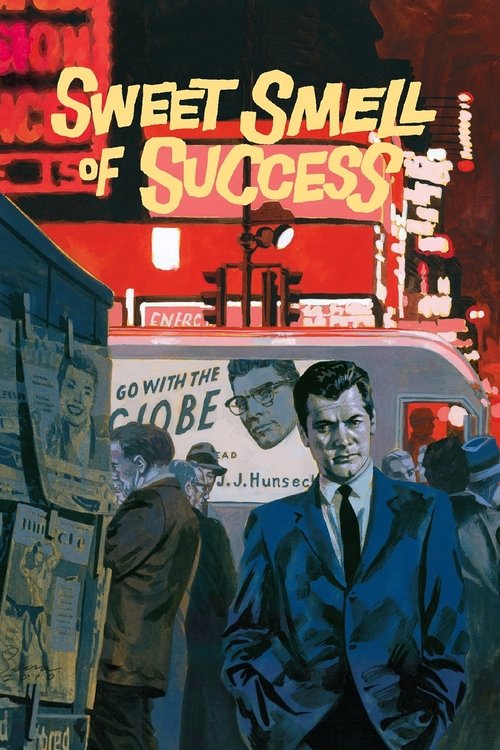
Sweet Smell of Success1957
Burt Lancaster and Tony Curtis in the most verbally vicious film noir ever made. Every line is a knife. Coruscating, baroque, unforgettable language.
But The dialogue is so dense and theatrical it can feel airless; the morality is so compromised it offers no foothold.
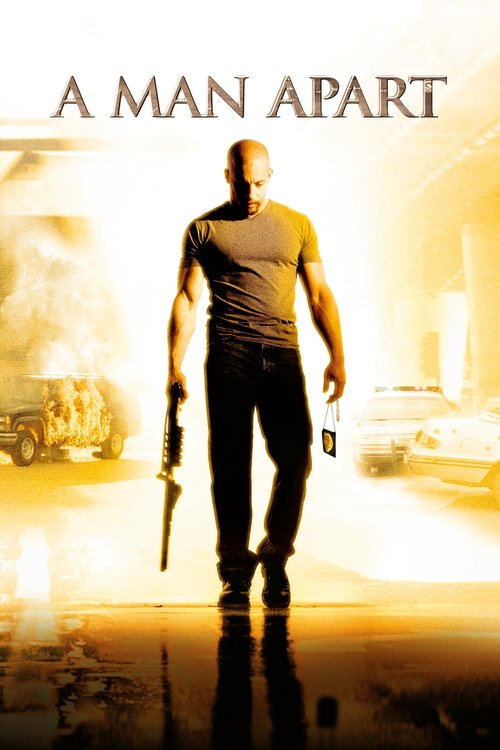
A Man Apart2003
Both center on a protagonist who acquires wealth through morally questionable means and finds that money brings not freedom but entrapment. Both surround them with lovers and rivals, all doomed.
Vin Diesel in a drug-war thriller that plays like a postmodern echo of '50s melodrama: a man constructed by circumstance, caught between criminal underworld and law enforcement, destroying everyone who loves him. Lurid, operatic, totally committed.
But It's self-aware in ways a '50s film isn't; if you want vintage sincerity rather than knowing camp, this subverts it.
Pandora's Box1929
Both films make a woman's sexuality and moral fluidity the engine of the plot. Both refuse to make her either monster or victim. Both are fascinated by the wreckage she leaves and the fact that she barely notices.
G.W. Pabst's silent masterpiece: Louise Brooks as Lulu, a woman of appetites who moves through the world like a force of nature, ruining fortunes and marriages without effort or malice. Erotic, ruthless, hypnotic. The performance alone is worth the evening.
But It's silent, from 1929, and deeply cynical about desire; its tragedy has no redemption. Not a comfortable watch.

People
Cast
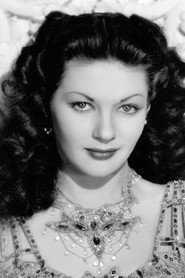 Yvonne De CarloRosalind Dee
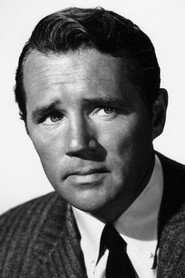 Howard DuffDoug Duryea
 Zachary ScottWade Evans
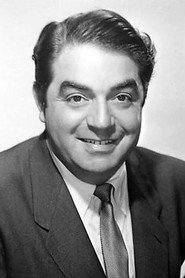 Kurt KasznarCyril Mace
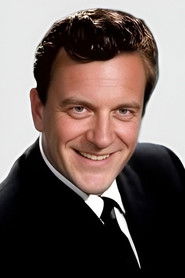 James ArnessKelly Rand
 Frieda InescortEvelyn Hammond
 Barbara O'NeilCharmaine Duryea
 Nick StewartNick

 Donald CurtisJohnny
Directing
- Virgil HartAssistant Director
- Edward LudwigDirector
Writing
- Bruce ManningScreenplay
- Adele ComandiniStory
Production
- Edward LudwigAssociate Producer