
Film
Riptide
A 1934 romance where a woman's impulsive marriage to a British lord is tested when a former flame reappears on the Riviera. Norma Shearer brings star wattage to a film about desire, duty, and whether passion or companionship makes a marriage real. It's glossy, briskly plotted, and genuinely moving—a reminder that old Hollywood understood marital complexity.
Should you watch it?
Watch it if you enjoy glossy 1930s romantic melodrama, where witty banter and polished society manners carry the emotion, and you like a love triangle that stays civil rather than cruel.
Skip it if you need fast-moving plots, since the talk-heavy scenes linger on drawing-room chatter and gossip, and the melodrama can feel stagey to modern eyes.
What it asks of you: Settle in for ninety-two minutes of unhurried scenes where feeling builds through glances and manners rather than action, and where gossip does its damage slowly.
Not sure? Find tonight's pick in a minute.
If you liked this
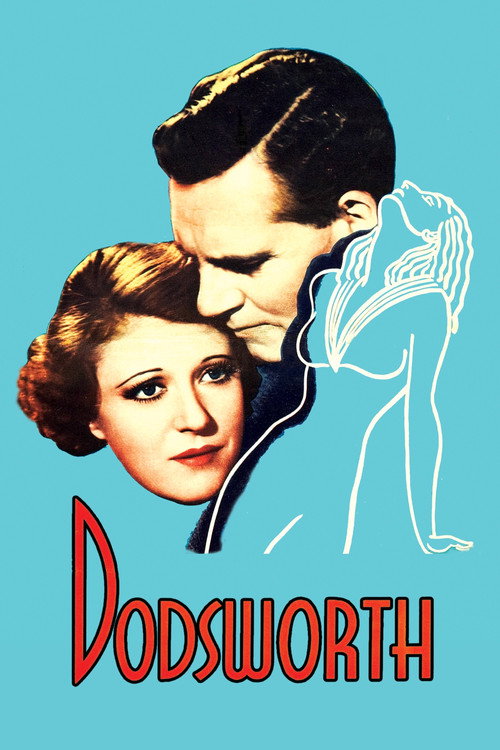
Dodsworth1936
Walter Huston and Ruth Chatterton navigate the collision between old money, new desires, and marriage under pressure. A character study wrapped in elegant travel and European glamour, with real moral weight.
But The pacing is deliberate rather than propulsive; it asks you to sit with discomfort rather than resolve it neatly.
The Philadelphia Story1940
Cary Grant, James Stewart, and Katherine Hepburn orbit around what marriage actually means and who deserves your heart. It's funny, romantic, and wise about the gap between who we think we are and who we really are.
But The ending might feel too neat after spending so much time with genuine uncertainty; some find the tone flippant about serious stakes.

Breakfast at Tiffany's1961
Audrey Hepburn as a woman caught between the life she's created and the person she could be. It captures that same restless romantic energy, the seduction of the possibility of escape, and the cost of refusing to choose.
But Tonally it shifts between comedy and melancholy; the Henry Mancini score sweetens everything, which some find at odds with the character's real loneliness.

Not sure tonight? Get a pick in a minute, starting from Riptide
The wildcard
Something you would not have found on your own.
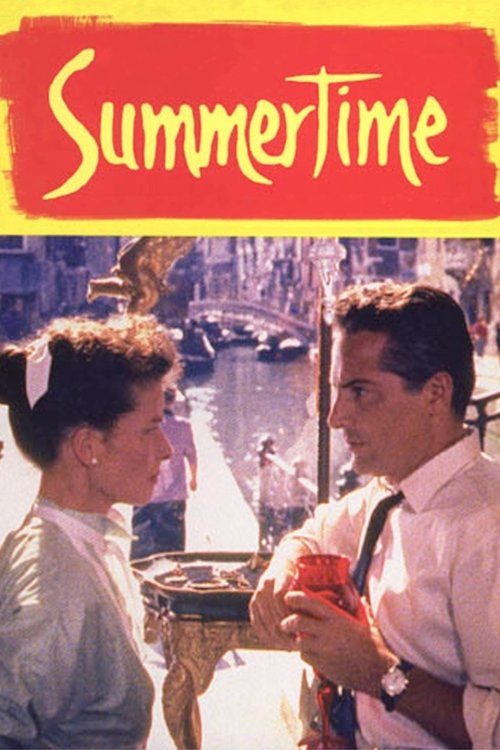
Summertime1955
Both pivot on a woman who must choose between a real marriage and a sudden, transformative passion encountered abroad; both understand that the more exciting choice isn't always the deeper one.
Katharine Hepburn as a lonely American woman who falls for a Venetian antiques dealer during a summer holiday. It's tender and melancholic, about how we fall in love with versions of places and people that can't last—and how we choose to leave anyway.
But The romance is bittersweet by design, with no resolution that gratifies; the film argues that some loves matter precisely because they don't last.
More like this (7)
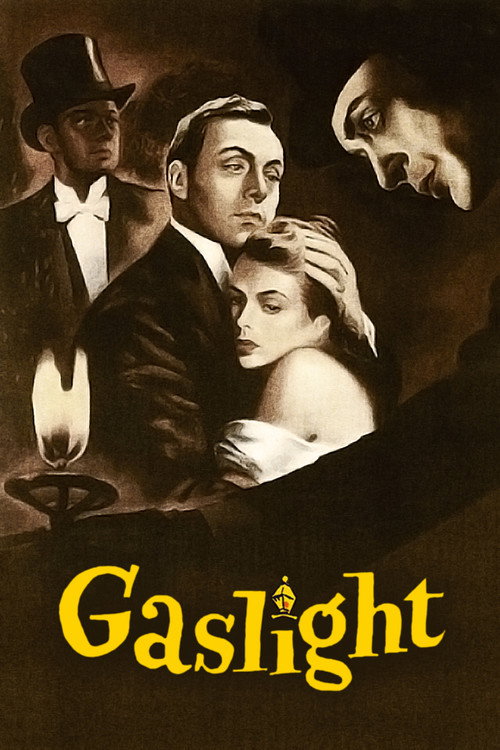
Gaslight1944
Ingrid Bergman and Charles Boyer in a marriage where love and manipulation become indistinguishable. Utterly gripping psychological drama with real stakes, and Bergman's performance is luminous under pressure.
But It's darker and more sinister than Riptide; the romance is poisoned from the start, which some find exhausting rather than compelling.
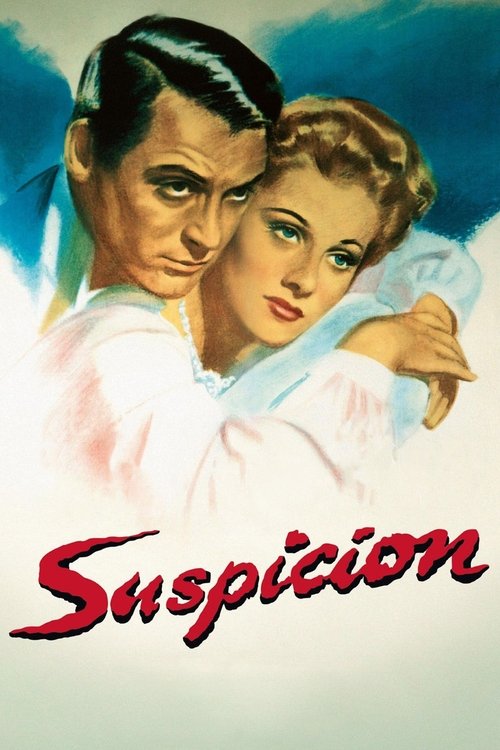
Suspicion1941
Cary Grant and Joan Fontaine marry on impulse, then doubt creeps in. A masterclass in how a single glance or gesture can corrode trust, and what uncertainty does to desire and devotion.
But The ending was compromised by the studio; some viewers resent that Grant's image was protected at the cost of the story's integrity.
All That Jazz1979
Bob Fosse's semi-autobiographical film about a man torn between art, ambition, and the people who love him. Visually dazzling and emotionally reckless, it takes the romantic triangle and makes it about competing versions of self.
But It's explicit, anarchic, and exhausting; Fosse is not interested in comforting you or resolving anything cleanly.

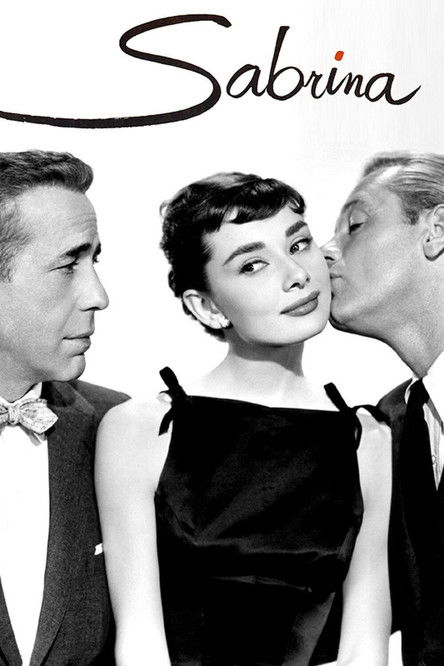
Sabrina1954
Audrey Hepburn returns from Paris transformed, and two brothers fall for her. Elegant, funny, and genuinely interested in whether a woman should choose love or independence—or whether that's even the right question.
But It's a Cinderella story at heart, which means some of its feminism is more surface than substance; the ending privileges romance over the woman's own agency.
Brief Encounter1945
Celia Johnson and Trevor Howard as two married people who fall in love and choose duty instead. A small, devastating film about passion meeting circumstance and the loneliness of the right decision.
But It's suffused with British restraint and postwar resignation; some find that melancholy admirable, others find it mournful and slow.

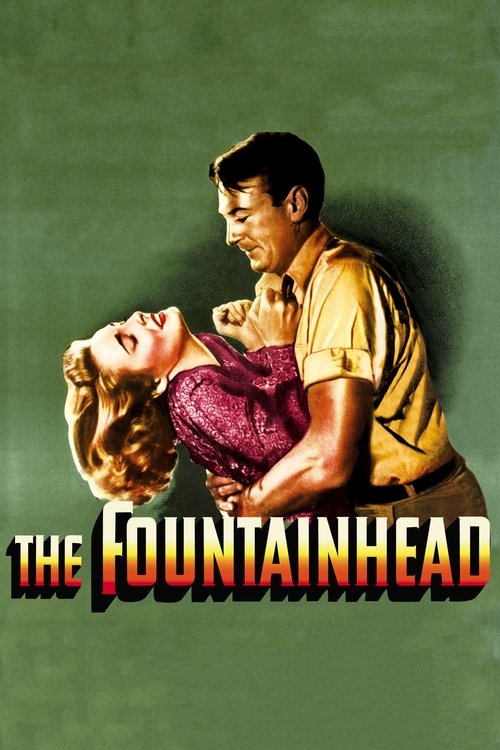
The Fountainhead1949
Gary Cooper and Patricia Neal in Ayn Rand's fever dream about passion, will, and whether love means surrender. It's absurd and hypnotic, visually stunning, and utterly committed to its own extremism.
But It's a manifesto first and a love story second; the philosophy overwhelms character, and the sex scene is portrayed as an act of domination that the film frames as romantic.
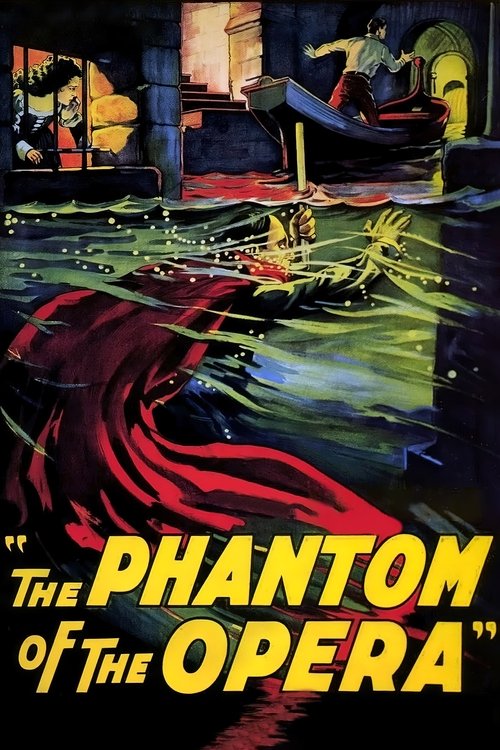
The Phantom of the Opera1925
Both ask whether romantic love should override everything else, but the Phantom inverts the question—what happens when someone demands that you choose them at the cost of your own flourishing?
Lon Chaney in a silent masterpiece about desire, obsession, and whether love should demand everything. Visually operatic, genuinely unsettling, and completely invested in the gothic texture of competing claims on a woman's heart.
But It's a silent film with the pacing and melodrama of that era; the Phantom's 'love' is possessive and dangerous, which some find difficult rather than dramatically interesting.
People
Cast
 Norma ShearerLady Mary Rexford
 Robert MontgomeryTommie L. Trent
 Herbert MarshallLord Philip Rexford
- Mrs. Patrick CampbellAunt Hetty Riversleigh
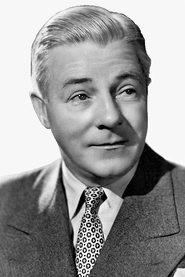 Richard 'Skeets' GallagherErskine
 Ralph ForbesDavid Fenwick
 Lilyan TashmanSylvia Wilson
- Arthur L. JarrettPercy
- Earl OxfordFreddie Gray
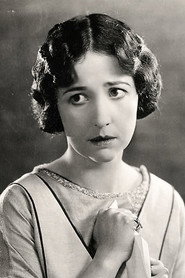 Helen Jerome EddyCeleste
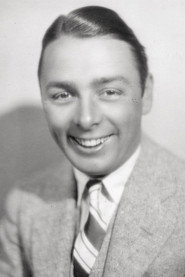 George K. ArthurBertie Davis
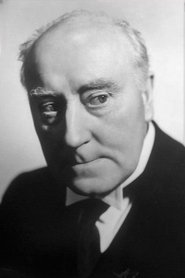 Halliwell HobbesBollard
Directing
- Edmund GouldingDirector
Writing
- Edmund GouldingScreenplay
- Ben HechtWriter
Production
- Irving ThalbergProducer