
Film
The Devil Is a Woman
A dazzling 1935 Spanish romance where Marlene Dietrich plays a seductive con artist who ruins men with her charm. Josef von Sternberg directs with painterly sensuality, every frame a composition. It's a film about desire as delusion—how we project fantasy onto beauty and call it love. Sophisticated, visually stunning, and deeply cynical about romance.
If you liked this
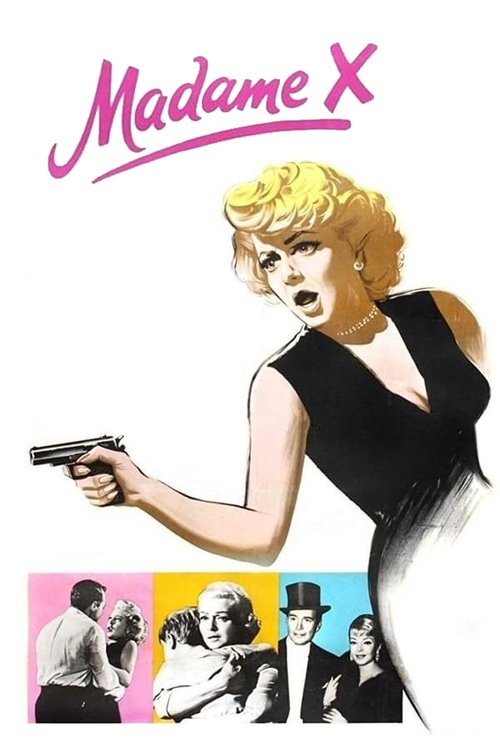
Madame X1966
Lana Turner in peak melodrama: a woman's past returns to haunt her across decades. Like Devil, it explores how society punishes women's sexuality while men escape consequence. Gorgeously shot and utterly committed to its emotional extremes.
But The plot mechanics creak—convenient revelations and courtroom theatrics feel dated even for 1966. Turner's performance is sometimes broader than the material deserves.
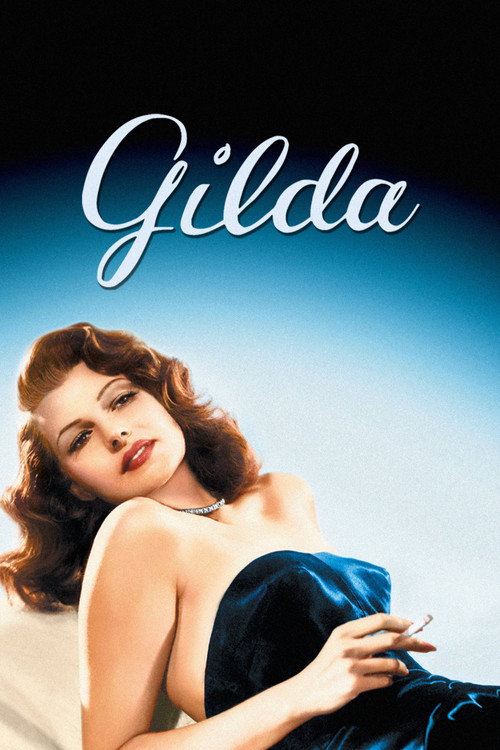
Gilda1946
Rita Hayworth as another seductive woman who destroys men's lives, framed with noir cynicism. The famous "Put the Blame on Mame" number has that same dangerous allure. A perfect spiritual successor to Devil's bitter view of romance.
But The gender politics, though intentional, can feel suffocating. Some viewers find the constant blame-shifting exhausting rather than sophisticated.
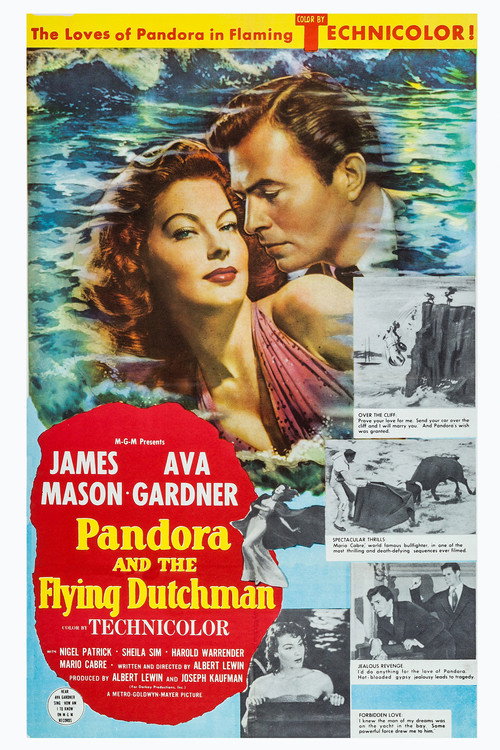
Pandora and the Flying Dutchman1951
Ava Gardner as a woman so magnetic she literally dooms a man to immortal wandering. Gorgeously Technicolor and mythological where Devil was cynical realism. Both films worship beauty while showing its cost.
But The fantasy elements won't appeal if you want grounded drama. Some find the visual excess overwrought, even self-sabotaging.
Not sure tonight? Get a pick in a minute, starting from The Devil Is a Woman
The wildcard
Something you would not have found on your own.
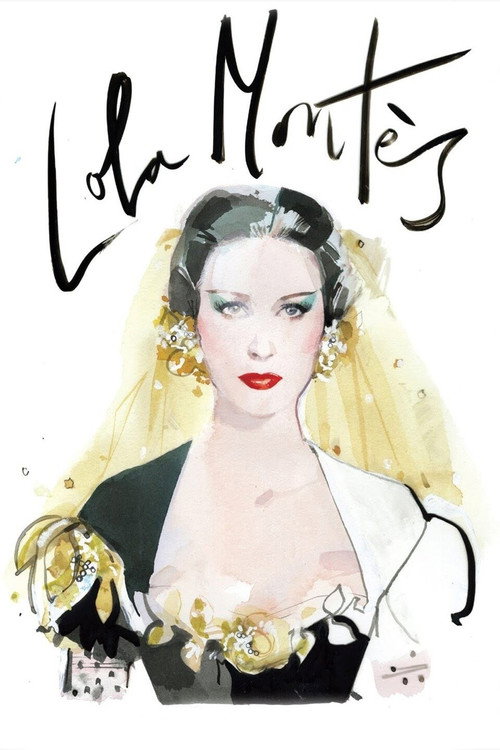
Lola Montès1955
Both films make beauty and seduction the central dramatic force, but where Sternberg filmed it as romantic fatalism, Ophüls asks what it costs the woman herself to be endlessly consumed by male desire.
Max Ophüls' last film: a woman's life told in reverse, each scene a man she seduced and destroyed. Visually experimental with split screens and circular staging—it's like Devil remade by someone obsessed with form itself. It's about being *looked at* as much as about desire. Heartbreaking and strange.
But The fractured structure is genuinely disorienting. Some sequences feel deliberately alienating rather than moving. It's a film about surfaces, which can feel cold.
More like this (7)
The Red Shoes1948
Powell and Pressburger's masterpiece about a woman pulled between two men who each want to possess her. Like Devil, it's visually intoxicating and clear-eyed about desire as obsession. The ballet sequences are hypnotic.
But It's long, deliberate, and demands patience. The ending divides viewers sharply—some find it profound, others punitive.

Letter from an Unknown Woman1948
Max Ophüls' tragic romance told in flashback. A woman loves a man who barely notices her; Sternberg's Devil inverts this but shares the same understanding of love as beautiful delusion. Utterly heartbreaking.
But It's slow and suffused with melancholy. There's no triumph here, only resignation. Some find that depressing rather than moving.

The Killers1946
Robert Siodmak noir about a woman (Ava Gardner again) who betrays a man, triggering his murder. It has Devil's fatalism—the sense that attractive people are traps and desire leads only to ruin.
But The plot jumps around confusingly. By modern standards, the pacing feels slow, and the femme fatale trope can seem cartoonish.

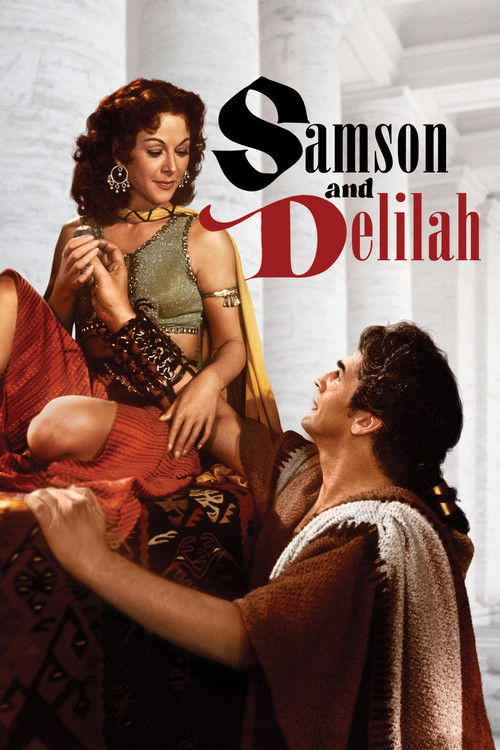
Samson and Delilah1949
DeMille's biblical spectacle with Hedy Lamarr as seductress and Victor Mature as the doomed man. Operatic where Devil is restrained, but both explore how beauty weaponized destroys the powerful. Genuinely entertaining.
But The religious moralizing is heavy-handed. If you dislike DeMille's style—all spectacle, little subtlety—this won't change your mind.
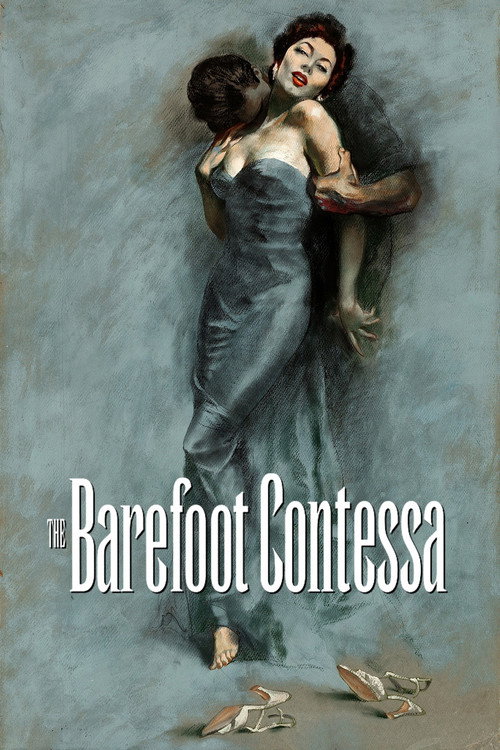
The Barefoot Contessa1954
Ava Gardner as a woman who seduces powerful men and destroys them through her mere existence. Cynical Hollywood drama with that same theme: beauty as curse for everyone it touches. Snappy dialogue too.
But The narrative framing is awkward, and some plot threads feel underdeveloped. It tries to be both trashy and sophisticated, not always successfully.
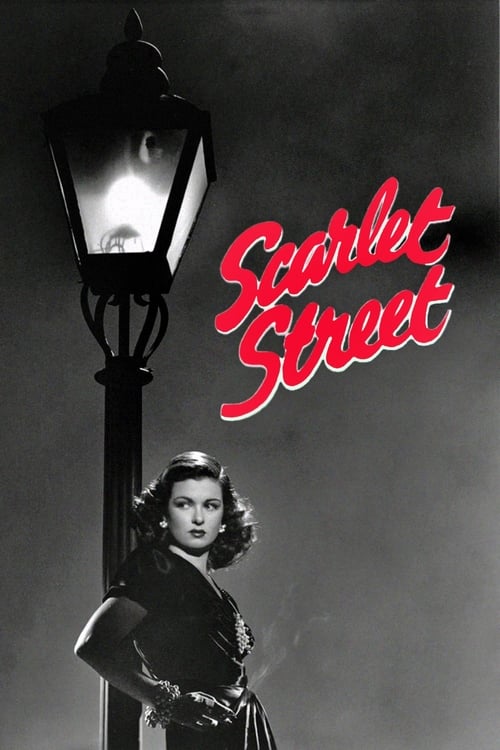
Scarlet Street1945
Fritz Lang's noir where a respectable man is destroyed by a woman's lies and sexuality. Like Devil, it's morally dark and visually striking. Edward G. Robinson is excellent as the self-deluded victim.
But It's bleak without offering much insight. The misogyny is intentional but relentless, and some find that exhausting.
Tokyo Story1953
Both films use romance and relationships as a lens for human delusion—we see what we want in people rather than who they are. But Devil locates blame in the seductress; Ozu locates it in all of us.
Ozu's meditation on how people fail each other—how love and need create distance. Where Devil shows seduction as the problem, Tokyo Story shows the problem is deeper: we cannot truly connect. Devastatingly quiet. Black and white, composed like paintings.
But It moves at its own pace, which is glacial. Nothing *happens*. If you need plot momentum, this will feel like watching paint dry.

People
Cast
 Marlene DietrichConcha Perez
 Lionel AtwillCapt. Don Pasqual 'Pasqualito' Costelar
 Edward Everett HortonGov. Don Paquito 'Paquitito'
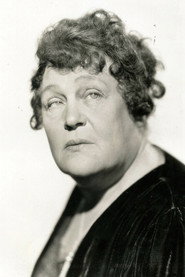 Alison SkipworthSenora Perez
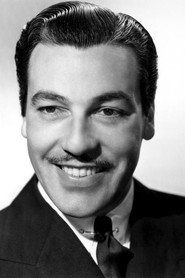 Cesar RomeroAntonio Galvan
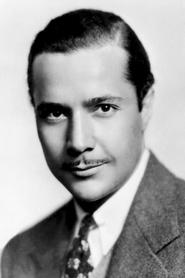 Don AlvaradoMorenito
 Tempe PigottTuerta (as Tempe Piggott)
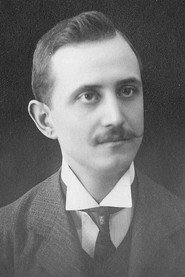 Francisco MorenoAlphonso (as Paco Moreno)
 Max BarwynPablo (uncredited)
 John GeorgeStreet Beggar (uncredited)
- Eumenio BlancoMinor Role (uncredited)
 Eddie BordenReveler with Balloon (uncredited)
Directing
- Sam WinstonContinuity
- Josef von SternbergDirector
Writing
- John Dos PassosAdaptation
- Pierre LouÿsNovel
- David HertzWriter
- Oran ScheeWriter
Production
- Emanuel CohenExecutive Producer
- Josef von SternbergProducer