
Film
On Our Merry Way
- Comedy
- Light-hearted
A 1948 comedy omnibus where a mild-mannered newspaper writer asks strangers whether a child changed their life, collecting absurd and touching answers. It's breezy, episodic, uneven—held together by charm and a terrific cast including James Stewart and Dorothy Lamour. For fans of old Hollywood's loosest, most improvisational comedy moments.
Should you watch it?
Watch it if you enjoy small-town vignettes stitched together by a mild man's escalating nerve, with deadpan banter and the easy warmth of 1940s screwball romance.
Skip it if you need a tight throughline, since the episodes wander, the jokes stay gentle rather than sharp, and at 107 minutes the chatter can drag.
What it asks of you: Settle in for a little over an hour and three-quarters of loosely linked sketches, played at an easy, conversational speed with few stakes beyond the next exchange.
Not sure? Find tonight's pick in a minute.
If you liked this
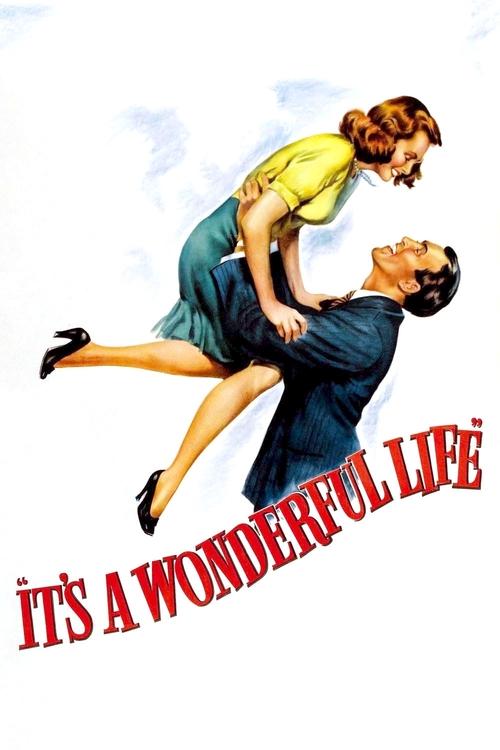
It's a Wonderful Life1946
The same era's most perfect inquiry into how small lives matter: how one person's existence ripples outward in ways they never see. Stewart here is searching for proof that ordinary matters. Both films ask the same question from different angles.
But It's heavy and sentimental where Merry Way is light. If you want that film's optimism without the emotional weight, this will test your patience.
Singin' in the Rain1952
A musical about show business built from a series of loosely-connected episodes and sketches, held together by charm and excellent performers riffing. Same DNA: episodic, playful, letting the cast lead rather than plot.
But It's tighter and more famous, so watching an earlier, messier version first might feel like going backwards. And the dancing will spoil you for less kinetic comedy.

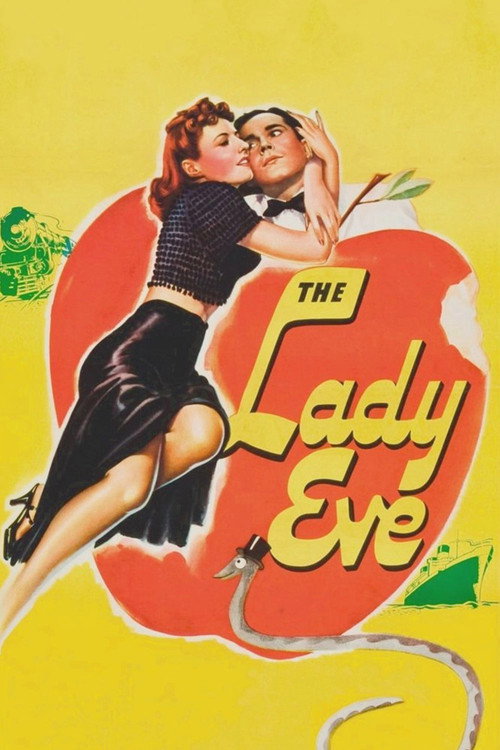
The Lady Eve1941
Preston Sturges at peak form: a con-artist romance that delights in character and dialogue over plot logic. It has Merry Way's anarchic energy and its faith that good people say clever things.
But The pacing is fast enough that you're either with it or lost. It doesn't explain itself. Some find that exhilarating; others find it exhausting.
Not sure tonight? Get a pick in a minute, starting from On Our Merry Way
The wildcard
Something you would not have found on your own.
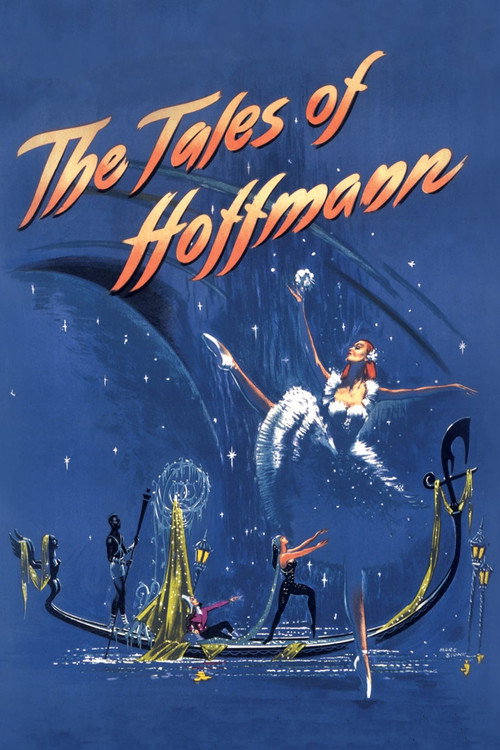
The Tales of Hoffmann1951
Both are omnibus structures held together by a protagonist's emotional quest rather than causal plot. Both ask: what do we learn from brief encounters with strangers? The method is utterly different—opera vs. comedy—but the shape is identical.
Powell and Pressburger's operatic fantasia about a poet meeting three women across three tales. Like Merry Way, it's a series of episodic encounters with strangers that reveal character and ask what love means. But here, music and color and surrealism are the language instead of dialogue.
But It's visually overwhelming and narratively abstract. It requires surrender to mood over plot. If Merry Way felt already scattered, this will feel like watching dreams.
More like this (8)
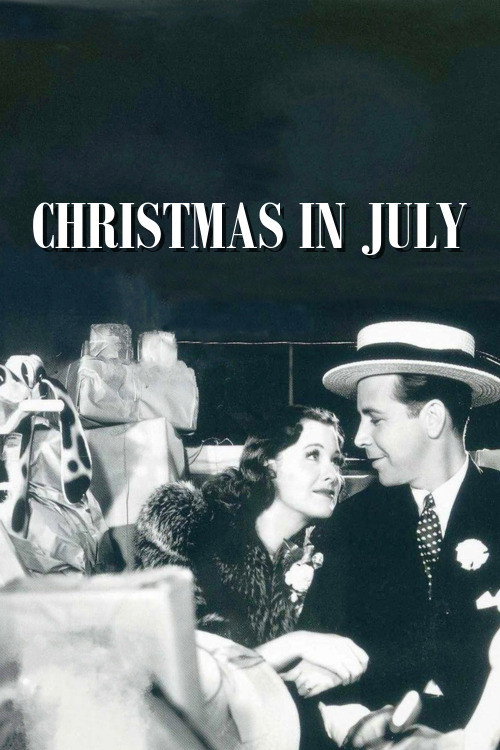
Christmas in July1940
Another Sturges ensemble comedy where ordinary people get a magical permission to act as if something false is true. Captures that same 1940s lightness and belief in small goodness.
But The plot is thin and the miracles are unearned. If you want narrative momentum, don't come here.
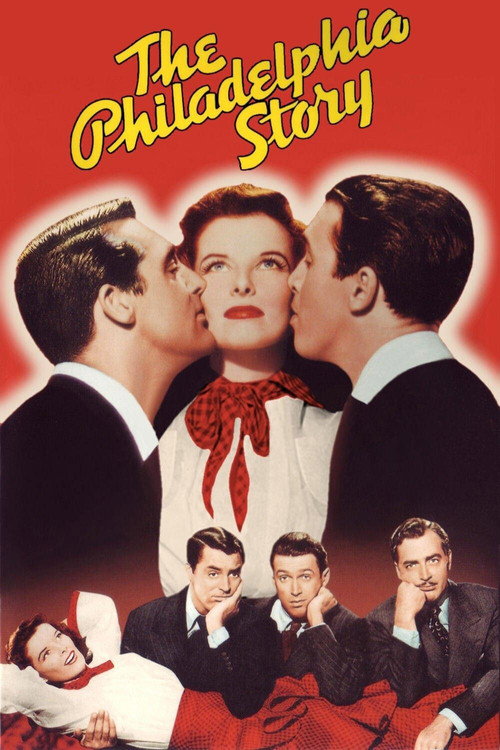
The Philadelphia Story1940
Stewart again, alongside Cary Grant and Katharine Hepburn, in a comedy that trusts its cast to inhabit characters rather than punch jokes. Warm, romantic, genuinely funny without trying too hard.
But It's urbane and glossy where Merry Way is homespun. It can feel dated in its class assumptions if you let it.
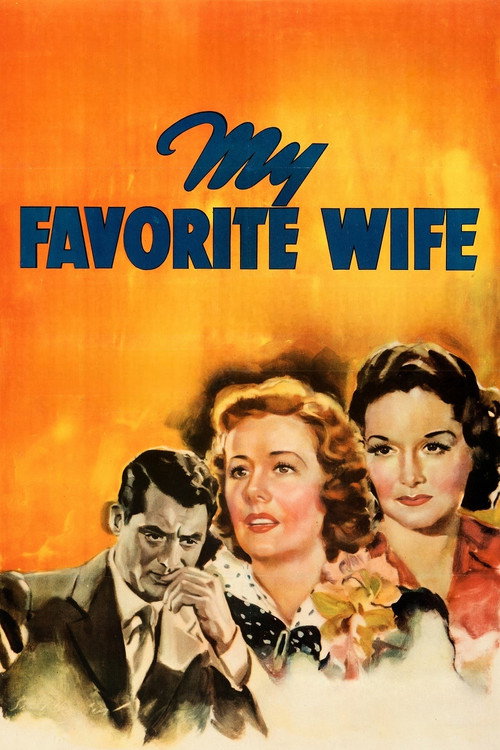
My Favorite Wife1940
Cary Grant and Irene Dunne in a brisk romantic comedy about resurrection and identity. Like Merry Way, it's confident that character and performer charm can carry a thin premise.
But The plot is recycled from silent film. There's nothing here you haven't seen before, just warmer hands doing it.
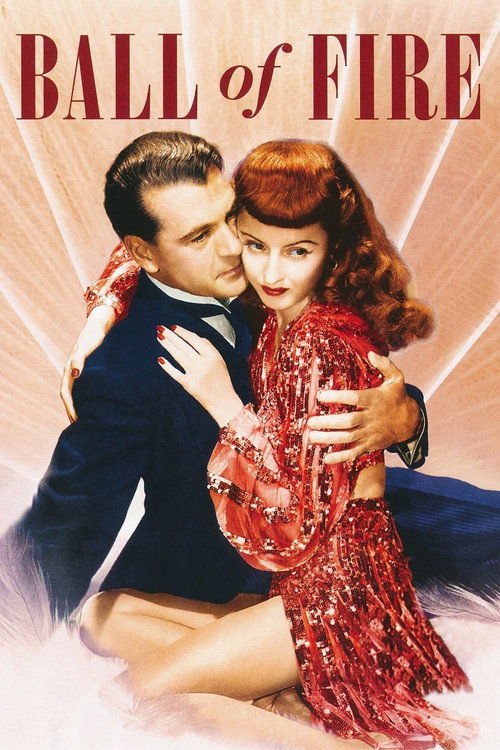
Ball of Fire1941
Gary Cooper as a scholar surrounded by screwball energy in the form of Barbara Stanwyck. It's about knowledge meeting life, intellect meeting instinct. Same warmth toward ordinary intelligence.
But The romance is creepy by modern standards. And the screwball bits jar against the sweeter moments.
Nothing Sacred1937
Carole Lombard and Fredric March in a cynical romp about a reporter and a supposed doomed woman. It's got Merry Way's episodic structure and its willingness to let people be foolish.
But It's darker and meaner. This is cynicism disguised as comedy, which doesn't suit everyone's mood.

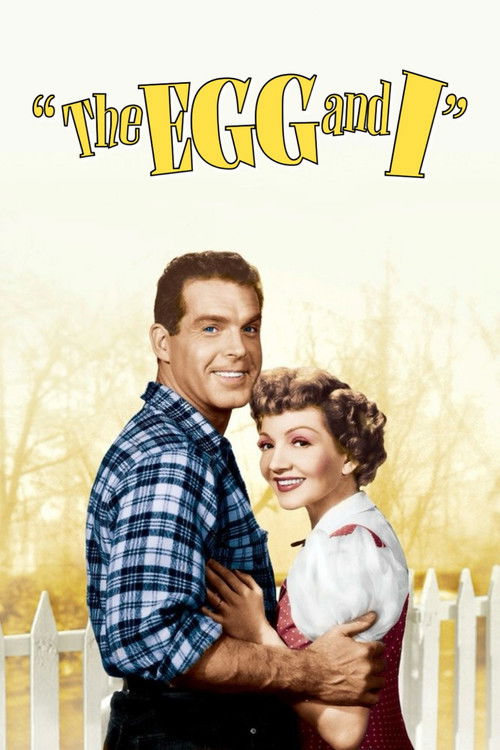
The Egg and I1947
Claudette Colbert and Fred MacMurray in a domestic comedy about settling into rural life. It has Merry Way's earnest belief that ordinary American life contains genuine comedy and warmth.
But It's slow and domestic. If you want plot or energy, you'll feel the seams where this film is just watching people be charming.
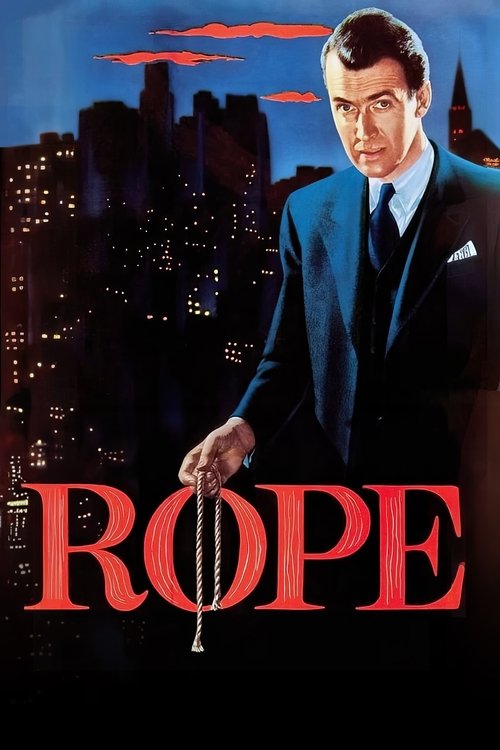
Rope1948
Same year, same Stewart, opposite poles: here he's the moral investigator where in Merry Way he's the earnest seeker. Rope shows you what the actor can do when stripped of charm.
Hitchcock's audacious thriller shot in real time, where almost nothing visible happens—just talk, performance, tension. James Stewart in a completely different register: grave, moral, quietly furious. He's not the bumbler here; he's the conscience.
But It's suffocating and slow by design. The gimmick—the single take—is occasionally more interesting than the story. And Stewart fans wanting warmth will find ice.
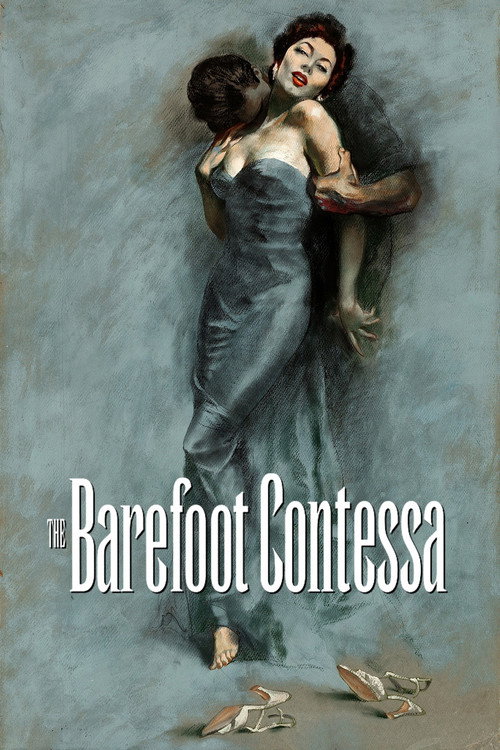
The Barefoot Contessa1954
Both films ask the same structural question—who is this person, really, beneath the role they play?—by assembling voices and perspectives. But Merry Way finds innocence while Contessa finds damage. Same architecture, opposite conclusions about human nature.
Mankiewicz's cynical, gorgeous look at how a woman becomes a star, told through four people's perspectives on her life. It's episodic like Merry Way but far darker: the question isn't 'has a child changed you' but 'who did she hurt on the way up?' Ava Gardner and Humphrey Bogart are magnificent.
But It's a postwar vision of American show business as a machinery of exploitation. There's no warmth here. If you loved Merry Way's faith in people's goodness, this will feel cynical and mean.
People
Cast
 Paulette GoddardMartha Pease
 Burgess MeredithOliver M. Pease
 James StewartSlim
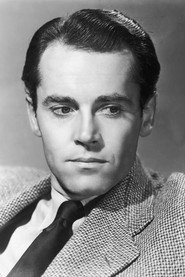 Henry FondaLank Solsky
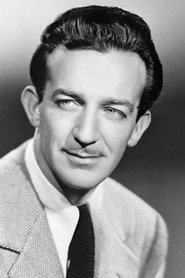 Harry JamesHarry James
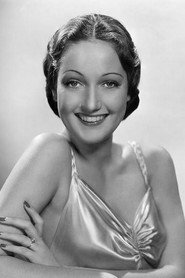 Dorothy LamourGloria Manners
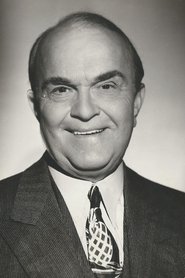 Victor MooreAshton Carrington
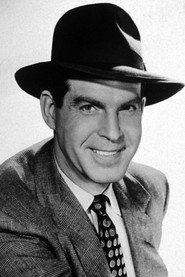
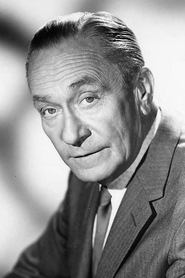 William DemarestFloyd
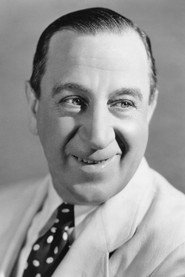 Hugh HerbertEli Hobbs
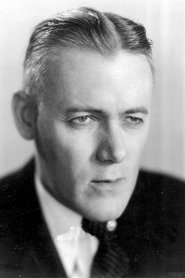 Charles D. BrownMr. Sadd
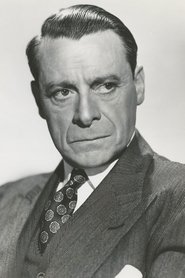 Eduardo CiannelliMaxim
Directing
- King VidorDirector
- Leslie FentonDirector
Writing
- Laurence StallingsScreenplay
- Lou BreslowScreenplay
- Arch ObolerStory
- John O'HaraWriter
Production
- Benedict BogeausProducer
- Burgess MeredithProducer
- Kenneth WaltersProduction Manager