
Film
Christmas in July
- Screwball comedy
- Light-hearted
A scrappy 1940 comedy where an office clerk mistakes a prank telegram for a lottery win, suddenly flush with unearned confidence and cash. Preston Sturges directs with infectious warmth, finding real tenderness beneath the chaos. It's a film about the intoxication of hope and the people who love you enough to let you believe in yourself, even when they're the ones pulling the strings.
Should you watch it?
Watch it if you enjoy small-scale screwball comedy where the jokes come from ordinary office humiliation and a hopeful little man's bad luck, the kind of romance that stays chatty and warm rather than swoony.
Skip it if you need fast, modern gags or a plot that keeps escalating, since this is a slight, talky, stagey piece that rests on its dialogue and a single sustained premise.
What it asks of you: At sixty-seven minutes it moves quickly, rewarding close attention to rapid dialogue more than patience, with its warmth kept light rather than sentimental.
Not sure? Find tonight's pick in a minute.
If you liked this
It Happened One Night1934
The foundational screwball romance that shows how to build comedy from character and conversation rather than gags. Claudette Colbert and Clark Gable have the kind of easy, bantering chemistry that *Christmas in July* reaches for.
But It moves at 1930s pace—leisurely by modern standards, and the romance takes its time unfurling. Some find it dated.

Breakfast at Tiffany's1961
Audrey Hepburn plays a woman reinventing herself through sheer force of personality and hope. It has that same dreamy quality where belief in your own story almost makes it true, wrapped in style and genuine feeling.
But The Henry Mancini score overshadows everything if you're not in the mood for wistfulness. Some scenes cringe badly now.

Singin' in the Rain1952
Pure joy in motion—Gene Kelly and Donald O'Connor embody the kind of infectious optimism and physical comedy that Sturges loved. Both films believe that charm and persistence can solve almost anything.
But It's a musical, so if singing and dancing feel like obstacles rather than features, you'll resent the runtime.

Not sure tonight? Get a pick in a minute, starting from Christmas in July
The wildcard
Something you would not have found on your own.
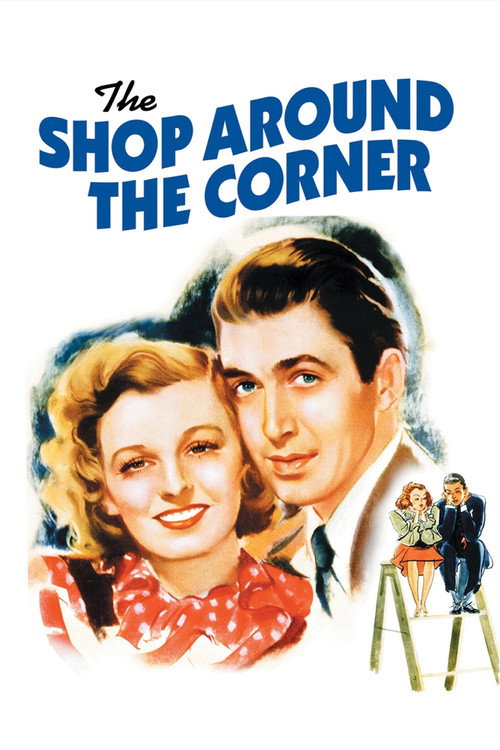
The Shop Around the Corner1940
Both are 1940 films about office workers betting their hearts on winning (a contest, a person), both hinge on mistaken identity and the kind person's mercy, and both find real love in the space between hope and self-delusion.
Made the same year, also set in an office, also about loneliness and the hope that someone out there might love you. James Stewart and Margaret Sullavan fall for each other through anonymous letters, never meeting face-to-face until the end. It's *Christmas in July*'s sadder, more tender sibling—same era, same desperation to believe in something better.
But There's no joke keeping you moving. It's patient and quiet, and if you came for comedy, the melancholy will feel like it's stopping the film.
More like this (8)
Sullivan's Travels1941
Another Preston Sturges film, and the one that proves he was a genuine master. A Hollywood director slumming as a vagrant; it's funny, wise, and has that same gentle heart. Go here next if *Christmas in July* enchants you.
But The tonal shift in the second half is deliberate and earned, but it catches some viewers off guard. Not all comedy throughout.

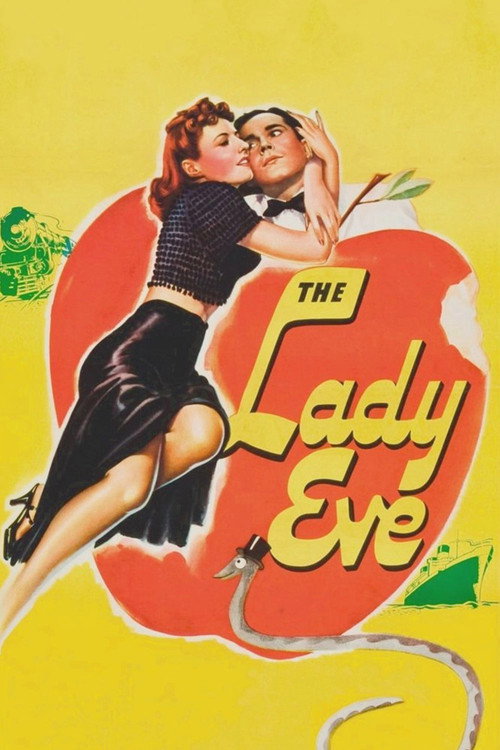
The Lady Eve1941
Barbara Stanwyck and Henry Fonda in a con-artist romance that moves at a clip. Sturges again—he understood that the best love stories are built on deception that somehow reveals truth.
But The class dynamics feel dated, and the female lead's punishment for her scheming is darker than modern audiences expect from a rom-com.
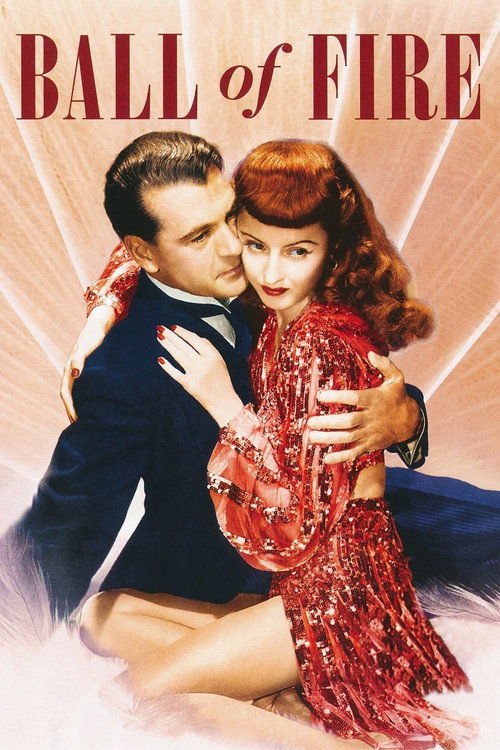
Ball of Fire1941
Gary Cooper and Barbara Stanwyck again, this time in a screwball where a sheltered academic falls for a nightclub singer. It's got that same earnest-underneath-the-chaos tone, with real affection between the leads.
But The pacing drags in the middle, and the plot requires you to accept some pretty flimsy character decisions.
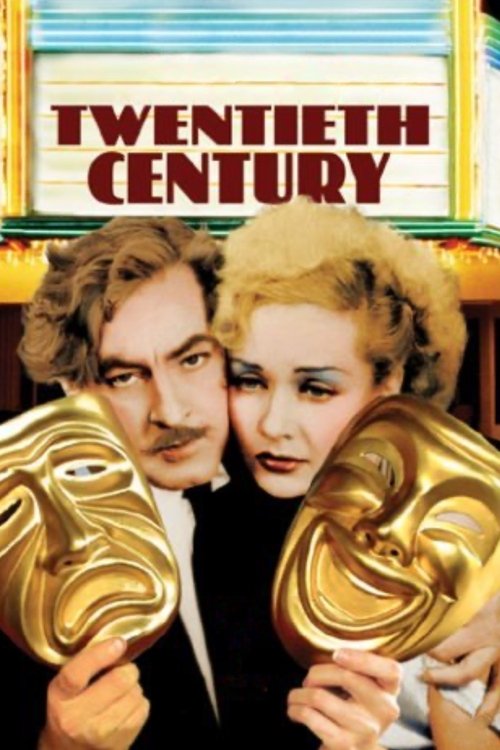
Twentieth Century1934
John Barrymore and Carole Lombard on a cross-country train, scheming and scheming harder. It's all theater and confidence and people who believe their own mythology—a template for everything Sturges would do.
But Barrymore chews scenery to splinters. If theatrical hamminess reads as annoying rather than charming, this won't work.
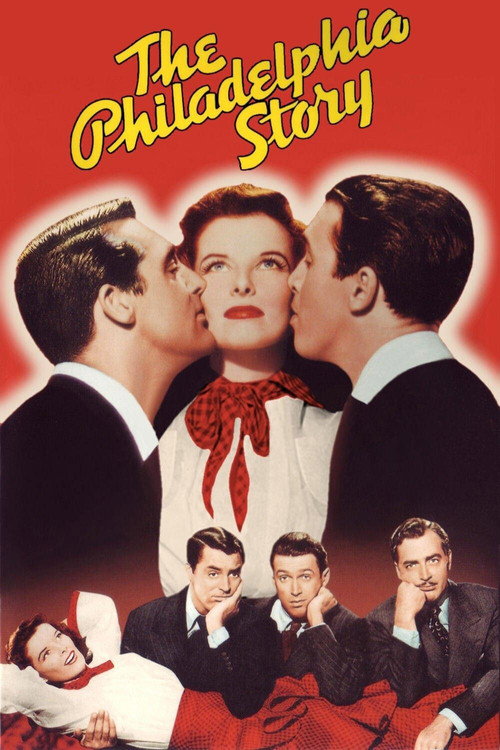
The Philadelphia Story1940
Cary Grant, Katharine Hepburn, and Jimmy Stewart untangle romantic delusions in a world where everyone's playing a part. Made the same year as *Christmas in July*, it shares that sense of people reinventing themselves for love.
But Hepburn's character is hard to root for until the final act. The film's on her side, but it takes patience.
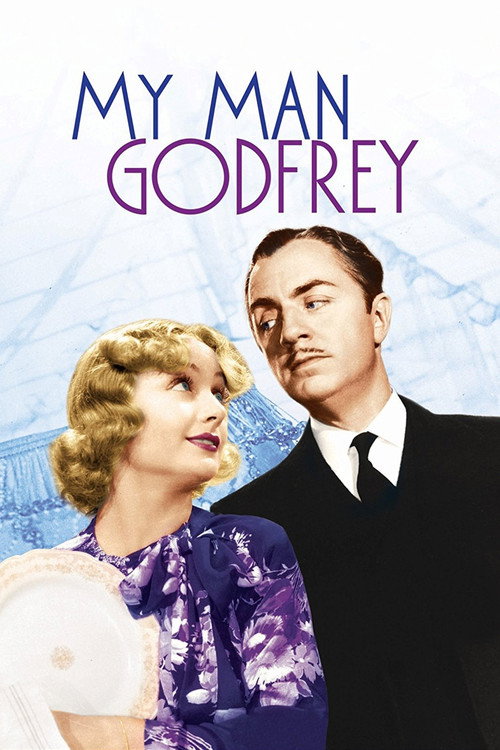
My Man Godfrey1936
William Powell as a vagrant mistaken for a butler; Carole Lombard as the wealthy woman who hires him. A screwball where the joke is class and mistaken identity, building toward genuine feeling underneath the mayhem.
But The Depression-era charity plot hasn't aged well, and the ending relies on you caring about a character who hasn't earned it.
Umberto D.1952
Both films are about ordinary people whose lives pivot on a single piece of paper (a telegram, an eviction notice). Both ask whether hope is a mercy or a cruelty, and both were made by directors who understood that comedy and tragedy are the same story told in different lights.
An elderly retired bureaucrat and his dog face homelessness in postwar Rome. Vittorio De Sica strips away all comedy and exposes the dream of security and dignity as something that can be snatched away arbitrarily. Where *Christmas in July* says 'believe in luck,' this says 'luck is the only thing standing between you and ruin.'
But It is achingly sad. There are almost no jokes, no romance, no redemption. If you're watching for the warmth of Sturges' touch, this will devastate you.

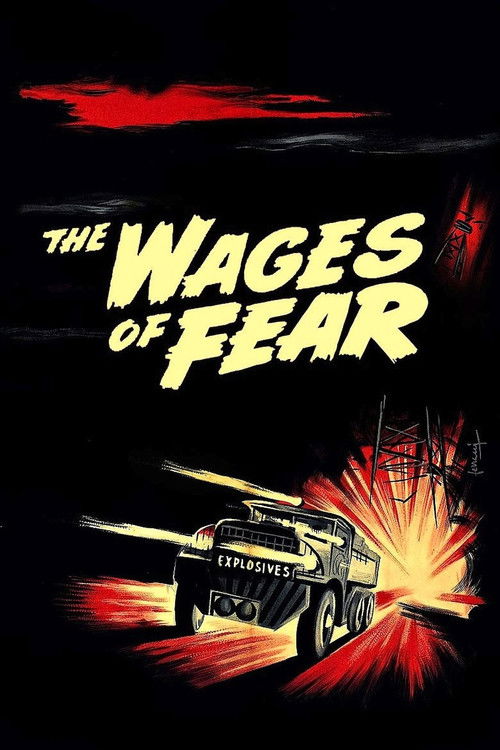
The Wages of Fear1953
Both center on men whose entire life hinges on winning—or at least on the fever dream of winning. The same psychological economy, the same addiction to possibility, but where Sturges finds grace in delusion, Clouzot finds oblivion. Both understand that desperation and hope are twins.
Four men driving trucks full of nitroglycerin through a South American jungle. Henri-Georges Clouzot's masterpiece of suspense and desperation, where men who have nothing to lose take impossible gambles. It's not a comedy, but it's about the exact same thing: the intoxication of believing you might beat impossible odds.
But It's tense and brutal, the opposite of charming. The nihilism is French and complete. If you wanted warmth and comedy, you will not find it here.
People
Cast
 Dick PowellJimmy MacDonald
 Ellen DrewBetty Casey
 Raymond WalburnDr. Maxford
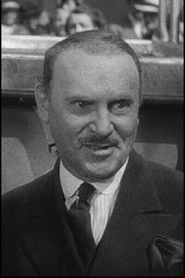 Alexander CarrMr. Shindel
 William DemarestMr. Bildocker
 Ernest TruexMr. Baxter
 Franklin PangbornDon Hartman - Radio Announcer
 Rod CameronDick

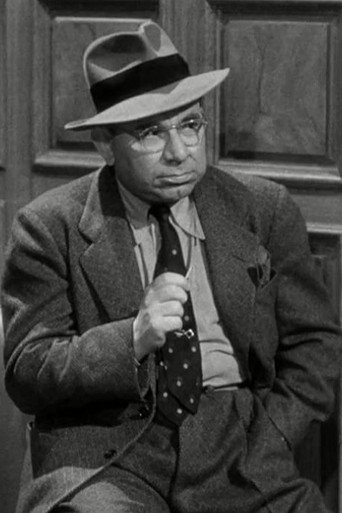 Harry RosenthalHarry
 Georgia CaineMrs. MacDonald
 Ferike BorosMrs. Schwartz
Directing
- Barton AdamsAssistant Director
- George TempletonAssistant Director
- Preston SturgesDirector
- Cora PalmatierScript Supervisor
Writing
- Preston SturgesTheatre Play
- Preston SturgesWriter
Production
- William LeBaronExecutive Producer
- Buddy G. DeSylvaProducer
- Paul JonesProducer