
Film
The Actress
A gentle 1953 comedy-drama about Ruth Gordon's determined climb toward theatrical stardom. Spencer Tracy plays her skeptical father; Jean Simmons is Ruth herself. It's a film about the sometimes absurd cost of ambition, told with warmth and a light touch. For anyone who loves character-driven stories about artists finding their voice.
Should you watch it?
Watch it if you enjoy backstage stories about ambition, where a marriage bends around a career, told with warm, wry humor rather than melodrama.
Skip it if you expect a lively, fast showbiz comedy; this is a quieter, more modest film with a gentle pace that can feel slight.
What it asks of you: Ninety minutes, unhurried, with its laughs arriving in small doses; you settle in rather than being carried along by plot momentum.
Not sure? Find tonight's pick in a minute.
If you liked this
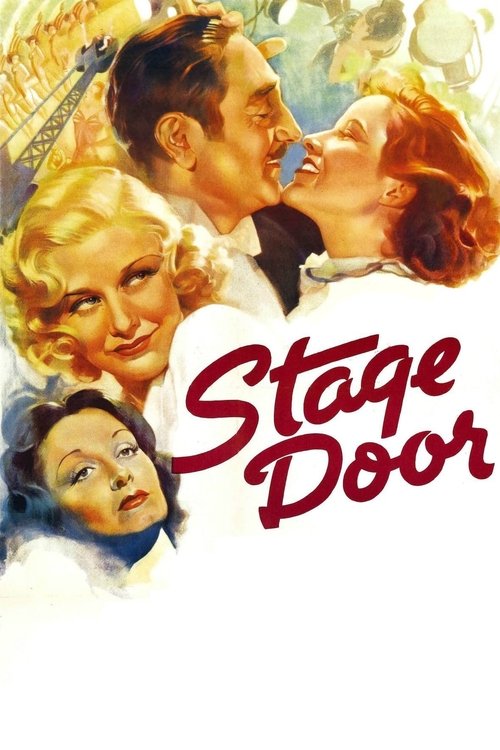
Stage Door1937
A perfect predecessor: struggling actresses in a boarding house, mixing comedy with genuine stakes. Katharine Hepburn and Ginger Rogers navigate ambition, friendship, and the ruthlessness of the stage. It has the same affectionate-but-unsentimental eye on theatrical life.
But The pacing is theatrical in the old sense—lots of overlapping dialogue and rapid-fire scenes that can feel stagey rather than cinematic if you're not in the mood.
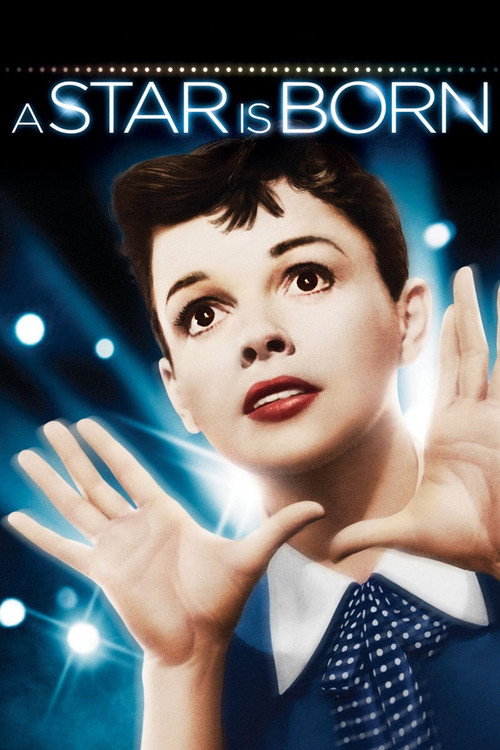
A Star Is Born1954
Released the year after, this is the dark mirror: a story about climbing show business, but one where the ascent extracts a genuine cost. Judy Garland's performance is extraordinary, and the film doesn't look away from pain the way The Actress gently does.
But It's two hours fifty minutes and emotionally exhausting. The tone is melodramatic where The Actress is comic. Not a comfortable watch.
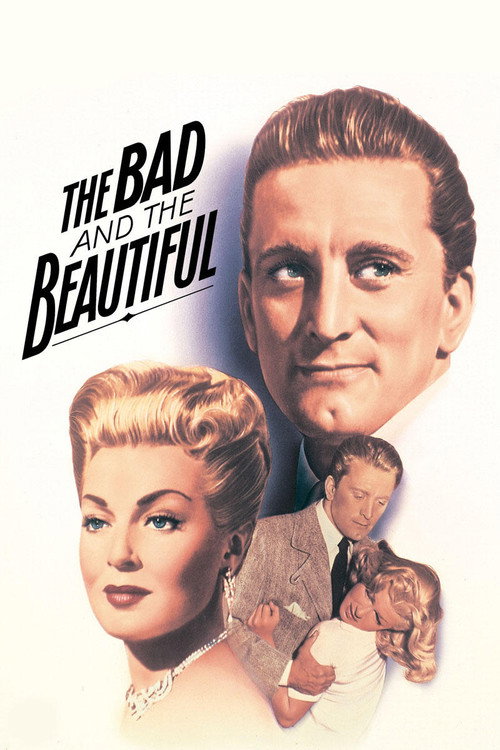
The Bad and the Beautiful1952
Also about ambition in the entertainment industry, but from the perspective of those burned by it. Kirk Douglas is magnetic as a ruthless producer. It has The Actress's intelligence about how art and ego collide, but with a harder edge.
But It's cynical in a way that might feel alienating if you prefer The Actress's fundamental kindness toward its characters.
Not sure tonight? Get a pick in a minute, starting from The Actress
The wildcard
Something you would not have found on your own.
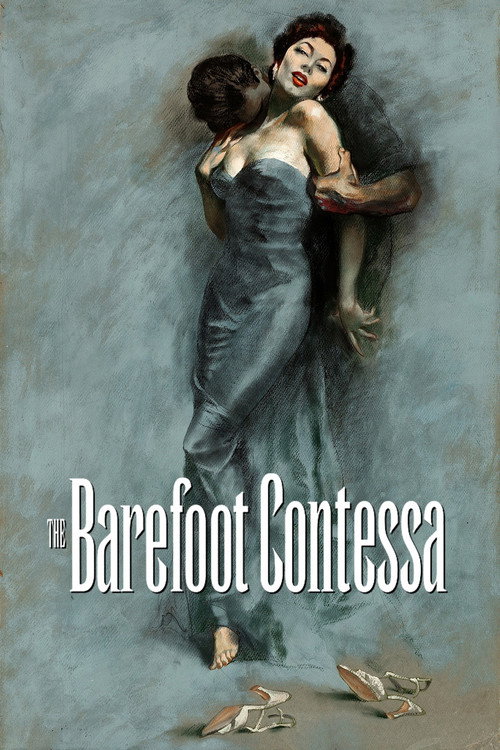
The Barefoot Contessa1954
Both are about a woman's journey into performance, but this one asks what ambition costs you—especially if you're a woman—and offers no comfort in return.
A woman's rise to stardom told backwards, through the men who shaped her career. Ava Gardner is extraordinary; the film is smart about fame, desire, and the distance between public image and private person. It has The Actress's intelligence but in a much darker key.
But It's cynical about human nature in ways that can feel bleak, and some sexual politics haven't aged well. Also nearly two hours forty minutes.
More like this (8)
Singin' in the Rain1952
Another 1950s backstage musical about theater people adapting to a new medium. Lighter in tone than The Actress, but genuinely smart about performance, ambition, and the gap between public image and private person.
But It's a musical, and a very polished one—if you want something grittier or more grounded, this might feel too much like a confection.

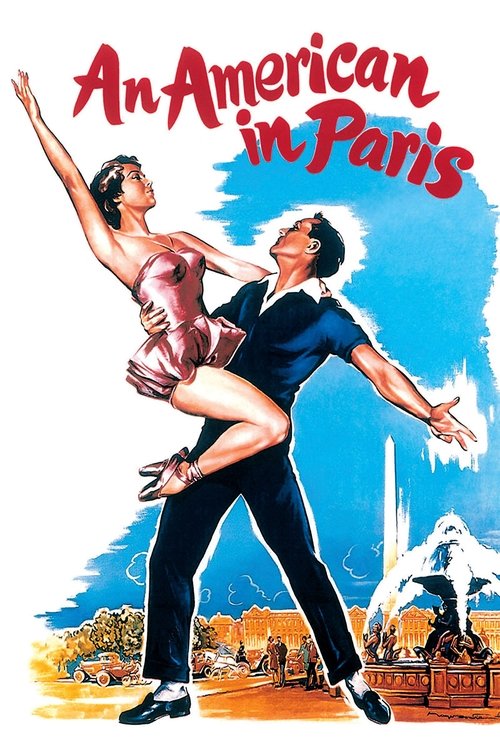
An American in Paris1951
A character-driven musical about an artist trying to make it in a new place. Gene Kelly's painter has real doubts and real stakes. The film takes his struggles seriously while remaining joyful about art itself.
But The final twenty-minute ballet sequence is indulgent and separable from the story. Some find it a masterpiece; others find it bloated.
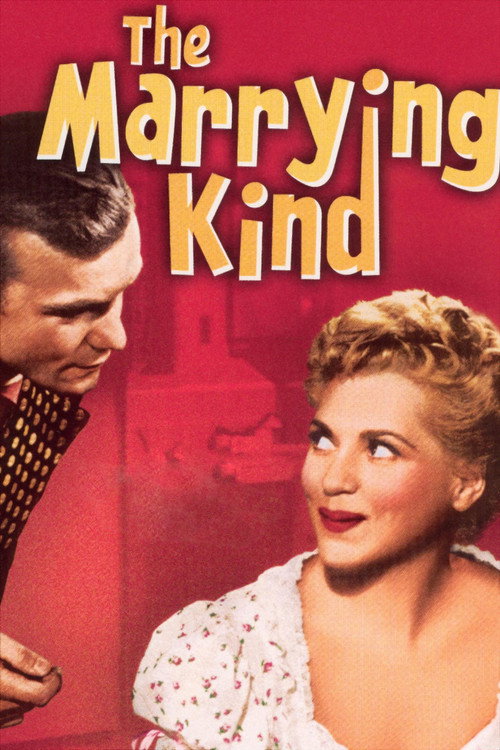
The Marrying Kind1952
Spencer Tracy and Katharine Hepburn again, this time looking back on a marriage from the vantage point of divorce. It's tender, funny, and unsentimental about relationships—much like The Actress in temperament and how it treats its characters.
But It's quiet and intimate in a way that demands patience. There's no plot engine driving you forward; it's mood and character all the way.
It Happened One Night1934
A road movie about a reporter and a runaway heiress learning each other's true selves. It has the same warmth toward its characters that The Actress does, plus genuine comedy that doesn't undercut the emotional core.
But It's from 1934, so the pacing and some jokes require adjustment. The romance can feel inevitable rather than earned.

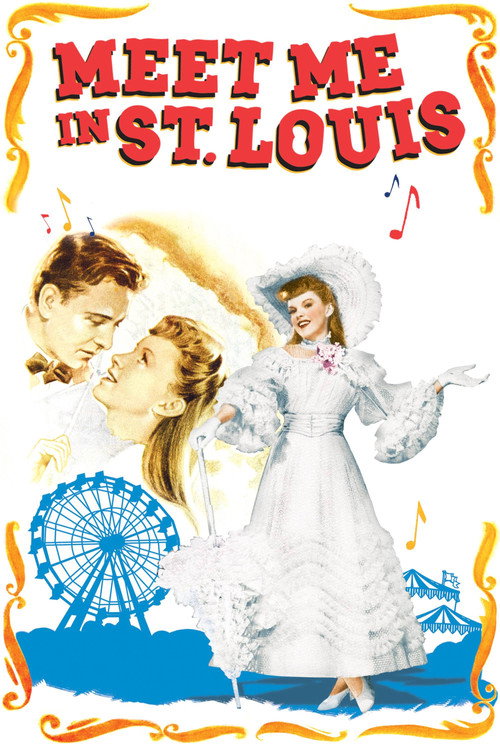
Meet Me in St. Louis1944
Judy Garland in a character-driven story about a family and a girl's coming-of-age. Vincente Minnelli's direction is tender and observant. It's small-scale, domestic, and deeply felt—much like The Actress in how it finds significance in ordinary life.
But It's slow by modern standards and very much a product of its era's sentimentality. The fantasy elements may feel saccharine.
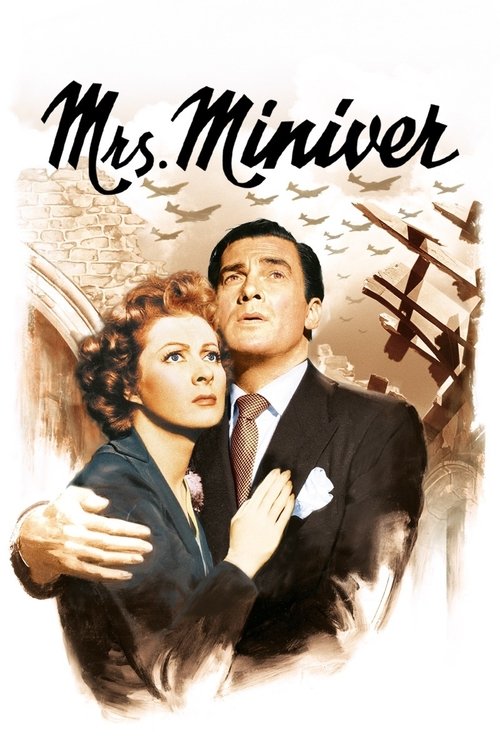
Mrs. Miniver1942
A film about ordinary life becoming extraordinary during wartime. Greer Garson is luminous; the writing treats domestic life with real respect. It shares The Actress's belief that personal ambition and family feeling can coexist.
But It's deeply of its moment—wartime propaganda at heart—and some of that dated politics can be uncomfortable now.
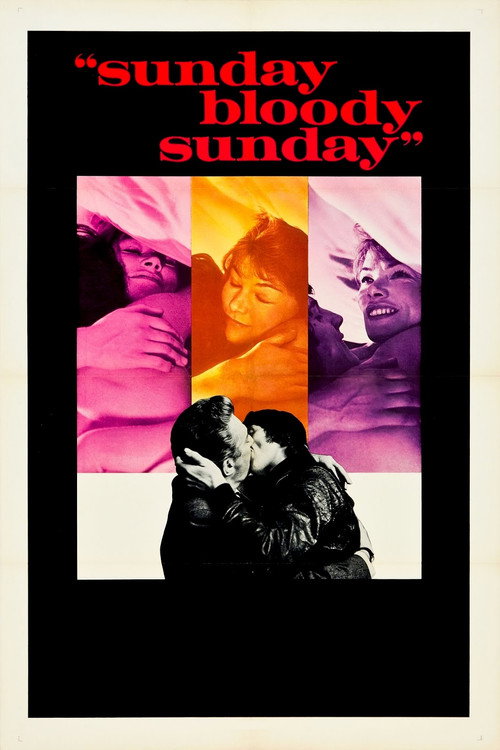
Sunday Bloody Sunday1971
Both explore what happens when you choose art over safety, but this one is for the version of Ruth Gordon who didn't get her happy ending—the woman asking whether it was worth it.
A film about feeling divided between love and ambition, between art and life. Glenda Jackson and Peter Finch navigate impossible emotional geometry with no resolution. It's wise, modern, and genuinely moving without sentimentality.
But It's about infidelity and homosexuality in ways that may feel explicit compared to The Actress. The ending is deliberately unresolved, which frustrates some viewers.
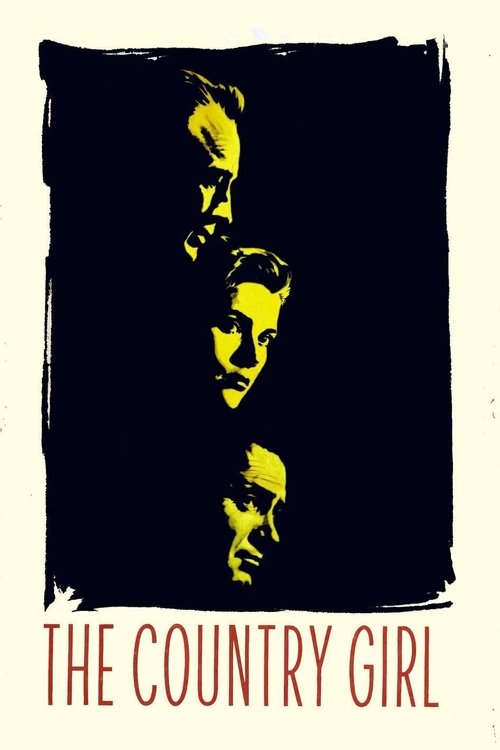
The Country Girl1954
The flip side of The Actress: a woman whose ambition is to support another's dream, and what she loses in doing so. Same era, same register, opposite question.
Grace Kelly as the wife of a failed theatrical director, trying to save his career while preserving her own dignity. It's about loyalty and ambition and how they war with each other. Remarkably modern in its psychology; deeply moving without ever becoming sentimental.
But It's intimate and dialogue-heavy, which can feel static. Also, the gender politics—while interesting for 1954—privilege the man's career over the woman's survival.
People
Cast
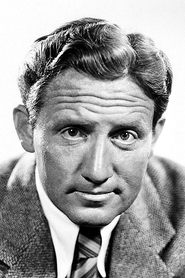 Spencer TracyClinton Jones
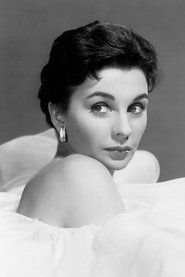 Jean SimmonsRuth Gordon Jones
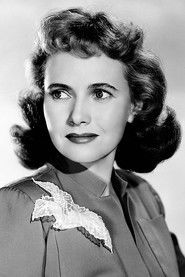 Teresa WrightAnnie Jones
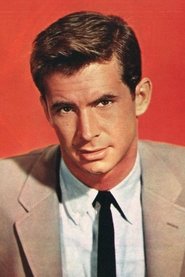 Anthony PerkinsFred Whitmarsh
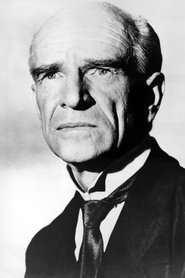 Ian WolfeMr. Bagley
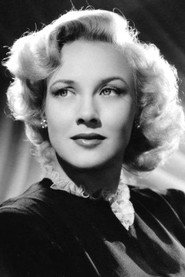 Kay WilliamsHazel Dawn
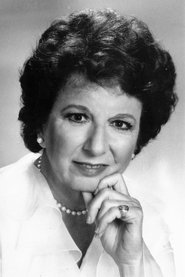 Mary WickesEmma Glavey
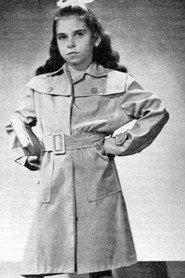
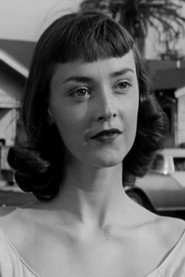 Dawn BenderKatherine
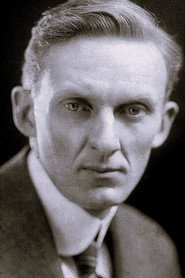 Erville AldersonMike McGrath (uncredited)
 Jackie CooganInopportune (uncredited)