
Film
The Turning Point
A 1977 drama about two former ballet rivals—one who abandoned dance for family, one who became a star—forced to reckon with their choices when the first's daughter joins the second's company. It's a mature, unflinching look at ambition, sacrifice, and female friendship, anchored by Bancroft and MacLaine's genuine chemistry. For anyone who's wondered what they gave up.
Should you watch it?
Watch it if you love close-quarters drama where two women talk around old rivalries, and you don't mind a glossy, melodramatic surface hiding real bitterness underneath.
Skip it if you came for the dancing alone, since the stage scenes serve a talky, sometimes stagey melodrama about middle-aged regret.
What it asks of you: Nearly two hours of mostly talk-heavy scenes, with long pauses and sharp, wordy exchanges in rooms where feelings simmer rather than erupt.
Not sure? Find tonight's pick in a minute.
If you liked this
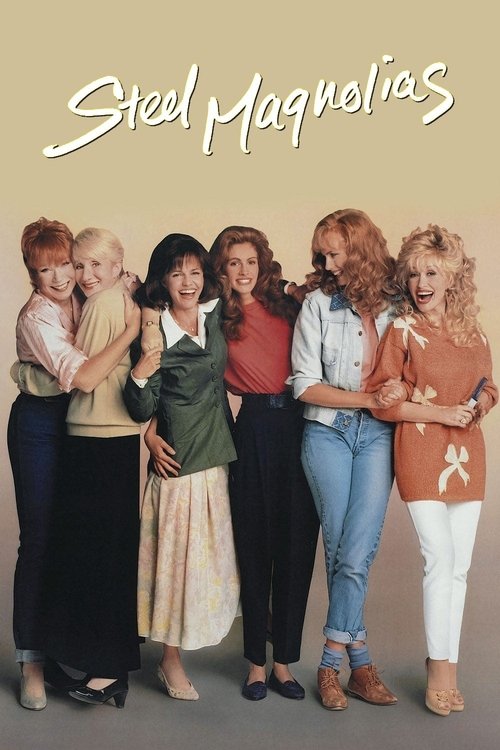
Steel Magnolias1989
A ensemble drama about women's lives, choices, and the bonds between them, told with humour and surprising depth. Like *The Turning Point*, it takes female relationships seriously and doesn't condescend to its characters' emotions.
But It's sentimental in places, and the tonal shifts between comedy and tragedy won't work for everyone. Some find it overstuffed.
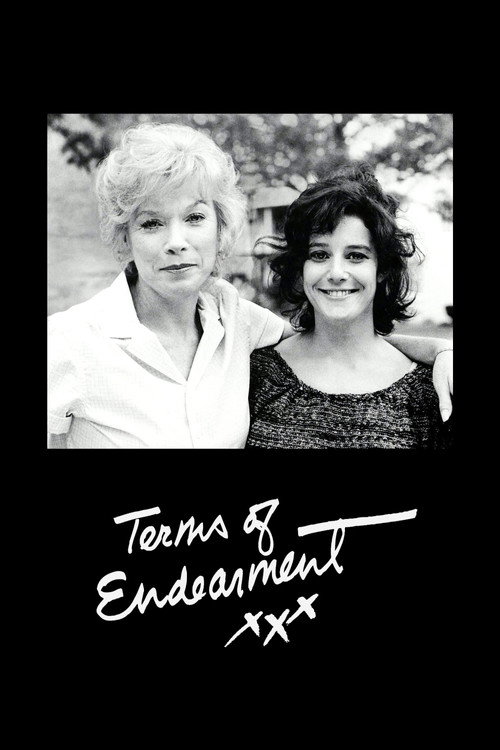
Terms of Endearment1983
Spans decades in the lives of a mother and daughter, exploring how women navigate love, ambition, and regret. Shirley MacLaine is here too, and the film has that same unflinching look at the costs of the choices women make.
But It's emotionally heavy in stretches, and the romantic subplots feel dated. The pacing can feel slow if you're not invested in the characters.
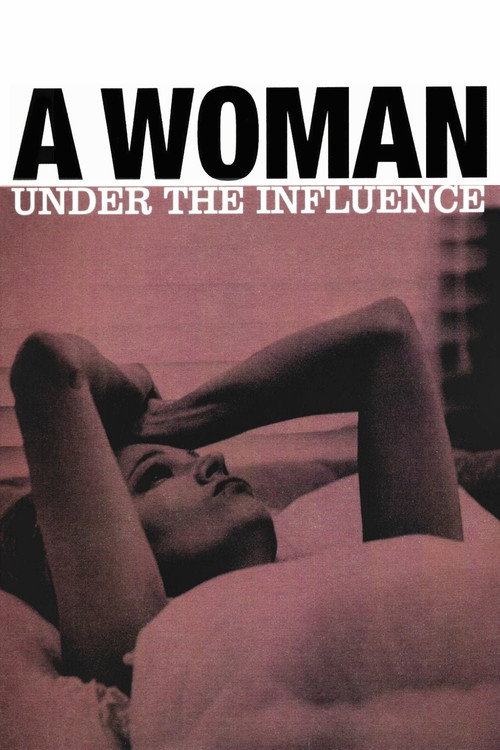
A Woman Under the Influence1974
Cassavetes' raw portrait of a marriage and a woman's interior life, performed with devastating honesty by Gena Rowlands. It shares *The Turning Point's* refusal to make female pain decorative or easy to watch.
But It's deliberately unglamorous and sometimes difficult. Long scenes of domestic tension will feel unbearably slow if you're after narrative momentum.
Not sure tonight? Get a pick in a minute, starting from The Turning Point
The wildcard
Something you would not have found on your own.
The Red Shoes1948
Both films centre women choosing between personal love and artistic ambition, and both use dance as the language of that conflict. *The Red Shoes* is the spiritual ancestor *The Turning Point* deliberately invokes.
Powell and Pressburger's supreme film about a young dancer caught between love and art, with ballet sequences that have never been equalled. It *is* the primal text about what dance demands and what it costs.
But The romantic resolution feels constrained by its era's morality. Some find the melodrama overwrought, and the final act decision troubling.

More like this (7)
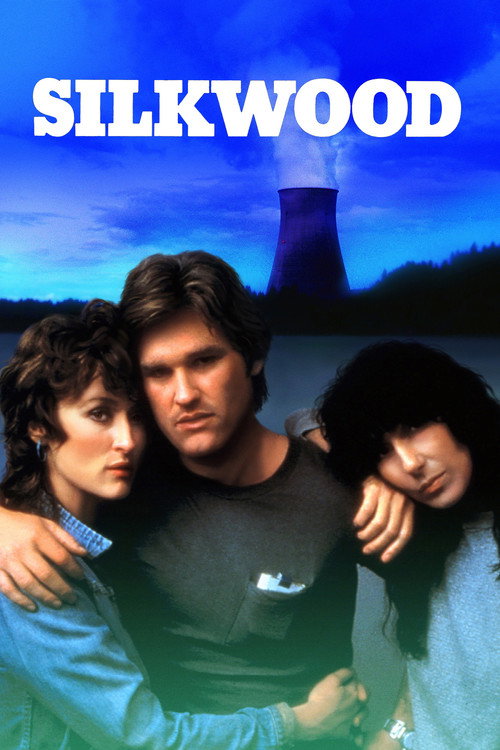
Silkwood1983
Meryl Streep and Cher in a true story about a woman's conscience versus her life. Like *The Turning Point*, it's about the collision between who you are and what the world expects of you, with mature performances and real stakes.
But The third act thriller mechanics feel tacked on. Some find the balance between character study and plot awkward.
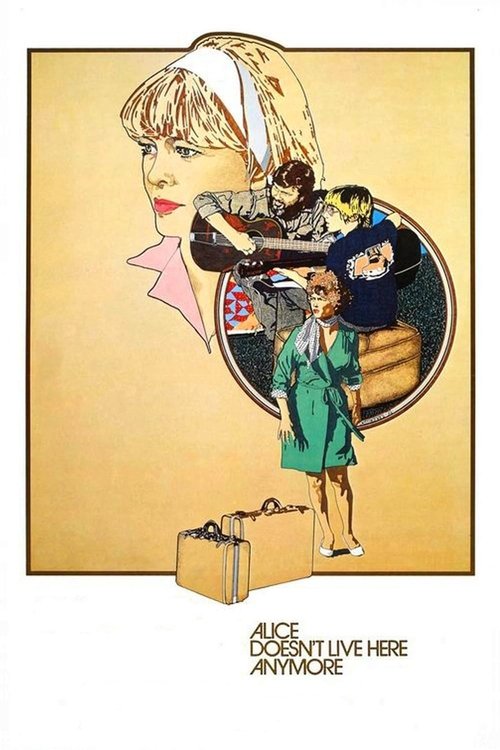
Alice Doesn't Live Here Anymore1974
Ellen Burstyn as a widow learning to live for herself after years of sacrifice. It captures that same reckoning with roads not taken, with warmth and occasional dark humour.
But It's uneven in tone and some scenes drag. The romance subplot undercuts its own message about female independence.
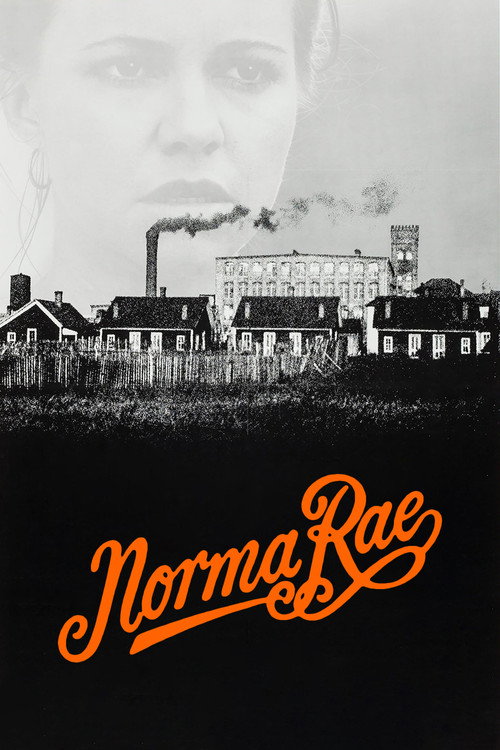
Norma Rae1979
Sally Field as a woman discovering agency and ambition late in life. Set against a labour struggle, it has *The Turning Point's* interest in what women sacrifice and what they demand for themselves.
But It can feel like a sermon. Some of the romance and the politics feel calculated rather than felt.
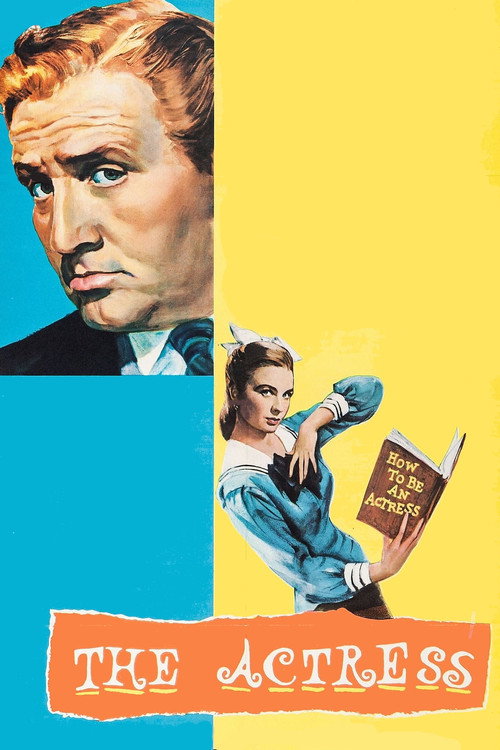
The Actress1953
Spencer Tracy and Jean Simmons in a drama about a young woman choosing between marriage and her dream of performing. It's the inverse story—what if she'd chosen the stage?—and it's genuinely moving.
But It's a product of its era in ways that feel dated now. The ending will strike some as retrograde.
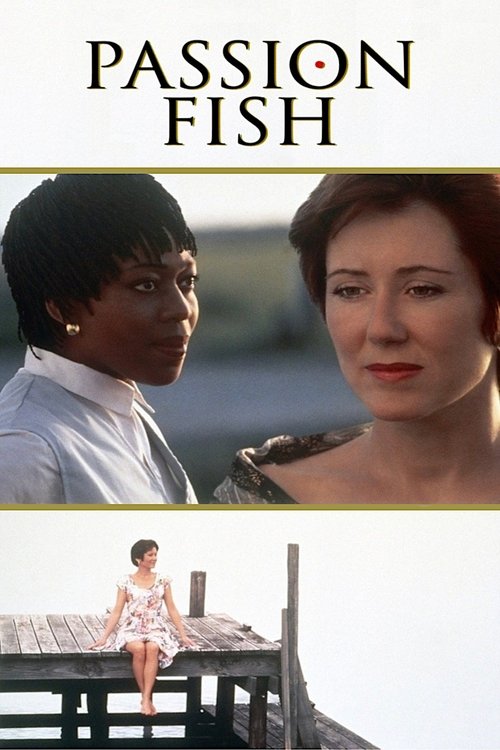
Passion Fish1992
Two women, a former soap actress and her caregiver, rebuild their lives together. John Sayles writes female characters with real interiority, and the film earns its emotional moments without sentimentality.
But The pace is deliberate and not everyone will connect with the characters' rhythms. Some find it meandering.
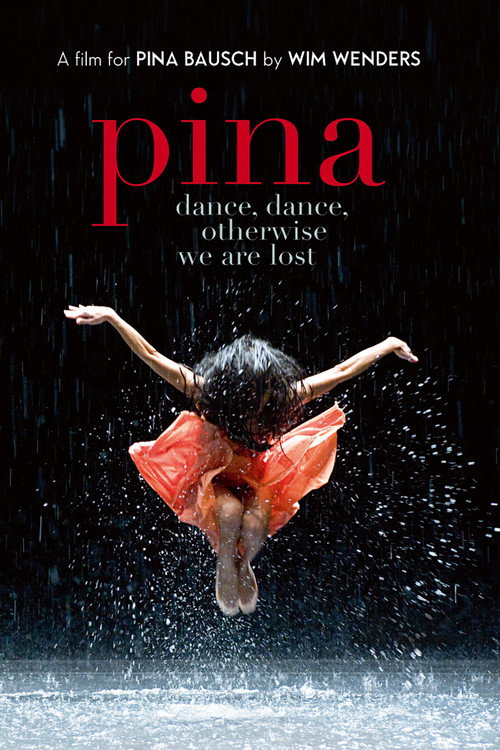
Pina2011
Where *The Turning Point* dramatizes the life a dancer gives up, *Pina* is about what dance itself is—the thing that demands everything. Together they frame the question completely.
Wim Wenders' documentary essay on Pina Bausch and her dancers, shot in 3D, is a visual poem about bodies, creation, and what dance can express that words cannot. It moves without plot, pure movement and presence.
But It's abstract and requires patience. If you want narrative or explanation, this will frustrate you. The 3D may be unwatchable depending on your setup.
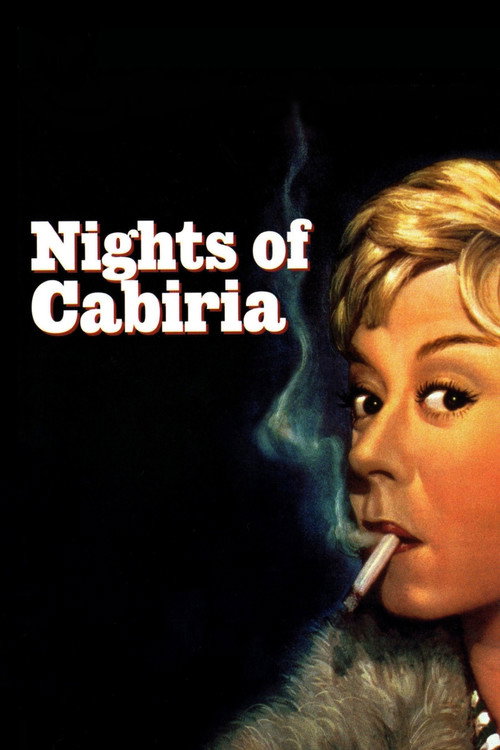
Nights of Cabiria1957
Both are about women in their thirties reclaiming their lives and reckoning with the gap between who they are and who they imagined being. *Cabiria* is in a different register—tragedy instead of drama—but the emotional archaeology is identical.
Fellini and Giulietta Masina create a portrait of a woman who keeps hoping, keeps reinventing herself, keeps searching despite everything. It's about resilience and the stubborn refusal to become what others expect.
But It's deeply melancholic and offers no reassurance. The episodic structure can feel repetitive, and the ending is uncompromising.
People
Cast
 Anne BancroftEmma
 Shirley MacLaineDeedee
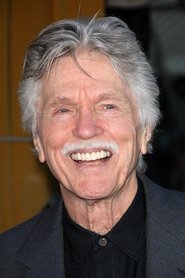 Tom SkerrittWayne

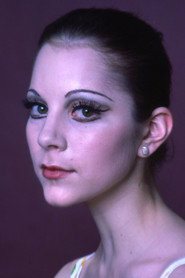 Leslie BrowneEmilia
 Martha ScottAdelaide
- Antoinette SibleySevilla
- Starr DaniasCarolyn
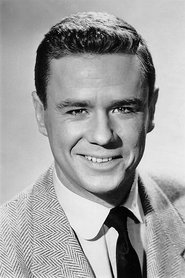 Marshall ThompsonCarter
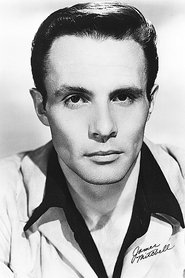 James MitchellMichael
- Daniel LevinsArnold
- Scott DouglasFreddie
Directing
- Julia TuckerContinuity
- Herbert RossDirector
- Jack RoeFirst Assistant Director
- Peter BurrellSecond Assistant Director
- Tony BishopSecond Assistant Director
Writing
- Arthur LaurentsWriter
Production
- Roger M. RothsteinAssociate Producer
- David GrahamCasting
- Juliet TaylorCasting
- Nora KayeExecutive Producer
- Arthur LaurentsProducer
- Herbert RossProducer
- Roger M. RothsteinProduction Manager
Recommended by
The Red Shoes, The Tales of Hoffmann, Stage Door, Ballerina, Staying Alive, Abby's Ultimate Dance Competition, Dance with Me, The Company, You Light Up My Life, The Competition, Mao’s Last Dancer, Rich and Famous