
Film
The Company
Robert Altman's 2003 ensemble piece weaves together the lives of Chicago ballet dancers with the rhythms of Tchaikovsky and contemporary music. It's a film about ambition, artistry, and the grinding discipline behind grace—less interested in plot than in capturing the texture of a world where beauty and pain coexist. For people who want to watch dancers dance and don't need much else.
Should you watch it?
Watch it if you love behind-the-scenes looks at ballet's daily grind, where rehearsal rooms, costume fittings and quiet rivalries matter more than plot machinery.
Skip it if you want a story with strong narrative drive, since this one drifts through its dancers' routines and small moments rather than building toward a clear dramatic climax.
What it asks of you: It settles in for a relaxed two hours and rewards patience, moving at the unhurried pace of company life and asking you to watch closely rather than follow a tight storyline.
Not sure? Find tonight's pick in a minute.
If you liked this
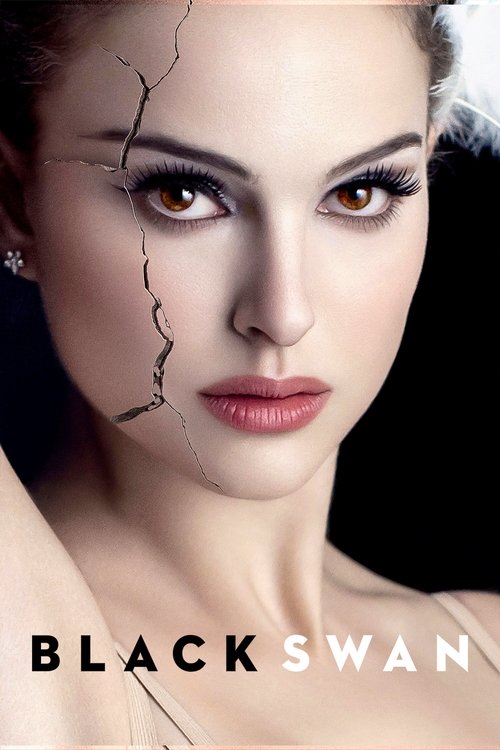
Black Swan2010
A psychological thriller about a ballet dancer's descent into obsession and madness. Darren Aronofsky creates unbearable tension from the same world of perfectionism and bodily control that fascinates Altman, but cranked to eleven.
But It's aggressively dark and visceral in ways The Company never is. If you want atmosphere over dread, this will feel like watching someone squeeze all the poetry out and replace it with screaming.
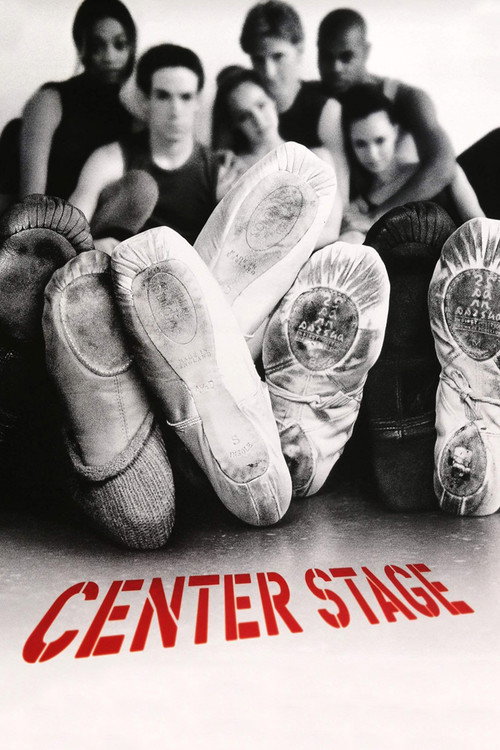
Center Stage2000
A genuinely fun film about young dancers at a prestigious academy, shot with real affection for the form. It has plot, it has romance, it has stakes—everything The Company deliberately avoids. Great if you want the dance world but actually want to care who wins.
But It's much more conventional and earnest. The sophistication and ambiguity you might appreciate in Altman will feel absent here; this is a feel-good sports movie in toe shoes.
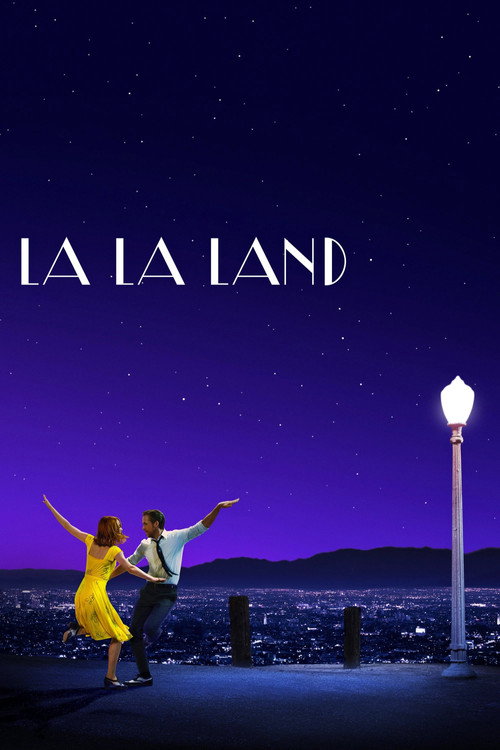
La La Land2016
A film that treats music and dance as the emotional language of the story rather than decoration. Damien Chazelle creates moments of pure transcendence alongside the grinding reality of artistic ambition in a city that doesn't care about you.
But It's much glossier and more sentimental than The Company's cool distance. Some find it cloying; others think the ambition outweighs the execution. It also has a conventional plot, which defeats Altman's whole point.
Not sure tonight? Get a pick in a minute, starting from The Company
The wildcard
Something you would not have found on your own.
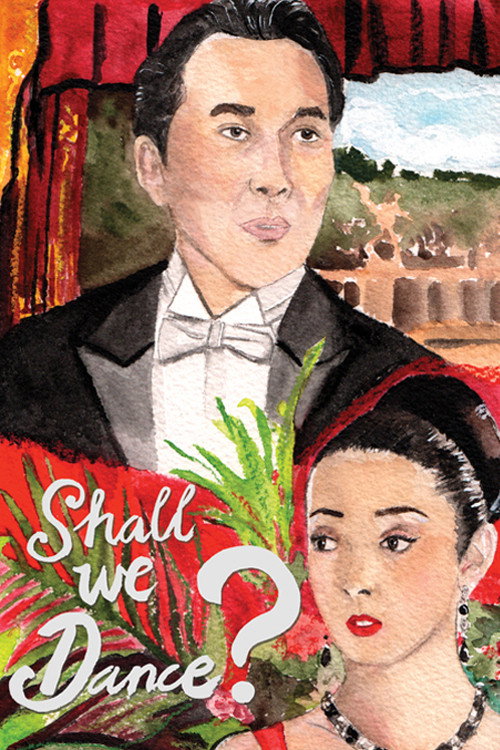
Shall We Dance?1996
Both films treat dance not as spectacle but as the truest expression of who someone is when everything else falls away. The movement reveals the person, not the other way around.
A Japanese film where an older man secretly takes ballroom dancing lessons, revealing his inner life through movement. Like The Company, it understands that dance is how some people speak when words fail. But here, the subject is desire and awakening rather than young ambition—entirely different register, same insight.
But It's quiet and interior in ways that can feel slow. If you want technical virtuosity or ensemble drama, you'll find neither. This is about an ordinary man discovering his body as a language, which some will find beautiful and others glacial.
More like this (8)
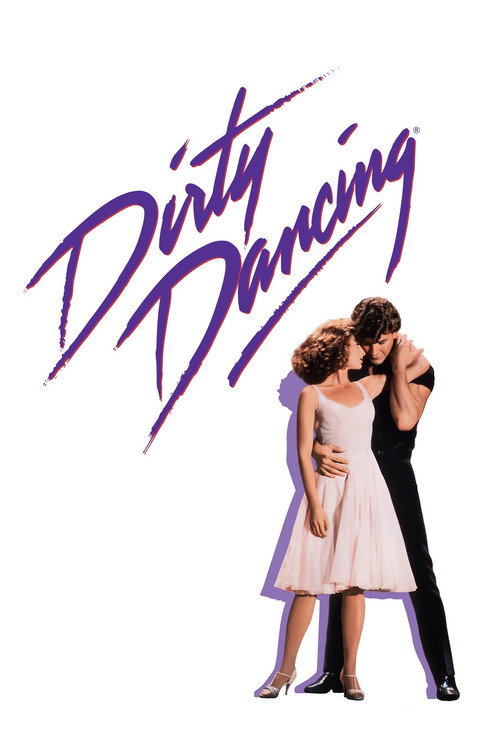
Dirty Dancing1987
The rare film that understands dance as desire and rebellion, not just technical achievement. It's also genuinely joyful in a way many dance films aren't—movement as liberation rather than discipline.
But It's a genre film with a tidy ending and genuine schmaltz. If you love The Company's refusal to make dancing romantic or neat, this will feel like a betrayal of the form.
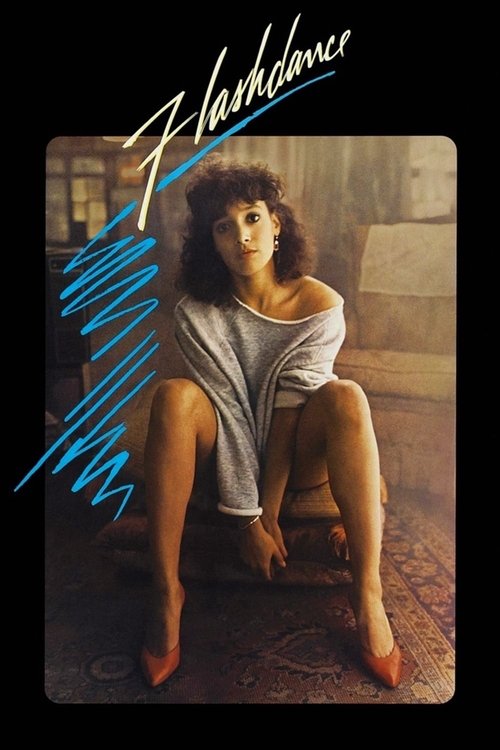
Flashdance1983
An MTV-era fever dream about a welder who wants to be a dancer. It's visually inventive, genuinely weird, and treats dance as spectacle and aspiration in completely different ways than realist drama.
But The plot is thin and the filmmaking is interested in surfaces over substance. It's camp in ways The Company isn't, and some will find that liberating and others wasteful.
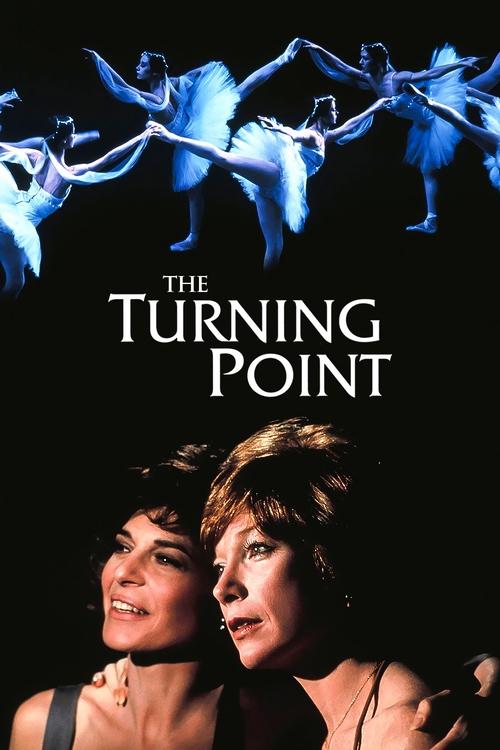
The Turning Point1977
Herbert Ross's film about two dancers—one who stayed in the company, one who left—returning to each other after years apart. It has the ensemble texture of The Company with real dramatic weight and genuine conflict.
But It's a bit melodramatic and firmly of its era. The emotional stakes can feel overwrought if you prefer Altman's detachment.
Singin' in the Rain1952
A masterclass in how dance and music can tell story and character through pure movement. Gene Kelly and Donald O'Connor prove that dancing on film doesn't need a tragedy to justify itself—joy is enough.
But It's a musical from 1952, so if you're looking for contemporary realism or dark substance, this is the opposite direction. Its entire project is enchantment, not interrogation.

Crazy Ex-Girlfriend2015
An ensemble musical comedy where characters use song and dance to reveal inner truths The Company suggests without ever stating. The texture of performance—how we present ourselves—matters more than plot resolution.
But It's a forty-minute TV show that requires patience and familiarity with its rhythms. It's also comedic; if you want The Company's melancholy abstraction, this emotional accessibility will feel grating.

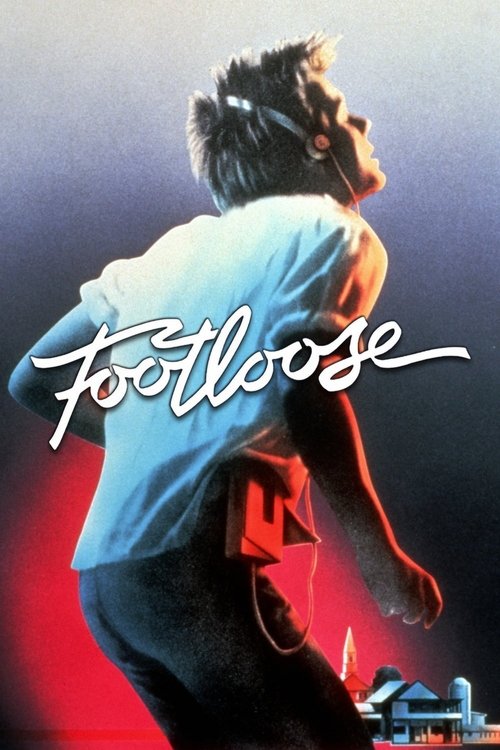
Footloose1984
A film about a town where dancing is banned, and one teenager who dances anyway. It's about movement as resistance and the fact that some people simply need to move or die.
But It's basically a teen wish-fulfillment fantasy with a tidy resolution. If you appreciated The Company's refusal to make dance neat or triumphant, this will feel like everything that film argues against.
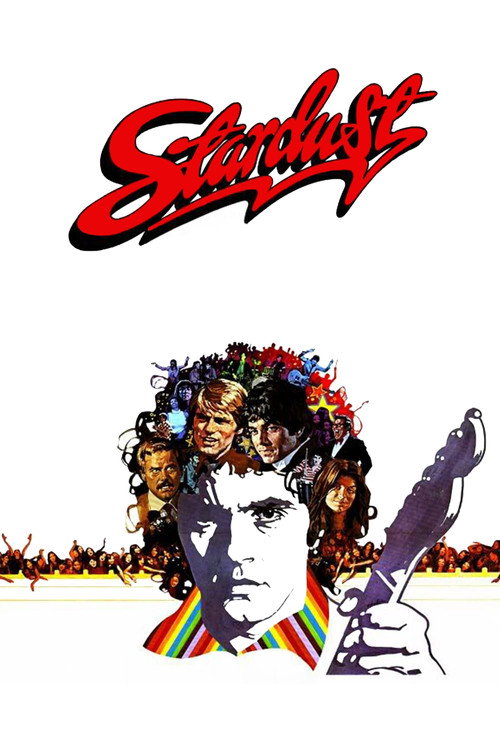
Stardust1974
Both films reject conventional storytelling in favour of capturing the lived texture of creative people working together. Nothing is resolved; everything is captured.
A documentary by Jaques Rivette following a French theatre company preparing a production of Shakespeare's As You Like It—not about dance, but about the exact same ensemble texture as The Company. Watching people rehearse, fail, argue, and gradually create something together, with no narrative motor except the work itself.
But It's a deliberately paced experimental documentary from 1974. There's no plot. If you want entertainment or clear stakes, you'll be bored. It demands the same patience The Company demands, and rewards it in the same way—with texture and presence.
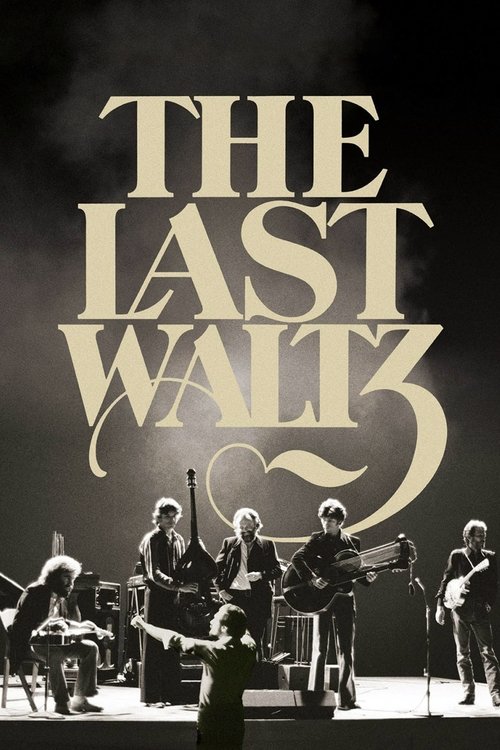
The Last Waltz1978
The Company and The Last Waltz both understand that great ensemble work—whether ballet or rock—contains its own tragedy. Perfect execution is beautiful precisely because it cannot last, and everyone performing knows it.
Martin Scorsese films The Band's final concert, and the result is neither documentary nor concert film but something stranger—a meditation on virtuosity, exhaustion, and the moment when a group of brilliant people decide to stop. Tchaikovsky replaced by rock, but the same melancholy about discipline and transcendence.
But It's episodic and requires patience with live performance. If you need narrative momentum or character arcs, you'll find neither. It's a poem about endings, not a story.
People
Cast
 Neve CampbellLoretta 'Ry' Ryan
 Malcolm McDowellAlberto Antonelli
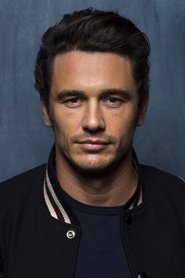 James FrancoJosh
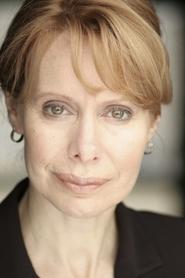 Barbara E. RobertsonHarriet
- William DickEdouard
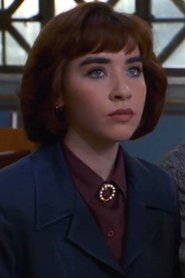 Susie CusackSusie
 Marilyn Dodds FrankMrs. Ryan
- John LordanMr. Ryan
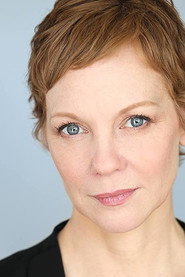 Mariann MayberryStepmother
- Roderick PeeplesStepfather
 Yasen PeyankovJustin's Mentor
- Davis C. RobertsonAlec - Joffrey Dancer
Directing
- Robert AltmanDirector
- James Giovannetti Jr.First Assistant Director
- Richard S. LedererSecond Assistant Director
- Jennifer DeiglSecond Second Assistant Director
Writing
- Barbara TurnerScreenplay
- Barbara TurnerStory
- Neve CampbellStory
Production
- Jocelyn HayesAssociate Producer
- Lowell DubrinskyAssociate Producer
- Jennifer RudnickeCasting
- Mickie PaskalCasting
- Pam DixonCasting
- Dieter MeyerExecutive Producer
- Hannah LeaderExecutive Producer
- Jane BarclayExecutive Producer
- John SlossExecutive Producer
- John WellsExecutive Producer
- Jonas McCordExecutive Producer
- Roland PellegrinoExecutive Producer
- Sharon Harel-CohenExecutive Producer
- Stefan JonasExecutive Producer
- Christine VachonProducer
- David LevyProducer
- Joshua AstrachanProducer
- Neve CampbellProducer
- Pamela KofflerProducer
- Robert AltmanProducer
- Gary BaughProduction Designer
Recommended by
Dracula: Pages from a Virgin's Diary, Bhai, Jeene Do, Sarkar Raj, Salim Langde Pe Mat Ro