
Film
The Left Hand of God
A tough operator poses as a priest at a remote Chinese mission in 1947, caught between a dangerous warlord past, a crumbling nation, and an attraction to the mission nurse that threatens his reinvention. Bogart gives the role a weary, conflicted weight—this is a man trying to become someone better, or at least convincingly fake it. Lean, morally complicated, and genuinely tense.
If you liked this
The Third Man1949
Carol Reed's Vienna-set noir masterpiece: a man discovers his old friend is entangled in black-market corruption. Bogart and Tierney's charged ambiguity about faith and deception finds its spiritual ancestor here.
But The pacing is deliberate, the moral landscape genuinely murky. If you want clear heroes and villains, you'll be frustrated.

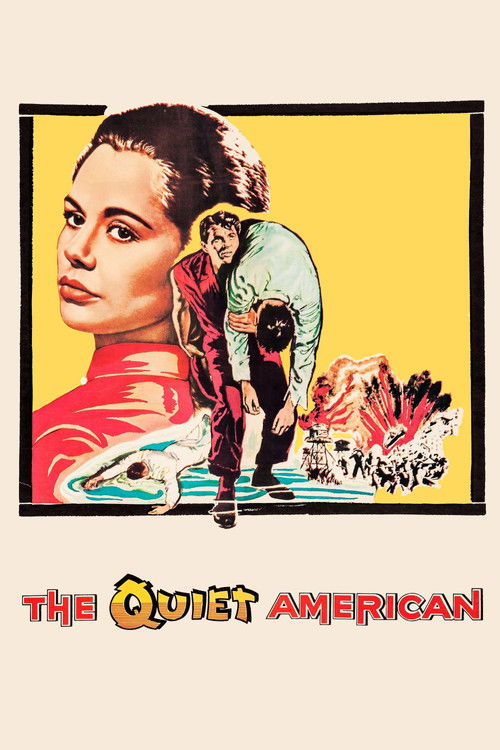
The Quiet American1958
Michael Redgrave in Graham Greene country: an idealistic American abroad collides with cold reality. The same tension between American naïveté and Asian complexity, the same undercurrent of danger disguised as mission work.
But It's more cerebral than thrilling. The political dimensions matter more than the plot mechanics.
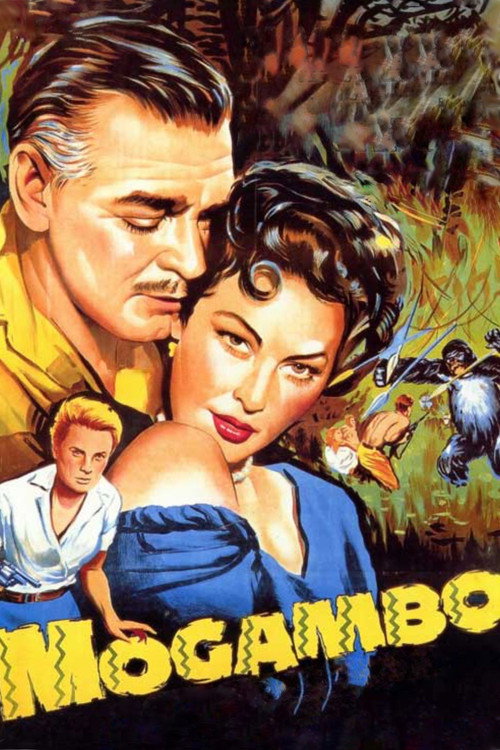
Mogambo1953
Bogart and Ava Gardner in colonial Africa, a love triangle wrapped around dangerous territory and moral compromise. Similar mood of men and women unmoored from their old lives, improvising new identities in foreign places.
But It's more adventure-romance than dark drama. The stakes feel smaller, the psychology lighter.
Not sure tonight? Get a pick in a minute, starting from The Left Hand of God
The wildcard
Something you would not have found on your own.
The Killing1956
Both films are built on a central lie and the psychological pressure it creates. Both understand that the best criminals aren't thieves—they're people convincing others (and themselves) they're something else.
Kubrick's debut: a racket built on lies and compartmentalized trust in 1950s Los Angeles. It's heist noir, but really it's about the fragility of false identities and the men trying to maintain them. The same taut anxiety as Bogart's deception.
But The non-linear structure was radical then; it can still feel disorienting. Sterling Hayden's mumbling and Marie Windsor's cruelty aren't warm presences.

More like this (8)
The Killers1946
Burt Lancaster in Siodmak's brilliant noir: a man with a hidden past tries to outrun it. The same premise of a tough guy trying to escape who he was, the same sense that the past always catches up.
But It's darker and more cynical. If you want ambiguity about redemption, this offers none.

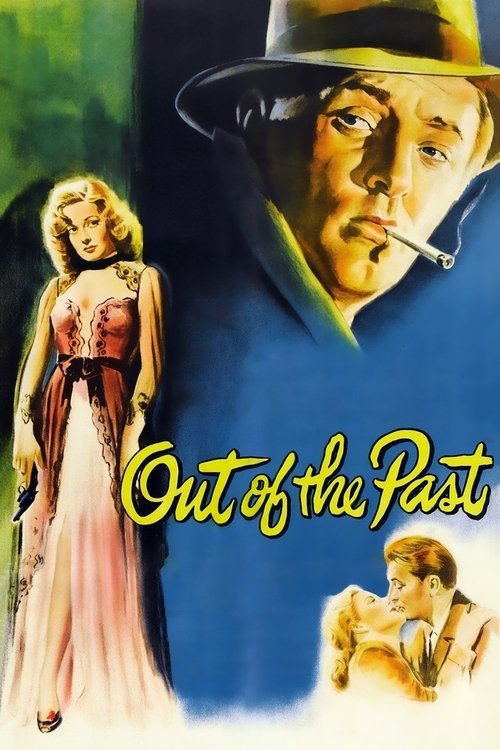
Out of the Past1947
Robert Mitchum can't escape his history: betrayal, femme fatale, impossible choices in a dangerous landscape. The gold standard for 'man with a past pretending otherwise'—a direct ancestor of Jim Carmody's dilemma.
But The plot's complexity demands real attention. It rewards it, but it doesn't make it easy.
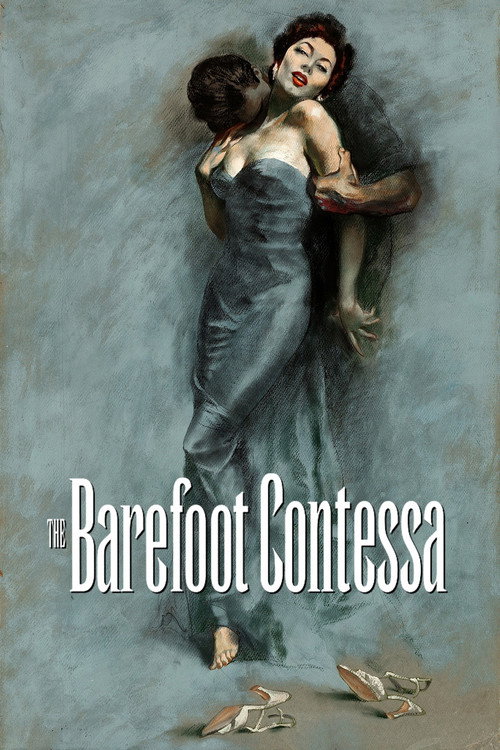
The Barefoot Contessa1954
Bogart himself, playing a fixer in postwar European society. A meditation on reinvention, surfaces versus truth, and whether anyone can truly escape who they were. The intimacy between Bogart and Ava Gardner echoes the mission nurse dynamics.
But It's sprawling and episodic. The story meanders; some find that elegant, others tedious.
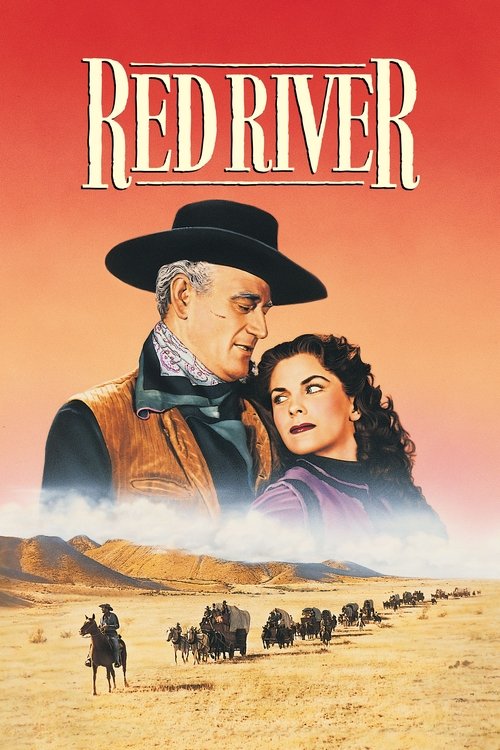
Red River1948
Hawks' western: John Wayne as a man whose past cruelty and pride threaten everything he's built. Bogart's priest-imposter shares the same moral burden—doing necessary harm, wondering if he's become the thing he feared.
But It's a western, and it's long. If the genre doesn't speak to you, the themes won't compensate.
The Asphalt Jungle1950
Huston's heist procedural: men planning something dangerous, each harboring secrets. The same ensemble tension, the same sense that in lawless places, pretense is currency and everyone's hiding something.
But It's methodical to the point of slowness. The thrills are intellectual rather than visceral.

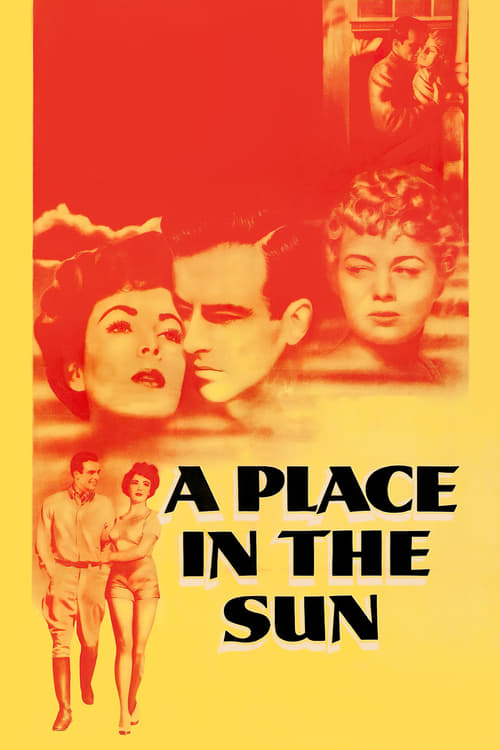
A Place in the Sun1951
Montgomery Clift trying to become someone he's not, tempted by an illicit romance, undone by his past. The same spiritual DNA—desire for reinvention, the collision with circumstance, the question of whether change is possible.
But It's considerably more tragic. The romanticism curdles into genuine despair; some find it unbearably bleak.
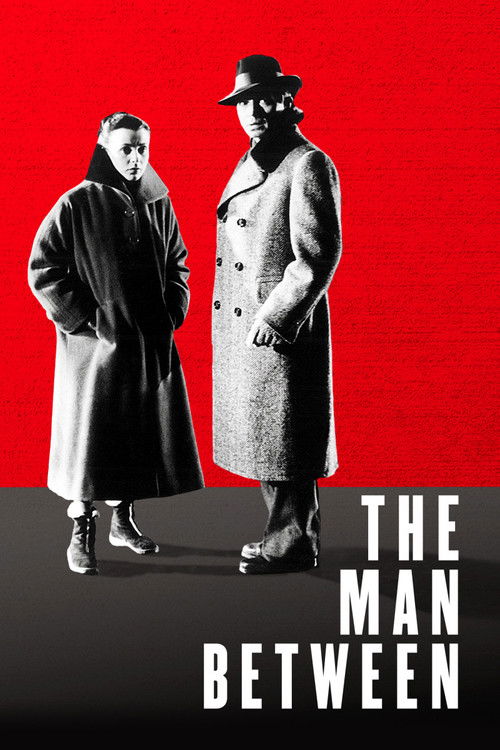
The Man Between1953
Both are films about a man trying to navigate impossible territory by assuming a false identity. Both understand that in chaos, the people who survive are the ones willing to be someone else.
Carol Reed again, but post-war Berlin: James Mason as a morally compromised fixer caught between the Russians and the West, between survival and conscience. A priest pretending isn't so different from a criminal pretending. Cold War, high stakes, genuine dread.
But It's bleak and slow. The political backdrop can feel dated; the emotional coldness is intentional but unforgiving.
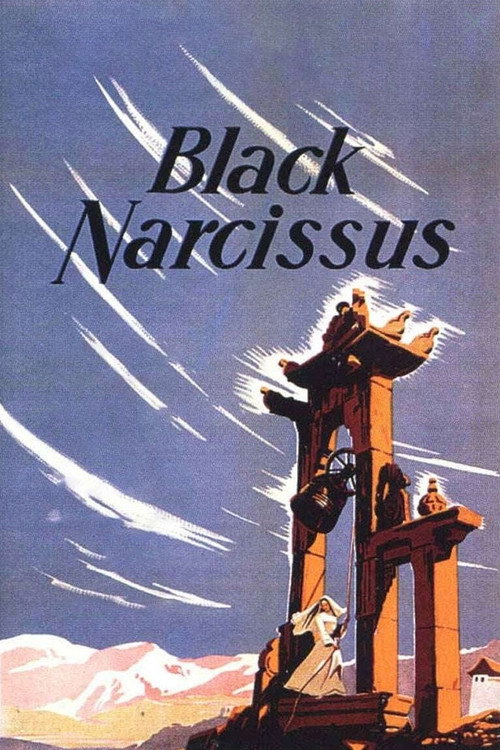
Black Narcissus1947
Where The Left Hand of God is about a man faking priesthood, Black Narcissus is about women authentically trying to live it—and discovering the costume can't contain what's underneath. Both understand that religion, whether genuine or performed, is armor against desire and chaos.
Powell and Pressburger's Technicolor ravishment: Anglican nuns on a Himalayan mountain trying to impose order on untamable landscape and their own desire. A different kind of false piety, the same collision between imposed morality and human nature, the same sensual dread beneath the religious exterior.
But It's visually hypnotic but narratively oblique. If you're watching for plot momentum, you'll be lost. The 1940s attitudes toward sexuality and colonialism won't age well.
People
Cast
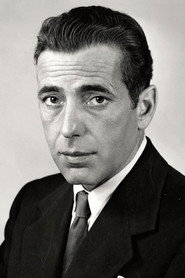 Humphrey BogartJames 'Jim' Carmody
 Gene TierneyAnne 'Scotty' Scott
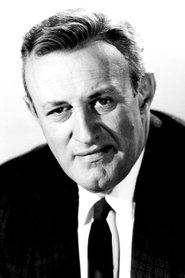 Lee J. CobbMieh Yang
 Agnes MooreheadBeryl Sigman
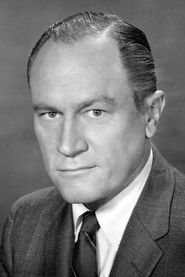 E.G. MarshallDr. David Sigman
 Jean PorterMary Yin
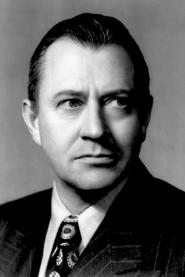 Carl Benton ReidFather Cornelius
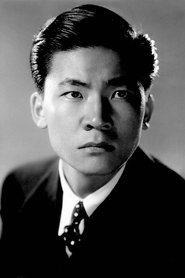 Victor Sen YungJohn Wong
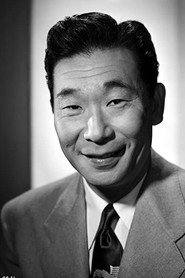 Philip AhnJan Teng
 Benson FongChun Tien
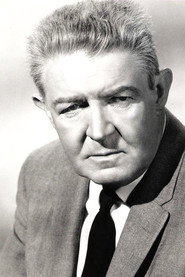 Robert BurtonRev. Marvin
- Walter Soo HooClinic Orderly (uncredited)
Directing
- Ben KadishAssistant Director
- Edward DmytrykDirector
Writing
- William E. BarrettNovel
- Alfred HayesScreenplay
Production
- Buddy AdlerProducer