
Film
School of Babel
A French documentary following a single classroom of newly-arrived immigrant students learning French together over a year. It's intimate and unguarded—less about policy than personality, less about struggle than the messy, funny, painful work of teenagers figuring out how to belong. For anyone who's ever felt like an outsider, or wondered what it's actually like to start over in a place that doesn't yet feel like home.
If you liked this
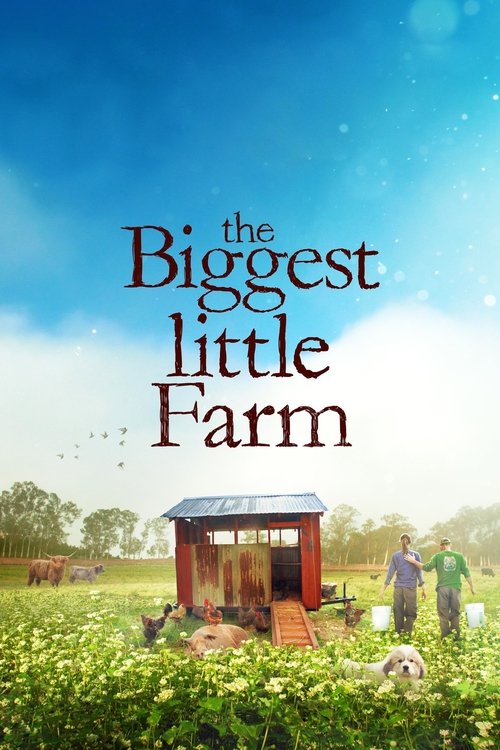
The Biggest Little Farm2019
A couple transforms degraded California land into a working farm over eight years. Like School of Babel, it's patient, observational cinema that finds profound meaning in small daily interactions and gradual transformation.
But At 91 minutes it never rushes, and some will find the pacing meditative rather than gripping. Requires genuine interest in farming methodology, not just nice scenery.
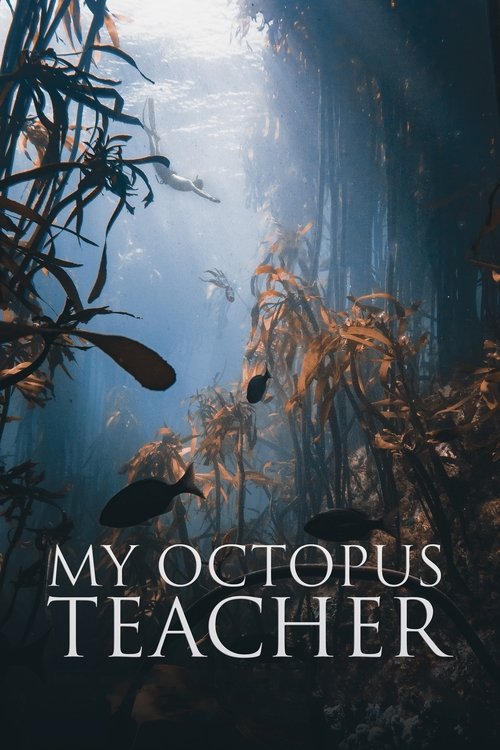
My Octopus Teacher2020
A filmmaker spends a year documenting his relationship with an octopus in a South African kelp forest. Shares the same unhurried, respectful observation—letting time and presence create understanding rather than narrative momentum.
But The emotional arc is somewhat predictable, and if you're unmoved by human-animal connection, the film's central premise won't convert you. Nature doc sentimentality will dominate.
Citizenfour2014
Documentary that follows Edward Snowden in real time, capturing intimate moments alongside world-altering events. Like School of Babel, it trusts footage and presence over voiceover, letting stakes emerge from observation.
But Dense with technical detail about surveillance systems. If geopolitics feel abstract or if you already know the Snowden story thoroughly, the tension may feel historical rather than immediate.

Not sure tonight? Get a pick in a minute, starting from School of Babel
The wildcard
Something you would not have found on your own.
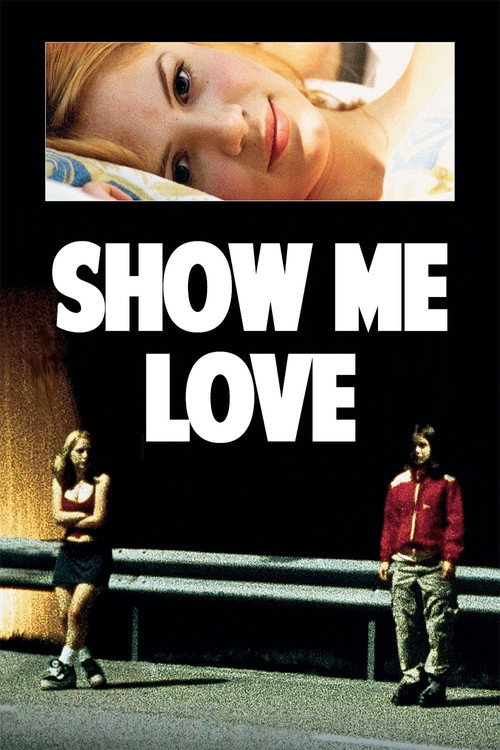
Show Me Love1998
Both films find the real drama in ordinary adolescent life—the way kids navigate systems larger than themselves, and how small moments of connection or exclusion reshape identity.
A Swedish coming-of-age drama about two teenage girls in a small town who fall in love despite social pressure. Completely different genre (narrative fiction, not documentary), but it captures adolescence with the same unsentimental warmth—the genuine stakes of belonging and being seen by another person.
But It's a film about teenage lesbian romance made in Sweden in 1998, and while it's gentle, it requires willingness to sit with that specificity. Some prints have weak subtitling. Tone shifts between comedy and genuine pain.
More like this (8)
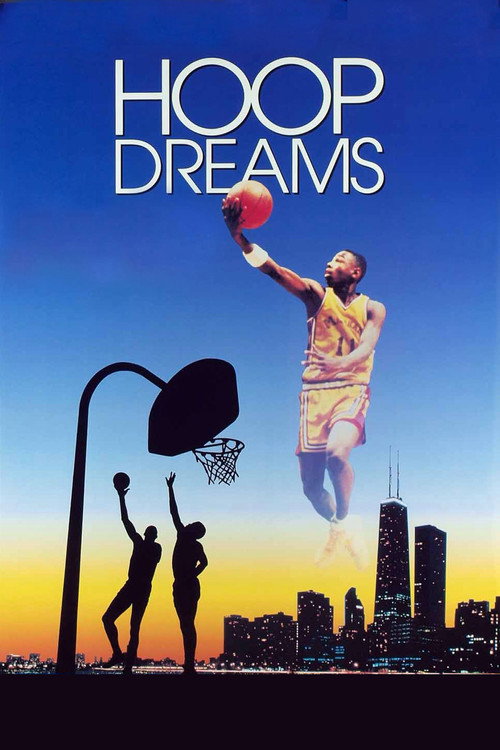
Hoop Dreams1994
Five years following two Black teenagers pursuing basketball careers in America. A masterclass in cinéma vérité that captures adolescence with all its contradictions—ambition, doubt, humor, cruelty, hope.
But At 171 minutes, it demands commitment. Parts feel slow because they capture real time; that's the point, but not everyone wants it.
The Act of Killing2012
Indonesian filmmaker asks men who committed genocide to reenact their crimes. Disturbing and essential, it uses an unconventional method to explore how perpetrators justify atrocity—complex moral documentary filmmaking at its best.
But Psychologically harrowing and structurally disorienting. The central premise is morally uncomfortable by design, and some will find it exploitative regardless of intent.

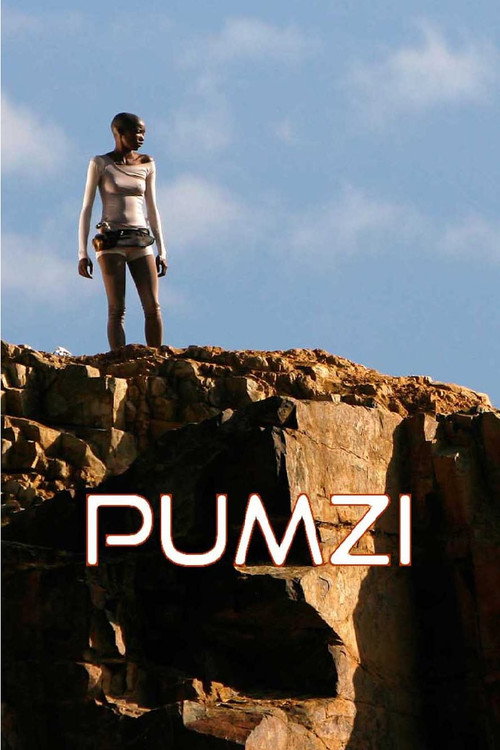
Pumzi2009
A science fiction short set in a post-apocalyptic Africa, about a woman tending a single green shoot. Completely different medium from School of Babel but shares its focus on small human acts within systems beyond individual control.
But Only 18 minutes, so it's a fragment. Demands patience with abstraction and does not spell out its meaning. Science fiction trappings might feel overstated.
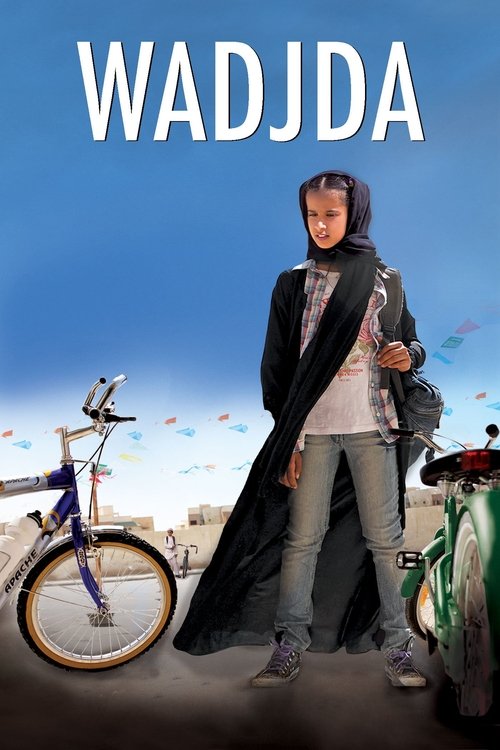
Wadjda2012
A Saudi girl wants a bicycle in a country that forbids it—small transgression, immense stakes. Observational and warm-hearted about childhood aspiration and constraint, with a similarly keen eye for how kids navigate rigid systems.
But The framing as feel-good underdog story might smooth over the film's more complicated edges. Some scenes move slowly and seem to meander.
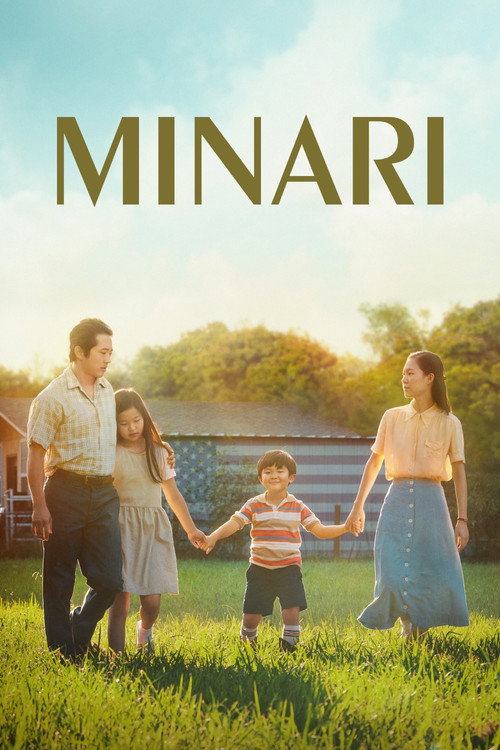
Minari2021
Korean-American family starting over in 1980s Arkansas. Intimate, specific, and about how people rebuild identity when everything is foreign. Shares the same emotional honesty about displacement and belonging.
But It's a narrative film, not documentary, so it's a different kind of story. Pacing is deliberately unhurried, which some find contemplative and others find uneventful.
Winter Light1963
Bergman film following a pastor and his small congregation through spiritual crisis. Chamber-like and uncompromising, it observes people in real interaction without sentiment or easy answers—documentary-like in its commitment to lived experience.
But Existentially bleak and forbiddingly austere. No score, minimal music, basically monochromatic palette. Not a film that offers comfort or resolution.

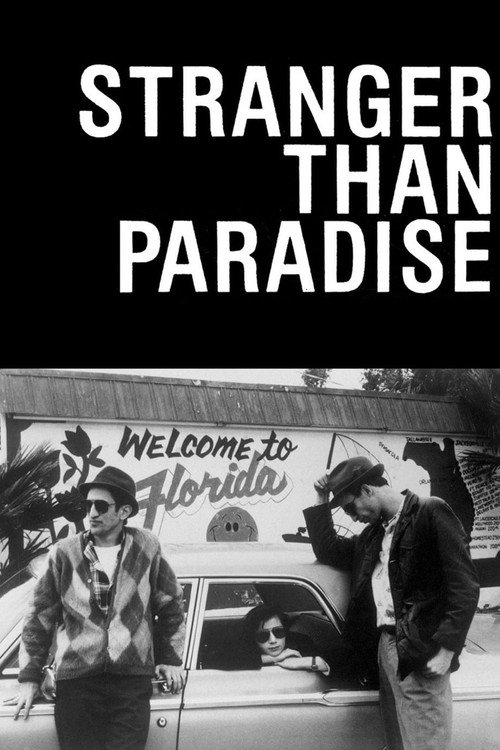
Stranger Than Paradise1984
Both use patient observation to find the real interactions between people from different places. In one it's a classroom learning French; in the other it's three misfits in a car. Same engine, opposite temperature.
Jim Jarmusch's black-and-white odyssey following three people on a road trip through America. Deadpan and elliptical, it captures displacement, misunderstanding, and the comedy of people from different worlds trying to exist together—the same social texture as School of Babel but in a completely different key.
But Shot in stark black-and-white with long scenes of apparent nothing happening. Narrative refuses to climax. American indie from the '80s means it can feel self-consciously arthouse. Not funny if you're waiting for jokes.
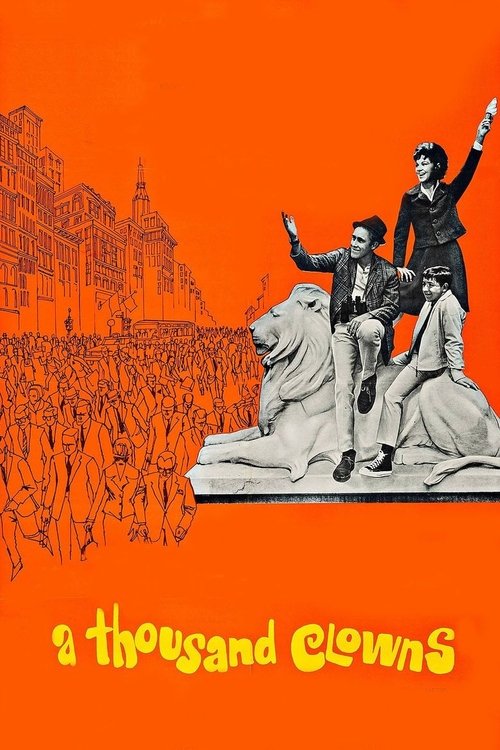
A Thousand Clowns1965
Both films center on the work of connection—how people who are strangers learn to trust and understand each other. Babel does it through a classroom; this does it through family. The underlying question is the same: how do we build home?
A man's nephew moves in after years apart, and they have to figure out how to live together. Warm, funny, and genuinely about how people build belonging from scratch—the emotional core resembles School of Babel, but it's a comedy-drama with star power and charm.
But It's from 1965, so the assumptions about childhood and authority will feel dated to modern eyes. Tonal shifts between screwball comedy and sincere emotion can feel uneven. Some scenes are genuinely corny.
People
Directing
- Julie BertuccelliDirector