
Film
WR: Mysteries of the Organism
- Mystery
- Strange
Dušan Makavejev's genre-colliding 1971 provocation asks what sexual liberation means in Cold War Yugoslavia by braiding documentary footage about Wilhelm Reich with fiction, absurdist comedy, and explicit sexuality into a dizzy, confrontational whole. It's exhilarating and unmoored—more interested in questions than answers. For viewers who believe cinema can be an argument.
If you liked this
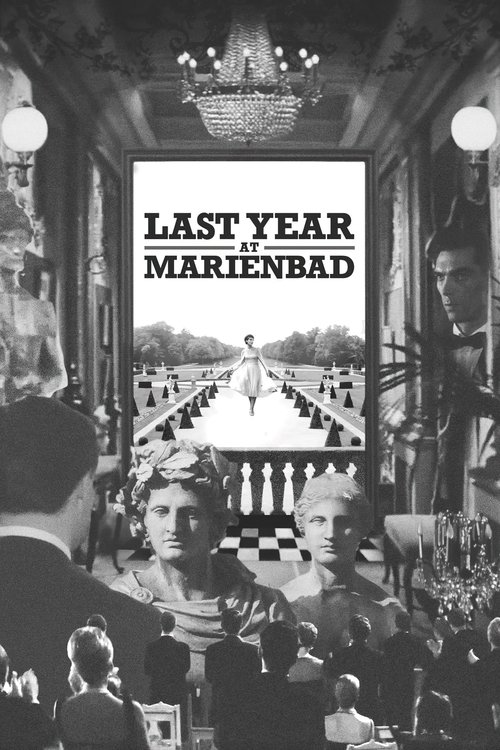
Last Year at Marienbad1961
Alain Resnais's equally slippery puzzle-box treats narrative itself as something malleable and unstable. Like Makavejev, he trusts ambiguity and refuses to resolve what we're meant to feel.
But The pleasures are cerebral and withholding. If you want clarity or emotional catharsis, you'll leave frustrated and wondering what you watched.
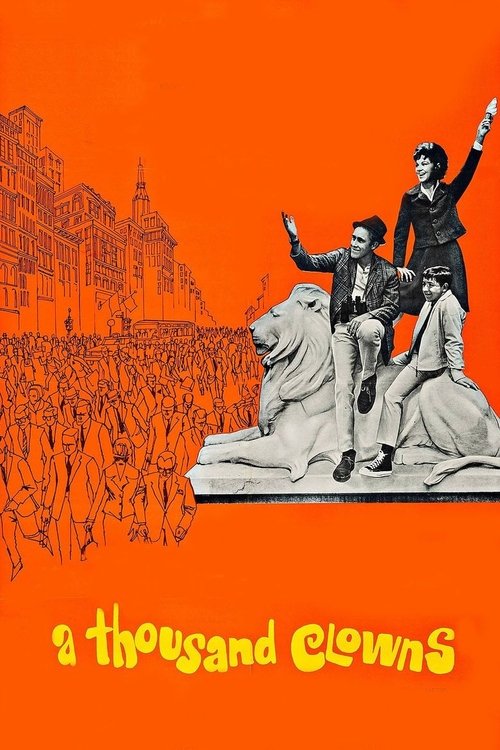
A Thousand Clowns1965
Herb Gardner's exuberant anti-establishment romp celebrates sexual freedom, nonconformity, and rejecting authority with genuine warmth and humour. Like WR, it asks who gets to define 'normal.'
But The politics are gentler and the film far more sentimental. The counterculture here is charmingly neurotic rather than transgressive or surreal.
Contempt1963
Godard's meditation on desire, money, and cinema collapses documentary and fiction within a single narrative frame. Both films use their own formal instability as the subject itself.
But It moves by association rather than plot logic. Patience with long takes and philosophical digression is essential; it can feel mannered and cold.

Not sure tonight? Get a pick in a minute, starting from WR: Mysteries of the Organism
The wildcard
Something you would not have found on your own.
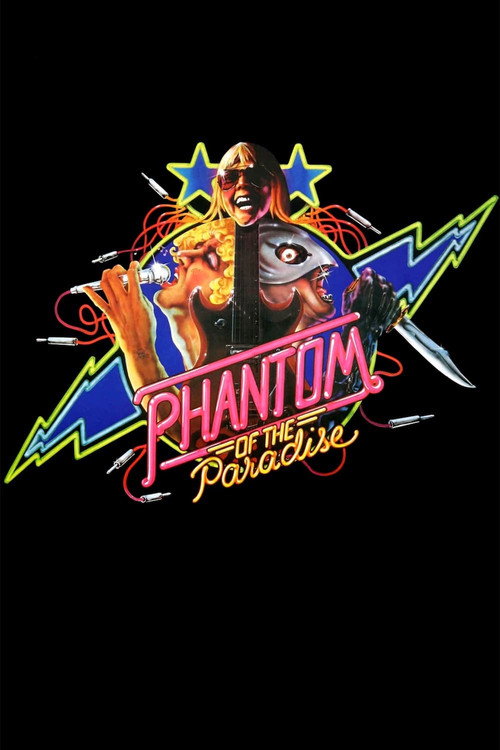
Phantom of the Paradise1974
Both treat cinema as collage—mixing high and low, documentary and fantasy, explicit content with formal play. Both emerged from the same 70s conviction that genre boundaries could be demolished.
Brian De Palma's rock-musical nightmare is a carnival of genre splicing, surrealism, and counterculture rage compressed into tight, propulsive storytelling. Like WR, it's delirious and deadly serious.
But It's campy and grand in a way WR never allows itself to be. If you're after Makavejev's unsettling gravity, this theatrical excess may feel like it's winking when it should horrify.
More like this (6)
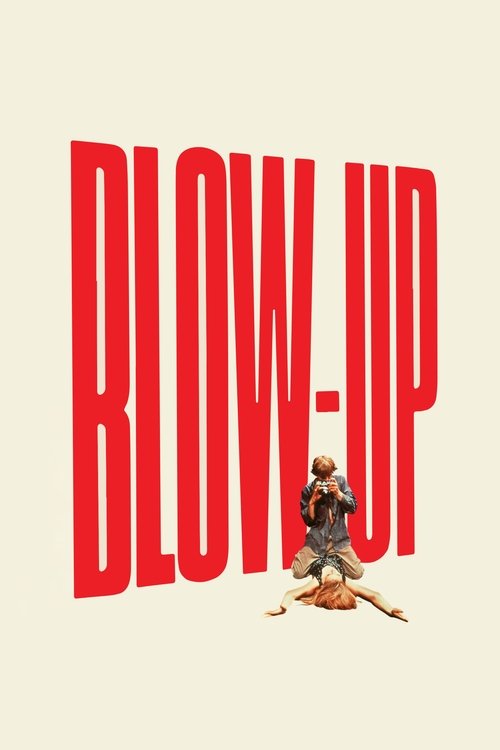
Blow-Up1966
Antonioni's investigation into perception and meaning echoes Makavejev's suspicion that we can never see things clearly. Both films interrogate what their cameras reveal versus conceal.
But Narrative dissolves into mood. The central mystery never resolves. Many viewers find it frustratingly oblique and slow.
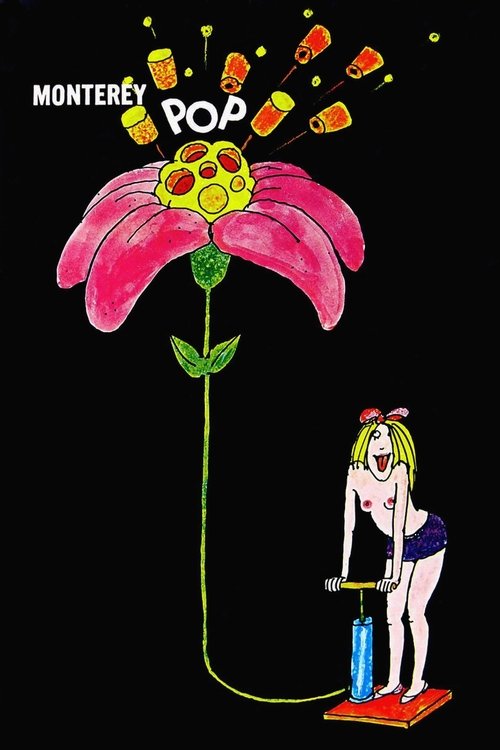
Monterey Pop1968
D. A. Pennebaker's documentary captures the counterculture moment WR is reckoning with—sexual liberation, political rupture, the feeling that everything was in flux. Raw, exhilarating archive.
But It's a concert film, not a narrative. If you're after story or character development, you'll be watching musical performances for ninety minutes.
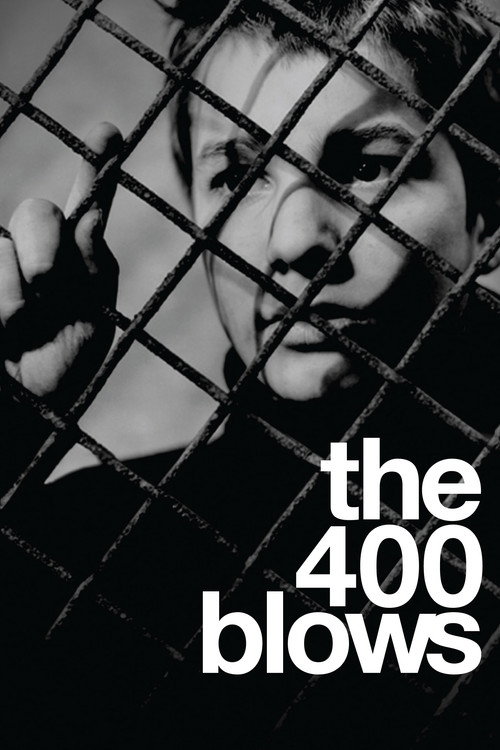
The 400 Blows1959
Truffaut's New Wave landmark shares WR's fascination with youthful desire and rebellion against stifling social systems. It's freer, more spontaneous than classical cinema.
But This is gentler and more forgiving than Makavejev. If you're drawn to WR's transgression and chaos, this may feel too polished and sentimental.
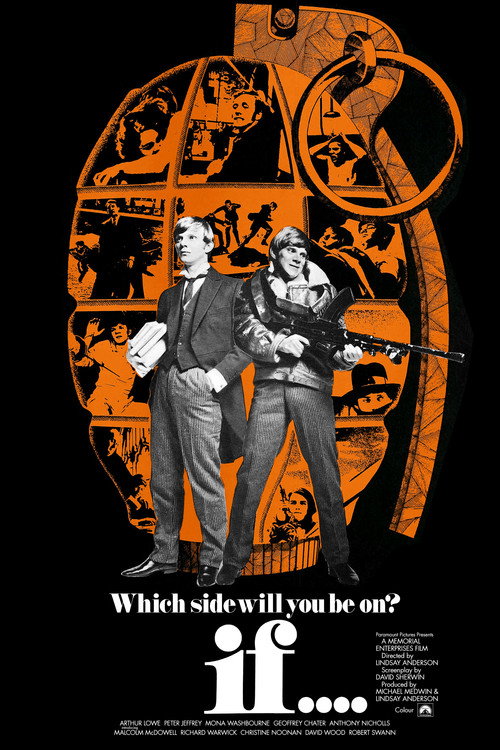
if....1968
Lindsay Anderson's film moves freely between realism and allegory to depict sexual and political awakening in a boys' school. Both use formal play to challenge authority and convention.
But The shifts between registers can feel muddled. Some sequences are arch or whimsical in ways that undercut their intended power.
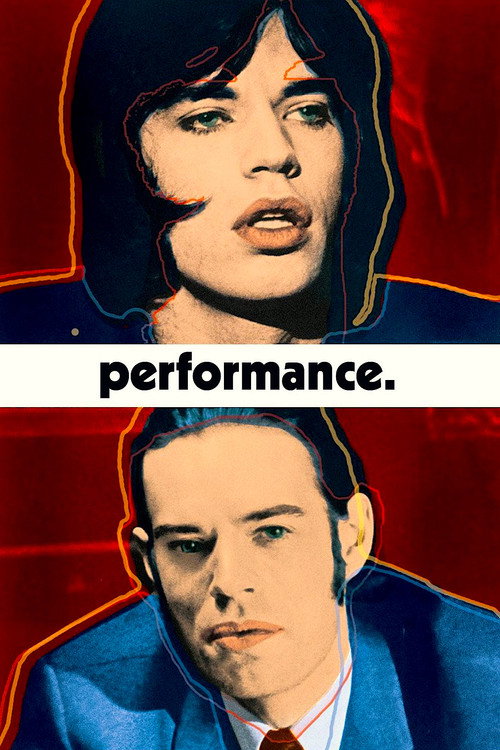
Performance.1970
Roeg and Cammell's hallucinogenic gangster-rockstar collision is equally interested in breaking narrative into fragments and exploring desire, identity, and the counterculture underground.
But It's visually dazzling but narratively hermetic. The atmosphere overwhelms plot; some find it incomprehensible rather than liberating.
Come and See1985
Both examine how state systems damage bodies and sexuality. Both reject the boundary between documentary evidence and subjective distortion. Both are Soviet-adjacent works interrogating power through radical formal means.
Elem Klimov's Soviet WWII film is shot like a documentary but becomes increasingly hallucinatory and expressionist as violence consumes its protagonist. Like WR, it fuses realism with surrealism to show how ideology warps perception.
But It's graphically devastating—not transgressive but traumatic. The film doesn't flirt with its subject; it mauls you. Many viewers find it unwatchable rather than challenging.

People
Cast
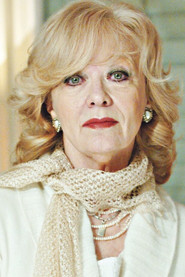 Milena DravićMilena
 Ivica VidovićVladimir Ilyich
 Jagoda KaloperJagoda
 Tuli KupferbergUS Soldier
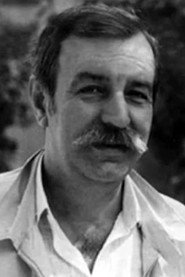 Zoran RadmilovićRadmilović
 Jackie CurtisJackie Curtis
 Miodrag AndrićSoldier
- Živka MatićLandlady
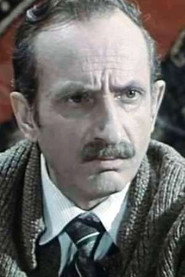
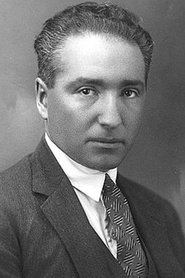 Wilhelm ReichHimself
Directing
- Dušan MakavejevDirector
Writing
- Dušan MakavejevWriter
Production
- Dušan MakavejevProducer
- Svetozar UdovičkiProducer