
Film
Romance
- Drama
- Very dark
Catherine Breillat's provocative 1999 debut is a radical examination of female desire, using explicit sex as unflinching narrative language rather than titillation. It's unsettling, ambitious, and genuinely difficult—a film that refuses to soften its subject or apologize for looking directly at it. For viewers willing to sit with discomfort.
If you liked this
Antichrist2009
Lars von Trier's equally uncompromising study of grief and sexuality through graphic imagery. Both films weaponize explicitness as artistic statement, demanding active viewing rather than passive consumption.
But Genuinely difficult to watch—the violence is visceral and the pacing glacial. Not entertainment; it's provocation.

Shame2011
Steve McQueen's portrait of compulsive sexuality as emotional emptiness. Like Breillat's film, it treats sex seriously rather than sensationally, using it to explore disconnection and self-harm.
But Michael Fassbender's numbed affect creates a cold distance that some viewers find alienating rather than revealing.

A Bigger Splash2015
Luca Guadagnino's examination of desire and power within relationships, where sexuality becomes a weapon and a language. Visual beauty paired with psychological unease—similar tonal balance.
But Slow and sensual rather than propulsive; if you want plot momentum, you'll be frustrated.

Not sure tonight? Get a pick in a minute, starting from Romance
The wildcard
Something you would not have found on your own.
Baise-moi2000
Both 1999-2000 French films rejecting the male gaze entirely, using explicit imagery as refusal rather than invitation. Same moment, same country, same radical impulse expressed through opposite temperaments.
Made almost simultaneously with Romance by fellow provocateurs Virginie Despentes and Coralie Trinh Tran, this goes harder. Two women on a violent revenge spree using shock as feminist methodology—rawer, more transgressive, equally unafraid.
But Not just sex but graphic violence woven together; banned in multiple countries. It's not trying to be palatable. The political argument has aged better than the execution.

More like this (7)
Nymphomaniac: Vol. II2013
Von Trier returns to explicit sexuality as autobiography and philosophy. Charlotte Gainsbourg's narration frames extreme imagery within a woman's attempt to make sense of her own desire.
But Punishingly long, structurally baggy, and the gender politics remain genuinely contested. Some read it as brilliant; others as exploitative.

In the Realm of the Senses1976
Nagisa Oshima's precursor—a film that also used explicit sex to document obsession and the dissolution of self. Revolutionary in its refusal to censor or euphemize the body.
But Made in 1976 and still banned in Japan. The sexual content is extreme, the emotional exhaustion is real, and it ends badly on purpose.

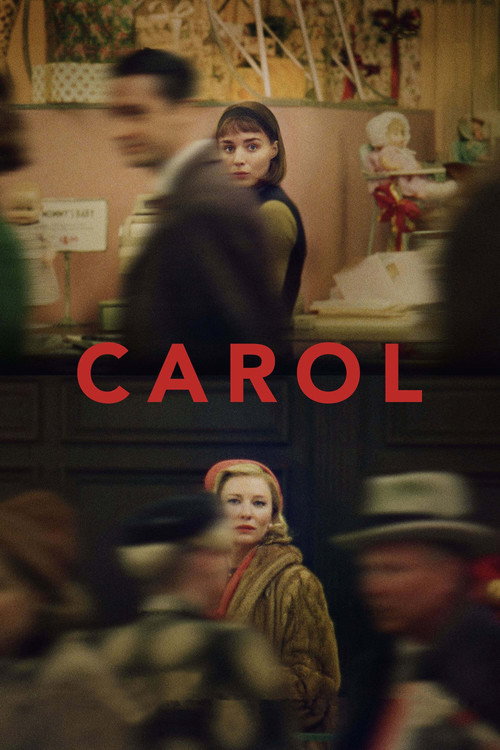
Carol2015
Todd Haynes' exquisitely restrained opposite: desire and intimacy conveyed through glances, hands, small movements. Proves that explicitness is a choice, not a requirement for sexual honesty.
But If you're drawn to Breillat's confrontational approach, Carol's elegance might feel evasive by comparison.
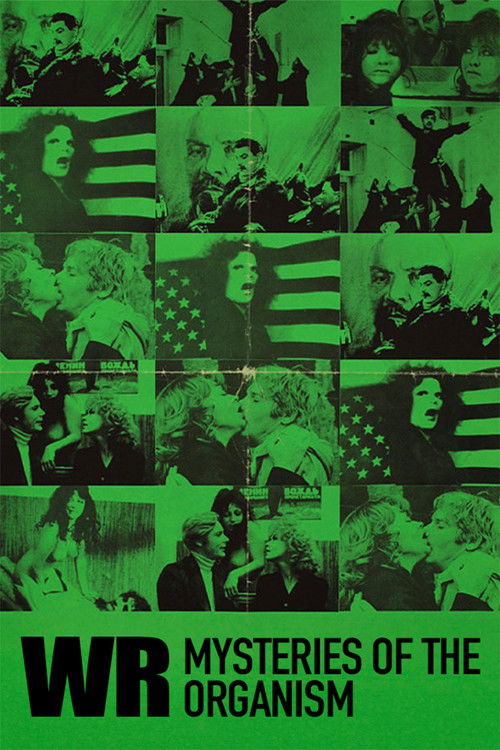
WR: Mysteries of the Organism1971
Dušan Makavejev's surreal collision of sexuality, politics, and psychology. Formally chaotic, thematically dense—another film that refuses to separate the personal from the political in sexual experience.
But Structurally bewildering and tonally unstable; it's often unclear what you're watching or why, which is partly the point but can be maddening.
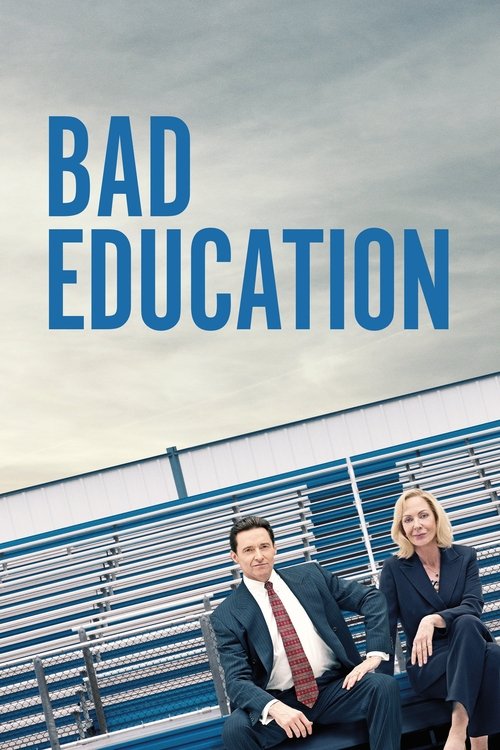
Bad Education2019
Cristian Mungiu explores desire and transgression in an institutional setting. Glacially paced with minimal dialogue, it trusts visual language to convey the psychology of power imbalance.
But Nearly three hours of difficult material with almost no release. The bleakness is unyielding and the payoff is intentionally incomplete.
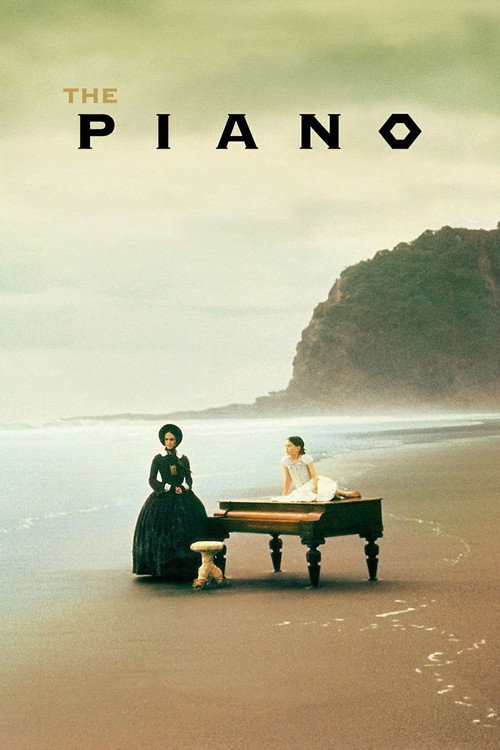
The Piano1993
Jane Campion's lush Gothic about desire, communication, and the body as text. Less explicit than Romance but equally interested in female sexuality as complex, dangerous, and transformative.
But The romantic resolution may feel compromised if you come to it from Breillat's harder line. Some find Campion's poetry sentimental.
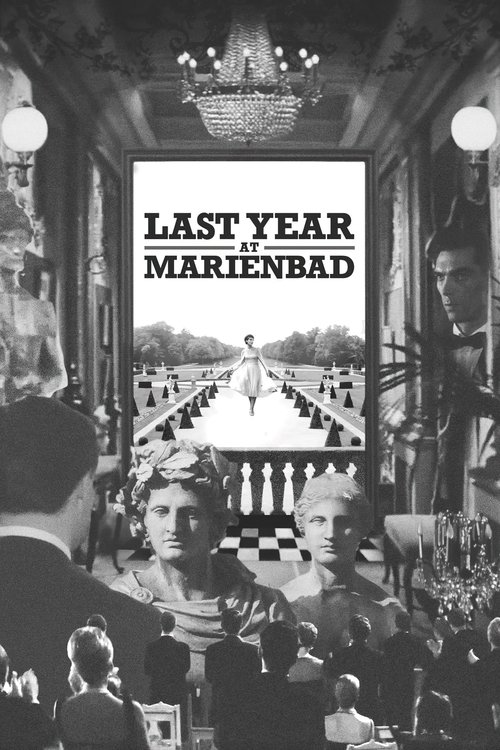
Last Year at Marienbad1961
Both treat intimacy as a formal problem to be solved through cinema itself. Resnais uses abstraction; Breillat uses explicitness. Same artistic engine, opposite fuels.
Alain Resnais and Alain Robbe-Grillet's fractured, repetitive exploration of seduction, memory, and the gaps between bodies and language. Formally revolutionary; sexuality emerges through what's *not* shown—the inverse of Breillat's method, identical obsession with desire's architecture.
But Deliberately impenetrable. If you watch seeking narrative or emotional clarity, you will be thwarted. The pleasure is in the texture and the refusal.
People
Cast
 Caroline DuceyMarie

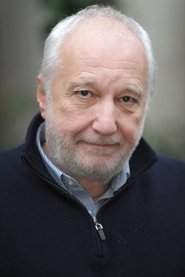 François BerléandRobert
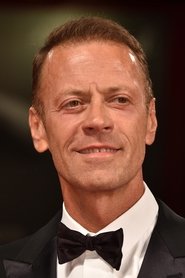 Rocco SiffrediPaolo
- Reza HabouhosseinMan on stairs
 Ashley WanningerAshley
 Emma ColbertiCharlotte
- Fabien de JomaronClaude
- CarlaModel
- Pierre MaufrontPhotographer
- Antoine AmadorHairdresser
- Roman RouzierSonographer
Directing
- Catherine BreillatDirector
- Michaël WeillFirst Assistant Director
- Séverine SiautScript Supervisor
- Fabrice BigotSecond Assistant Director
Writing
- Catherine BreillatDialogue
- Catherine BreillatScreenplay
Production
- Frédéric BouchetAdministration
- Marie-Christine GauchéeAdministration
- Catherine HoferCasting
- Estelle BertrandCasting
- Guylène PéanCasting
- Jacques GrantCasting
- Michaël WeillCasting
- Nicolas LublinCasting
- Catherine JacquesExecutive Producer
- Valéry GuibalFinance
- Alexandre PutmanLocation Manager
- Bernard BrunPost Production Producer
- Jean-François LepetitProducer
- Anne RogéProduction Manager
- Eddy JabèsProduction Manager
- Dominique RémyProduction Secretary
- Alexandre JacquesProduction Trainee
- Denis Oliveau-LebretonUnit Manager
- Eric MargolisUnit Manager
- Jean-Marc MaestracciUnit Manager
- Laurent CharchaudeUnit Manager
- Max BelmessieriUnit Manager
- Philippe GuérinelUnit Manager
- Samir LarrifUnit Manager