
Film
Echo in the Canyon
Echo in the Canyon explores the Laurel Canyon music scene of the 1960s, tracing how folk, rock, and pop merged into something entirely new. Jakob Dylan guides you through interviews with the surviving legends—Clapton, Petty, Stills, Ringo—while their own music plays beneath it all. It's a love letter to a moment when Los Angeles became the center of American popular music, and it moves with the unhurried grace of old friends remembering glory.
Should you watch it?
Watch it if you love the craft of 1960s songwriting and want to hear how jangly harmonies and studio tricks got made, with the musicians themselves talking over their old records.
Skip it if you want a probing, critical history; this is warm, reverent and mostly a victory lap, with little interest in the scene's darker corners or its messier politics.
What it asks of you: It runs a brisk 82 minutes and moves mostly by performance and reminiscence, so it asks for an easy, open ear rather than close reading of argument or structure.
Not sure? Find tonight's pick in a minute.
If you liked this
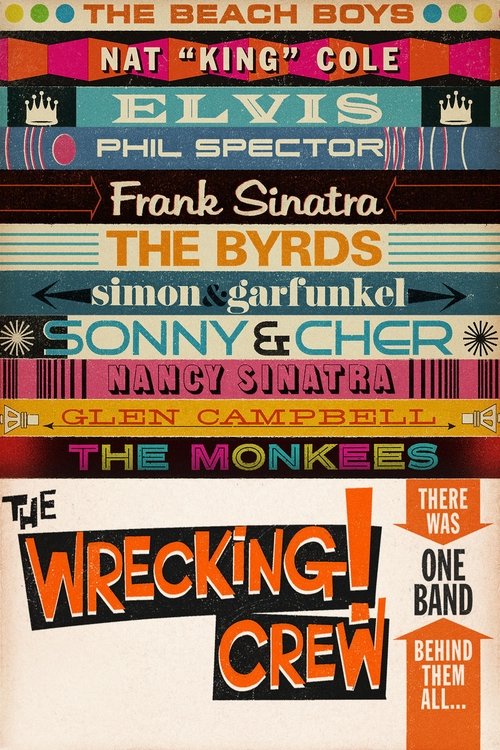
The Wrecking Crew2008
Documents the session musicians who played on countless hits of the 1960s and 70s, revealing the invisible architecture beneath the songs you already love. Meticulously researched and visually inventive.
But Focuses on the machinery of hit-making rather than the mystique. Some find that demystification disappointing rather than illuminating.
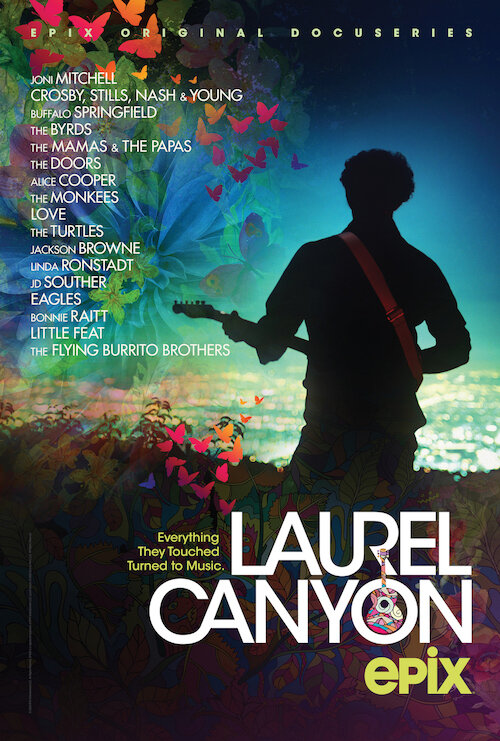
Laurel Canyon2020
A proper limited series about the same era and place, with dramatized scenes, archival footage, and the real voices of people who were there. Goes deeper than Echo can in a feature's time.
But Eight episodes is a bigger commitment. The dramatizations, while good, lack the immediacy of real interviews.
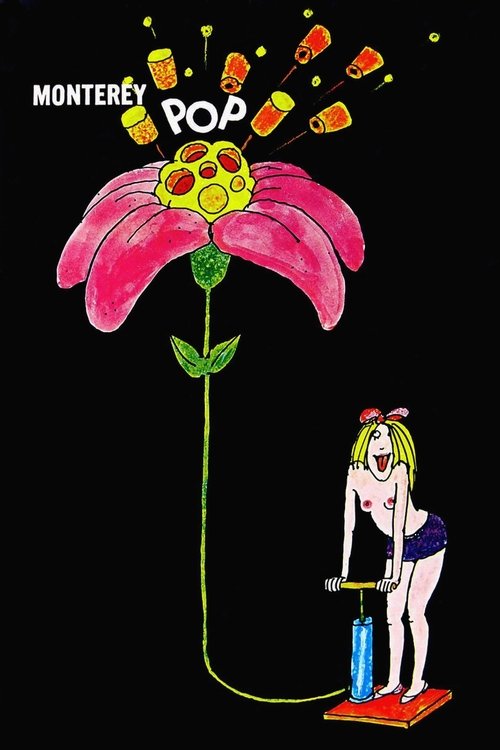
Monterey Pop1968
D.A. Pennebaker's legendary concert film captures the 1967 festival that crystallized the era Echo is exploring. Jimi, Janis, The Who—raw, urgent, electrifying.
But Black-and-white, sometimes fuzzy sound, and the pacing is languid by modern standards. It requires patience and attention.
Not sure tonight? Get a pick in a minute, starting from Echo in the Canyon
The wildcard
Something you would not have found on your own.
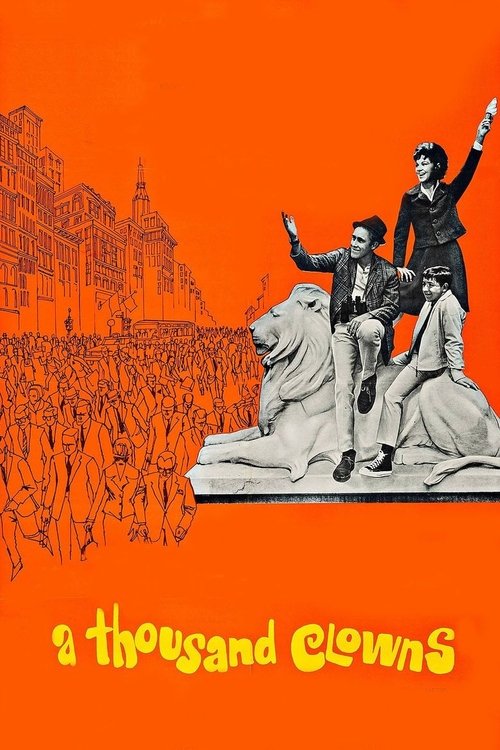
A Thousand Clowns1965
Both capture 1960s America at a hinge point—one exploring how musicians capitalized on change, the other how ordinary people wanted to opt out. Same decade, opposite responses.
A comedy about a man rejecting convention and ambition to live authentically in New York—the spiritual opposite of Laurel Canyon's hustling optimism, but made in the same moment by the same cultural impulse. Captures the era's idealism from a different angle.
But A screwball family comedy from 1965 feels slow and theatrical now. The laughs are gentler than modern comedy has trained you to expect.
More like this (5)
Standing in the Shadows of Motown2002
Allan Slutsky's film reveals the session musicians and arrangers behind Motown's dominance. Same era, different city, same invisible genius underneath the hits.
But Older production values and a more academic tone. Less cinematic warmth than Echo in the Canyon offers.
The History of Rock 'n' Roll1995
A comprehensive television series that places Laurel Canyon within the larger arc of rock from its origins through the 90s. Exhaustive in the best way.
But TV-documentary pacing from the 1990s—methodical and sometimes slow. Covers so much ground that nothing gets deep focus.
Shine a Light2008
Scorsese's Rolling Stones concert film, capturing legends in their still-formidable prime. A different kind of documentary—pure performance rather than history.
But It's a concert film, not a history. You get spectacle and musicianship but none of the context that makes Echo compelling.
Gimme Shelter1970
Where Echo celebrates what Laurel Canyon achieved, Gimme Shelter shows what the era's excess and carelessness could destroy. Two sides of the same coin.
The Maysles brothers' documentary of the Rolling Stones' 1969 American tour, which ends in the Altamont tragedy. Terrifying, immediate, and darkly prophetic about what happens when the idealism of the 60s crashes into reality and violence.
But It's genuinely disturbing and ends with a real person's death. Not a celebration—a reckoning. Some will find it too bleak after Echo's warmth.
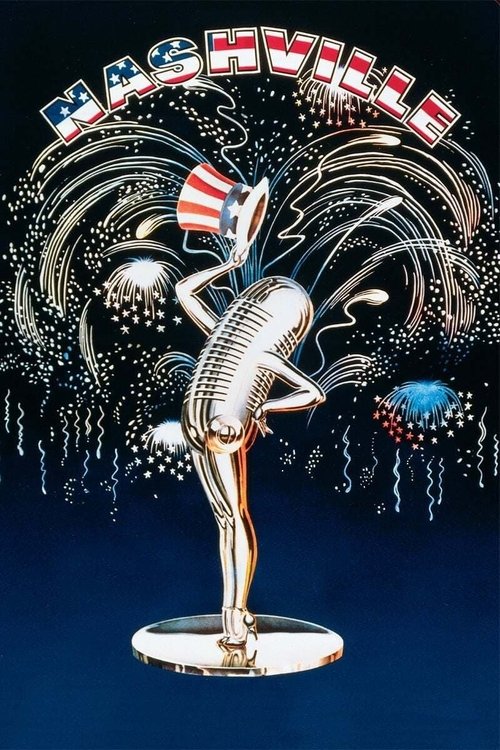
Nashville1975
Both are love letters to how American music gets made in a particular place, but Nashville shows the machinery as corrupt and exploitative where Echo shows it as romantic. Watching them together reframes both.
Altman's sprawling masterpiece about country music in Nashville, made just years after the Laurel Canyon moment. Structurally mirrors Echo's approach—multiple characters, intersecting lives—but through a completely different musical tradition and with a cynical, fragmented vision.
But Three hours, twenty-four overlapping characters, no clear protagonist, and a deliberately scattered narrative. It resists comfort and easy understanding.
People
Cast
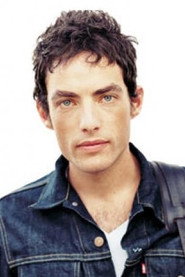 Jakob DylanSelf
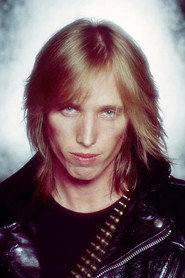 Tom PettySelf
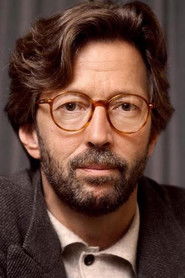 Eric ClaptonSelf
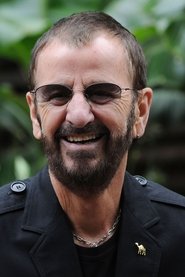 Ringo StarrSelf
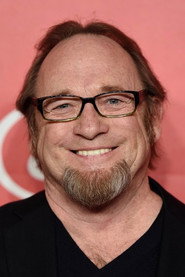 Stephen StillsSelf
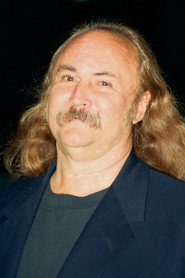 David CrosbySelf
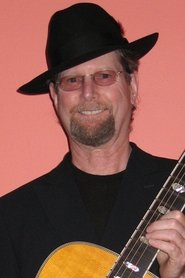 Roger McGuinnSelf
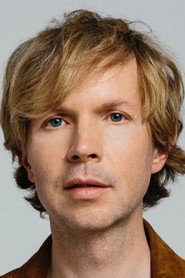 BeckSelf
 Regina SpektorSelf
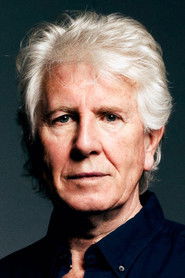 Graham NashSelf
 Cat PowerSelf
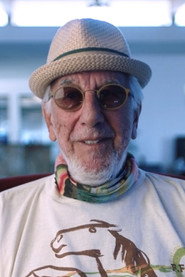 Lou AdlerSelf
Directing
- Andrew SlaterDirector
Writing
- Andrew SlaterWriter
- Eric BarrettWriter
Production
- Andrew SlaterProducer
- Eric BarrettProducer
Recommended by
The Wrecking Crew, Once Were Brothers: Robbie Robertson and the Band, The Beach Boys, Laurel Canyon, The Power of One: The Pokémon 2000 Movie Special, Joni Mitchell: Woman of Heart and Mind