
Film
Grass: A Nation's Battle for Life
- Action
- Slow-burning
A 1925 silent documentary following the Bakhtyari tribe's epic seasonal migration across Persia with their livestock herds. Visually stunning and surprisingly intimate, it captures human resilience and community bonds through pure image and movement. For anyone who loves adventure, anthropology, or cinema history.
Should you watch it?
Watch it if you are drawn to silent films where the camera itself does the storytelling, and you love the raw spectacle of people and animals pitted against a vast landscape with no narration to lean on.
Skip it if you need a plot with characters you can follow closely, since this is a record of a migration, and the human drama stays at the level of endurance rather than personal arc.
What it asks of you: It runs about seventy-one minutes and moves at the pace of the journey itself, so expect long stretches of steady travel, rivers, and mountains, with your attention rewarded by images rather than dialogue.
Not sure? Find tonight's pick in a minute.
If you liked this
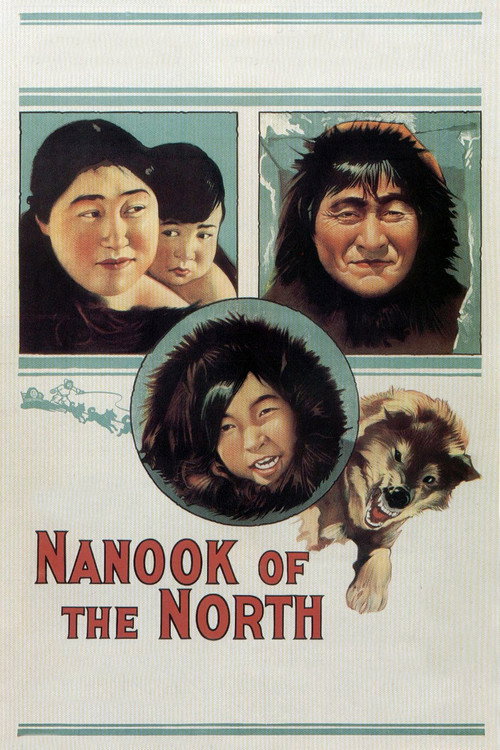
Nanook of the North1922
The foundational Arctic documentary that proved audiences craved authentic human struggle and survival. Companion piece to Grass—both invented the form and both still captivate with their immediacy and grandeur.
But The portrayal of Inuit life is shaped by the filmmakers' assumptions. Some sequences were staged, and the ethics of early documentary remain complicated.
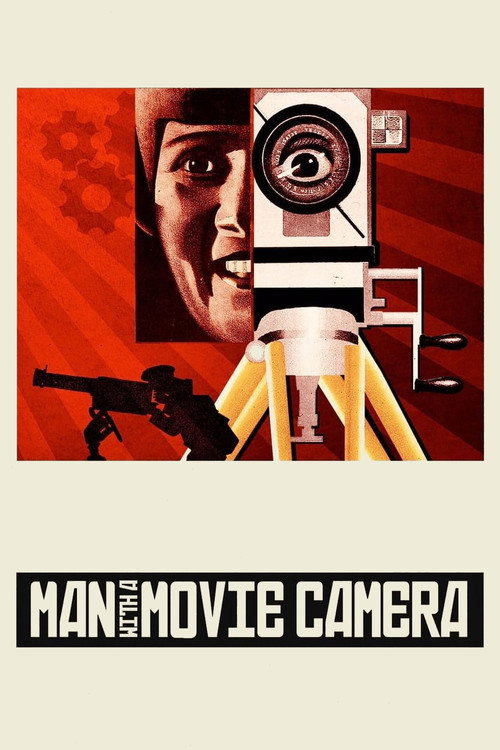
Man with a Movie Camera1929
Soviet silent masterpiece about urban life that matches Grass's faith in pure visual storytelling. Dazzling montage and rhythm; you'll see cinema being invented before your eyes.
But It's experimental and abstract rather than narrative. No characters to follow, just a city's pulse. Can feel distant on first viewing.
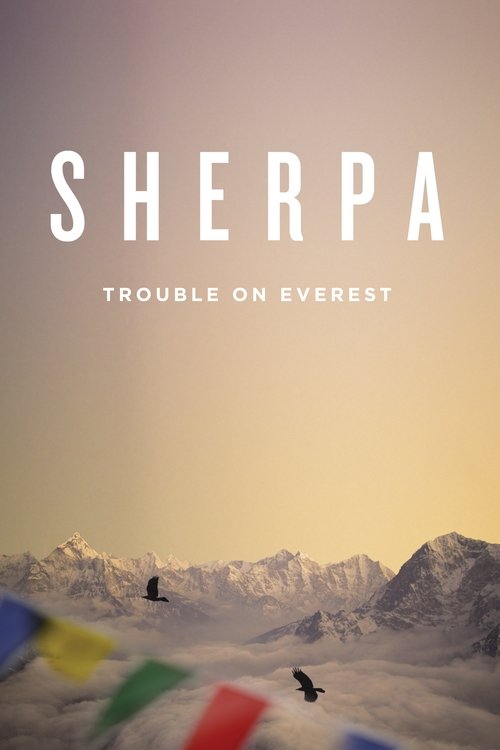
Sherpa2015
Modern documentary about another tribe's seasonal labour and survival on Everest. Same DNA as Grass—intimate human stakes, stunning landscape, dignity preserved. Emotionally devastating.
But Focuses on tragedy and exploitation. Heavier in tone and very much a contemporary political statement. Less wonder, more anger.
Not sure tonight? Get a pick in a minute, starting from Grass: A Nation's Battle for Life
The wildcard
Something you would not have found on your own.
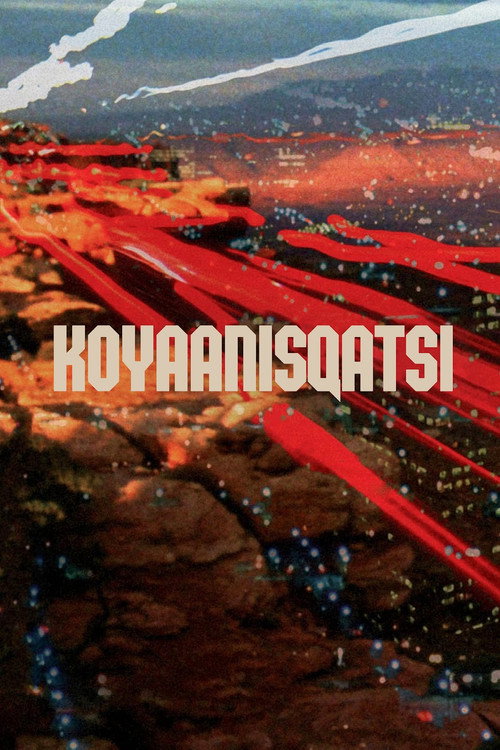
Koyaanisqatsi1983
Both films argue that meaning emerges through rhythm and repetition, not explanation. Grass captures cycle and renewal; Koyaanisqatsi captures cycle and collapse. Mirror images.
No dialogue, no plot—pure image and Philip Glass's hypnotic score. Like Grass, it's visual poetry about human life in relation to landscape, but inverted: modernity destroying balance instead of communities sustaining it. Mesmerizing and unsettling.
But Extremely abstract and can feel didactic. Some viewers find it pretentious or inert. Very much a 1980s art-film experience.
More like this (8)
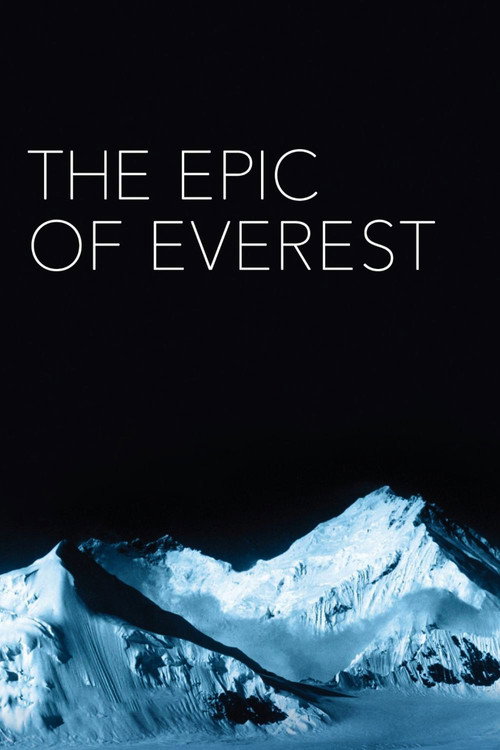
The Epic of Everest1924
Silent footage from the 1924 Everest expedition. Same era as Grass, same visual language, the same marriage of extreme landscape and human determination. Profound and strange.
But The pacing reflects 1920s documentary rhythm—long stretches of pure landscape. Requires patience and an appetite for quietness.
Sunrise: A Song of Two Humans1927
Silent narrative film (not documentary) but the visual storytelling is kin to Grass. Murnau creates atmosphere and emotion through pure cinema—no intertitles needed. Ravishing.
But It's a melodrama about infidelity and temptation. If you want documentary authenticity, this is a pivot to fiction and emotion.

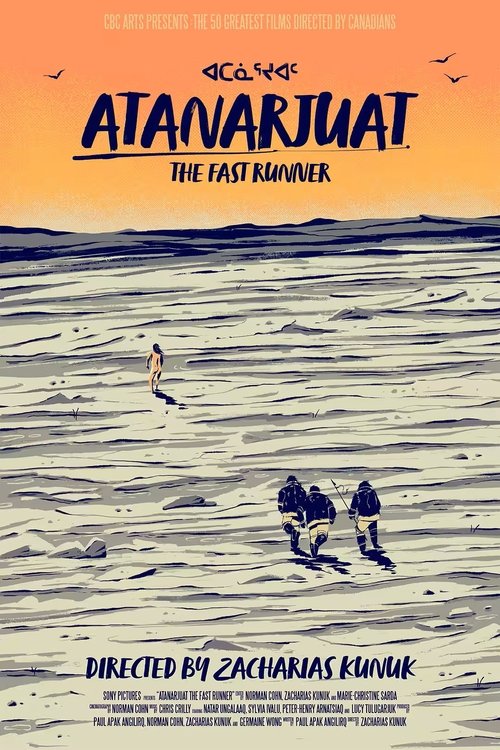
Atanarjuat: The Fast Runner2002
Indigenous Inuit filmmaker telling an Inuit legend. Grass feels prophetic watching this—a century later, actual community members telling their own stories with the same landscape and dignity.
But Nearly three hours. Pacing is deliberate and meditative. Requires surrender to a different narrative rhythm than contemporary cinema.
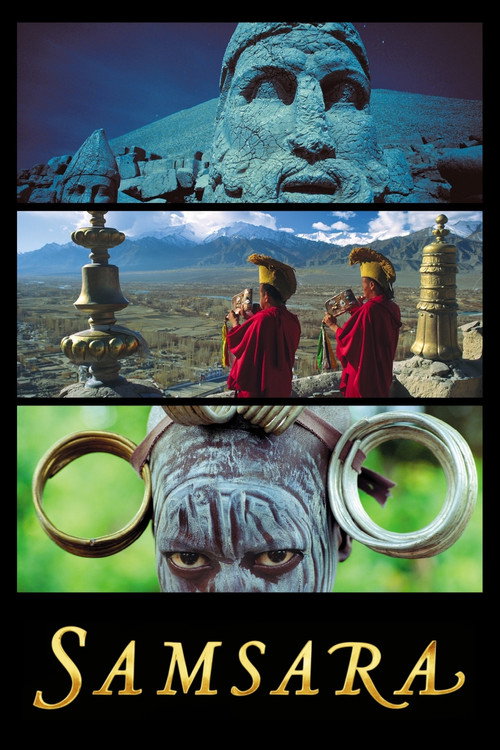
Samsara2011
Silent visual essay about human ritual and labour across continents. No dialogue, no hierarchy—pure observation of work, community, and cyclical time. Spiritual successor to Grass's philosophy.
But Plotless and apolitical. Some find it gorgeous but empty; others meditative. Your mood will dictate whether it soars or drifts.
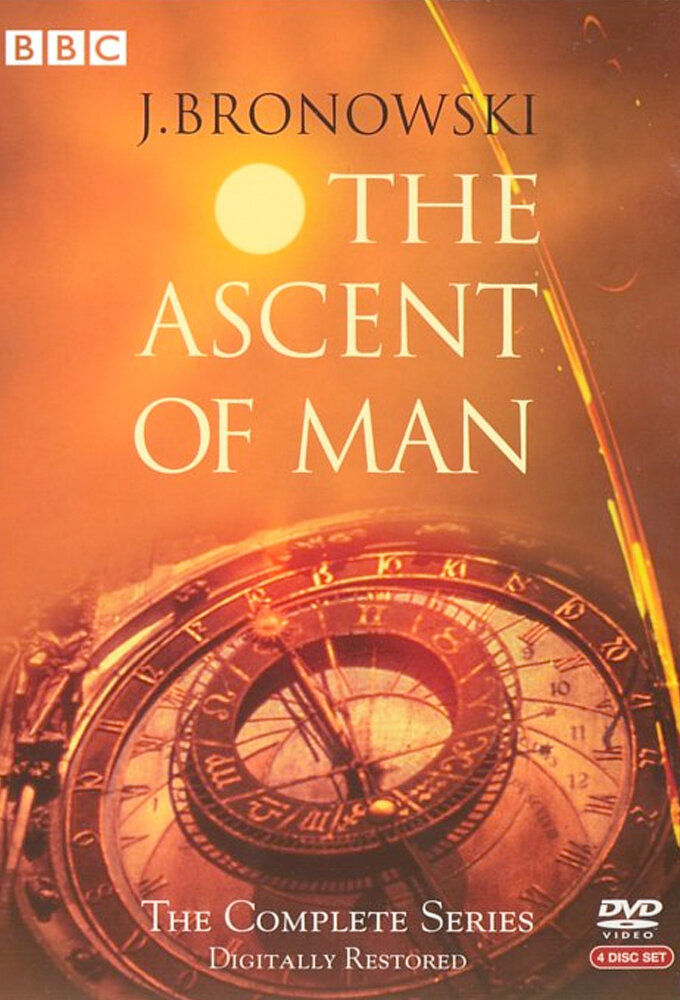
The Ascent of Man1973
Jacob Bronowski's series merges documentary evidence with philosophical inquiry. Episodes on migration and survival echo Grass's themes through a different lens—how humans adapt and build meaning.
But Dense and dated in presentation. Requires real attention. Bronowski's narration is dense with ideas; you can't half-watch it.
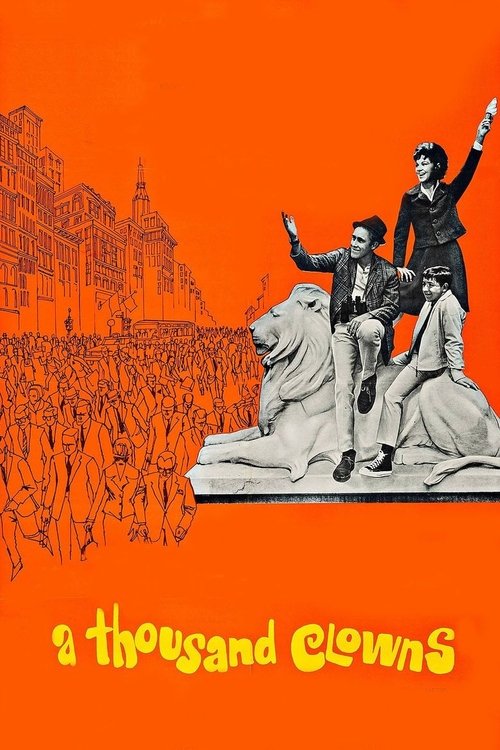
A Thousand Clowns1965
Seems unrelated but shares Grass's belief in the value of direct human observation over systems and rules. Comedy about resistance to conformity and the beauty of living authentically.
But A comedy from the 1960s; very much of its moment. Tonal whiplash from silent documentary—feels lightweight in comparison.
La Haine1995
Both treat marginalized communities as heroes worthy of cinema's full attention. Both refuse to patronize or explain. Pure observation becomes profound dignity.
French film about three young men in a Paris housing project. Shot in black and white with Grass's visual sophistication and grace. Documents a community's daily struggle and resilience with the same respect and poetry.
But Raw and urban, dealing with racism, police violence, and despair. Angry where Grass is epic. Bleak in ways that silence doesn't soften.

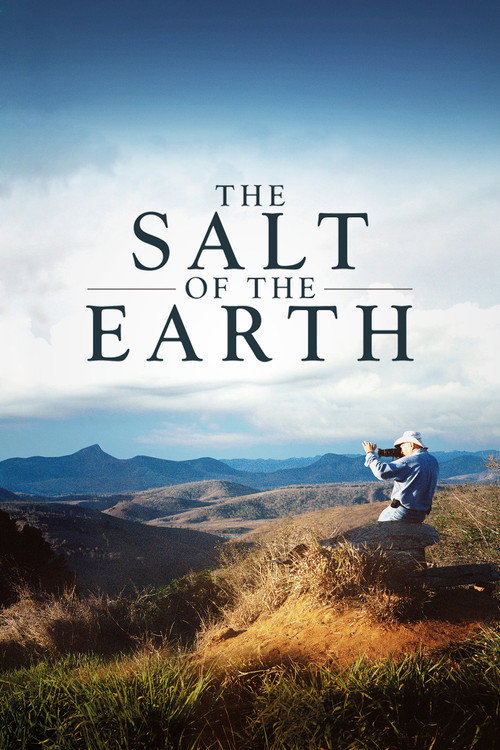
The Salt of the Earth2014
Both films insist that manual labor and survival, filmed with care, are inherently beautiful and worthy of our sustained attention.
Sebastião Salgado's visual essay on his own photography and life's work. Silent stretches, stunning images, deeply humanistic. Shows labor, migration, and survival through a photographer's eye—what Grass would look like if made by someone who lived inside the frame.
But It's meditative to the point of slowness. Some sequences feel repetitive. More art film than conventional documentary.
People
Cast
 Merian C. CooperSelf (as Merian Cooper)
- Marguerite HarrisonSelf - a Journalist
- Haidar KhanSelf - Chief of the Bakhtyari Tribe
- LuftaSelf - Haidar Khan's son
Directing
- Ernest B. SchoedsackDirector
- Merian C. CooperDirector
Production
- Ernest B. SchoedsackProducer
- Merian C. CooperProducer