
Film
Concerning Violence
Concerning Violence is a searing 85-minute essay film that layers archival footage of African liberation struggles against Frantz Fanon's writings on violence and colonialism. Narrated by Lauryn Hill, it's intellectually rigorous but visceral—raw footage of actual resistance movements paired with radical theory. Essential for anyone reckoning with colonialism's legacy; challenging for those expecting conventional documentary comfort.
If you liked this
The Battle of Algiers1966
Gillo Pontecorvo's masterpiece reconstructs the Algerian War with documentary-like intensity and moral complexity. It's the film that Fanon's ideas made visible—thrilling, formally inventive, and historically urgent.
But Filmed in grainy black-and-white and deliberately austere. The pacing can feel distant; this isn't designed to entertain, only to illuminate.

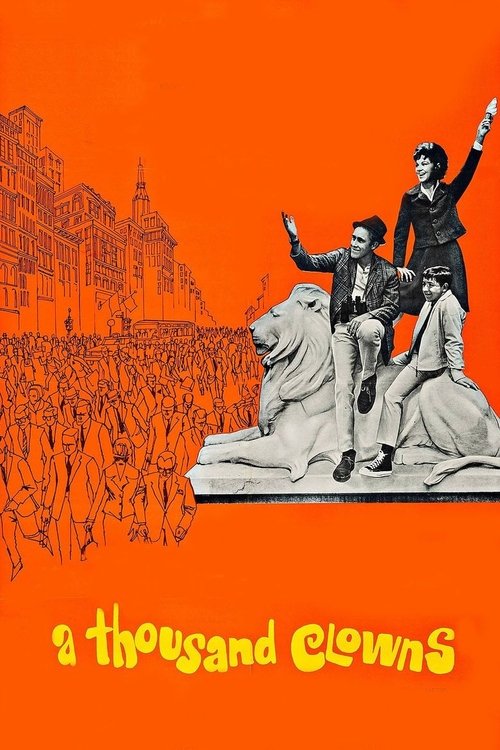
A Thousand Clowns1965
Wait—hear this out. Both films use archival fragments and voice-over narration to challenge official narratives. A Thousand Clowns does it through comedy and anarchic energy rather than violence, but the structural DNA is there.
But It's a comedy-drama about a man and his nephew in New York. If you're seeking more footage of liberation movements, this will feel like a detour into domesticity.
Harakiri1962
Masaki Kobayashi dissects ritual, honor, and state violence through a single ceremony that spirals outward. Like Concerning Violence, it uses a specific historical moment to indict an entire system of control.
But Japanese feudal drama with minimal dialogue. Visually austere and deliberately slow. The metaphor requires patience to unlock.

Not sure tonight? Get a pick in a minute, starting from Concerning Violence
The wildcard
Something you would not have found on your own.
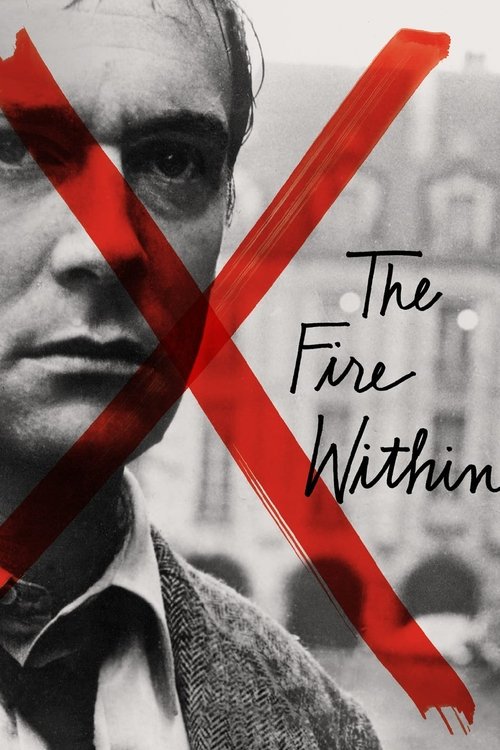
The Fire Within1963
Both examine revolutionary violence from within the movements themselves rather than from an external, pacifying perspective. Both treat violence not as aberration but as structural response to structural oppression.
Renzo Martinelli's six-part Italian series documents the Red Brigades through archival footage, interviews, and dramatization. It's a meditation on revolutionary violence, state response, and moral questions Fanon posed. Historically and ethically dense in ways most TV isn't.
But It's an Italian miniseries about 1970s leftist terrorism that can feel tangential or obscure unless you know that history. It doesn't lionize or condemn—it observes. That philosophical neutrality frustrates viewers wanting moral clarity.
More like this (5)
The Act of Killing2012
Joshua Oppenheimer forces former death squad leaders to reenact their own atrocities. Unbearably tense and philosophically savage about violence, complicity, and how societies bury their crimes.
But Watching perpetrators perform their murders is nauseating by design. Some will find it exploitative or unwatchable. It's confrontational in ways that provoke legitimate debate about the filmmaker's methods.

Sans Soleil1983
Chris Marker's essay film moves between Guinea-Bissau, Japan, and Iceland, meditating on memory, colonialism, and resistance through image and voice. It's Concerning Violence's formally radical cousin.
But Deliberately oblique and dreamlike. There's no narrative spine, just associations and leaps. You have to surrender to its logic or you'll be lost and frustrated.

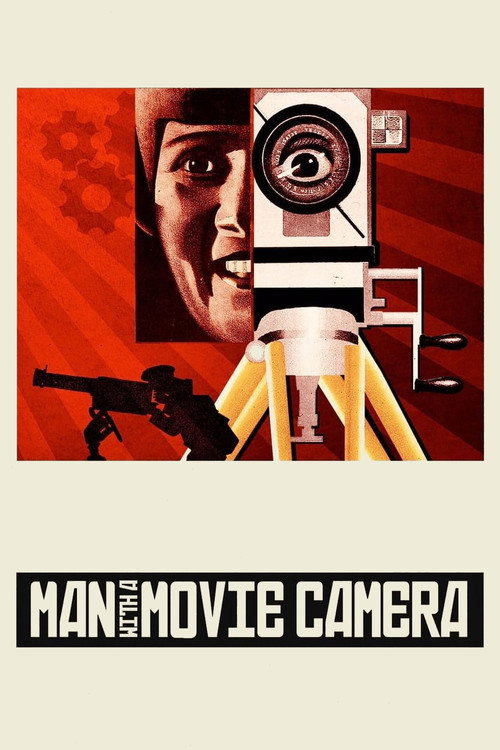
Man with a Movie Camera1929
Dziga Vertov's silent Soviet masterpiece uses montage to reveal how cinema itself can be a tool of revolution. The formal DNA of Concerning Violence traces back here.
But It's nearly a century old and wordless. The rapid-fire editing that was dazzling then can feel repetitive and exhausting now if you're not attuned to experimental cinema.
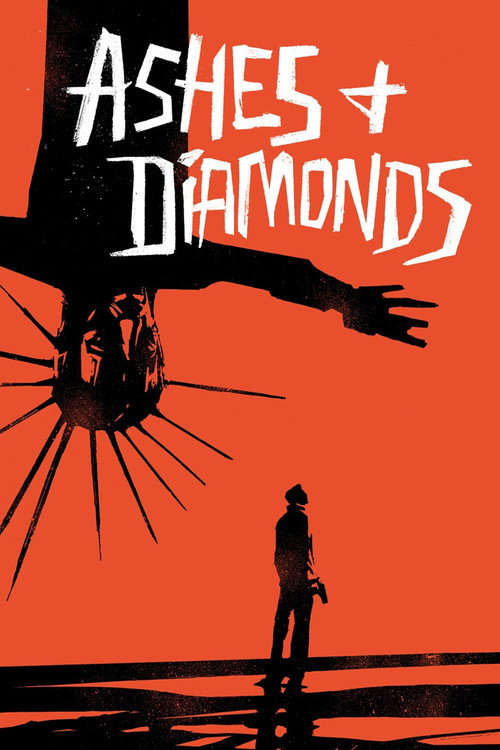
Ashes and Diamonds1958
Andrzej Wajda captures Polish resistance in the final days of WWII with an eye for how personal morality collapses when systems demand violence. Formally gorgeous and spiritually wracked.
But It's a European arthouse film from 1958—black-and-white, slow-burn, emotionally interior. The political context won't resonate unless you're already invested in Polish history.
Shoah1985
Claude Lanzmann's nine-hour oral history of the Holocaust refuses easy comprehension. It's archival testimony as philosophy—asking what can be known and remembered about systematic violence.
But Nine hours. No archival footage, only interviews and landscapes. Deliberately exhausting and abstract. You must commit to its pace or abandon it entirely.

People
Cast
 Lauryn HillNarrator in English version
- Gayatri Chakravorty SpivakSelf - Professor, Columbia University
- Gaetano PaganoSelf - Reporter (voice) (archive footage)
- Tonderai MakoniSelf - PhD (archive footage)
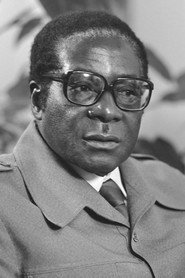 Robert MugabeSelf - ZANU (archive footage)
- Olle WijkströmSelf - CEO Lamco (archive footage)
- William TubmanSelf - President of Liberia (archive footage)
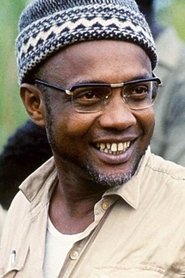 Amílcar CabralSelf - Leader of PAIGC, Guinea-Bissau (archive footage)
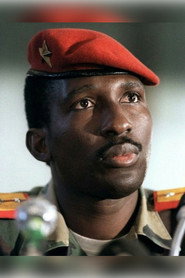 Thomas SankaraSelf - President of Burkina Faso (archive footage)
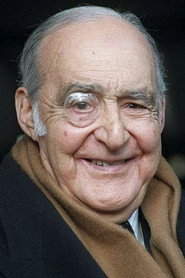 António de SpínolaSelf - Military Governor of Guinea-Bissau (Archive Footage)
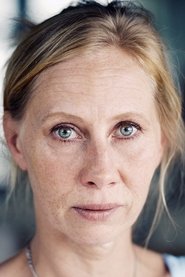 Kati OutinenNarrator in Finnish version
Directing
- Göran OlssonDirector
Writing
- Frantz FanonBook
- Göran OlssonWriter
Production
- Birgitta ÖhrströmAccountant
- Eva KjellinAccountant
- Sarisa MiddletonAccountant
- Corey SmythAssociate Producer
- Matthew PalevskyAssociate Producer
- Susan RockefellerAssociate Producer
- Vaughan GioseAssociate Producer
- Danny GloverCo-Producer
- Ingemar PerssonCo-Producer
- Joslyn BarnesCo-Producer
- Miia HaavistoCo-Producer
- Monica HellströmCo-Producer
- Otto FagerstedtCo-Producer
- Aleksi BardyExecutive Producer
- Annika SucksdorffExecutive Producer
- Annika RogellProducer
- Tobias JansonProducer
- Babak ParhamProduction Assistant
- Lars BildtResearcher
- Nanushka YeamanResearcher