
Film
Trouble the Water
Trouble the Water captures Hurricane Katrina through camcorder footage shot by residents in New Orleans' Ninth Ward, weaving their pre-storm lives with survival and aftermath. It's intimate, raw, and furious—less about disaster porn than about the people the official narrative forgot. Essential witnessing.
Should you watch it?
Watch it if you want raw, first-hand footage of ordinary people deciding for themselves what to do when officials fail them, shot by someone inside the flood zone rather than observing it from outside.
Skip it if you need a clear arc and expert commentary to explain the disaster; this is loose, handheld and often chaotic, with shaky footage and meandering stretches.
What it asks of you: Expect ninety-odd minutes of close quarters and unsteady handheld frames, with a camera that rarely steps back; it rewards sitting through the roughness rather than skimming.
Not sure? Find tonight's pick in a minute.
If you liked this
The World for the Two of Us2022
A documentary about mortality, love, and time that moves with genuine grace. If Trouble the Water shook you, this will steady you with something equally true about how people endure.
But Quieter than you might expect. The emotional intensity is sustained rather than spiking, which demands patience.

13th2016
Ava DuVernay's documentary traces the systemic chains that bind race and incarceration in America. Katrina is one thread in a much longer rope. Direct, unflinching, crucial.
But Relentless. There is no reprieve in the argument, which some find exhausting rather than clarifying.
Fire in Babylon2011
A documentary about the West Indies cricket team that became a political symbol in the 1980s. Like Trouble the Water, it's about people taking power through presence and talent when the system denies them both.
But Cricket knowledge helps but isn't required. Some find sports documentaries slower than they'd like.
Not sure tonight? Get a pick in a minute, starting from Trouble the Water
The wildcard
Something you would not have found on your own.
Nostalgia for the Light2010
Both use landscape and catastrophe to ask what it means to witness, to remember, to survive. Both refuse easy answers and easy catharsis.
Patricio Guzmán's essay-documentary about the Atacama Desert—where Chilean dissidents were buried—and the astronomers who study the sky above it. Katrina devastated a landscape and a people; this film finds transcendence in looking at what survived, literally and spiritually.
But Meditative and philosophical rather than activist. Some find the metaphor-making precious; others find it essential.
More like this (7)
Hoop Dreams1994
A three-hour immersion in the lives of two Black basketball players and their families. Shot over five years, it has the depth and patience that lets you see systemic injustice through living, breathing people.
But Long and sometimes repetitive by design. You have to buy into the slow accumulation of detail.
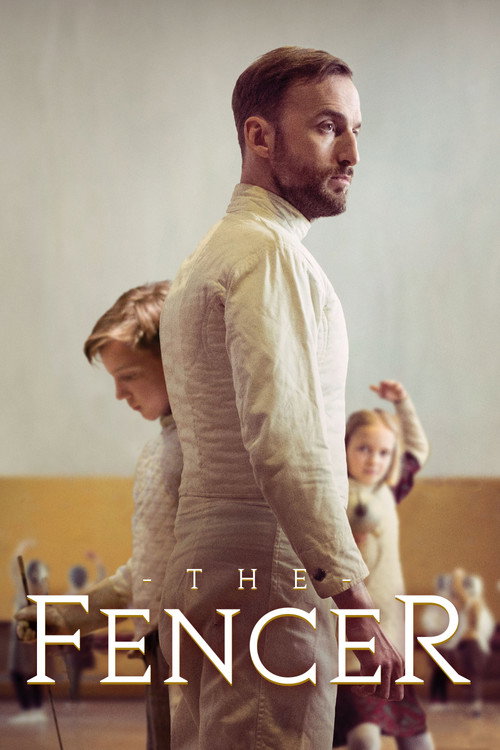
The Fencer2015
A portrait of the U.S.-Mexico border through the people who live against it. Like Trouble the Water, it refuses the headline version and offers something far more human and complicated.
But Distributed quietly; some viewers feel it lacks a clear argumentative through-line.
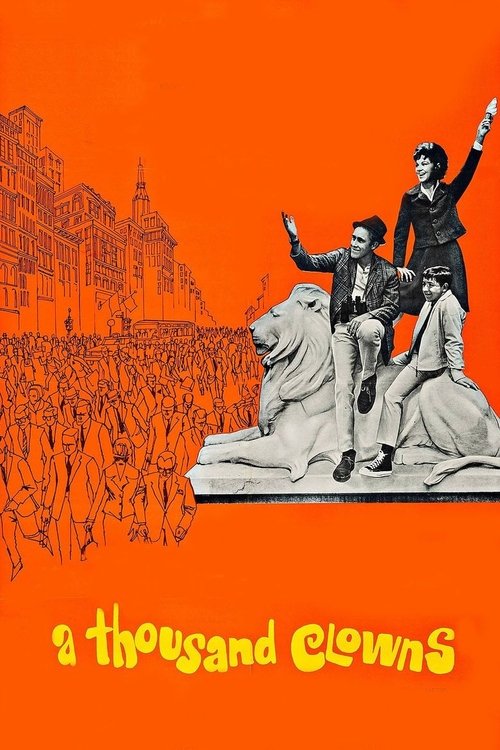
A Thousand Clowns1965
A bright, tender film about refusal and resistance—a man choosing his own terms over society's. A tonic after Katrina's chaos, but with the same insistence that systems are broken.
But Very much a 1960s New York film. The style and rhythm won't speak to everyone.
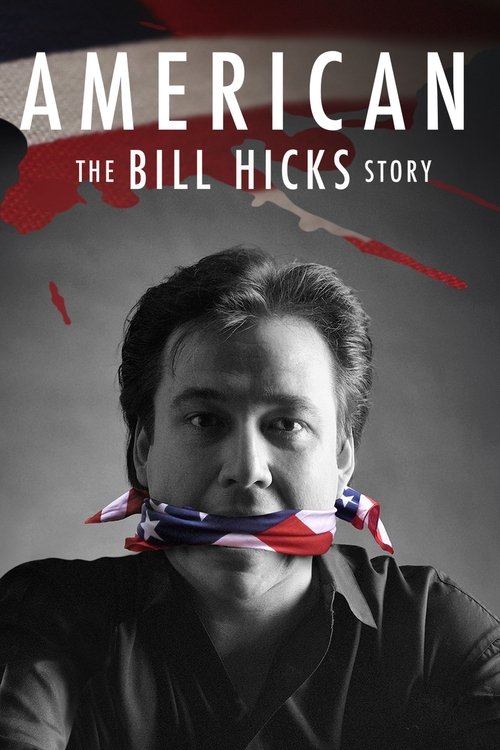
American: The Bill Hicks Story2010
A documentary about a comedian who spoke truth to power before it killed him. Like Trouble the Water, it's about someone the system wanted invisible refusing to be silent.
But Comedy documentaries can feel slight. This one earns its weight, but not everyone buys that premise.
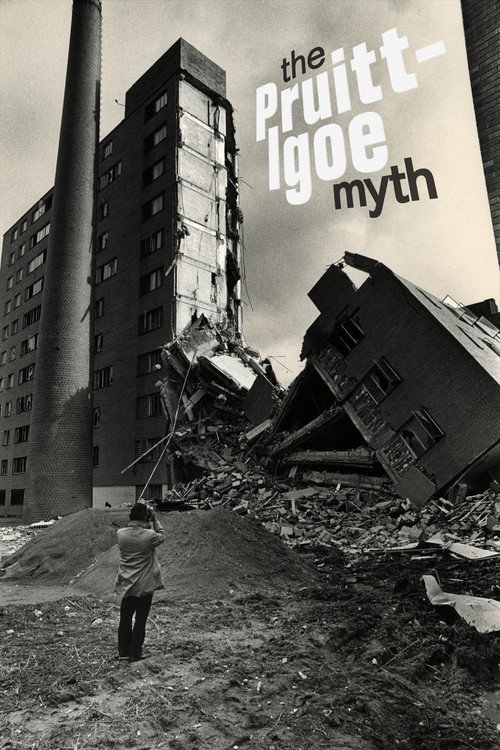
The Pruitt-Igoe Myth2012
A documentary that reframes a St. Louis housing project as something more than a symbol of urban decay—it's a history of deliberate neglect. A parallel study in how America abandons its own.
But Academic tone. Some find it more essay than narrative, which distances rather than connects.
The Act of Killing2012
Both understand that firsthand accounts—even twisted or self-serving ones—reveal truth that official narratives obscure. Both trust cameras to tell stories authorities don't want told.
A documentary asking perpetrators of Indonesian mass murder to reenact their crimes. Horrifying and brilliant. It shares Trouble the Water's conviction that bearing witness—in all its discomfort—is how we hold truth.
But Genuinely disturbing. The moral questions it raises are never resolved. Some feel complicit just watching.

Stalker1979
Both are ultimately about the value of proximity and witness—standing close to something that matters, even when (or especially when) it offers no comfort. Both resist the impulse to look away or summarize.
Andrei Tarkovsky's science-fiction film about a guide leading two men through a mysterious zone to a room that grants wishes. Slow, meditative, obsessed with what we actually want versus what we claim to want. Completely different surface, same depth.
But Soviet experimental cinema from 1979. Subtitled, 160 minutes, zero action. Demands you meet it halfway.

People
Cast
- Scott RogersSelf
 George W. BushSelf (archive footage)
- Michael BrownSelf (archive footage)
 Julie ChenSelf - Reporter (archive footage)
- Ray NaginSelf (archive footage)
- Brian NoblesSelf
- Wink RiversSelf
- Scott RobertsSelf
- Larry SimsSelf - Resident
 Shepard SmithSelf (voice) (archive sound)
Directing
- Carl DealDirector
- Tia LessinDirector
Production
- Danny GloverExecutive Producer
- David AlcaroExecutive Producer
- Joslyn BarnesExecutive Producer
- Todd OlsonExecutive Producer
- Carl DealProducer
- Tia LessinProducer