
Film
The Fencer
A quiet Estonian drama about a fencer hiding from Soviet persecution who finds unexpected purpose teaching at a rural school. It moves with the deliberate pace of its protagonist—watchful, tense beneath stillness—and finds humanity in the space between what people say and what they risk. For those who prize character and consequence over plot.
Should you watch it?
Watch it if you like quiet, restrained historical dramas where the weight comes from what people won't say, and a story about a man trying to keep his head down under Soviet rule.
Skip it if you want sport-driven drama with rousing bouts and a clear arc; the fencing is sparing and the mood stays austere, so it can feel slow.
What it asks of you: A measured, unhurried rhythm across roughly ninety-eight minutes, with long stretches of silence and watchful faces, rewards patience more than it hands you answers.
Not sure? Find tonight's pick in a minute.
If you liked this
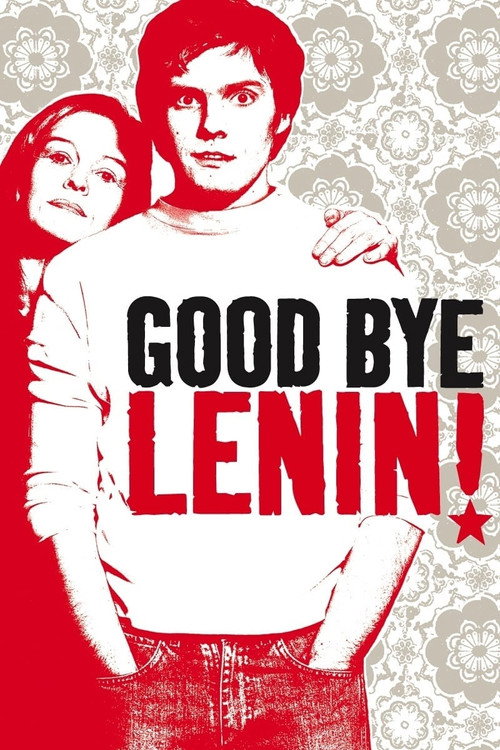
Good Bye, Lenin!2003
A German family navigates the fall of the Berlin Wall with dark humour and genuine heartbreak. Like The Fencer, it's about people caught between two worlds, unable to simply choose sides, and it finds comedy and tragedy in the same moment.
But The tonal shifts between whimsy and sadness can feel uncertain, and the film asks you to sit with contradictions rather than resolve them cleanly.
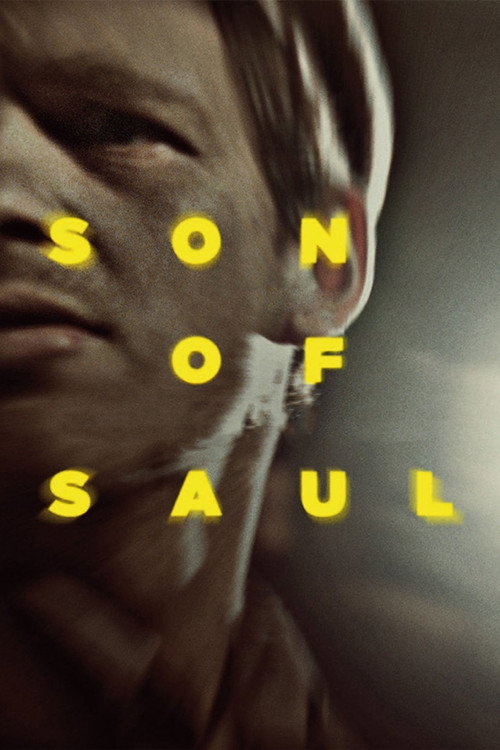
Son of Saul2015
Hungarian cinema at its most unflinching. A single day in Auschwitz seen through one man's narrow focus. Like The Fencer, it trusts you to understand the weight of constraint and what it means to maintain dignity under totalitarianism.
But It is punishing to watch. The subject matter is unbearable, and the formal choices amplify rather than soften that. Not cathartic—clarifying, which is harder.
The Lord of the Rings: The Return of the King2003
Andrei Zvyagintsev's masterpiece. A father returns from twelve years away to take his two sons on a mysterious journey. Profound silence, moral ambiguity, the past as an inescapable force. Estonian restraint in Russian form.
But Deliberately opaque and slow. Some will experience this as depth; others as withholding. There is no moment of explanation or release.
Not sure tonight? Get a pick in a minute, starting from The Fencer
The wildcard
Something you would not have found on your own.
Winter Light1963
Both films depict men in rural communities, isolated by their past and their principles, unable to fully connect even to those they teach. Both shoot in cold greys and demand that you notice what is not said.
Bergman's film about a pastor losing his faith in a small Swedish community. A man at the edge of certainty, teaching and unable to help. Shot in grey and black, it is The Fencer's aesthetic ancestor and its spiritual mirror—both about people trying to do good when the world offers no reason to.
But Glacially slow and theologically dense. Bergman at his most austere. If you need plot or affirmation, this will feel like penance rather than cinema.

More like this (8)
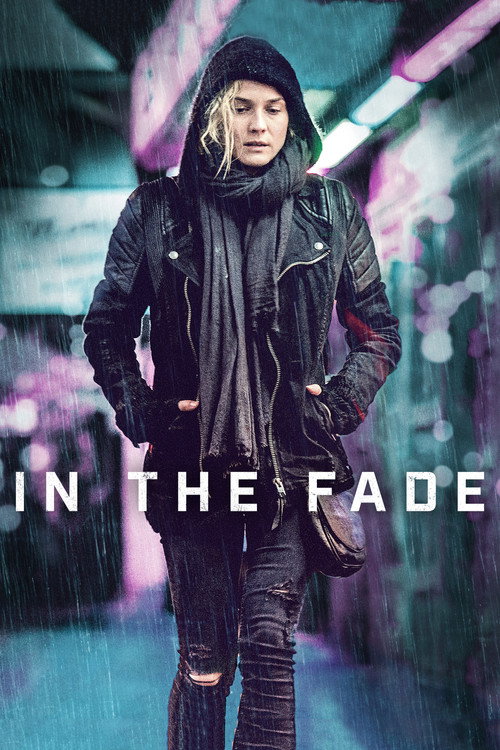
In the Fade2017
A German woman watches her son and husband killed by extremists, then navigates a legal system that seems designed to protect everyone but her. Political and personal collapse under the same weight. Diane Kruger is extraordinary.
But Rage and grief are difficult to sit with. The ending offers no comfort and precious little justice, which is the point but not a relief.
The Lives of Others2006
A Stasi agent in East Berlin begins to question his loyalty as he surveils a playwright. Beautifully structured moral reckoning, the slow crack in a system of control. Both films understand surveillance as a form of intimacy and betrayal.
But Oscar-winning and sometimes taught as allegory, which can make it feel safer than it is. It rewards patient attention more than grand feeling.

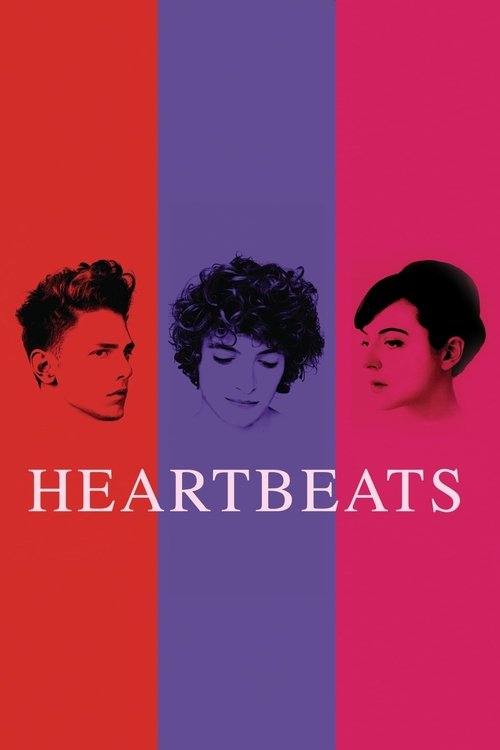
Heartbeats2010
A young man teaches a rural class in Quebec and discovers that education is a form of resistance. Quiet, rigorous, about the quiet courage of staying when leaving would be easier. Similar register entirely.
But Not widely known even among critics, and for a reason—it offers no dramatic breakthroughs, just the persistence of someone doing right work.
The Seventh Seal1957
Bergman's knight plays chess with Death itself. If you want to understand cinema about mortality, choice, and the search for meaning under duress, this invented the language. The Fencer uses it more quietly, but the questions are the same.
But Its reputation precedes it, which makes it harder to see clearly. It can read as ponderous if you're not in the mood for metaphysics and stark black-and-white beauty.

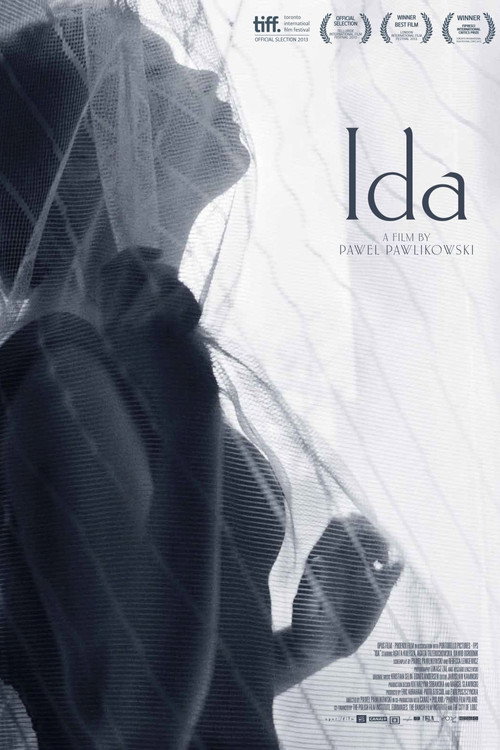
Ida2013
A young Polish nun asks her aunt a question about the past that unravels everything. Shot in black and white, composed like a series of paintings. About the refusal to look, and what happens when you do.
But Formally rigorous to the point of coldness. Some viewers find the discipline beautiful; others find it withholding. It does not bend toward you.
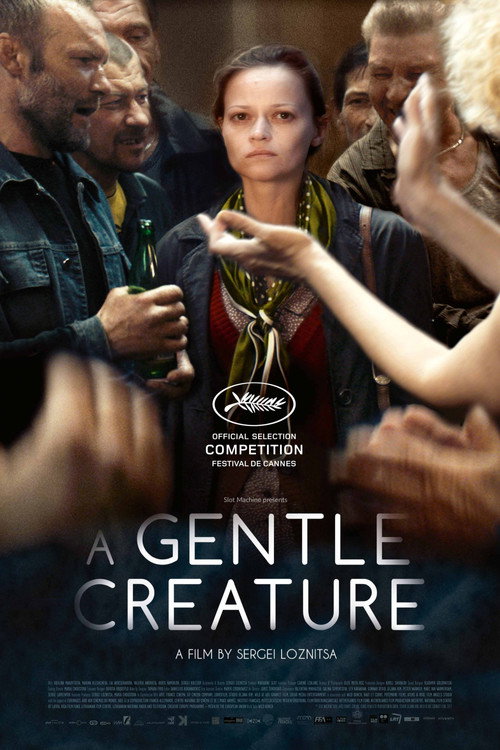
A Gentle Creature2017
A man returns from prison to find his wife has vanished and must trace her through an indifferent bureaucracy. Russian cinema examining the ways systems crush individuals. Harrowing and precise.
But Relentlessly bleak and structured almost as an accusation. If you watch it hoping for catharsis, you will leave angry, which may be the intention but won't feel like entertainment.
Moonlight2016
Both films understand that survival often requires a kind of performed self, and both honor the quiet dignity of people who have learned not to trust. Both find profound intimacy in silence.
Three chapters of a Black man's life in Miami, seen through water and light and long silences. Plot is minimal; the texture is everything. Like The Fencer, it trusts you to understand constraint, hiding, the cost of becoming who you need to be just to survive.
But Entirely driven by mood and visual language rather than incident. Some find this transcendent; others find it too slow to carry weight. Requires active watching and offers no plot summary to hide behind.

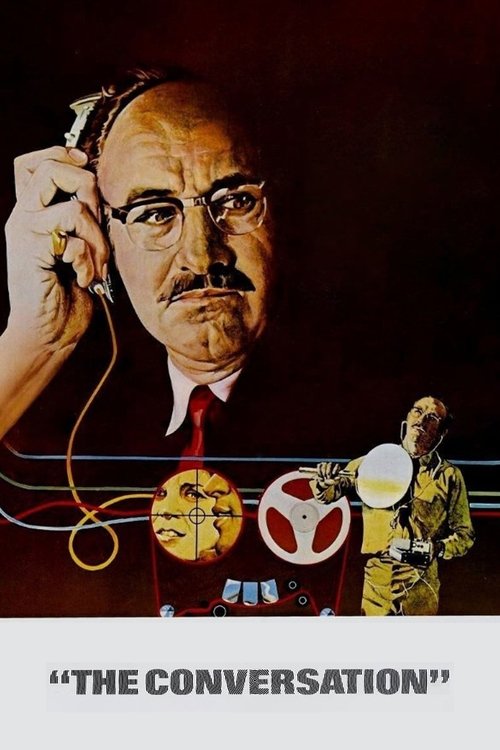
The Conversation1974
Both films see surveillance and teaching as forms of power, and both examine men who use that power and are destroyed by their own moral awareness. Both are about the burden of seeing clearly.
Gene Hackman as a surveillance expert who becomes entangled in the moral weight of what he has witnessed. Paranoia and conscience slowly destroying a man. Made in 1974 but prophetic—about how observation corrupts the observer, and what we owe to people we've seen clearly.
But A political thriller from another era that moves like a character study. If you expect action or resolution, you'll find it frustratingly internal. And it will make you uncomfortable about what we are always watching.
People
Cast
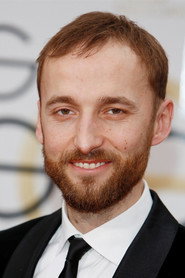 Märt AvandiEndel
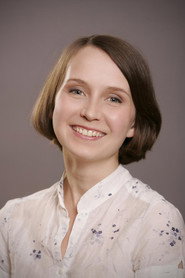 Ursula RataseppKadri
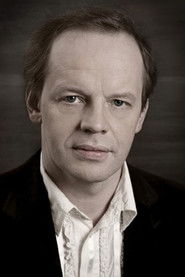 Hendrik ToomperePrincipal
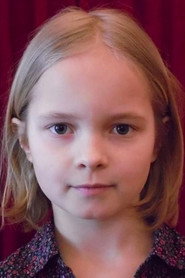 Liisa KoppelMarta
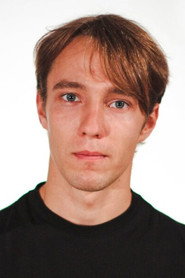 Joonas KoffJaan
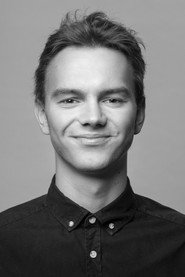 Egert KadastuToomas
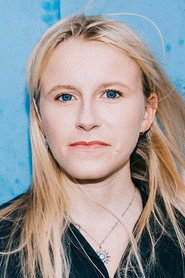
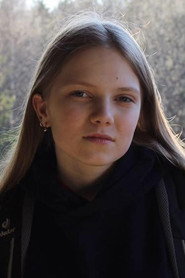 Elbe ReiterTiiu
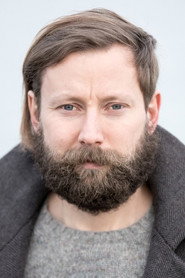 Jaak PrintsPrincipal's Assistant
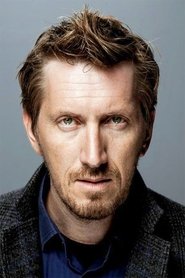 Kirill KäroAleksey
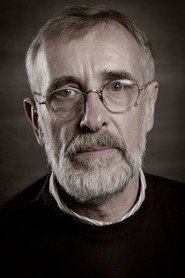 Lembit UlfsakJaan's Grandfather
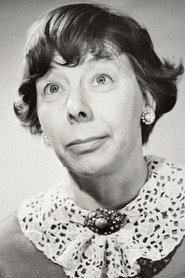 Leida RammoDormitory Receptionist
Directing
- Triin TensoContinuity
- Triin TuruContinuity
- Klaus HäröDirector
- Jouni MutanenFirst Assistant Director
- Kadri KaskSecond Assistant Director
- Karin MartinsonThird Assistant Director
Writing
- Anna HeinämaaWriter
Production
- Piret Toomvap-SchönbergCasting
- Kaire EverCasting Assistant
- Franz HirnerLine Producer
- Johanna TrassLine Producer
- Kristofer PiirLocation Manager
- Ivo FeltProducer
- Jörg BundschuhProducer
- Kaarle AhoProducer
- Kai NordbergProducer
- Birgit PodelskyProduction Assistant
- Maria KallasteProduction Assistant
- Camilla O'ConnorProduction Manager
- Moritz BundschuhProduction Manager