
Film
Postcards from America
- Drama
- Very dark
A 1995 meditation on displacement and desire in AIDS-era New York. Director Steve McLean traces one man's path from suburban childhood through sex work to illness with unflinching tenderness. It's contemplative rather than sensational, moving between time periods to ask what survival means. For those willing to sit with difficult truths about bodies, shame, and love.
If you liked this
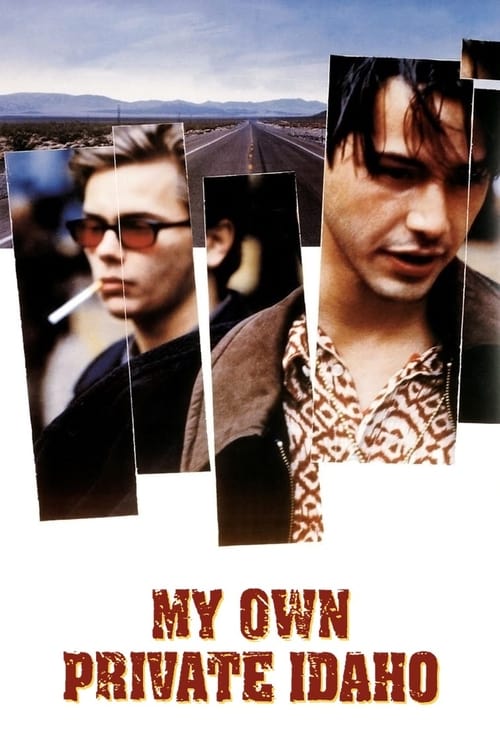
My Own Private Idaho1991
Gus Van Sant's portrait of street hustlers in Portland has the same poetic melancholy and refusal to sentimentalize its subjects. It finds dignity and beauty in precarity without looking away from harm.
But The narrative is deliberately fragmented and dreamlike. Some find it meandering; others consider that the entire point.
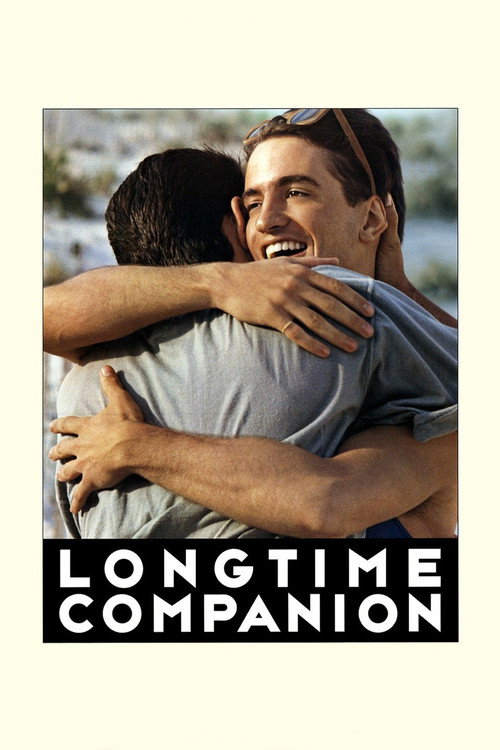
Longtime Companion1989
Follows a circle of gay men through the early years of the AIDS crisis with rare emotional honesty. It captures both the mundane textures of friendship and the weight of collective catastrophe.
But It can feel dated in pacing and some performances, though that's partly the artifact of watching it now, from safety.
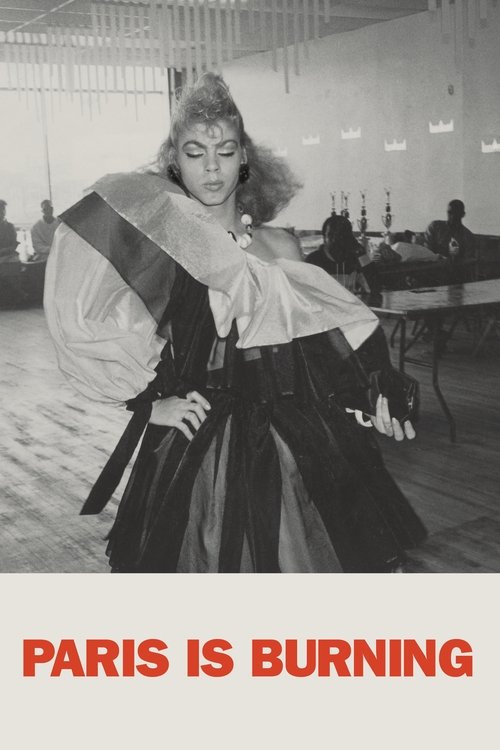
Paris Is Burning1991
Jennie Livingston documents New York's ballroom scene with anthropological care and genuine affection. The people are vivid; the stakes are real. It's exuberant and heartbreaking in equal measure.
But Some subjects passed away during or shortly after filming. That context can make joy on screen feel complicated to witness.
Not sure tonight? Get a pick in a minute, starting from Postcards from America
The wildcard
Something you would not have found on your own.
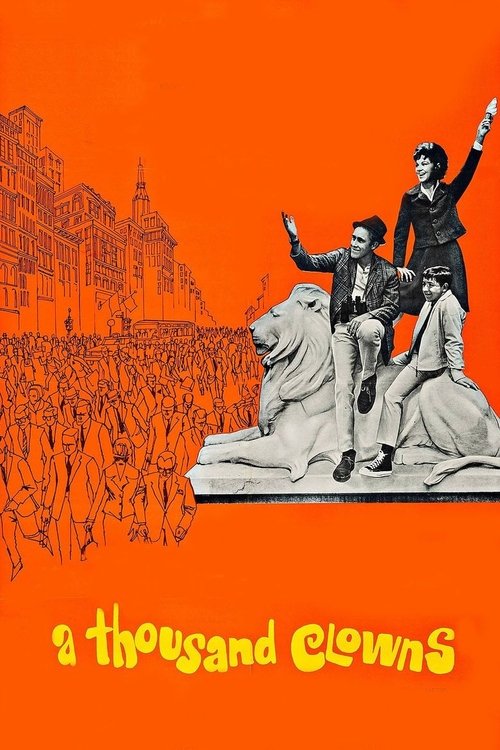
A Thousand Clowns1965
Both are about men existing outside mainstream society's structures and the love that sustains them through isolation.
Fred Coe's adaptation of Herb Gardner's play is about a man and boy rejecting the world's demands to live authentically together. It predates Postcards by three decades but shares its meditation on the cost of nonconformity and the fragility of chosen family.
But It's a comedy from a gentler era. The tone is often light; it can feel almost quaint next to material about survival and AIDS. The relationship between the men is also deeply tied to the play's era.
More like this (8)
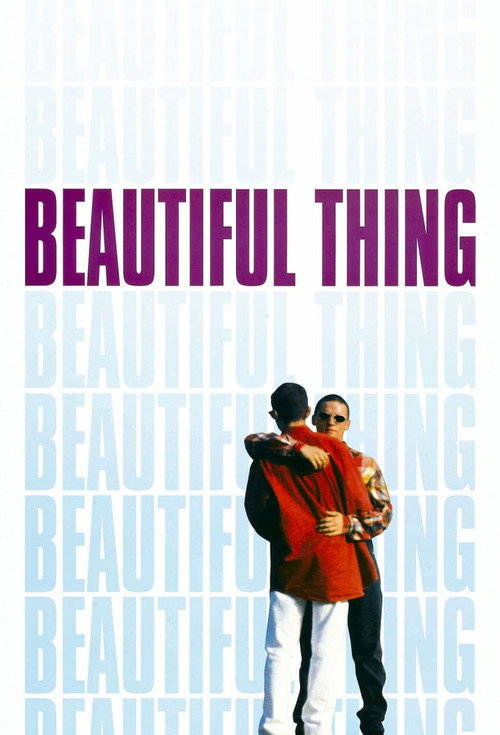
Beautiful Thing1996
A quieter story of two working-class boys discovering each other in South London. It has tenderness without melodrama, and it trusts its audience to find depth in small moments.
But The lightness of tone might feel incongruous if you're expecting something heavier. It chooses hope over tragedy.
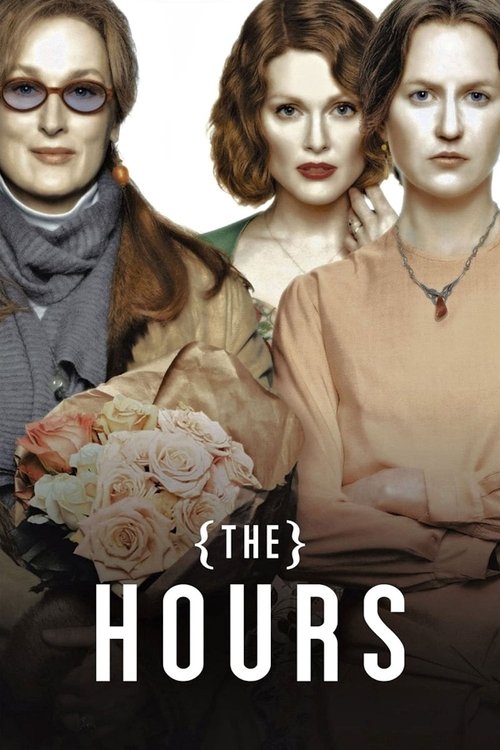
The Hours2002
Three women's lives across different eras, all shaped by desire, illness, and the search for meaning. It has similar structural ambition—time as theme—and asks how we live when living feels impossible.
But The film is literary and interior. It demands patience. Some scenes move at a funeral pace.
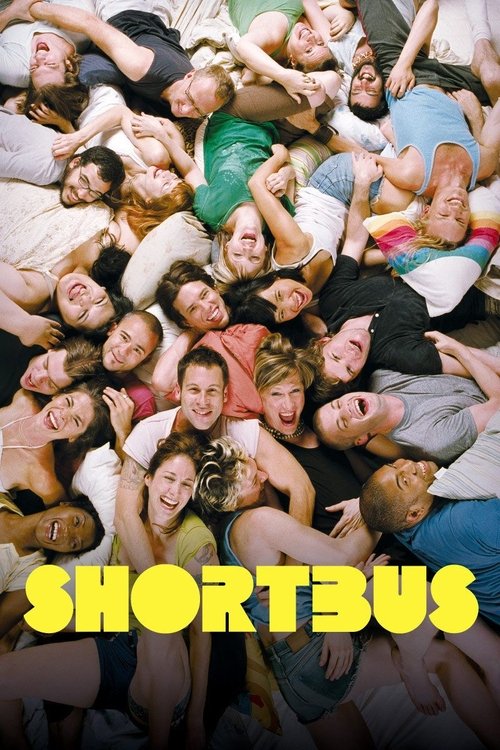
Shortbus2006
John Cameron Mitchell's portrait of disconnected New Yorkers seeking connection through bodies and art. It's sexually explicit without being exploitative, and genuinely curious about how we touch each other.
But The graphic sexual content is central, not incidental. It will alienate viewers looking for metaphor instead of directness.
Before the Law2012
Kareem Abuelfadl's documentary about a homeless trans woman in Cairo unfolds with patience and dignity. It shares Postcards' refusal to pity its subject or reduce them to their circumstances.
But Very little happens in conventional narrative terms. The appeal is entirely in the quality of attention paid to one life.

Chloe2010
Dennis Dumont's spare portrait of a young woman in Montreal, drifting through sex and survivalism. It has the same grey aesthetic and willingness to let moments breathe without explanation.
But It's extremely slow. Some will call it meditative; others will find it glacial and frustrating.

We Are the Best!2013
Lukas Moodysson captures the energy and longing of teenage girls forming a punk band in 1980s Stockholm. Joyful, awkward, and alive in ways that feel honest without condescension.
But It's fundamentally optimistic in a way that might feel naive if you're attuned to the film's darker possibilities.

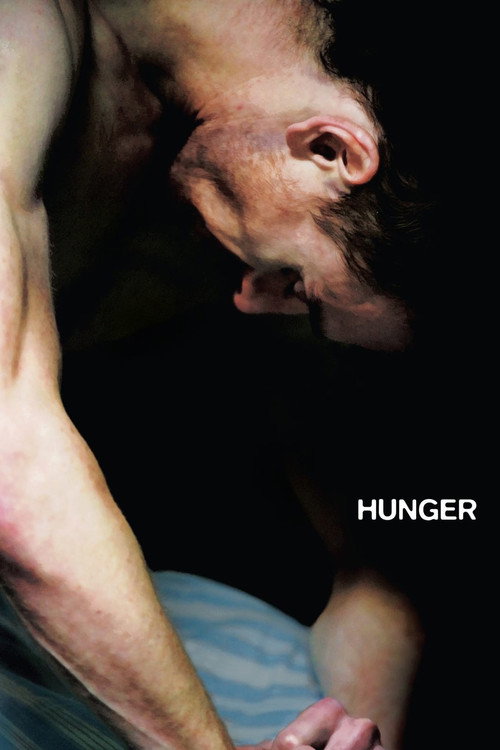
Hunger2008
Both artists use time and the body to explore resistance, choice, and what it means to die with agency. Both demand something of the viewer beyond empathy.
Steve McQueen's debut follows Bobby Sands' final hunger strike in Northern Ireland with rigorous, almost abstract intensity. Like Postcards, it uses the body as text and refuses to turn suffering into spectacle or sentiment.
But It is extremely austere and painful to watch. McQueen holds on suffering. If you need narrative comfort, this will feel like punishment.
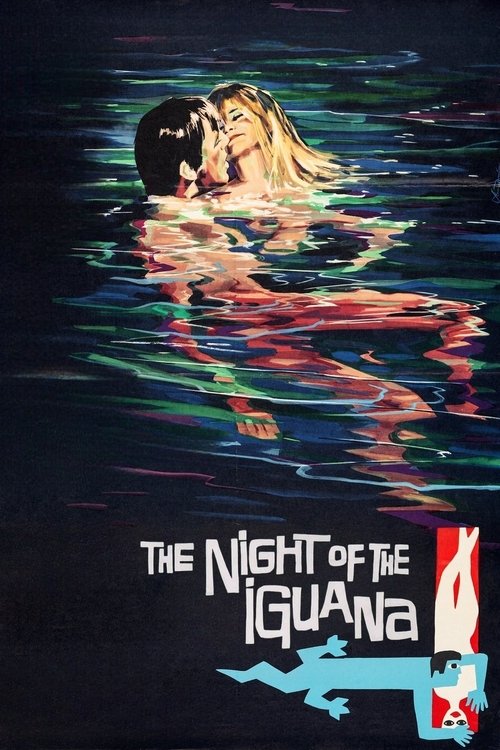
The Night of the Iguana1964
Both find profound sadness and strange grace in men outside society's structures, moving through landscapes shaped by their own choices and limitations.
John Huston adapts Tennessee Williams with sensual intelligence. It's about a defrocked minister adrift in Mexico, seeking connection and redemption in a small hotel. The mood is elegiac and oddly compassionate about human wreckage and desire.
But It's from a completely different era and doesn't engage with queer identity as such. The comparison requires patience with cultural distance.
People
Cast
 James LyonsAdult David
- Michael TigheTeenage David
- Olmo TigheYoung David
 Michael ImperioliThe Hustler
- Michael RingerFather
 Maggie LowMother
 John VentimigliaDriver
 David StricklandDriver
 Brad HuntDriver
- Jason EmardDriver
- Joe MarshallDriver
- Jeffrey SteeleDriver
Directing
- Steve McLeanDirector
- Derrick KardosSecond Assistant Director
Writing
- David WojnarowiczOther
- Steve McLeanWriter
Production
- Joel HinmanAssociate Producer
- Olivier Renaud-ClémentAssociate Producer
- Pamela KofflerAssociate Producer
- Philip YenswineAssociate Producer
- Daniel HaugheyCasting
- Scott McLeanCo-Producer
- Mark NashExecutive Producer
- Christine VachonProducer
- Craig PaullProducer