
Film
Shortbus
- Social drama
- Strange
John Cameron Mitchell's debut feature is a kaleidoscopic portrait of desire, loneliness, and connection in post-9/11 New York. Explicit but warm, funny, occasionally heartbreaking, it follows a loose constellation of characters orbiting an underground salon where art and sex and politics collide. It's for adults who want cinema that doesn't look away.
If you liked this
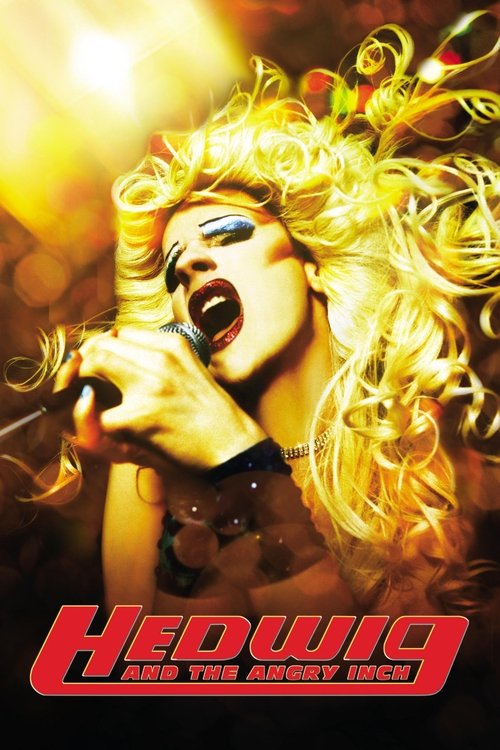
Hedwig and the Angry Inch2001
A transgressive musical about identity, loss, and rock and roll that shares Mitchell's gift for blending raw sexuality with genuine tenderness and anarchic humour. Visually inventive and emotionally devastating.
But The songs are deliberately jarring, and the tonal shifts from comedy to tragedy can feel abrupt if you're not in the mood for that kind of emotional whiplash.
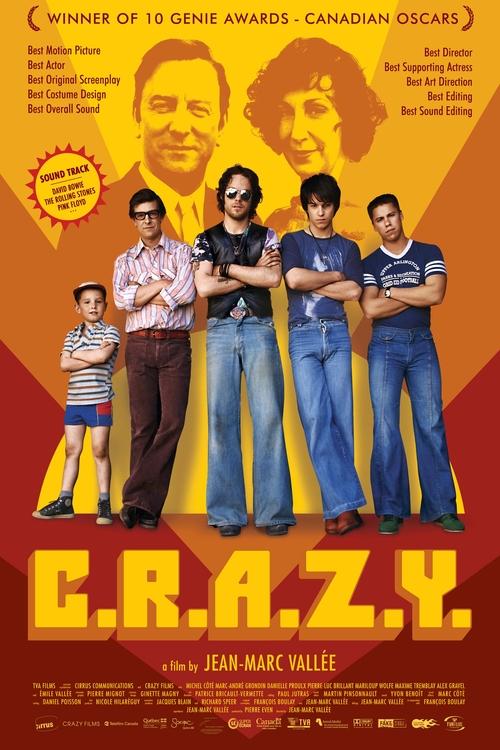
C.R.A.Z.Y.2005
A French-Canadian coming-of-age epic about a queer boy in a conservative family. It shares Shortbus's refusal to sentimentalize desire or reduce sexuality to a single story. Gorgeous, funny, surprisingly moving.
But It's two and a half hours and moves at its own unhurried pace. The family dynamics can feel claustrophobic by design, which some find draining.
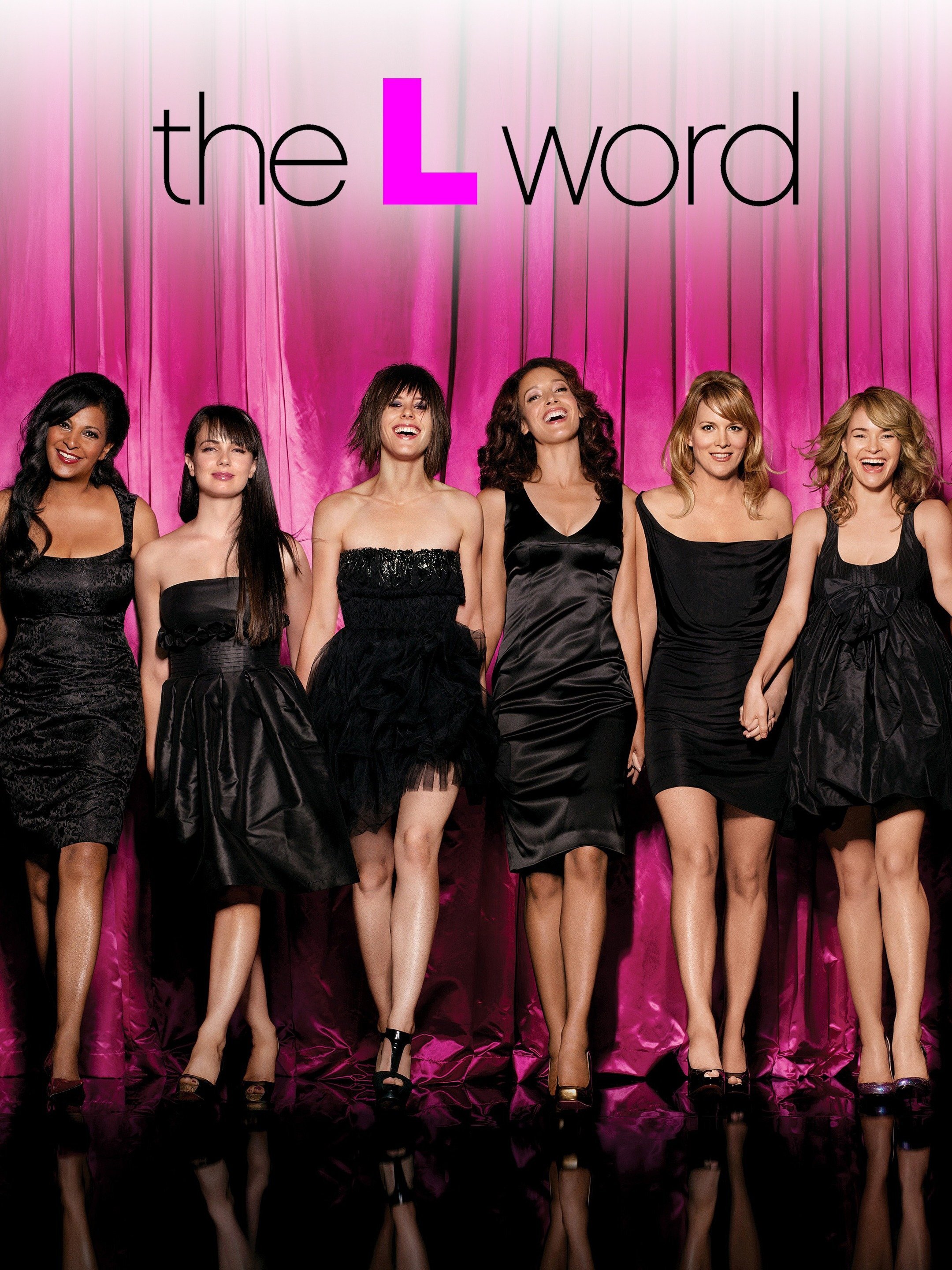
The L Word2004
A soapy ensemble drama about queer lives in Los Angeles that's unafraid of sex, politics, and complicated desire. It has Shortbus's refusal to make queerness the entire personality, even as it's central to everything.
But Early seasons can feel melodramatic. The later seasons lose focus. Some storylines exist purely to generate drama rather than explore character.
Not sure tonight? Get a pick in a minute, starting from Shortbus
The wildcard
Something you would not have found on your own.
Chungking Express1994
Both films treat longing as the real subject. The plot is just the shape that longing takes.
Wong Kar-wai's neon-soaked romance about two lovelorn people in Hong Kong. It's radically different in form—dreamy, visual, meditative—but shares Shortbus's fundamental belief that desire and vulnerability and chance encounters are what make us human.
But The narrative is fragmented and barely there. The film privileges mood and colour over plot. It requires patience and won't give you conventional story beats.

More like this (6)
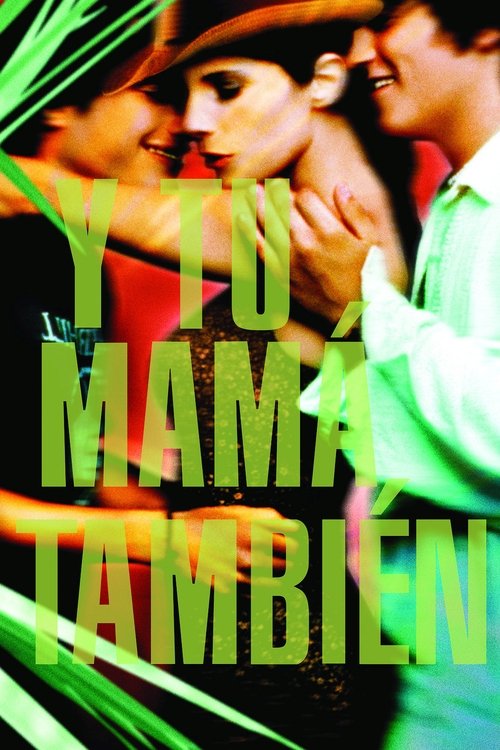
Y Tu Mamá También2001
Two teenage boys and a woman road-trip across Mexico. Like Shortbus, it's interested in how desire operates across class, age, and circumstance, and how sex and intimacy are separate things entirely.
But The camera leers. Women are largely objects. It's a film about desire made from a male gaze that younger viewers might find difficult.
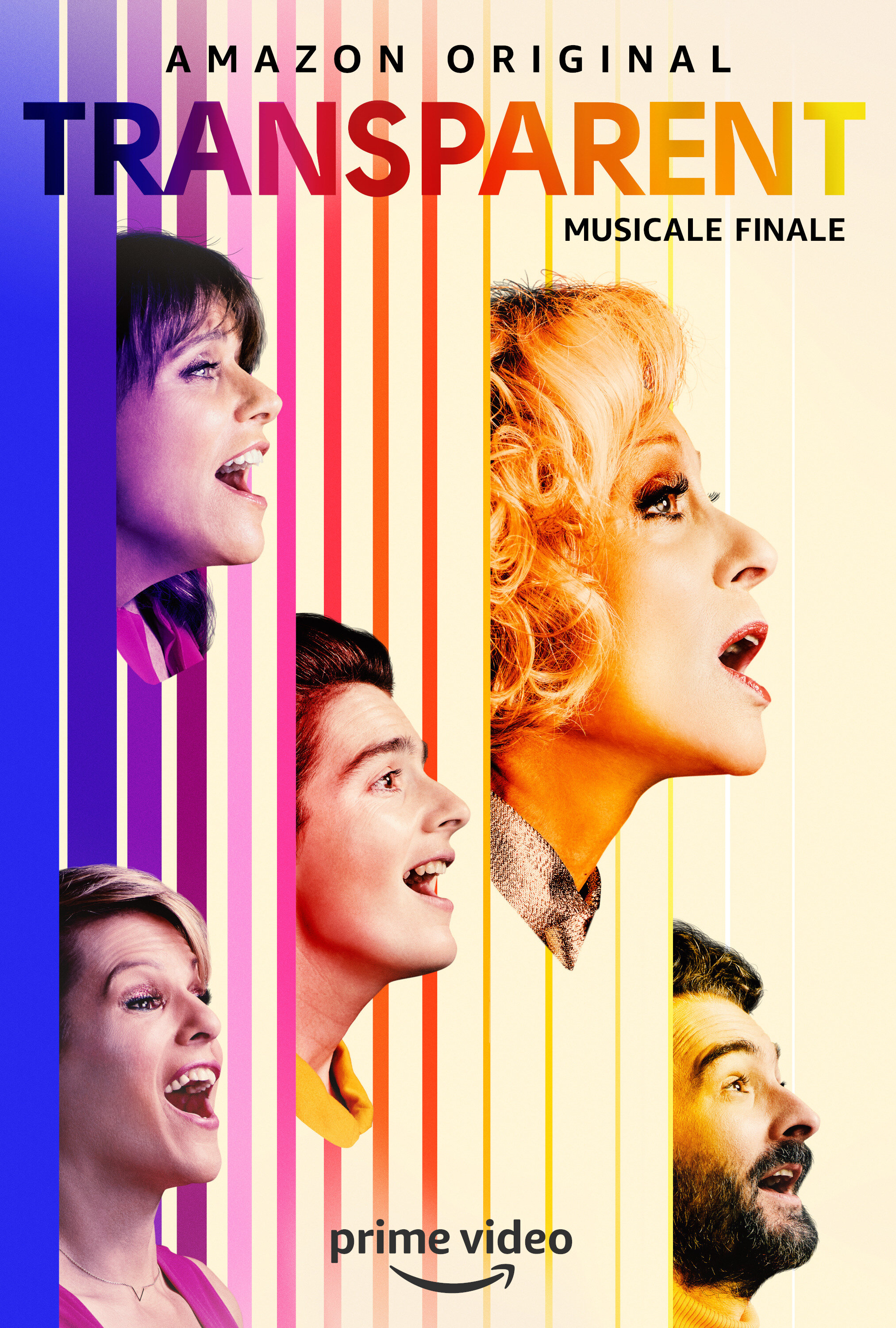
Transparent2014
An ensemble drama centred on a trans mother coming out to her family. It's messy, sexual, complicated, and deeply unsentimental about desire and identity. No easy answers, all difficult growth.
But The Pfefferman family are often unbearable. The show is exhausting because living with them is meant to be. Some viewers find it unrelentingly bleak.
Weekend2011
Two men meet in a nightclub and spend a weekend discovering each other in real time. Intimate, conversational, sexually frank. It's about the terror and possibility of genuine connection with another person.
But It's a two-character chamber piece filmed almost entirely in a flat. If you need external plot, you'll feel trapped.

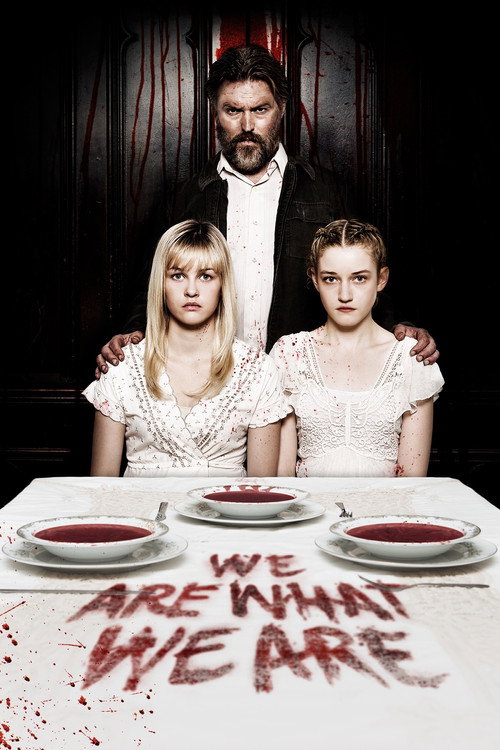
We Are What We Are2013
A family's rituals collide with the outside world when the mother dies. It's darkly comic, visceral, and interested in how bodies and desire and identity are tangled up with family obligation and survival.
But It's about cannibalism. The explicit violence and the sexual imagery are bound together in ways some find gratuitous rather than illuminating.
Pariah2011
A queer Black teenager navigates New York, church, family, and first desire. It's a coming-of-age film that trusts its audience and its protagonist, never explaining queerness or making it apologetic.
But The mother is a hard character to love, and her beliefs are presented without editorializing. Some feel the film doesn't judge her harshly enough.

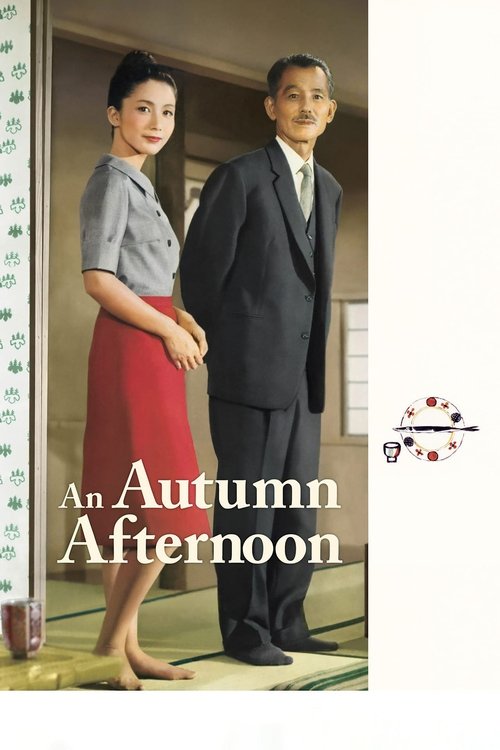
An Autumn Afternoon1962
Both believe that the small, interior moments—where desire and obligation collide—are where life actually happens.
Ozu's quiet masterpiece about an aging father letting his daughter go, about duty and desire in conflict. Japanese cinema from a different era entirely, but it's asking: what do we owe ourselves versus what do we owe others? And how do we live with that?
But It's formally austere. Static camera, minimal dialogue, no music. It moves like a poem, not a narrative. If you expect cinema to go somewhere, it won't.
People
Cast
 Sook-Yin LeeSofia
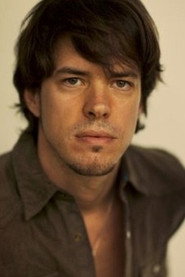 Paul DawsonJames
 PJ DeBoyJamie
 Lindsay BeamishSeverin
 Jay BrannanCeth

 Adam HardmanJesse
 Peter SticklesCaleb
- Alan MandellTobias, the Mayor
 Stephen Kent JusickCreamy
 David PittuJacuzzi Hunter
- Jeff WhittyJacuzzi Hunted
Directing
- John Cameron MitchellDirector
Writing
- John Cameron MitchellScreenplay
Production
- Bobbi ThompsonCo-Executive Producer
- Richie JacksonCo-Executive Producer
- Pamela HirschCo-Producer
- Michael J. WernerExecutive Producer
- Wouter BarendrechtExecutive Producer
- Howard GertlerProducer
- John Cameron MitchellProducer
- Tim PerellProducer