
Film
The Lower Depths
Other titles called The Lower Depths: the 1936 film.
- Drama
- Very dark
Kurosawa's chamber piece set in a squalid boarding house where poverty, desire, and shame simmer until they boil over. It's intimate, claustrophobic, and deeply humane—less a story about plot than about how people survive indignity together. For anyone who finds character more gripping than action.
If you liked this
Ikiru1952
Kurosawa's masterpiece about a dying man searching for meaning. It has the same quiet devastation as Lower Depths—less about what happens than about how people endure and connect across impossible circumstances.
But It moves slowly and deliberately, and the emotional weight can feel heavy. Not a film that offers escape.

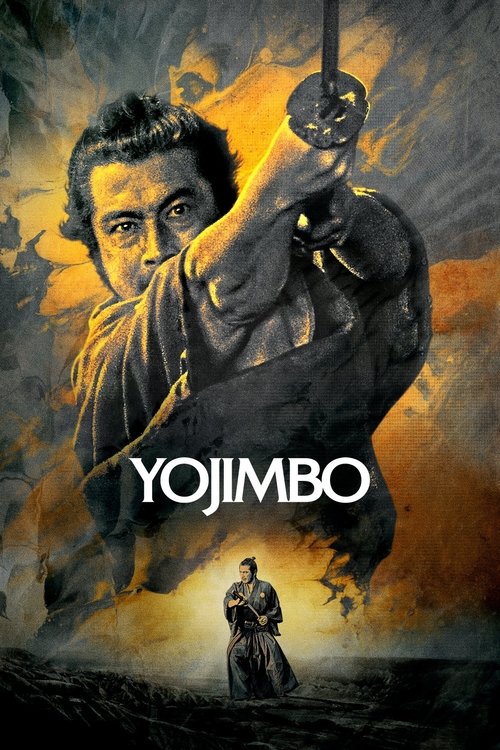
Yojimbo1961
Mifune again, but as a cynical wanderer moving through a corrupt town. It shares Lower Depths' appetite for morally grey characters and shows Kurosawa's range—same actor, completely different register.
But The tone is lighter and more playful, which means it might feel like a step sideways rather than deeper into the territory.
Tokyo Story1953
Ozu's meditation on family, time, and quiet disappointment. Like Lower Depths, it finds profound humanity in ordinary moments and unspectacular lives, with barely a plot to speak of.
But It's even slower than Kurosawa. Some find it contemplative; others find it glacial.

Not sure tonight? Get a pick in a minute, starting from The Lower Depths
The wildcard
Something you would not have found on your own.
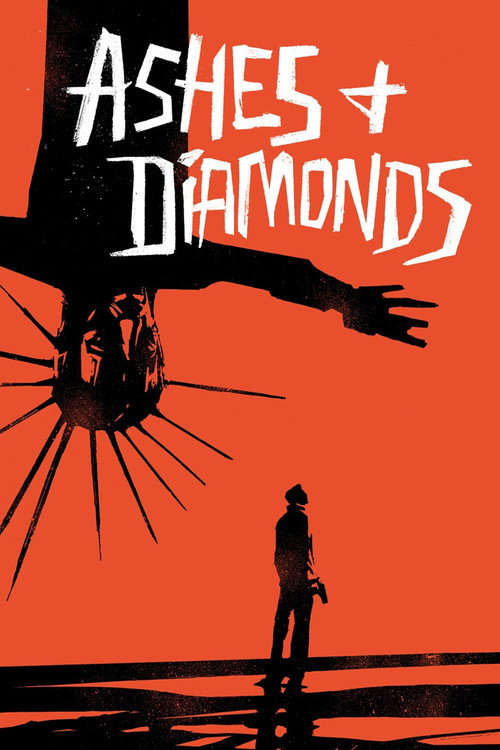
Ashes and Diamonds1958
Both trap their characters in claustrophobic spaces during historical rupture. Both ask: when the world is breaking, what do you owe the people beside you?
Andrzej Wajda's Polish masterpiece about a young assassin in the hours after World War II ends. It shares Lower Depths' interest in people cornered by circumstance, but trades the boarding house for a collapsing empire. The moral confusion runs deeper.
But It's more overtly political and formally ambitious than Lower Depths. Its visual restlessness—Wajda is after beauty and meaning—might feel agitated after Kurosawa's stillness.
More like this (8)
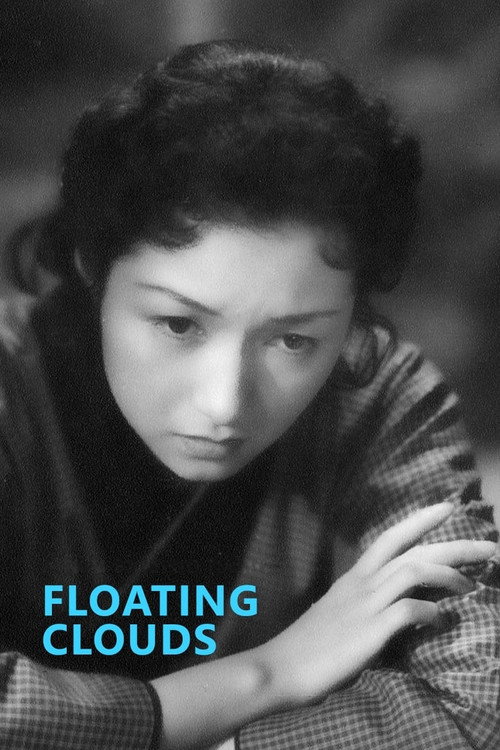
Floating Clouds1955
Mizoguchi's tragic romance set against post-war Japan's rubble. It shares Lower Depths' refusal to judge its characters and its belief that beauty and sorrow coexist in damaged lives.
But The pacing is deliberate and the ending is bleak. It asks patience and offers no comfort.
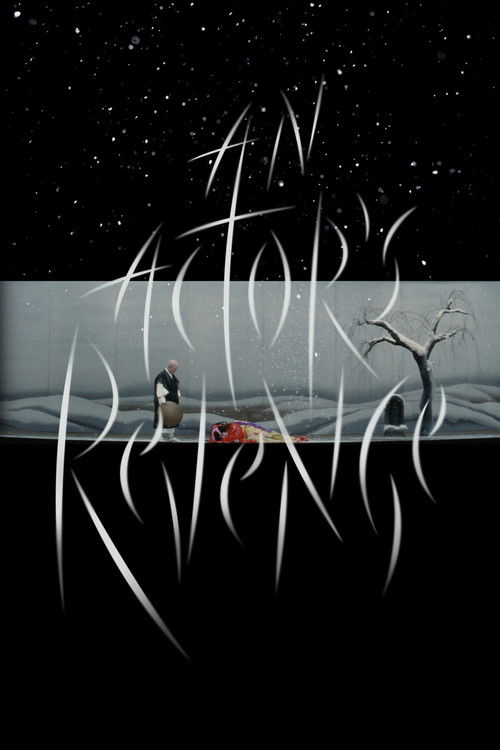
An Actor's Revenge1963
Hasegawa as an actor playing an avenger in a kabuki-influenced revenge tale. Like Lower Depths, it explores performance, identity, and the masks people wear—but with more visual flamboyance and intricate plotting.
But Its stylization might feel theatrical in a way Lower Depths deliberately avoids. Some will find it gorgeous; others mannered.
The Ballad of Little Jo1993
A woman passes as a man in the Old West. It shares Lower Depths' interest in desperation as survival strategy and in people remade by circumstance. Quieter than you'd expect.
But It's a western, and its indie-film aesthetic from the '90s might feel distant from the Japanese classical context you're coming from.

Sans Soleil1983
Marker's essayistic meditation on memory, time, and human connection across cultures. Like Lower Depths, it moves by association rather than narrative, finding profundity in fragments of ordinary life.
But It's abstract and associative rather than dramatic. If you need character and story, this dissolves both into philosophy.

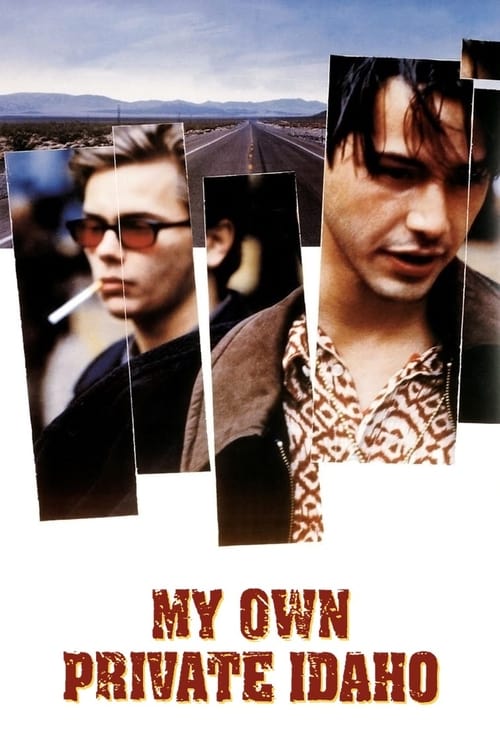
My Own Private Idaho1991
Van Sant's portrait of street hustlers and outsiders searching for connection. It shares Lower Depths' empathy for the marginalised and its sense that intimacy blooms in unlikely places.
But It's deliberately fragmented and sometimes incoherent. The film mirrors its characters' displacement, which some find profound and others frustrating.
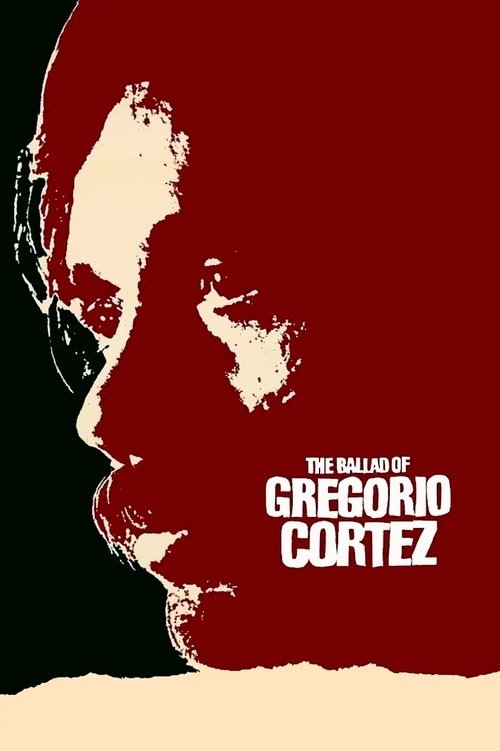
The Ballad of Gregorio Cortez1983
A quiet, meticulous film about a Mexican-American wrongly accused. It has Lower Depths' restraint and its faith that dignified human behaviour speaks louder than melodrama.
But It's genuinely obscure and takes time to develop. Many people have never heard of it, which means no cultural momentum to carry you through.
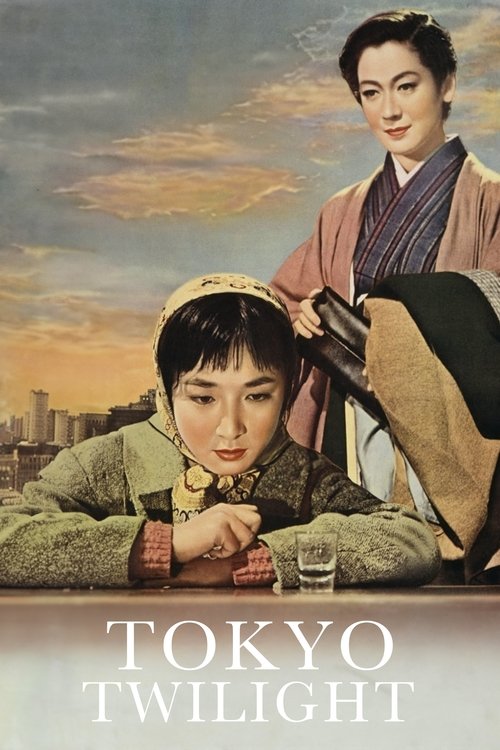
Tokyo Twilight1957
Same year as Lower Depths, same Japanese cinema tradition, but where Kurosawa finds solidarity in poverty, Ozu finds isolation in kinship. See them as counterarguments about what binds people.
Ozu's film about two sisters discovering their mother's infidelity. It sounds like Lower Depths' plot but moves in the opposite direction—instead of strangers learning to live together, family members discover they are strangers. Quieter and more cutting.
But It's austere even by Ozu's standards, and the emotional payoff is refusal rather than resolution. Some will find that perfect; others will feel cheated.
Come and See1985
Both films trust the camera to do the moral work. Neither judges its characters or audience. Both believe that watching human beings suffer without flinching is a form of respect.
Elem Klimov's Belarusian film about a boy conscripted into World War II. It sounds like a war film but is actually about how innocence is destroyed by proximity to evil. Like Lower Depths, it refuses to look away from human degradation—but the scale is apocalyptic instead of intimate.
But It is genuinely difficult to watch. Not tragic or sad, but sickening. Many people find it the most harrowing film ever made, which is a feature, not a bug—but you need to know what you're walking into.

People
Cast
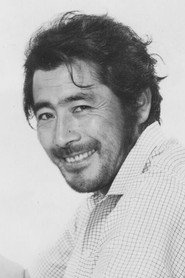 Toshirō MifuneSutekichi the Thief
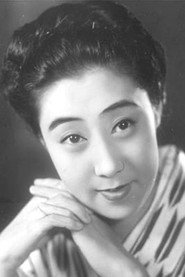 Isuzu YamadaOsugi the Landlady
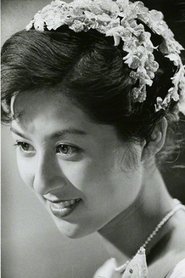 Kyōko KagawaOkayo, Osugi's Sister
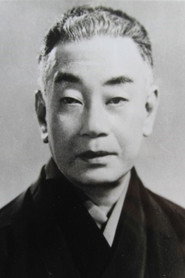 Ganjirō Nakamura IIRokubei, Osugi's Husband
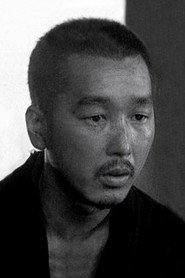 Minoru ChiakiFormer Samurai
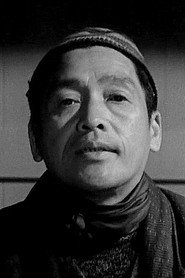 Kamatari FujiwaraThe Actor
 Akemi NegishiOsen the Prostitute
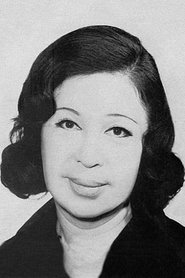 Nijiko KiyokawaOtaki the Candy-Seller
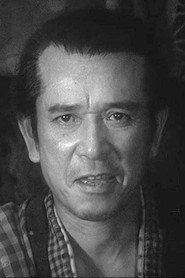 Kōji MitsuiYoshisaburo the Gambler
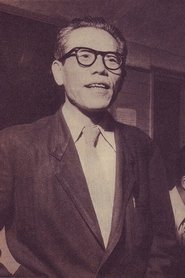 Eijirō TōnoTomekichi the Tinker
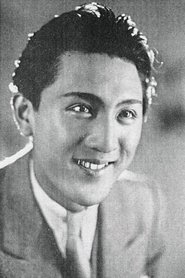 Haruo TanakaTatsu
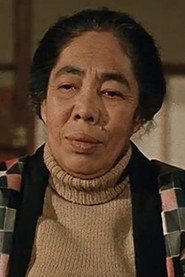 Eiko MiyoshiAsa, Tomekichi's Wife
Directing
- Yoshimitsu BannoAssistant Director
- Akira KurosawaDirector
Writing
- Akira KurosawaScreenplay
- Hideo OguniScreenplay
- Maxim GorkyTheatre Play
Production
- Akira KurosawaProducer
- Sōjirō MotokiProducer
- Tomoyuki TanakaProducer