
Film
Bazaar
A 1982 Indian drama about desire, obligation, and the marketplace of relationships. Najma cannot marry Akhtar until he's financially secure, but an elderly man's promise to help comes with an unexpected price. Intimate and unsentimental, it examines how love and ambition navigate poverty and social duty with rare nuance.
Should you watch it?
Watch it if you enjoy slow, observant films where the texture of a place and its people carries the story, and you don't mind a plot that moves through talk, bargaining and quiet humiliations rather than set pieces.
Skip it if you want a romance with the lovers together on screen, since the central couple spend much of it apart and the film prefers bargaining to tenderness.
What it asks of you: Its shape is unhurried at about two hours, asking you to sit through long talks and a market's noise rather than wait for a payoff on cue.
Not sure? Find tonight's pick in a minute.
If you liked this
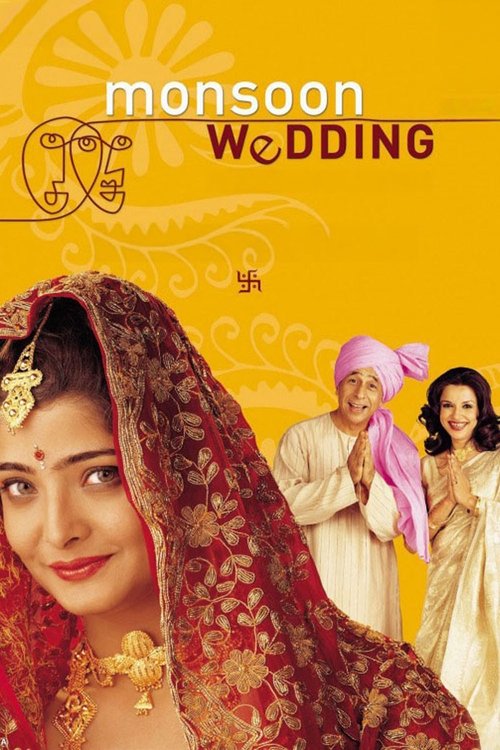
Monsoon Wedding2001
A later Indian drama that also uses a wedding as the frame for exploring family tension, class anxiety, and the collision between tradition and desire. Mira Nair's ensemble warmth without sentimentality.
But Considerably more hopeful in tone; if you want Bazaar's harder edges, this may feel lighter than you'd like.
Pather Panchali1955
Ray's masterpiece of poverty and dignity. Like Bazaar, it refuses to turn hardship into melodrama, instead finding profound humanity in everyday struggle and small transactions that shape lives.
But The pace is deliberate and contemplative. If you want propulsive narrative momentum, this moves at its own unhurried speed.

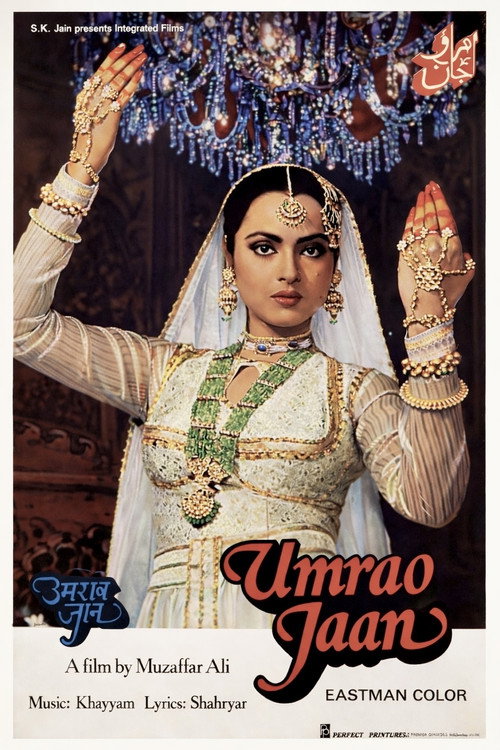
Umrao Jaan1981
Released the same year, another Hindi film about survival and transaction in love. Smita Patil delivers a different performance here, but the same unflinching gaze at what women must navigate to survive.
But A courtly period setting that some find romantic in ways that obscure the coercion underneath. Requires active reading.
Not sure tonight? Get a pick in a minute, starting from Bazaar
The wildcard
Something you would not have found on your own.
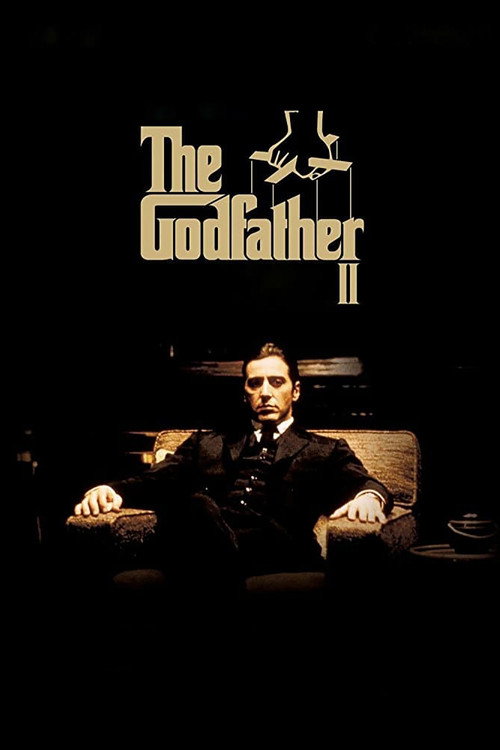
The Godfather Part II1974
Both charts how ambition transforms a man through a series of small compromises that cannot be undone.
Both films are about ambitious men trying to climb out of poverty through transaction and obligation. Bazaar's Akhtar and Michael Corleone face the same dark bargain: every step up costs something you can't name. American gangster epic and Indian realist drama arrive at the same moral vertigo.
But Vastly more famous and three and a half hours long. You may have already seen it, and its operatic scale is miles from Bazaar's intimacy.
More like this (7)
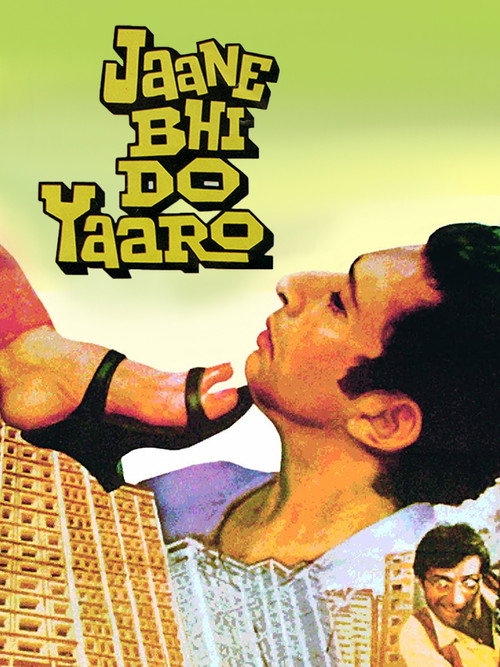
Jaane Bhi Do Yaaro1983
A darker comedy from the same era that also examines corruption, class, and how ordinary people navigate a system designed against them. Sharp-eyed about how the marketplace corrupts relationships.
But The tone is satirical and often absurdist; if you want grounded realism, the genre shift may feel jarring.
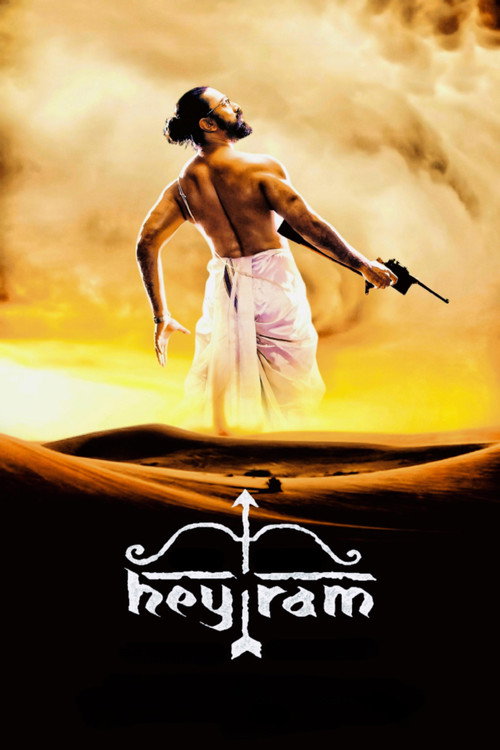
Hey Ram2000
Kamal Haasan and director Shankar explore how personal desire and political violence intersect. Another portrait of a man caught between ambition and his obligations to others, set against communal rupture.
But Explicitly political and occasionally didactic. The first hour is slow and some find the philosophical weight oppressive rather than enriching.
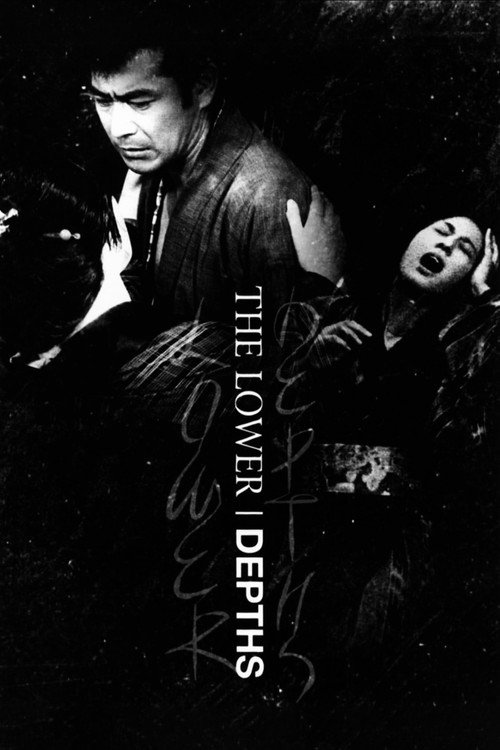
The Lower Depths1957
Kurosawa's adaptation of Gorky, set in a Tokyo slum. Like Bazaar, it's an ensemble study of how poor people negotiate survival, dignity, and small kindnesses. Formally inventive and deeply humane.
But It's Kurosawa, so visually sumptuous in a way that can feel at odds with the squalor being depicted. If you want ugliness unbeautified, look elsewhere.
Andrei Rublev1966
Tarkovsky's three-and-a-half-hour epic about an artist trying to make meaningful work in a brutal world. It shares Bazaar's refusal to sentimentalize poverty or suffering, and its faith in ordinary integrity.
But Genuinely testing. Long, painterly, and relentless in its seriousness. Requires surrender, not entertainment.

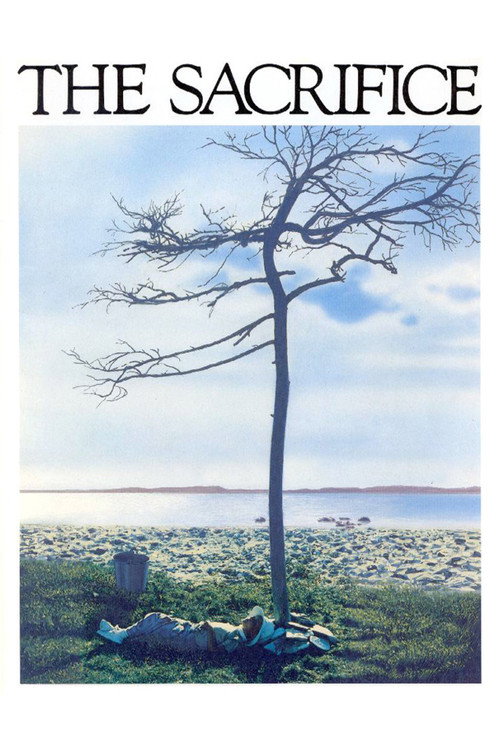
The Sacrifice1986
Tarkovsky again, late in his life, asking what we owe each other and what we'll trade away for security. Quieter and more personal than Andrei Rublev, but cut from the same cloth of moral seriousness.
But His final film, made while dying. The weight of that fact can make it feel like an obligation rather than a pleasure to watch.
Stalker1979
Both use the structure of a deal or transaction to examine what it costs a man to want something he cannot afford.
A Soviet science-fiction meditation on desire and the marketplace. Like Bazaar, it's built on the premise that what we want most has a price we don't understand until we've already paid it. Utterly different genre, same truth.
But Slow, philosophical, and abstract. Science fiction as metaphysics rather than plot. Most people find it either transcendent or impenetrable.

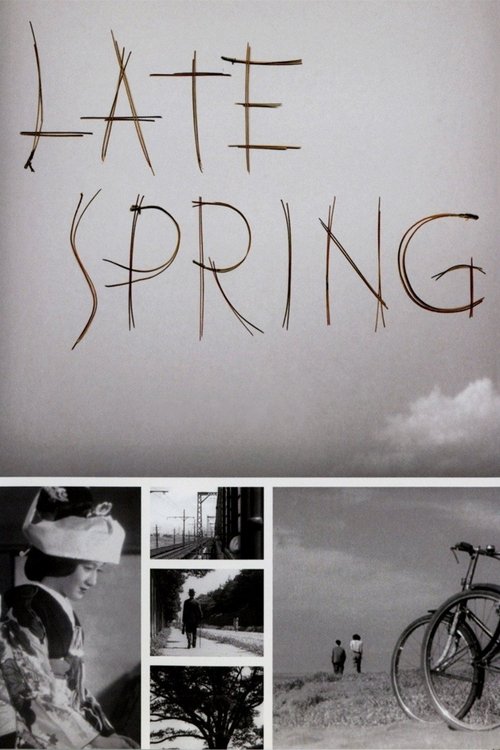
Late Spring1949
Both understand that the deepest cruelties are built into love and family, and that people bear them silently.
Ozu's gentle tragedy about an old widower and his devoted daughter, and the unspoken transaction between them. It's about obligation, love, and the quiet sacrifice of everyday life. A quieter film than Bazaar, but the same emotional grammar.
But Nothing dramatic happens. If you need conflict and resolution, this will seem like watching people sit and talk about nothing, because it is—and that's the whole point.
People
Cast
 Smita PatilNajma
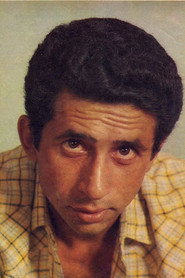 Naseeruddin ShahSalim
 Supriya PathakShabnam
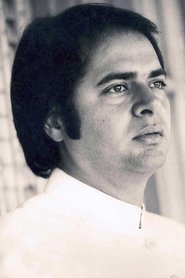 Farooq ShaikhSarju
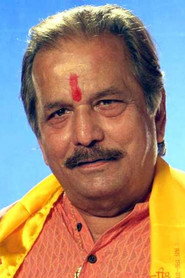 Bharat KapoorAkhtar Hussain
- B.L. ChopraShakir Ali Khan
 Sulabha DeshpandeShabnam's Mother
- Neesha SinghNasreen
- Shaukat AzmiMatchmaker
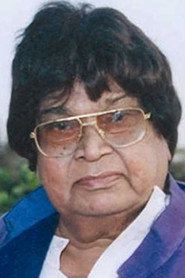 Yunus ParvezShabnam's Mamu
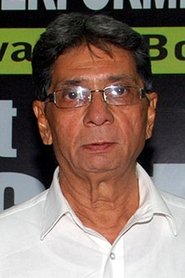 Javed KhanNajma's Friend
- Rita Rani KaulNajma's Friend
Directing
- Latesh ShahAssistant Director
- Mainak TrivediAssistant Director
- Sagar SarhadiDirector
Writing
- Sagar SarhadiWriter
Production
- S. S. BrocaExecutive Producer
- Vijay TalwarProducer