
Film
Utamaro and His Five Women
A 1946 Japanese masterpiece about the ukiyo-e artist Utamaro, obsessed with capturing female beauty through his woodblock prints. It's a sensuous, formally gorgeous film that moves between the brothels and studios of Edo-period Tokyo, exploring desire, artistic ambition, and the complicated lives of the women who inspire him. For anyone drawn to visual art, Japanese cinema, or stories about the tension between an artist's vision and the human cost.
If you liked this
In the Mood for Love2000
Wong Kar-wai's hypnotic meditation on longing and beauty, told almost entirely through colour, composition, and the space between characters. Like Utamaro, it's cinema as visual art, with every frame composed as a painting.
But Glacially paced, deliberately oblique about plot. If you need narrative momentum, this will feel like watching paint dry—beautifully, but still.

Tokyo Story1953
Ozu's quiet masterpiece about family and time, made just seven years after Utamaro. Both films move at the speed of genuine human feeling and find profound poetry in restraint and the everyday.
But Almost no dramatic incident happens. Some viewers mistake stillness for slowness, and find nothing to hold onto.

The Ballad of Little Jo1993
A Western about a woman who disguises herself as a man to survive the frontier. Like Utamaro, it's fascinated by how appearance shapes identity and how women navigate a world that tries to contain them.
But The pacing is deliberate and unglamorous. It's a serious, unglamorous film about survival, not a romp.

Not sure tonight? Get a pick in a minute, starting from Utamaro and His Five Women
The wildcard
Something you would not have found on your own.
Memories of Murder2003
Both use visual composition as their deepest language, and both are fundamentally about the act of looking—how it can illuminate or completely deceive.
Bong Joon-ho's serial-killer procedural looks nothing like Utamaro—it's modern, violent, messy—but both films are obsessed with the impossible gap between how people appear and who they really are. Bong shoots it like a dark poem about frustration and the limits of vision itself.
But Brutal violence, bleak tone, deliberately inconclusive ending. This is the opposite of beautiful surfaces; it's about surfaces lying.

More like this (7)
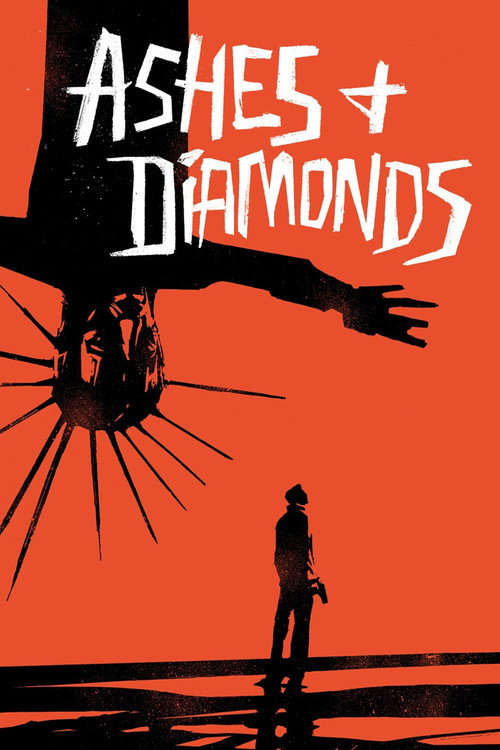
Ashes and Diamonds1958
Andrzej Wajda's Polish masterpiece about a young man caught between resistance and collaboration. Visually sumptuous like Utamaro, and equally interested in beauty existing alongside moral complexity and desire.
But Dense historical context helps. Without knowing the Polish-Soviet tensions of 1945, some of the weight will escape you.
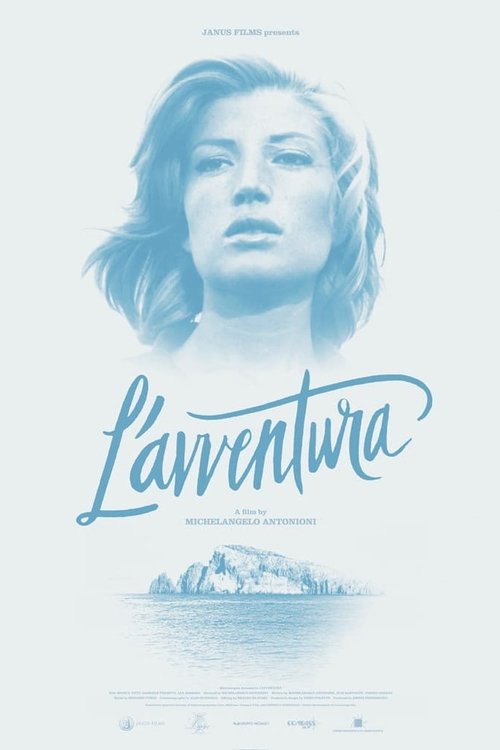
L'Avventura1960
Michelangelo Antonioni's meditation on desire and disconnection. Like Utamaro, it refuses to judge its characters for their passions, instead treating them as a natural landscape to move through.
But Plot is minimal and deliberately anticlimactic. The woman everyone's looking for stops mattering halfway through. That's the point, but it exasperates some viewers.
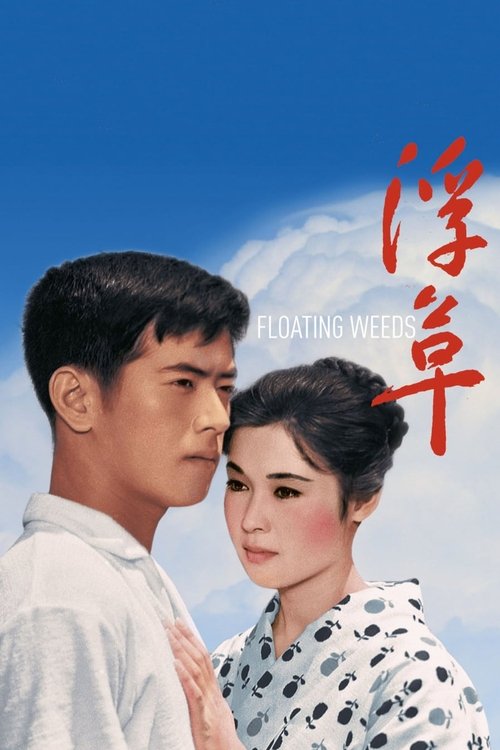
Floating Weeds1959
Ozu's colour remake of his own silent film, about a travelling theatre troupe. Gorgeously composed, melancholic, and fascinated by performance, desire, and the masks people wear.
But If you haven't seen other Ozu, the rhythm will feel odd. And it's long—nearly three hours—with almost nothing external happening.
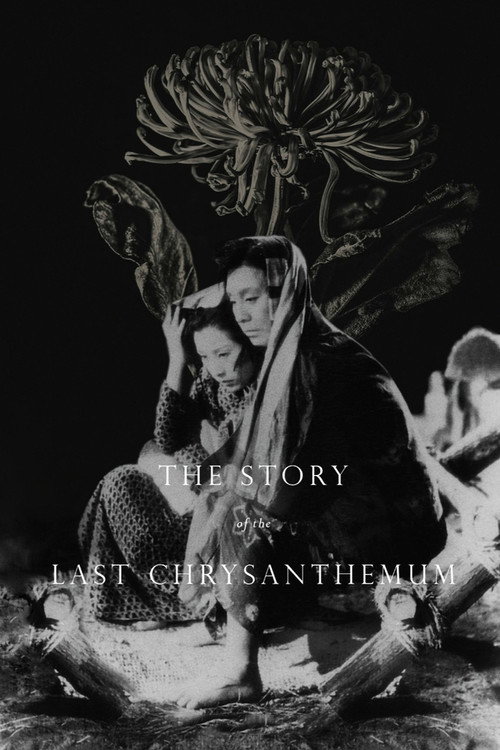
The Story of the Last Chrysanthemum1939
Keisuke Kinoshita's film (Utamaro's own director) about a Kabuki actor's rise and his relationship with the woman who loves him. Similar period setting, similar interest in art-making as a form of obsession.
But A product of its time and place; some emotional beats now read as dated. Subtitles required; the print quality varies.
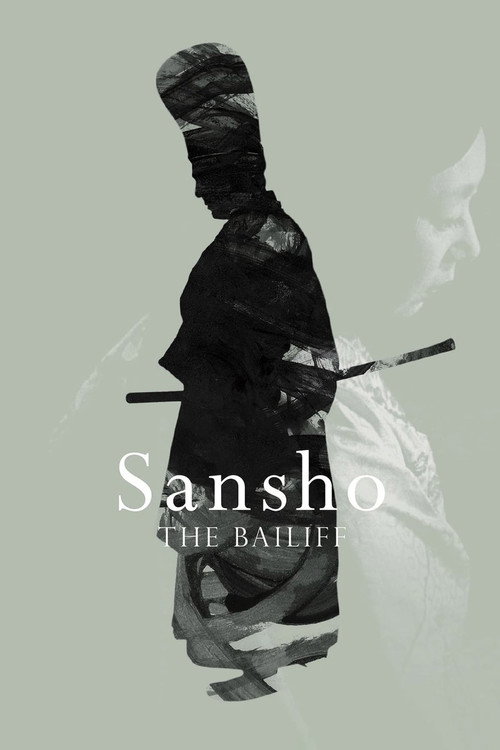
Sansho the Bailiff1954
Mizoguchi's masterwork about injustice and suffering, made in the same era as Utamaro. Visually ravishing, morally serious, and never exploitative despite its difficult subject matter.
But It's devastating. The film doesn't offer comfort or easy resolution. This is art about real pain, and it asks for your full attention and openness.
Making 'The Mahabharata'1989
Both treat their source material as something to be genuinely made, not just illustrated. Both trust the audience to sit with confusion and ambiguity.
Peter Brook's nine-hour adaptation of the epic. A completely different form (theatre filmed), a completely different culture (Indian, not Japanese), but it shares Utamaro's belief that beauty and human desire can coexist with moral complexity, and that the work of art is more important than the comfort of the audience.
But Nine hours. In English adaptation of Sanskrit. Minimalist staging that won't appeal to anyone wanting spectacle or traditional narrative drive.
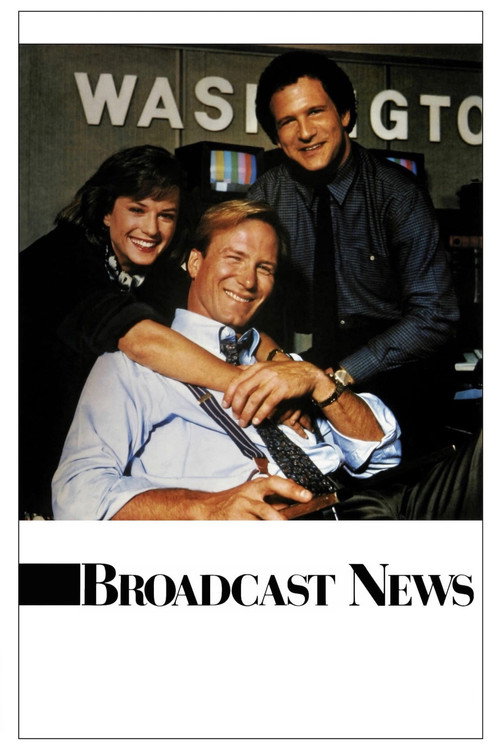
Broadcast News1987
Both films understand that the best art about passion is never sentimental about it. Both take their characters' obsessions seriously while seeing them clearly.
James L. Brooks' brilliant comedy about television news and three people entangled in desire and professional ambition. It shares Utamaro's core insight: that people are most fully themselves when pursuing something they love, and that this pursuit inevitably creates pain for everyone nearby.
But A 1980s American romantic comedy—totally different register and surface. If you're looking for period beauty and formal restraint, this is zippy, modern, and sometimes crass.
People
Cast
- Bandō Mitsugorō VIIIUtamaro
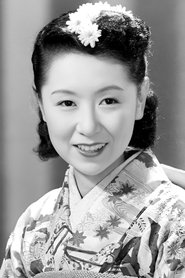 Kinuyo TanakaOkita
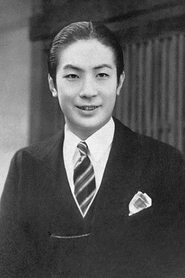 Kōtarō BandōSeinosuke
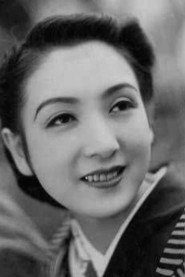 Hiroko KawasakiOran
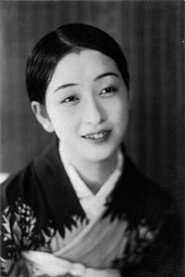 Toshiko IizukaTakasode
- Kyōko KusajimaOman
- Eiko OharaYukie
- Shôtarô NakamuraShozaburo
- Kiniko ShirataoOshin
- Minpei TomimotoTakemaro
Directing
- Kenji MizoguchiDirector
Writing
- Kanji KuniedaNovel
- Yoshikata YodaWriter
Production
- Hisao ItoyaProducer
- Tadaoto KainoshōResearcher