
Film
Chikamatsu Monogatari
Kenji Mizoguchi's 1954 masterpiece about a scrollmaker's wife and his employee, bound together by false accusation into an impossible love. Shot in luminous Technicolor, it's a meditation on desire, duty, and the gap between reputation and truth. Formally precise yet emotionally overwhelming—a film that moves like music.
If you liked this
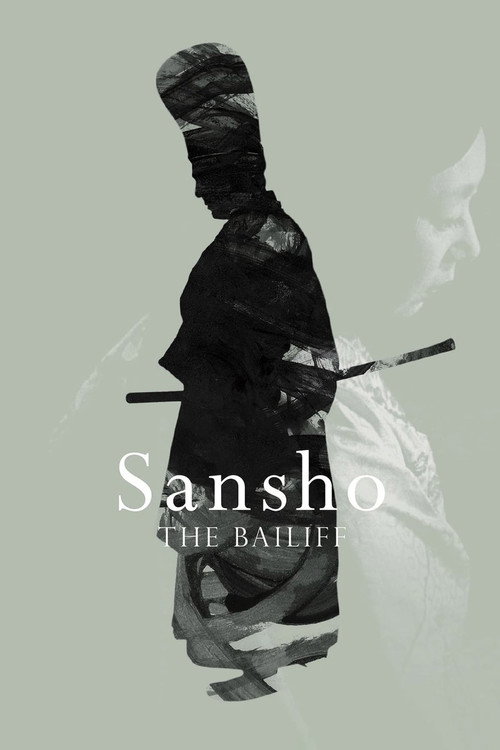
Sansho the Bailiff1954
Mizoguchi's 1954 companion piece about separated family members enduring cruelty and exploitation. Equally devastating, equally beautiful, equally concerned with how institutions crush individual dignity and love.
But It's relentlessly grim—suffering accumulates rather than resolves. The pacing demands patience and the emotional exhaustion is real.
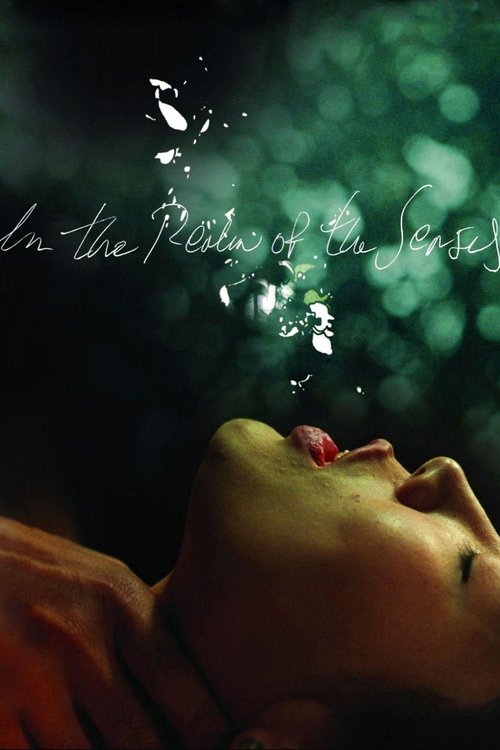
In the Realm of the Senses1976
Nagisa Oshima's fierce, erotic account of a woman and man consumed by desire until it destroys them. Like Chikamatsu, it asks what happens when passion becomes more real than the world around you.
But Sexually explicit throughout. The relationship is turbulent and ends in genuine tragedy—there's no romantic softening here.
Harakiri1962
Masaki Kobayashi's savage critique of honor codes and social systems that demand death rather than compromise. The formal precision recalls Mizoguchi; the moral fury is unmistakable.
But Violent and bleak. It's an indictment dressed as a period piece, which can feel didactic if you're not with it.

Not sure tonight? Get a pick in a minute, starting from Chikamatsu Monogatari
The wildcard
Something you would not have found on your own.
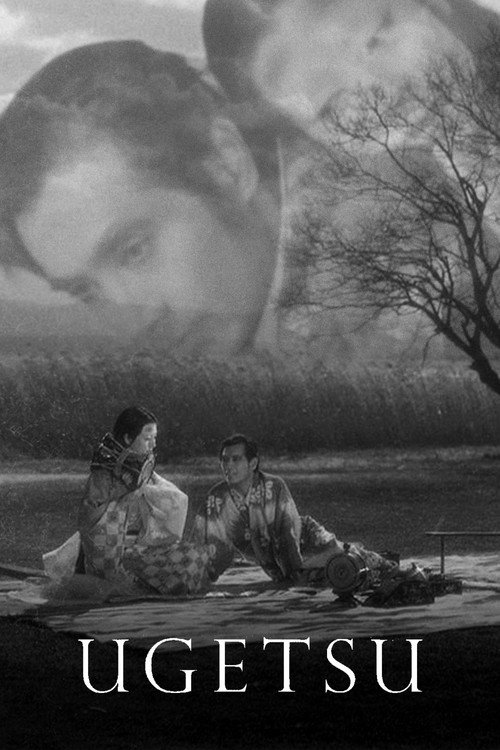
Ugetsu1953
Both are 1953-54 Mizoguchi films exploring how desire unmakes social order, but Ugetsu uses the supernatural as its instrument where Chikamatsu uses only circumstance and human nature.
Mizoguchi's supernatural masterpiece about men undone by desire and ambition. Like Chikamatsu it's rooted in Japanese folklore and period detail, but it weaponizes the fantastic to ask the same questions about what we really want.
But Ghosts and magic. If you're coming to Mizoguchi for social realism, the shift to the supernatural may feel like tonal whiplash.
More like this (8)
Tokyo Story1953
Ozu's quiet, observant film about family and the small tragedies of aging. Like Chikamatsu, it finds profound emotion in restraint and accepts that happiness often means accepting what we cannot change.
But Nothing happens. Scenes of people sitting, talking, eating. If plot-driven drama is your preference, this will feel static.

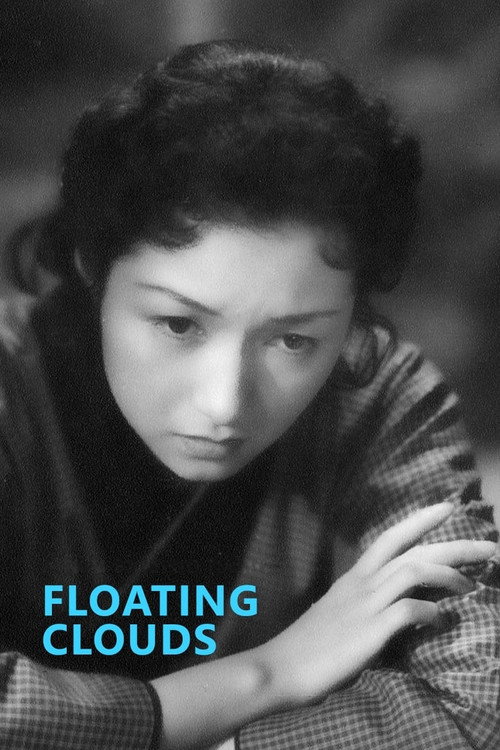
Floating Clouds1955
Mizoguchi again, tracking a woman and man bonded by their past through postwar Japan. Another doomed love, another critique of how society punishes the vulnerable, another demonstration of his unmatched visual intelligence.
But The second Mizoguchi on this list. If you want variety of vision, this might feel repetitive despite its power.
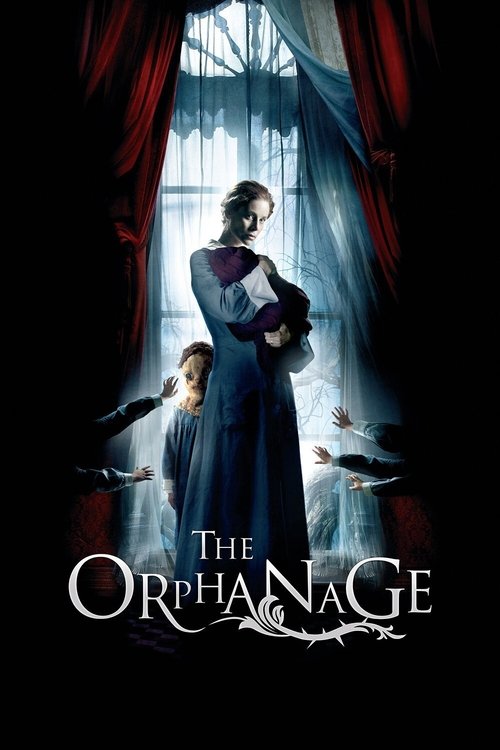
The Orphanage2007
Guillermo del Toro's ghost story about a woman returning to her childhood home. Like Chikamatsu, it's about desire, memory, and the impossible distance between what we want and what we can have.
But Horror conventions and jump scares that may feel manipulative if you're coming from classical drama. The tone shifts between intimate and theatrical.
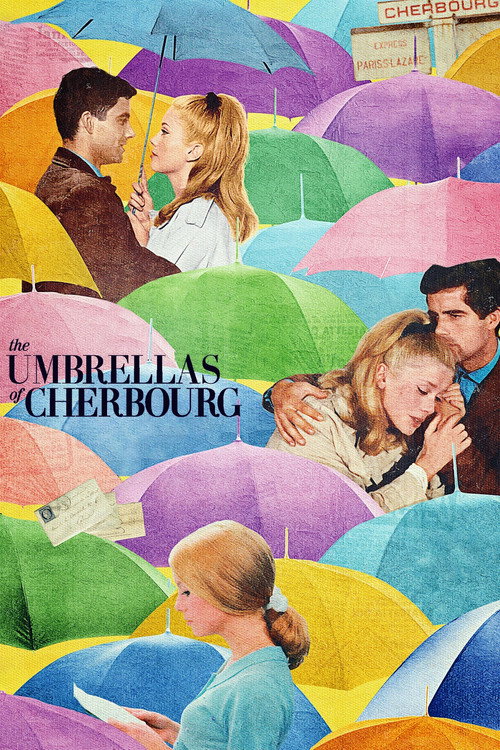
The Umbrellas of Cherbourg1964
Dardenne-adjacent emotional precision in a musical register: lovers separated by circumstance who may or may not find their way back. Achingly beautiful and genuinely sad beneath the color.
But A musical. If the artifice of song breaks immersion for you, the film's emotional core may feel distant regardless of how well it works for others.
Brief Encounter1945
Noël Coward's spare, aching script about two married people in love with someone else. The restraint and the British emotional repression create an intensity that rivals anything overtly passionate.
But Severely buttoned-up. Modern audiences often find the emotional withholding frustrating rather than poignant. The romance never consummated can read as merely sad.

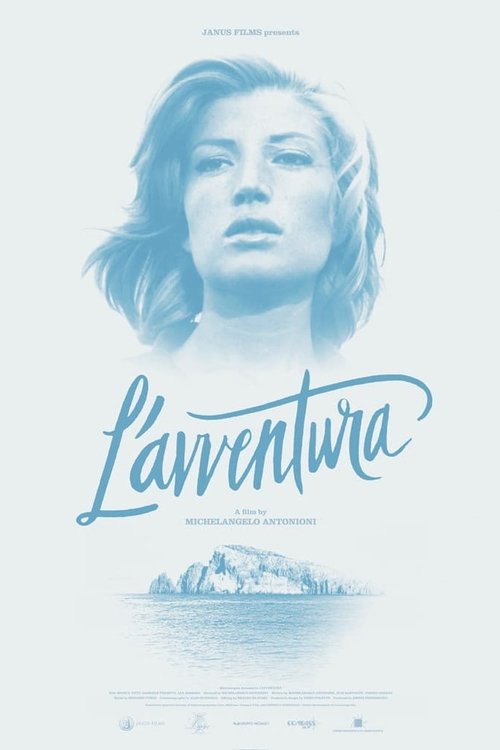
L'Avventura1960
Antonioni's cool, modern meditation on desire and the meaninglessness of connection in contemporary life. If Chikamatsu asks why love destroys us, Avventura asks if it ever really exists at all.
But Slow, abstract, and deliberately distant. There's no catharsis here—the film observes rather than moves. Feels deliberately anti-emotional in ways some find brilliant and others tedious.
Dekalog1989
Both are rooted in classical moral frameworks (feudal Japanese codes, Catholic law) and both quietly ask whether those frameworks can survive contact with real human desire and agency.
Kieślowski's ten-part series of short films, each exploring one of the Ten Commandments in modern Warsaw. Like Chikamatsu, it examines how abstract principles collide with actual human longing—every episode is a small, perfect tragedy.
But Minimalist and deliberately slow. The connection to the Commandments is thematic rather than explicit. It asks for active interpretation, which exhausts some viewers.

A Woman Under the Influence1974
Both concern the collision between desire (or need) and social order, but where Mizoguchi finds tragedy in restraint and formal beauty, Cassavetes finds it in the complete dissolution of form and dignity.
Cassavetes' raw, almost unbearable study of a marriage under pressure. Like Chikamatsu, it strips away the aesthetics to ask what happens when two people's needs cannot coexist—but it does so in grainy 16mm chaos rather than Technicolor beauty.
But Extremely unpolished and difficult to watch. Gena Rowlands' performance is so unguarded it approaches unwatchable. There's no distance, no beauty to soften the psychological bruising.

People
Cast
 Kazuo HasegawaMohei
 Kyōko KagawaOsan
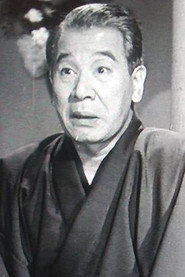 Eitarō ShindōIshun
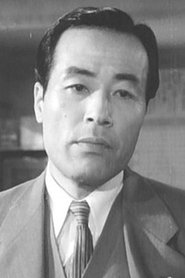 Eitarō OzawaSukeemon
 Yōko MinamidaOtama
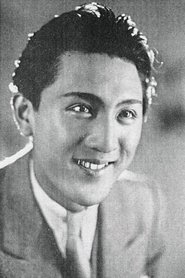 Haruo TanakaGifuya Dôki
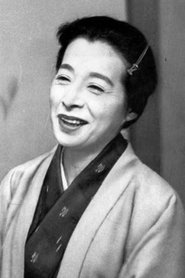
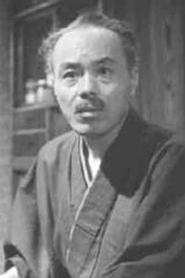 Ichirō SugaiGembei
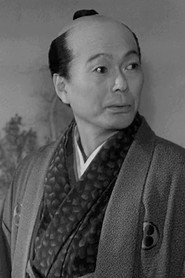 Tatsuya IshiguroIsan
- Hiroshi MizunoKuroki
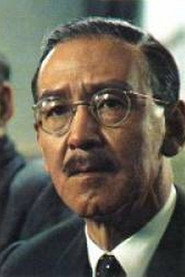 Hisao ToakeMorinokoji
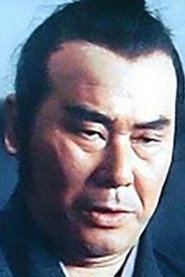 Ikkei TamakiJushiro Umegaki
Directing
- Tokuzō TanakaAssistant Director
- Kenji MizoguchiDirector
Writing
- Matsutarō KawaguchiScreenplay
- Yoshikata YodaScreenplay
- Monzaemon ChikamatsuTheatre Play
Production
- Masatsugu HashimotoExecutive In Charge Of Production
- Masaichi NagataProducer
- Hisakazu TsujiProduction Coordinator
- Hiroshi OzawaProduction Manager