
Film
Anthropocene: The Human Epoch
- Very dark
A visual essay on the scale of human transformation of Earth itself. Sweeping aerial cinematography of mines, dams, waste facilities—the overwhelming infrastructure of industrial civilization. Narrated with precise clarity rather than apocalypse-mongering, it's meditative and formally stunning, designed for viewers ready to sit with difficult beauty.
Should you watch it?
Watch it if you like big-screen visual essays that let images carry an argument about our planetary footprint, with little hand-holding and a sense of awe about scale.
Skip it if you need talking heads, a clear story or a plot; this leans on images and one narrator, so it can drift and feel repetitive.
What it asks of you: Under ninety minutes, it asks for patience with long, quiet shots of landscape and machinery, letting scale sink in rather than following a story.
Not sure? Find tonight's pick in a minute.
If you liked this
Our Planet2019
A companion piece tracking what we've displaced. David Attenborough's narration and spectacular wildlife cinematography show the living world still trying to persist in the margins of our redesign.
But It's gentler in tone, which some find patronizing. The solutions suggested feel almost cheerful given the scale of the problem shown.

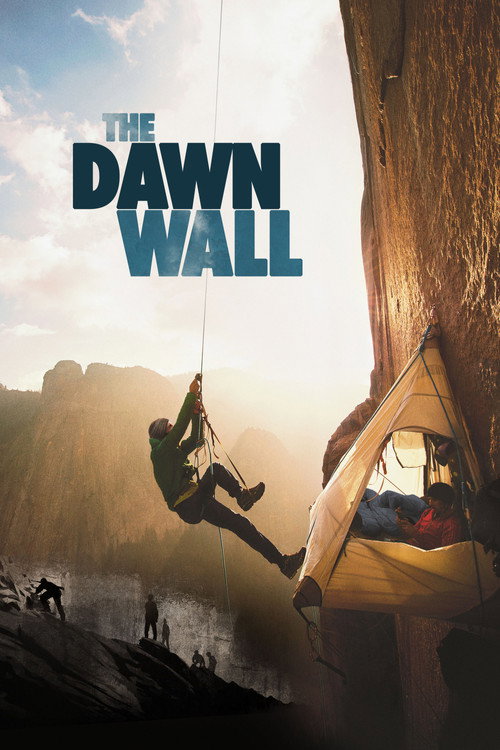
The Dawn Wall2017
Another meditation on scale and human ambition, this time vertical. Two climbers spending nineteen days on a Yosemite rockface. It shares Anthropocene's fascination with what humans will risk and build to touch something.
But It's intimate rather than global, and the stakes are personal rather than civilizational. Some find rock-climbing films repetitive in structure.
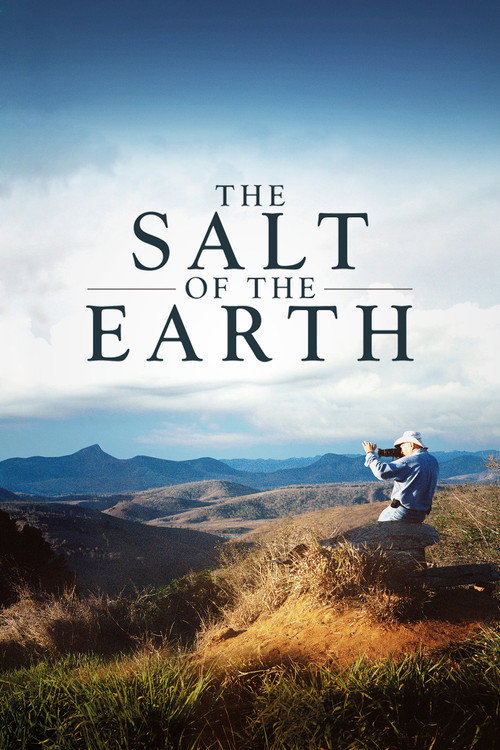
The Salt of the Earth2014
Sebastião Salgado's photography project documenting industrial sites and landscapes. Like Anthropocene, it finds strange beauty in the scars humans leave, but through a photographer's eye rather than a filmmaker's aerial perspective.
But It's sometimes overwhelming in a way that makes you want to stop looking. Long sequences without narrative can test your patience.
Not sure tonight? Get a pick in a minute, starting from Anthropocene: The Human Epoch
The wildcard
Something you would not have found on your own.
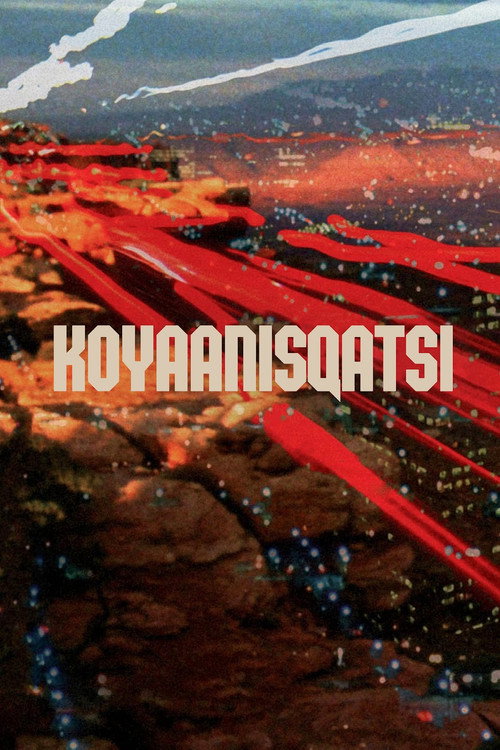
Koyaanisqatsi1983
Spiritual ancestor: same commitment to letting scale and rhythm communicate meaning without narration telling you what to feel.
No dialogue, no plot—pure montage of American landscapes, cities, factories, movement set to Philip Glass. It invented the visual essay format Anthropocene uses. Hypnotic rather than didactic; you feel the alienation rather than being told it.
But The 1982 image quality is grainy. At 87 minutes of pure observation with no anchor, it requires patience many viewers don't have anymore.
More like this (5)
The Biggest Little Farm2019
A counterargument—a couple rebuilding agricultural land from dead soil. Still about human intervention in landscape, but as regeneration rather than extraction. Hopeful without being naive.
But It's considerably warmer in tone, almost cozy. If you're drawn to Anthropocene's austere vision, this might feel like false comfort.

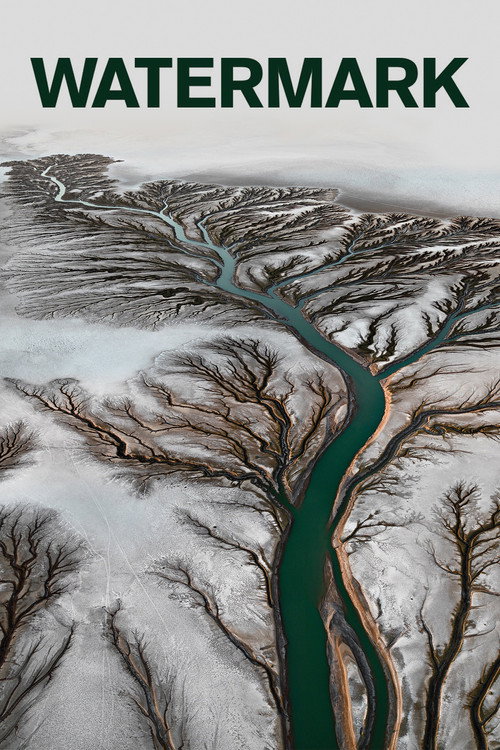
Watermark2013
Jennifer Baichwal (Anthropocene's co-director) exploring humanity's relationship with water—dams, rivers, ice sheets, industry. Same visual language, specifically about what we've done to the planet's lifeblood.
But It covers similar thematic ground. Watching both back-to-back can feel like the same argument restated.
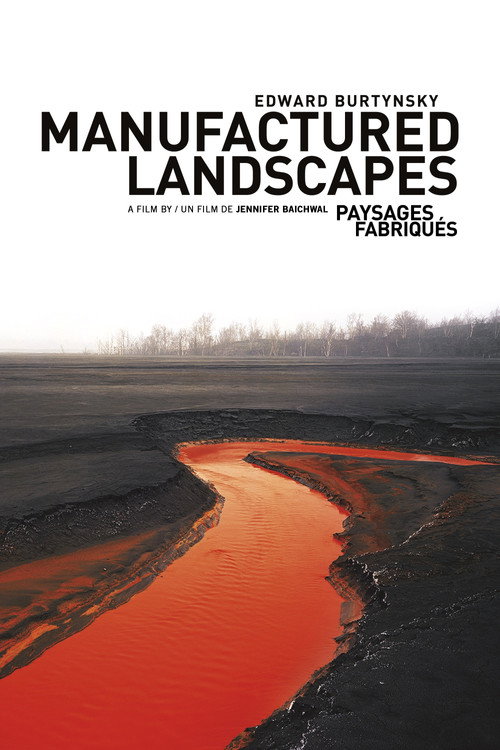
Manufactured Landscapes2006
Edward Burtynsky's photographs of Chinese industrial zones brought to film. The surreal scale of manufacturing is closer to Anthropocene's tone—not mourning, not rage, just documentation of the incomprehensible.
But It predates better cinematography for this subject. The image quality makes some sequences harder to absorb than they should be.
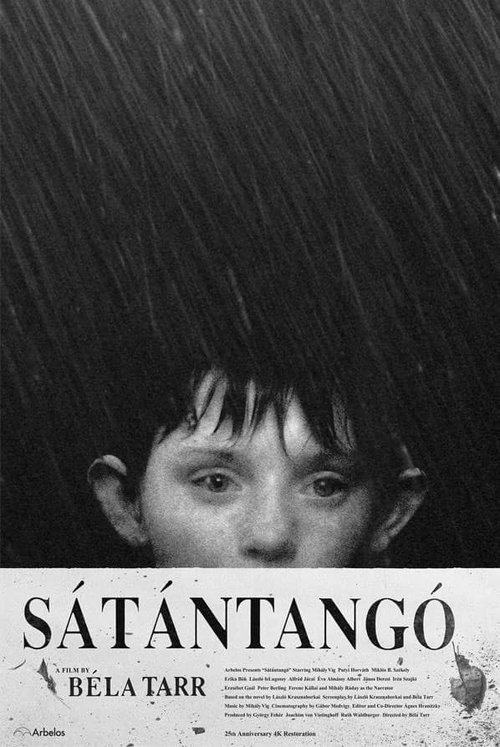
Satantango1994
Both find beauty in industrial ugliness and suggest that scale—of time or space—alters how we see what humans have wrought.
Béla Tarr's seven-and-a-half-hour Hungarian film about collapse and community in a gray industrial landscape. Not a documentary, but it captures Anthropocene's mood—the weight of systems we've built, the strange poetry of decay—with devastating formal precision.
But It is genuinely bleak and moves at its own pace. This is not entertainment; it's an ordeal that trusts you to accept it. Many people will not.
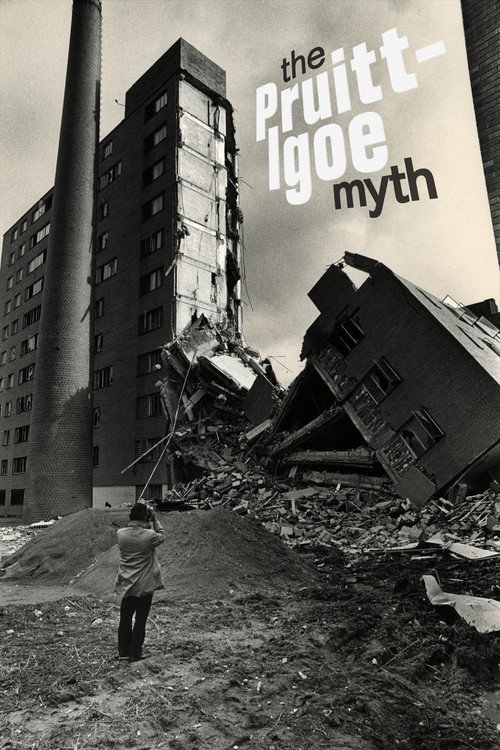
The Pruitt-Igoe Myth2012
Both examine the wreckage of grand human projects, but this one insists those projects were supposed to house people—making the cost personal, not abstract.
A documentary about a housing project demolished to rubble—but told through slow-motion footage of the implosion, interviews, archival material. It connects individual lives to architectural ambition to systemic failure. Anthropocene's shadow version: the human epoch failing even itself.
But It's specifically about American racial and urban politics. If you're coming for pure landscape aesthetics, the social history work might feel like a detour.
People
Cast
 Alicia VikanderNarrator (voice)
Directing
- Edward BurtynskyDirector
- Jennifer BaichwalDirector
- Nicholas de PencierDirector
Writing
- Jennifer BaichwalScreenplay
Production
- Daniel IronExecutive Producer
- Edward BurtynskyExecutive Producer
- Nicholas MetivierExecutive Producer
- Nicholas de PencierProducer
Recommended by
Life in a Day, Manufactured Landscapes, The Plow That Broke the Plains, This Changes Everything