
Film
The Transcontinental Railroad
A two-hour documentary that traces the Transcontinental Railroad from vision to completion, examining the engineering brilliance, financial scheming, and human cost of connecting America coast-to-coast. Michael Murphy's narration guides you through six years of construction, exploring both the triumph of industrial will and the catastrophic consequences for Native peoples. For anyone curious about 19th-century America, infrastructure, or how ambition reshapes a continent.
Should you watch it?
Watch it if you like history told through hard numbers, maps and sober narration, and you find the human cost of a grand project as absorbing as the project itself.
Skip it if you want characters you can follow or a story with momentum; this is a survey of an event, with a calm narrator guiding you through facts and dates rather than drama.
What it asks of you: It runs about two hours at a measured, documentary pace, asking you to sit with archival detail and to keep track of many names, places and developments without much emotional lift.
Not sure? Find tonight's pick in a minute.
If you liked this
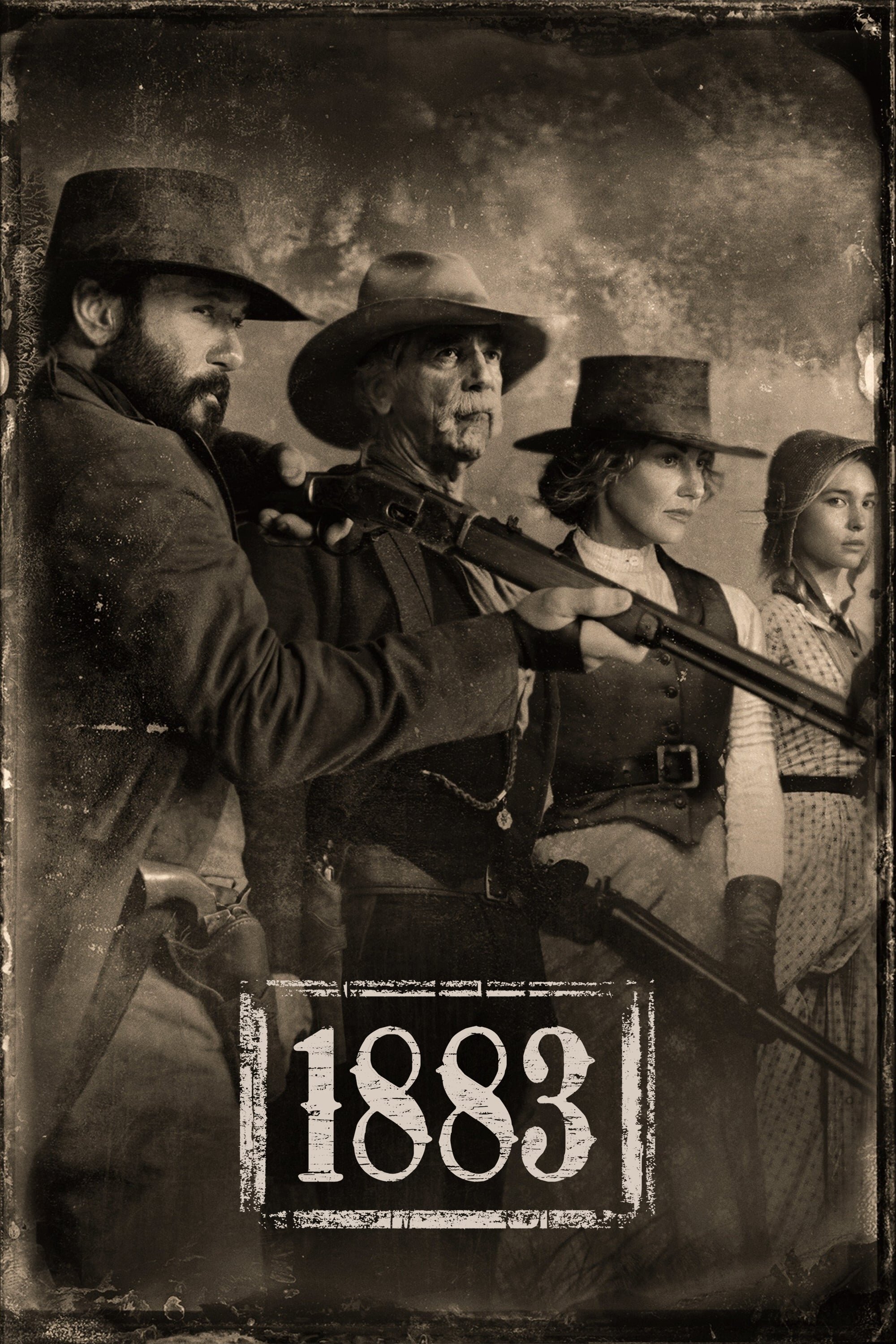
18832021
A Paramount series about the Dutton family's cattle-ranching empire during Westward expansion. It captures the same era's brutal economics and environmental transformation, with sweeping cinematography and Tim McGraw's weathered gravitas. The railroad appears as both opportunity and threat.
But Yellowstone-universe prestige drama that can lean melodramatic. If you want documentary rigor rather than soap-opera plotting, this trades precision for emotion.
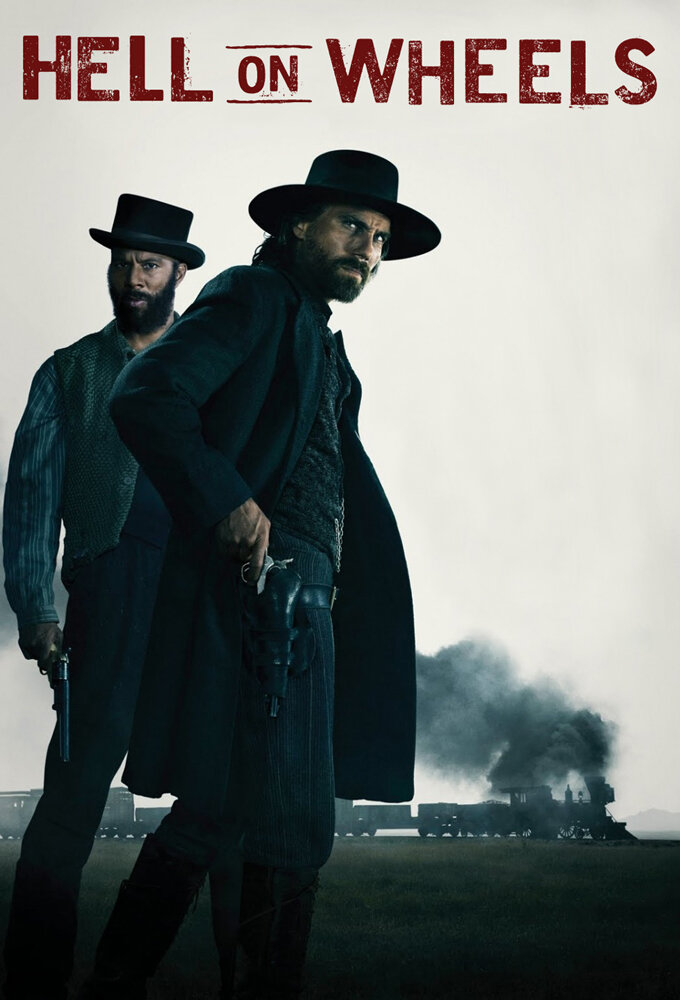
Hell on Wheels2011
An AMC series following workers and engineers building the Union Pacific Railroad. It puts you on the ground with the laborers, Chinese immigrants, and former slaves who did the actual work—the voices the railroad documentaries often minimize. Gritty and human-scaled.
But Ends on an unresolved cliffhanger after five seasons. The pacing sags in the middle. Some viewers find it melodramatic despite its grittiness.
American Experience1988
PBS's comprehensive examination by the makers of American Experience. Deeper than a feature film, it has space for multiple viewpoints including Native American testimony often absent from earlier accounts. Archival material and expert interviews build a more textured picture.
But Typical PBS pacing—slow and deliberate. If you want propulsive narrative momentum, educational television sometimes sacrifices it for thoroughness.

Not sure tonight? Get a pick in a minute, starting from The Transcontinental Railroad
The wildcard
Something you would not have found on your own.
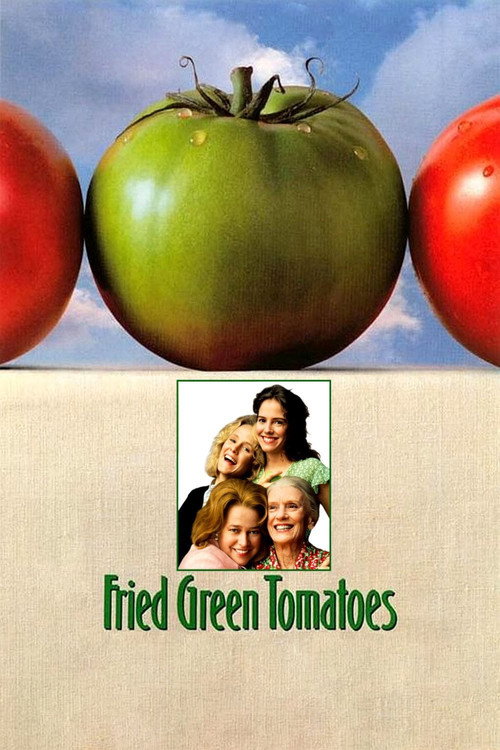
Fried Green Tomatoes1991
Your documentary shows railroads as engineering triumph; this film shows how ordinary people actually experienced them—as barriers, opportunities, and ways to escape unbearable circumstances. It's the intimate inside of the monument.
A narrative feature set in Depression-era Alabama about two women's friendship across racial lines. It seems completely unrelated, but railroads run through it as both plot device and symbol of America's fracturing, connecting characters and severing them. The film treats infrastructure as it treats character: as lived experience, not abstract achievement.
But It's a warm, somewhat sentimental melodrama, not a historical document. A mainstream crowdpleaser that some dismiss as soft. Requires reading transportation as metaphor rather than literal subject.
More like this (3)
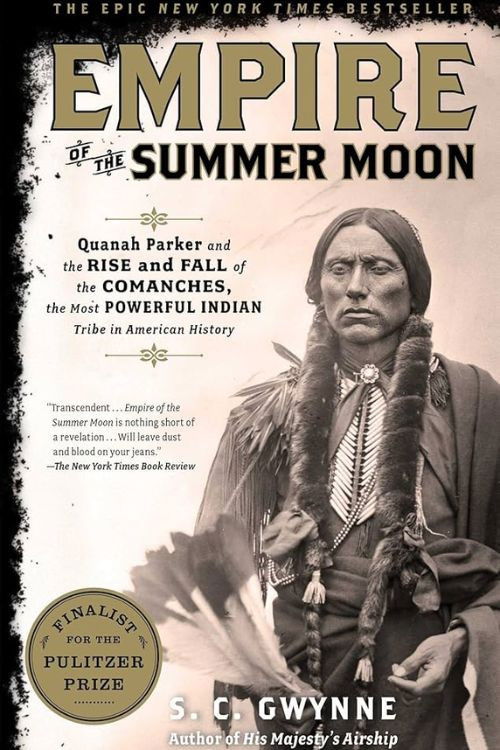
Empire of the Summer Moon
A Killers of the Flower Moon companion series examining the Osage Nation's relationship with U.S. expansion. While not railroad-specific, it documents the same era's theft and displacement from Native American perspective, filling crucial gaps in the Westward expansion story.
But Requires confronting genuine historical atrocity. Not a comfortable watch. Focuses on a different region and conflict, so railroad history is peripheral.
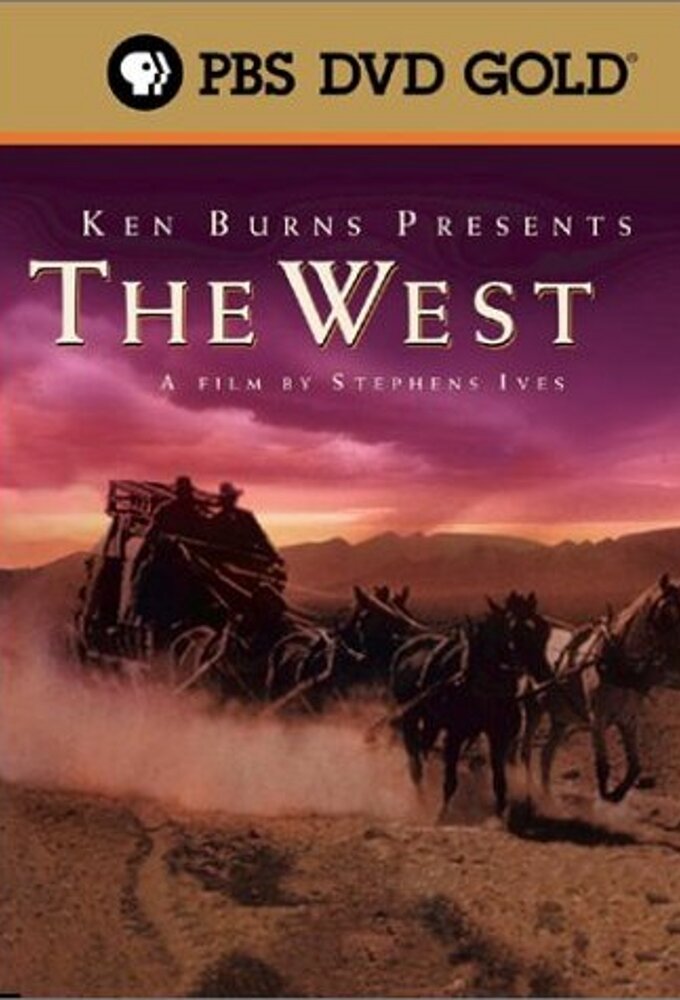
The West1996
Ken Burns's epic PBS series on American frontier history. The railroad features prominently within his larger examination of Western mythology and reality. His characteristic still-photography approach and composer Darol Anger's score create meditative space for reflection on Westward expansion's cost.
But Ken Burns's style—slow pans over photographs, lengthy interviews—requires patience. Some find it stately to the point of tedium. Very long commitment (nine episodes).
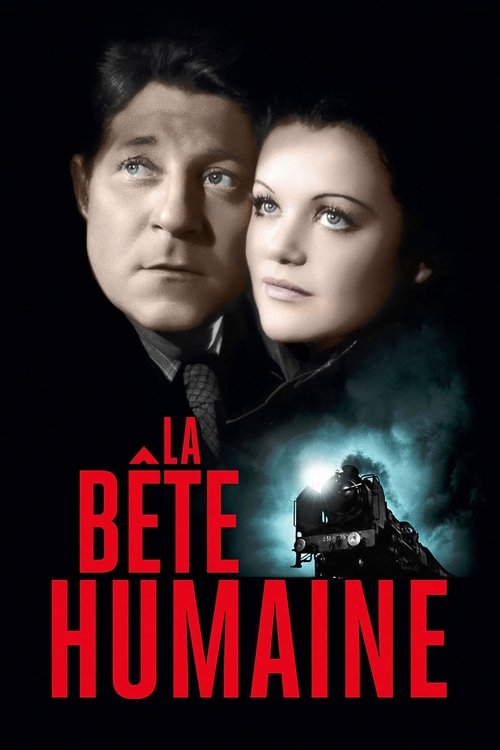
La Bête Humaine1938
Your film treats the railroad as an American achievement of will and engineering. Renoir treats railroads as the stage for European class anxiety and human sexuality—a completely different meaning for the same infrastructure. Seeing how another culture and era understood rail transport reveals how mythologized your film's American version necessarily is.
Jean Renoir's masterpiece about French railroad workers in the 1930s, told as both naturalistic social drama and psychological thriller. A train driver, a wealthy woman, desire, and class collide on the rails. It's visually gorgeous—Renoir's last major French film before exile—and shows railroads not as progress but as the setting for human conflict, desire, and moral compromise.
But In French with subtitles. Made in 1938 for 1930s French audiences, so pacing and dramatic rhythm won't feel modern. The eroticism and violence are oblique, not explicit, which some find frustrating rather than sophisticated.
People
Cast
 Michael MurphyNarrator (voice)
Directing
- Marco LondonerAssistant Director
- Mark ZwonitzerDirector
- Michael ChinDirector
Writing
- Mark ZwonitzerWriter
Production
- Mark ZwonitzerProducer
- Yuka NishinoProduction Manager