
Television series
Burke's Law
- Police procedural
- Detective mystery
- Light-hearted
- Dip in and out
Burke's Law is a 1960s crime series that treats homicide investigation like high-society theatre. Each episode pairs a stylish millionaire captain with a parade of guest stars playing suspects, often against type. It's knowing fun—camp before the word stuck, plotting that's never less than clever, and a genuine affection for its own ridiculous premise. Perfect if you love old television that doesn't apologize for being entertainment.
Should you watch it?
Watch it if you love a cheerful whodunit built around glossy sets, sharp suits and guest stars hamming it up, where the mystery is a pretext for pure period style.
Skip it if you need mysteries that tighten and a lead who stays unsettled; here the clue-chasing is often a wobbly backdrop and the banter runs long, so it can feel like showing off.
What it asks of you: Hour-long, self-contained cases you can dip into at will; the tension stays gentle and the tone sunny, so you sit back with a grin rather than lean forward.
Not sure? Find tonight's pick in a minute.
If you liked this
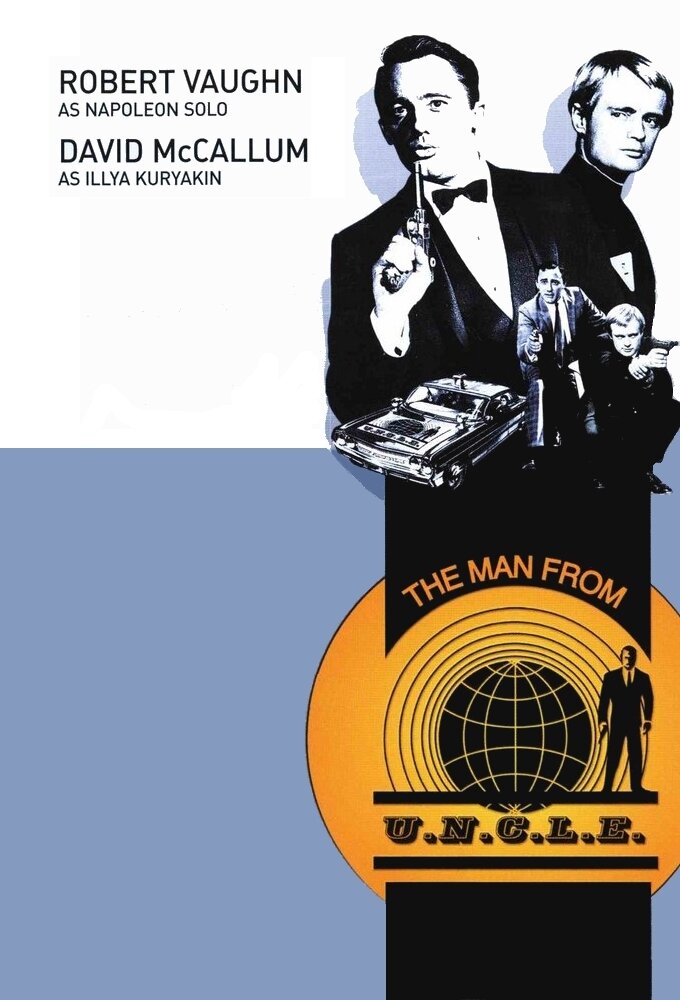
The Man from U.N.C.L.E.1964
Same glossy 1960s swagger, same guest-star showcase format, but with spy gadgets instead of crime scenes. It carries that same sense that style and wit matter as much as plot, and it's genuinely fun to watch.
But The Cold War espionage setup feels dated now, and it can tip into silliness that some viewers find exhausting rather than charming.
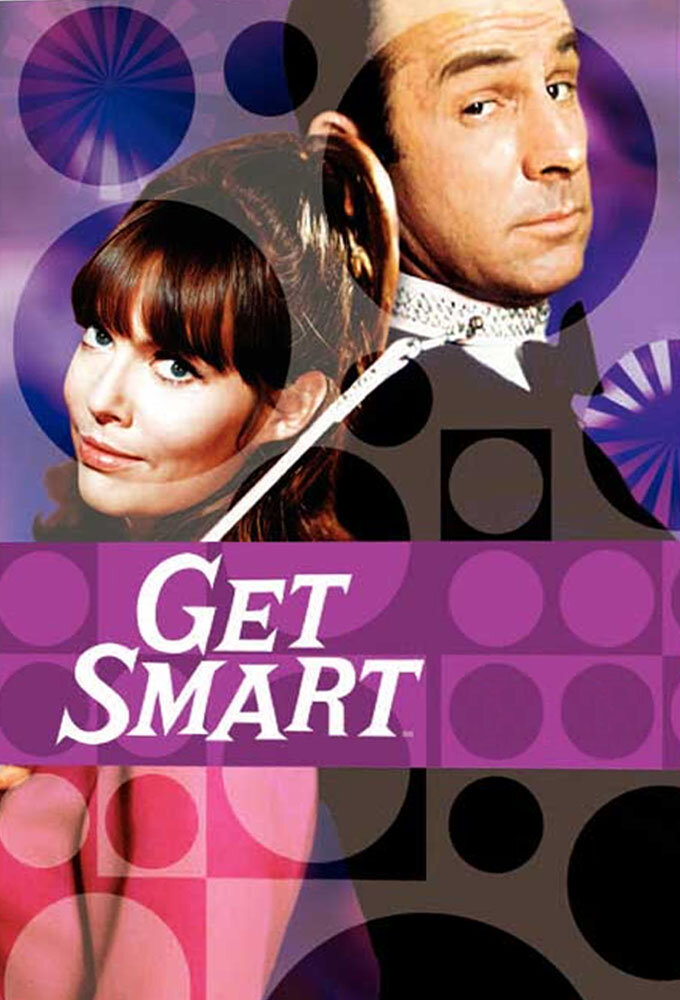
Get Smart1965
Spy comedy that understands Burke's real DNA: the combination of serious procedure with absurd circumstances. The lead is likeable, the writing is clever, and it never mistakes silly for stupid.
But Peak 1960s camp sensibility. If that era's particular flavour of humour doesn't land for you, the whole thing will feel like work.
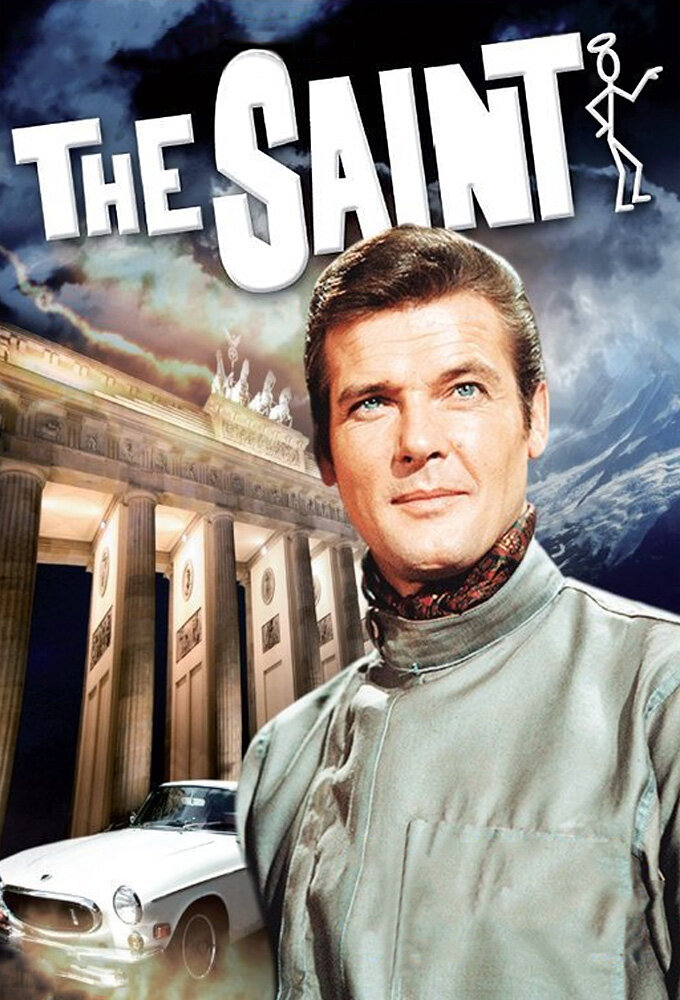
The Saint1962
Roger Moore as a charming rogue solving crimes in a world that exists partly in reality, partly in fantasy. Same blend of style, mystery, and a hero you genuinely want to hang around with for an hour.
But The plotting is sometimes thin, and it occasionally mistakes mood for substance. Some episodes feel more like an excuse to show Moore in nice locations than to tell a story.
Not sure tonight? Get a pick in a minute, starting from Burke's Law
The wildcard
Something you would not have found on your own.
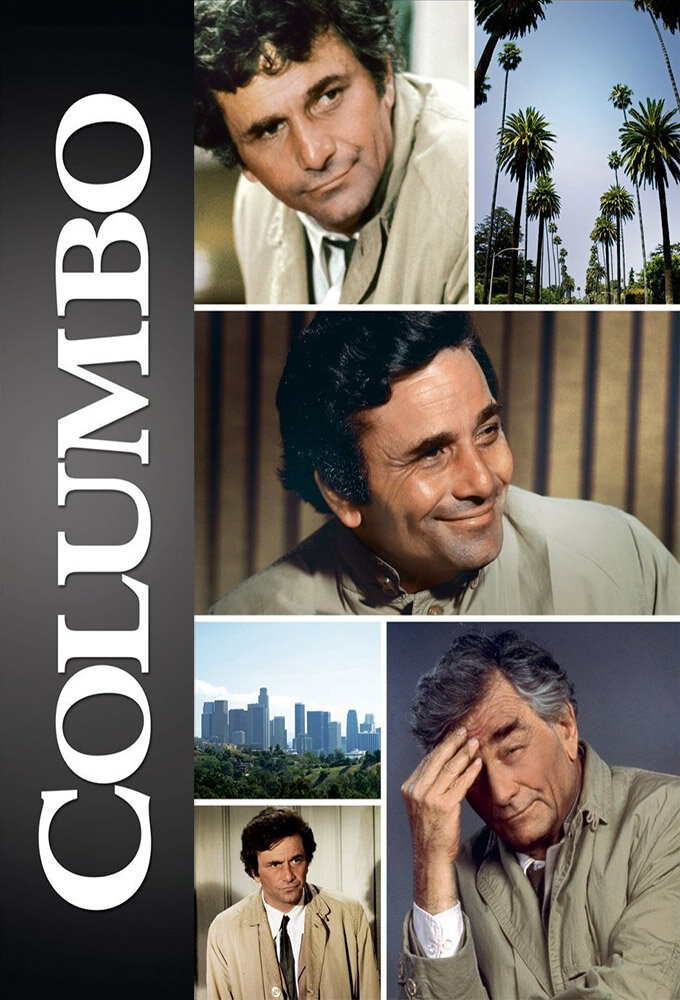
Columbo1968
Both understand that the real mystery isn't whodunit but how the detective thinks. Burke uses style; Columbo uses persistence. Same engine, opposite aesthetics.
Peter Falk inverts the detective formula entirely: we know who did it, and the pleasure is watching him corner them. It shares Burke's affection for guest stars and its weekly mystery structure, but replaces style with something darker—the thrill of a mind at work.
But It's slow, repetitive by design, and entirely lacking in glamour. The rumpled detective is the opposite of Burke's suave millionaire, which means the entire viewing experience feels inverted.
More like this (8)
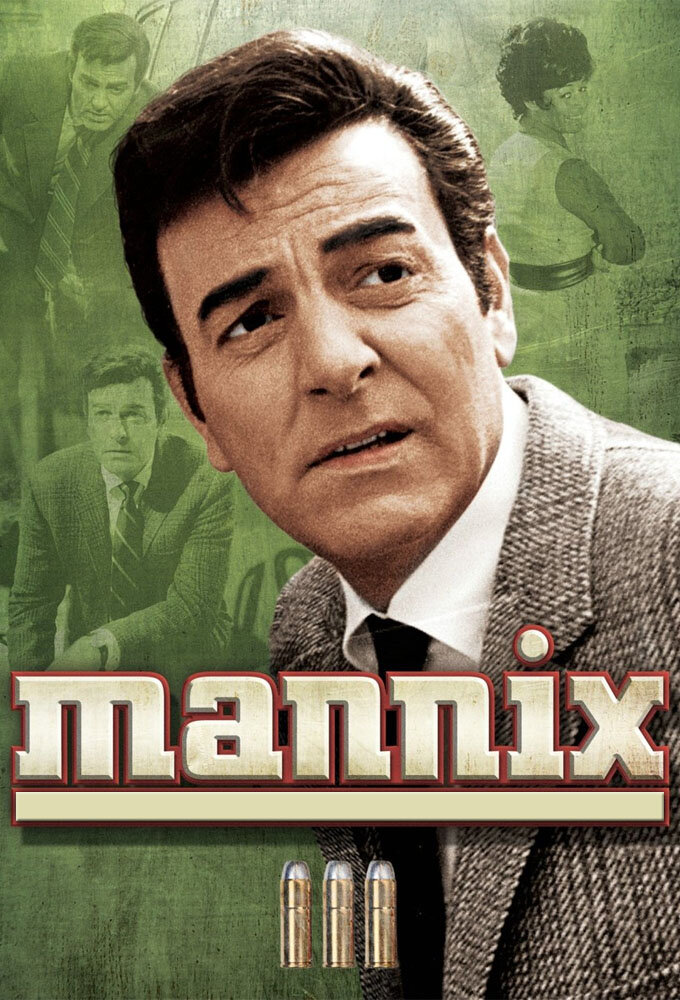
Mannix1967
Private detective series with real investigation alongside the glamour. If you like Burke's procedure but want more actual detective work and less society-page dressing, this is the natural upgrade.
But It's substantially grittier and less playful than Burke—more serious about its crime-solving, which some viewers find less fun.
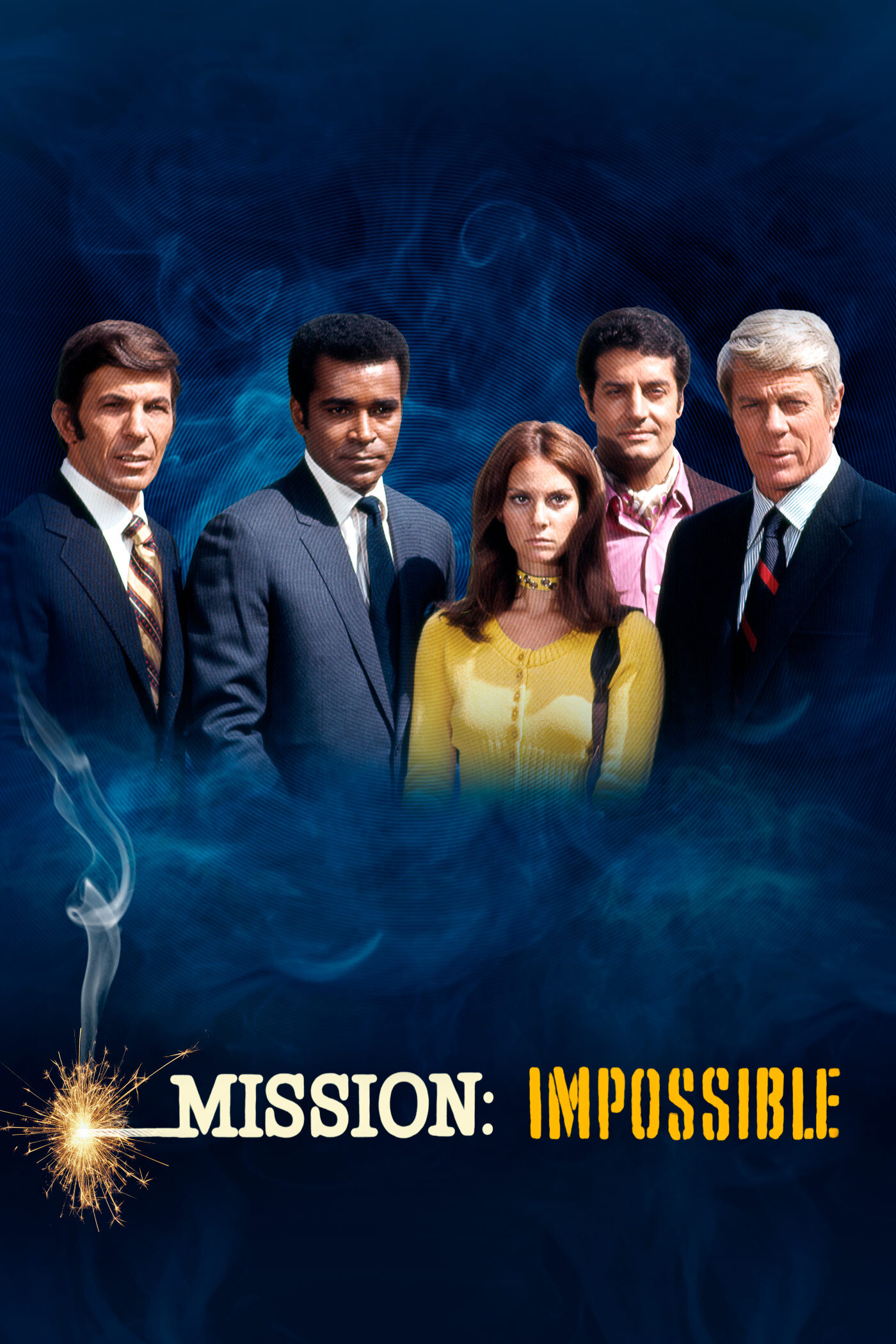
Mission: Impossible1966
Ensemble caper show with elaborate plotting and a rotating cast of memorable characters. That same satisfaction of watching a plan come together, week after week, with style and precision.
But The episodes are formula once you see the seams. It trades Burke's character charm for plot mechanics, which feels hollow if you're not deeply invested in the setups.
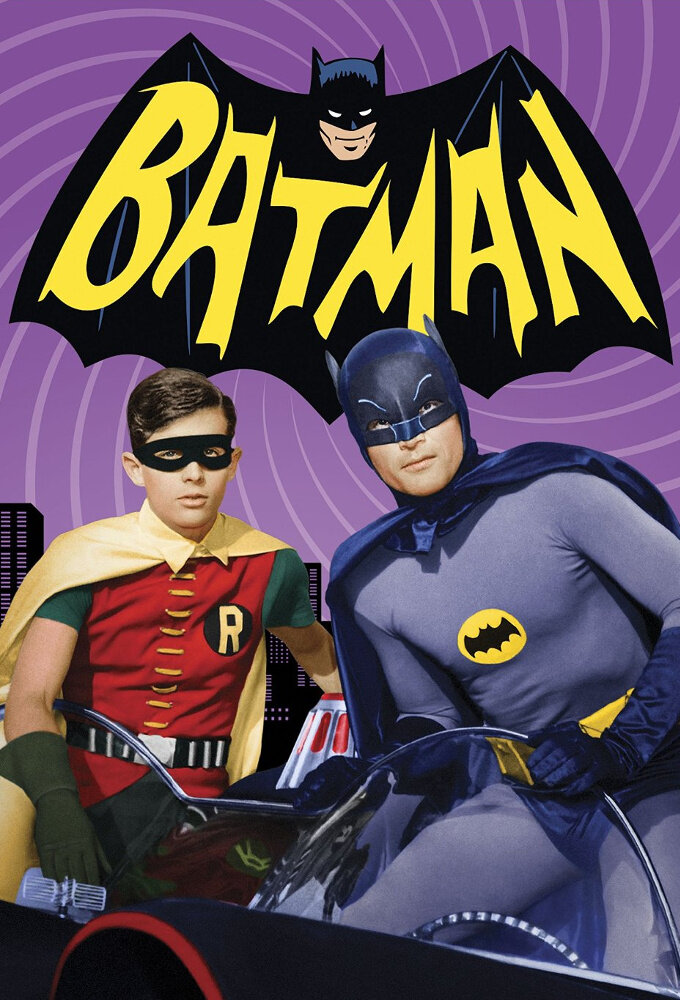
Batman1966
Deliberately campy crime-fighting that knows exactly what it is. Same guest-star bonanza (often the same guest stars!), same willingness to be entertaining over realistic, same affection for the absurd.
But It goes for outright camp rather than sophistication. If you prefer your television to maintain a straight face, this will feel too broad.
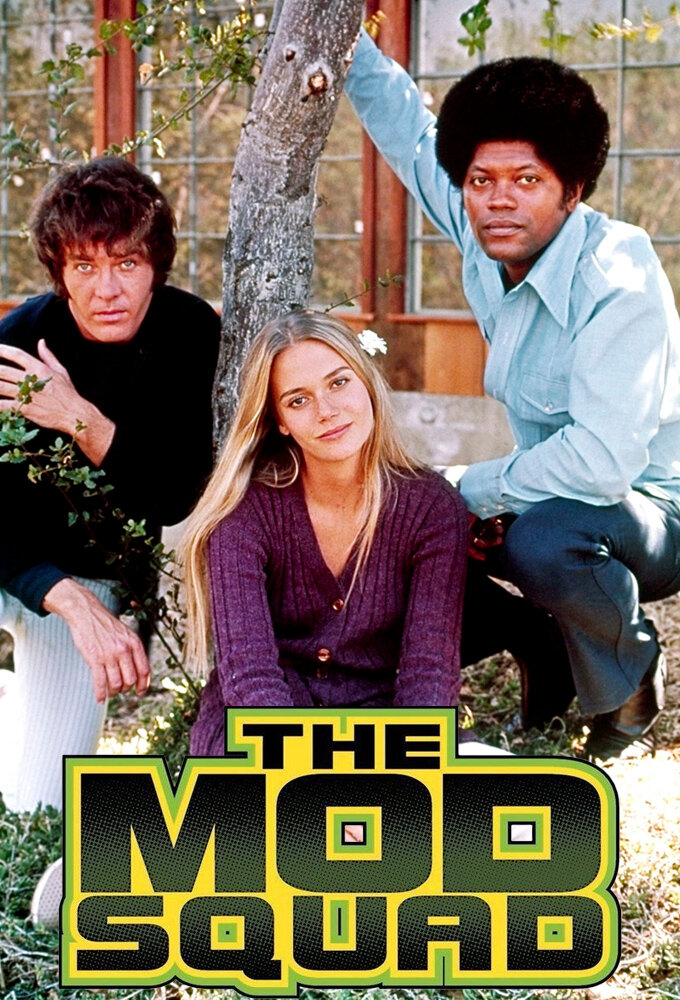
The Mod Squad1968
Three young undercover cops solving crimes in contemporary L.A. It captures some of Burke's style and procedural satisfaction while updating the setting and perspective to something fresher.
But The tone wavers between serious social commentary and light entertainment in a way that feels inconsistent. It wants to matter and be fun simultaneously, and doesn't always manage both.
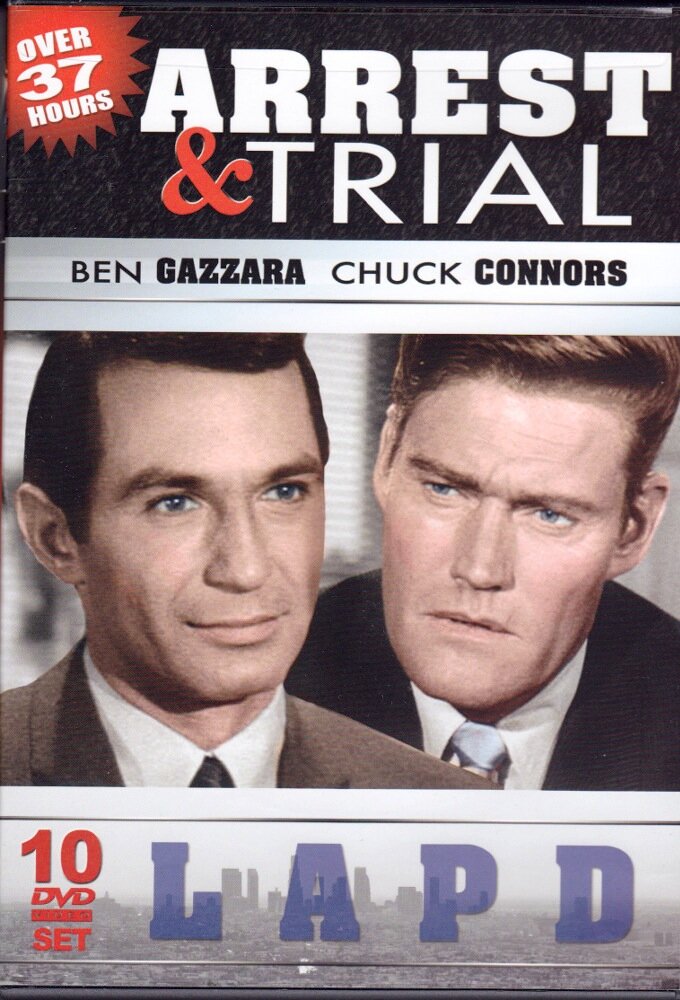
Arrest and Trial1963
Courtroom crime series that shares Burke's era and sensibility. Real investigation, clever plotting, and a lead character with genuine charisma carrying you through each case.
But Less stylish than Burke and sometimes earnest in ways that feel dated. The courtroom procedure can slow momentum for viewers who came for the mystery, not the law.
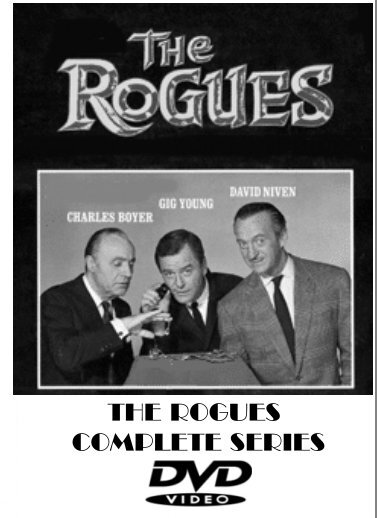
The Rogues1964
Three charming con men navigating an international underworld. It's Burke's confidence and style applied to heist plotting, with the added pleasure of three strong leads playing off each other.
But Lighter on plot mechanics than Burke and more interested in character banter. If you want to actually solve mysteries, the con-artist framework might feel like it's getting in the way.
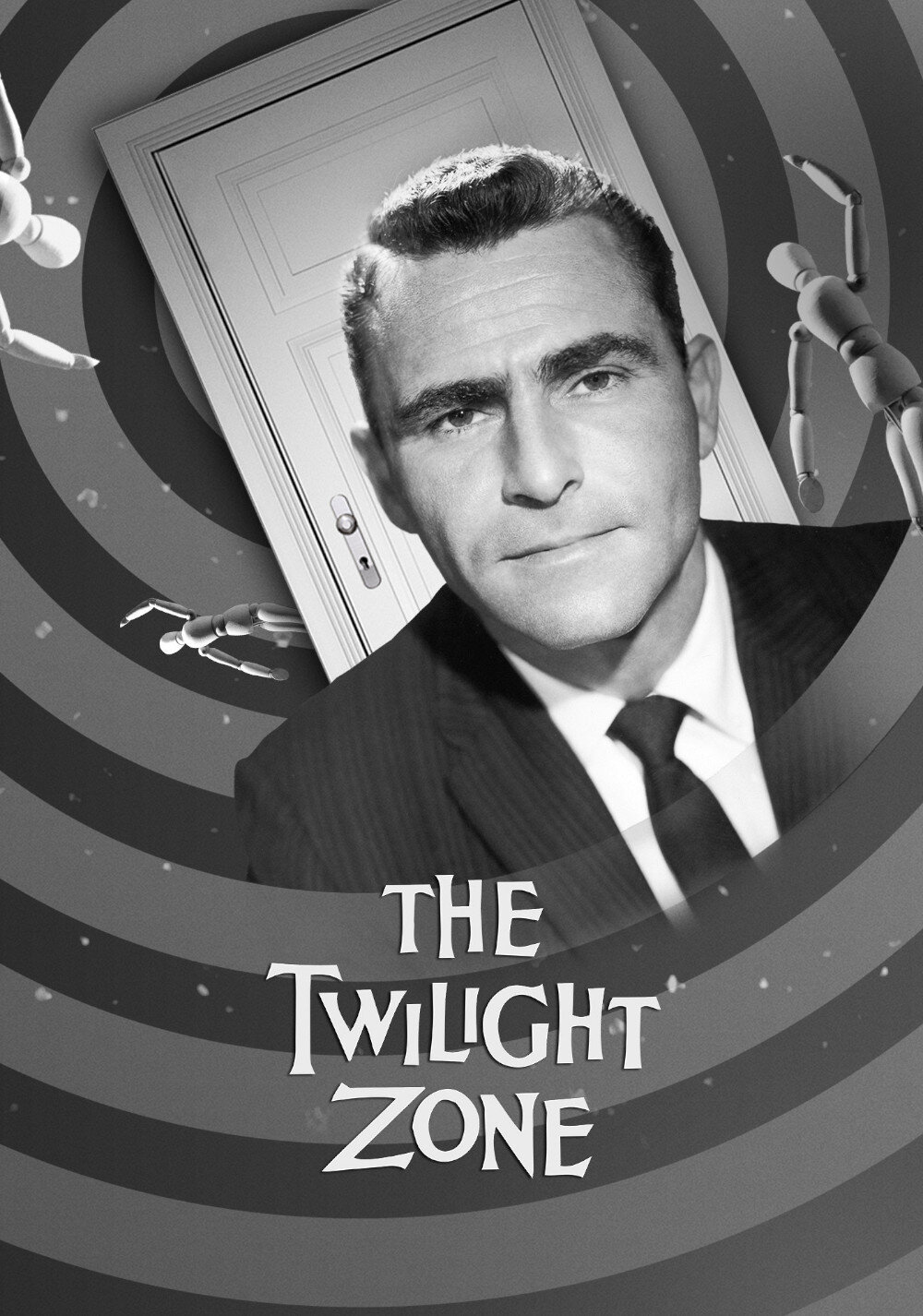
The Twilight Zone1959
Both are anthology shows built entirely on guest stars and clever plotting. Burke asks 'who killed her?' while Twilight Zone asks 'what does this mean?'—but the machinery is surprisingly similar.
Thirty-minute mysteries with twist endings and an enormous roster of guest stars in surreal scenarios. It shares Burke's love of clever plotting and genre play, but where Burke stays in crime, this slips sideways into science fiction and the uncanny.
But The quality varies wildly episode to episode, and some plots hinge on ideas so dated they've become incomprehensible. It's a commitment to sift through for the good ones.
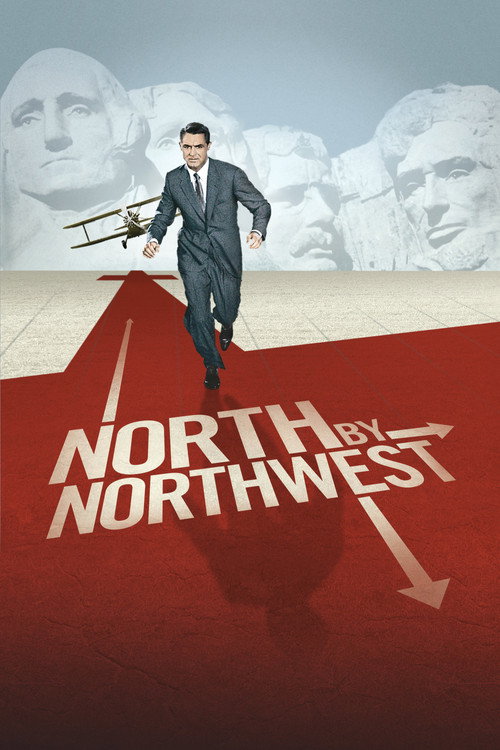
North by Northwest1959
Both believe a handsome, clever man navigating complicated circumstances is inherently entertaining. North by Northwest is what Burke would be if it decided to be genuinely tense—same lead, higher stakes.
Cary Grant in a mistaken-identity thriller that combines elegance, danger, and genuine wit. It's a feature film rather than weekly television, but it's fundamentally Burke's DNA—a stylish man in peril, moving through an intricate plot with charm and humor holding it together.
But It's Alfred Hitchcock, which means it's built on suspense and rising stakes. If you're coming from Burke expecting light entertainment, the actual danger might feel heavier than you bargained for.
People
Cast

Directing
- Bill DerwinAssistant Director
Writing
- Ernest KinoyCreator
- Frank D. GilroyCreator
- Ivan GoffCreator
- Bud KayStory Editor
Production
- Shelley HullAssociate Producer
- Aaron SpellingProducer
Recommended by
Banacek, Bat Masterson, Mannix, Peter Gunn, The Adventures of Rin Tin Tin, Daktari