
Television series
Amazing Stories
- Fantasy
- Science fiction
- Dip in and out
Spielberg's 1985 anthology series where each half-hour episode is a complete fantasy or sci-fi story, often tinged with wonder or the uncanny. Ray Walston frames each tale as a mysterious storyteller. It's a showcase for guest stars and directors, with production values that feel like miniature films. For anyone who loves the Twilight Zone format but wants something gentler, more fantastical, less cynical.
Should you watch it?
Watch it if you like self-contained stories with a wink of wonder, where each half-hour hands you a different premise, a different director's sensibility, and a sense that anything could walk through the door next.
Skip it if you want a single story with a steady arc, since each episode resets with new people, tone and stakes, and some hits land softer than others.
What it asks of you: Half an hour per story, with no need to remember what came before; pick one, finish it, and move on, knowing the next one will be a different shape.
Not sure? Find tonight's pick in a minute.
If you liked this
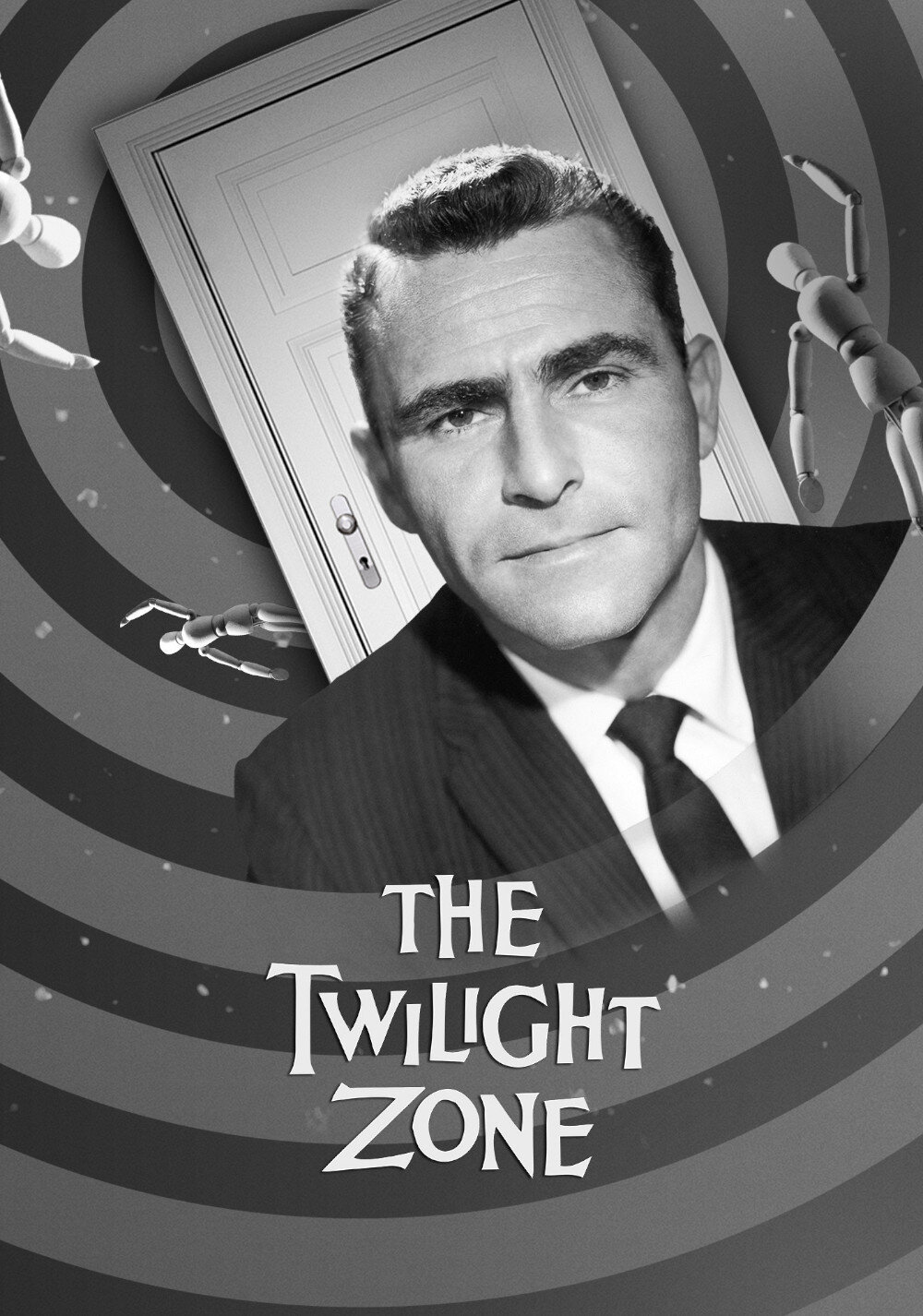
The Twilight Zone1959
The spiritual ancestor of anthology television. Each episode delivers a complete story with a twist, exploring the strange and impossible. If you love the concept of Amazing Stories, this is where it all began.
But The pacing is deliberate and the special effects are dated. Some episodes veer into heavy-handed social commentary that hasn't aged as well as the best ones.
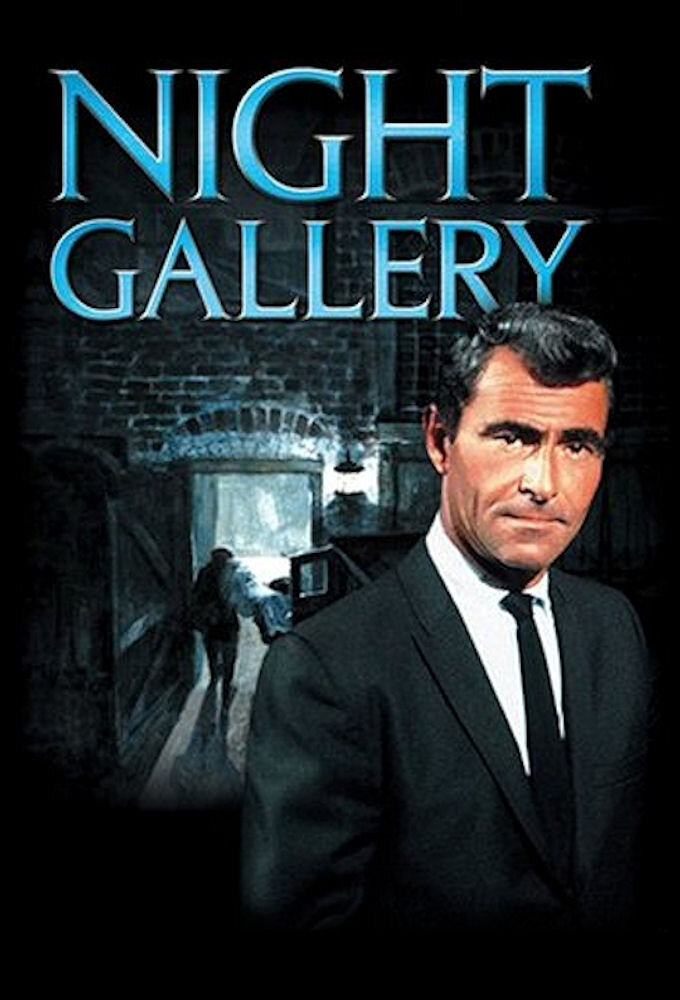
Night Gallery1969
Rod Serling's follow-up to Twilight Zone, focusing on horror and the supernatural. Gorgeously shot, darkly atmospheric, with similarly star-studded guest casts and top directorial talent behind each episode.
But Darker in tone than Amazing Stories and often genuinely unsettling. If you prefer wonder to dread, this will feel like stepping into a different mood entirely.
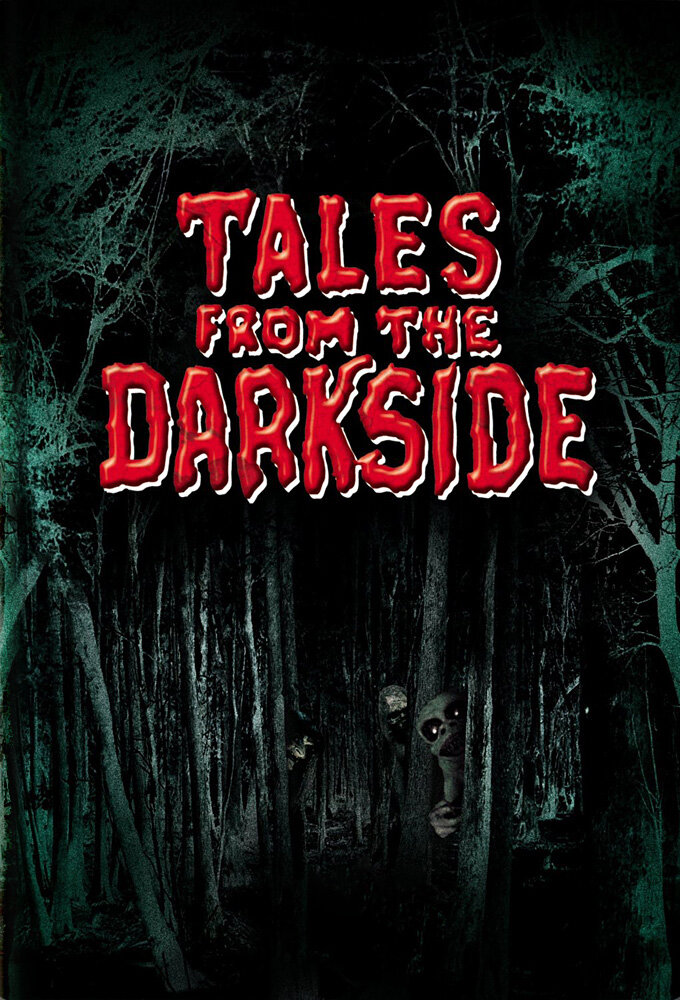
Tales from the Darkside1984
Anthology horror that matches Amazing Stories' energy and star power. Each half-hour is snappy, imaginative, and frequently funny. A great companion piece if you want more episodic storytelling in a similar vein.
But The tone is campier and more deliberately macabre. If you're drawn to Amazing Stories for its sense of wonder rather than its scares, this might feel too kitschy.
Not sure tonight? Get a pick in a minute, starting from Amazing Stories
The wildcard
Something you would not have found on your own.
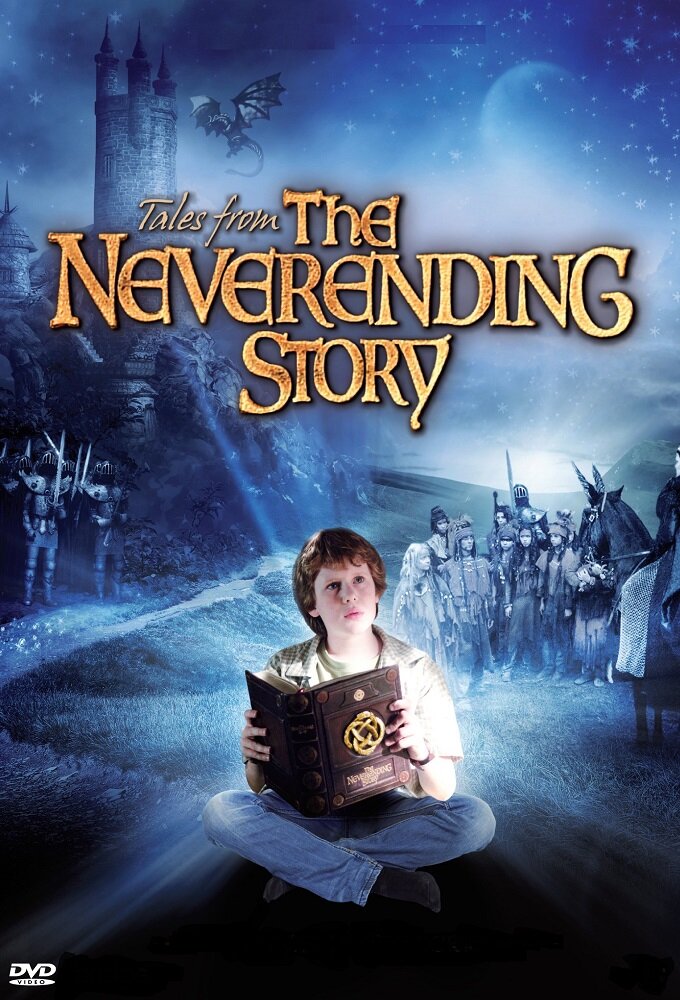
Tales from the Neverending Story2001
Both use the framing device of a mysterious figure introducing fantastical stories; both prioritize creating fully realized mini-worlds over twist endings. Where Amazing Stories feels like pocket universes, this feels like doorways into existing ones.
A live-action fantasy series where frame narratives lead into complete short stories, each visually distinctive and set in different magical worlds. It captures that sense of wonder and strangeness that makes Amazing Stories work, but leans entirely into fairy tale logic rather than sci-fi.
But It's clearly aimed at younger audiences and the production values are more modest. The earnestness about fantasy worlds can feel cloying if you prefer your wonder tinged with irony.
More like this (7)
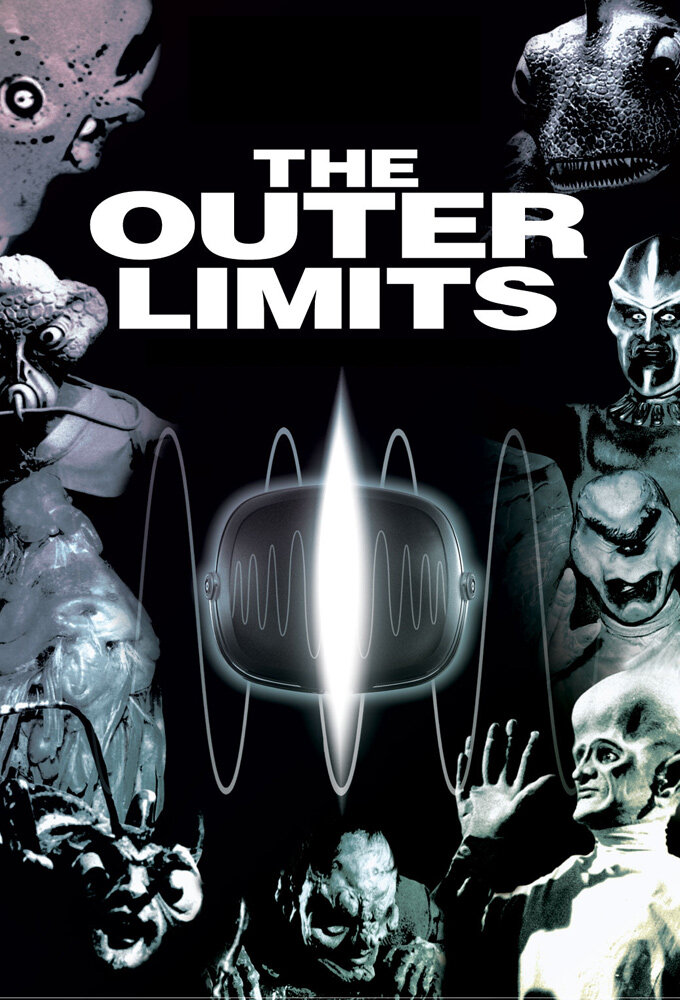
The Outer Limits1963
Sixties sci-fi anthology with genuine intelligence and philosophical bite. Each episode explores ideas through vivid, strange scenarios. The design is stunning and the storytelling is ambitious despite the era's technical limits.
But The acting can be stiff and the pacing is slow. It's very much of its time in ways that can feel distant from a modern viewer's sensibility.
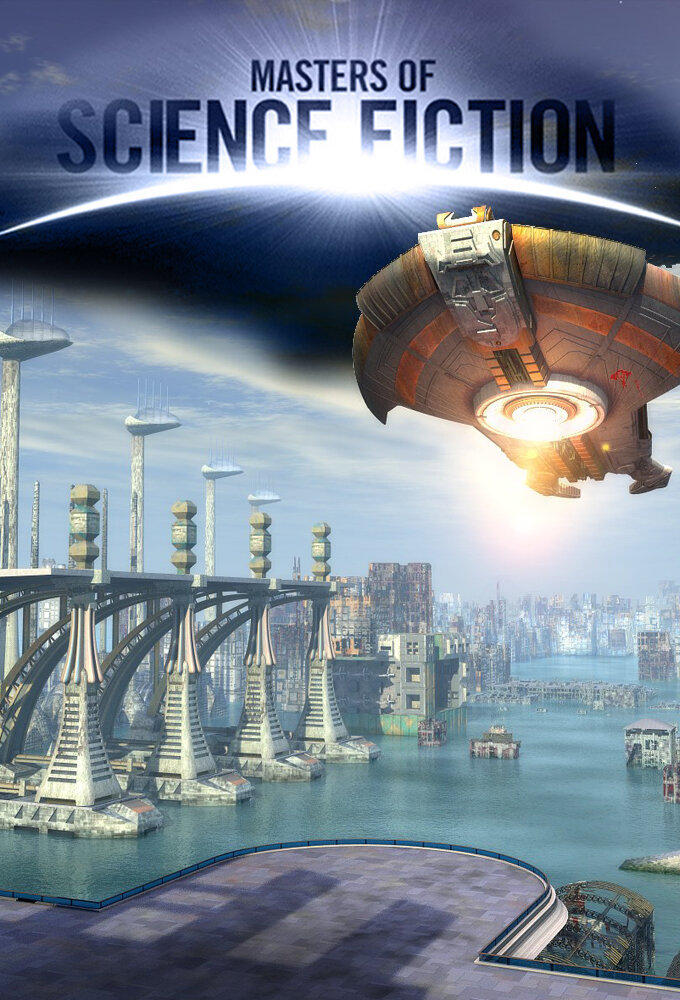
Masters of Science Fiction2007
Prestige anthology with an A-list cast and directors tackling classic science fiction stories. Each episode is a small film. High production values and genuinely thought-provoking material throughout.
But Only two seasons before cancellation means limited material. The tone is cerebral rather than playful, which might feel sterner than what drew you to Amazing Stories.
Alfred Hitchcock Presents1955
Half-hour suspense anthology with Hitchcock's dark wit framing each story. Tightly plotted, clever, and frequently surprising. A masterclass in how much tension you can pack into 30 minutes.
But The humor is drier and the sensibility is more cynical. If you want fantasy and wonder, this is all suspense and the human capacity for wrongdoing.
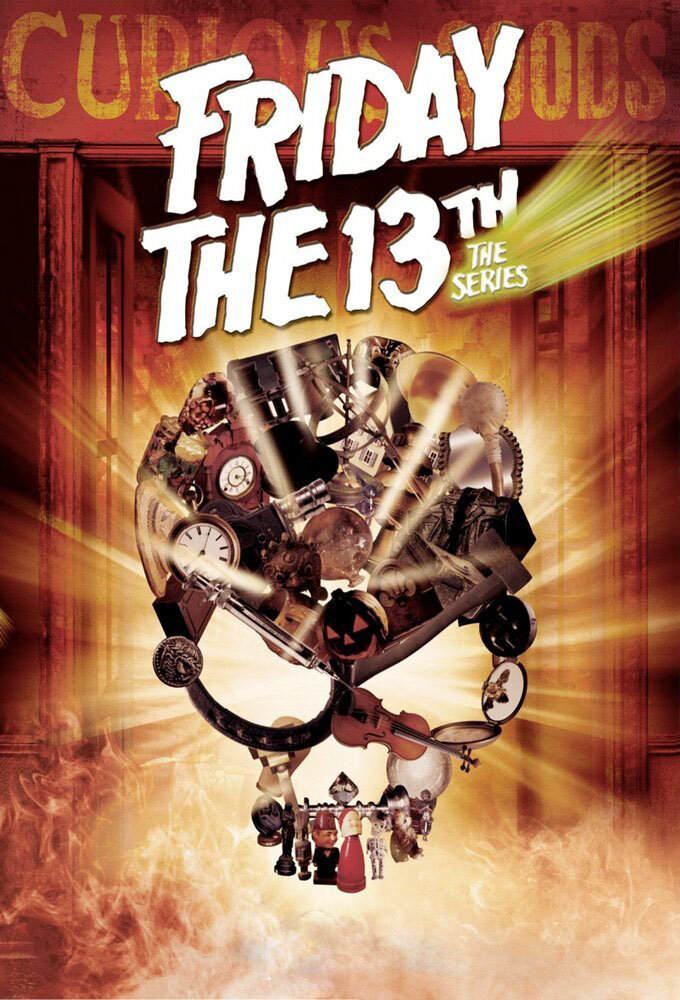
Friday the 13th: The Series1987
Horror anthology with a throughline: cursed antiques causing chaos. Inventive premises, practical effects work, and genuine entertainment value. Each episode is self-contained but part of a larger mythology.
But The horror can be cheap and the acting is uneven. It's more interested in jump scares and gore than the contemplative wonder that makes Amazing Stories special.
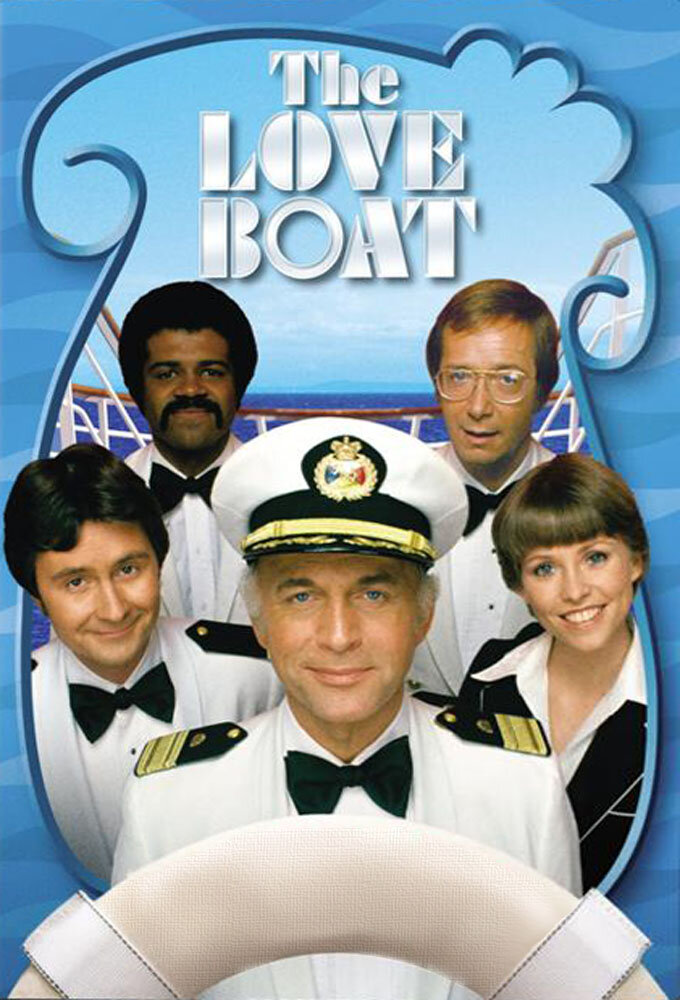
The Love Boat1977
An ensemble anthology that predates Amazing Stories, set aboard a cruise ship. Warm-hearted, star-studded, and surprisingly well-crafted. Each episode is light and escapist in the best way.
But It's pure comfort TV with no edge whatsoever. If you're looking for any real stakes or darkness, this will feel impossibly gentle to the point of blandness.
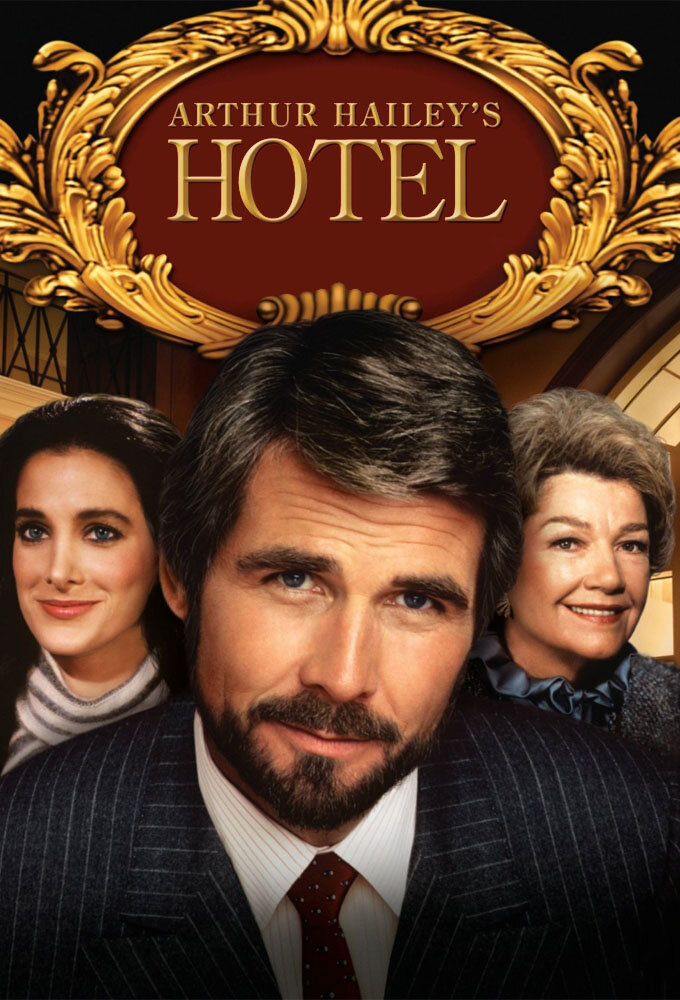
Hotel1982
Upscale ensemble anthology anthology set in a grand hotel. Each week brings a new guest and a new story. Slicker production than most anthologies, with interesting character actors and a touch of class.
But The format can feel repetitive and the stories are often melodramatic. Without Spielberg's whimsy or a clear thematic focus, episodes can blur together.
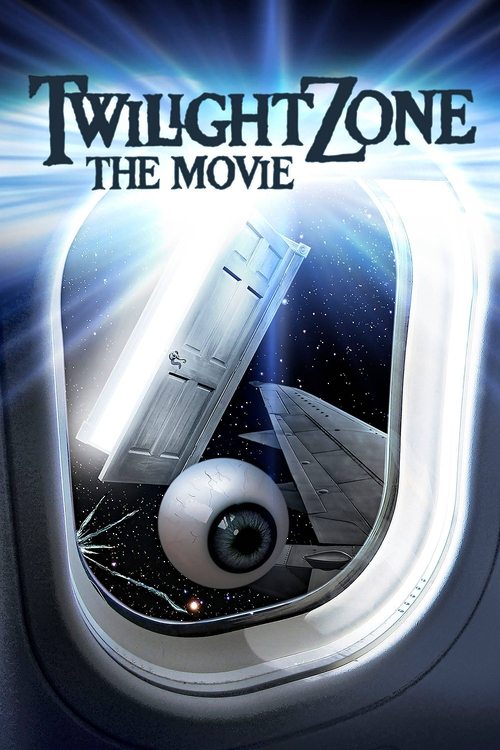
Twilight Zone: The Movie1983
Spielberg's own direction here shows you his sensibility in the exact format and era he was creating Amazing Stories. It's him exploring the same storytelling tool, just bigger and for cinema.
Four directors each tackle a Twilight Zone concept as a short film rather than an episode. Spielberg directs one himself. It shows what the anthology format becomes with movie budgets and runtimes—more ambitious, more cinematic, more elaborate.
But One segment is marred by tragedy and discomfort; another is clumsy. Not every short works at this length, and the film can feel uneven compared to the consistency of a series.
People
Cast
Writing
- John FalseyCreator
- Joshua BrandCreator
- Steven SpielbergCreator
Production
- Steve StarkeyAssociate Producer
- Steven SpielbergExecutive Producer