
Film
Please Give
A sharp-edged New York comedy about a couple who renovate apartments for resale while grappling with guilt about their privilege. Director Nicole Holofcener writes characters too smart and contradictory for easy judgment, mixing comedy with genuine moral discomfort. For anyone who's felt complicit in systems they dislike, and everyone who loves watching smart people squirm.
Should you watch it?
Watch it if you like small, observant comedies where awkward decency and money guilt get dissected with a dry, affectionate eye, and you don't need much plot to be carried along.
Skip it if you want momentum or a clear arc, because this drifts through overlapping lives in a loose, conversational way and some of its characters stay more irritating than lovable.
What it asks of you: Ninety minutes of patient, close-up watching, where the comedy comes from wincing recognition more than set pieces, and it wants you to sit with discomfort rather than be rescued.
Not sure? Find tonight's pick in a minute.
If you liked this
Tiny Furniture2010
Lena Dunham's debut is similarly precise about millennial anxiety and inherited advantage—a young woman adrift in her parents' SoHo loft, aware her problems are luxurious but unbearable anyway. Painfully funny and deeply uncomfortable in exactly the right ways.
But The main character is genuinely unlikeable and makes terrible decisions throughout. If you need to root for someone, this will frustrate you.

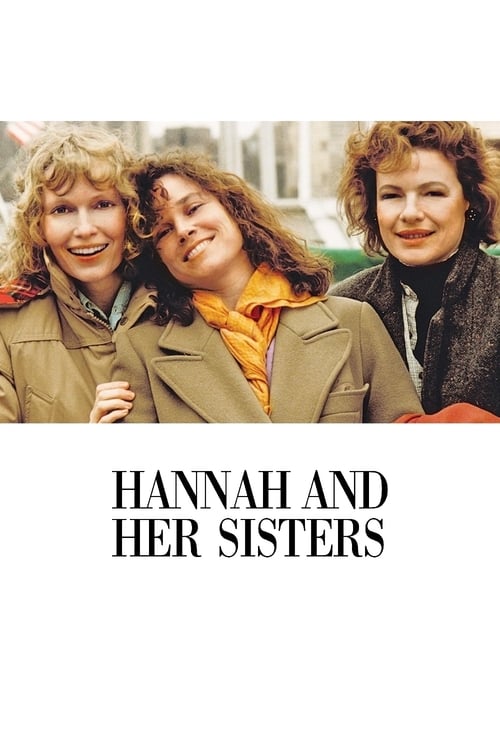
Hannah and Her Sisters1986
Woody Allen at his best, mapping the small cruelties and compromises of people trying to be good while wanting things. Three women, their partners, their families—the same mix of comedy and genuine stakes that Holofcener loves.
But Allen's relationship to his material is less self-aware than Holofcener's, and some of the gender dynamics will wear badly depending on your patience.
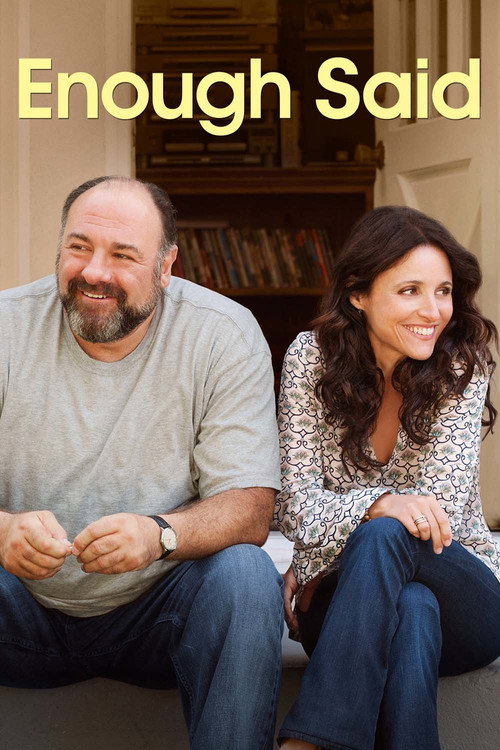
Enough Said2013
Julia Louis-Dreyfus and James Gandolfini in Holofcener's even sharper follow-up: two middle-aged people cautiously falling for each other, undermined by gossip and self-sabotage. Tender and withering at once.
But There is a real melancholy underneath—this is less a crowd-pleaser than Please Give, and it doesn't fully resolve its sadness.
Not sure tonight? Get a pick in a minute, starting from Please Give
The wildcard
Something you would not have found on your own.
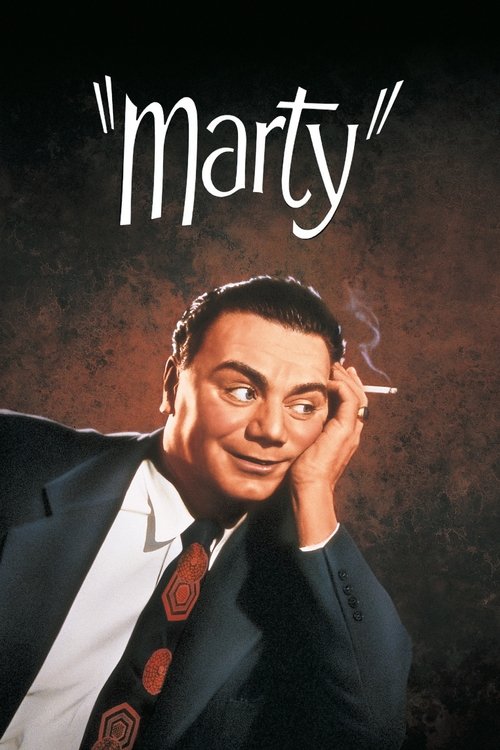
Marty1955
Both are about ordinary people in ordinary places trying to be decent, and both suggest that's actually the hardest thing to do. Neither wants you to feel superior to anyone on screen.
A Bronx butcher falls for a plain woman; his friends and family do everything to sabotage it. Made in 1955, it's astonishingly tender about ordinary people feeling unlovable. The same DNA as Please Give: unglamorous characters, real stakes, comedy from recognizing yourself.
But The pacing is glacial by modern standards, and the gender politics, while progressive for the era, have aged. It's also relentlessly unglamorous, which some find dull.
More like this (7)
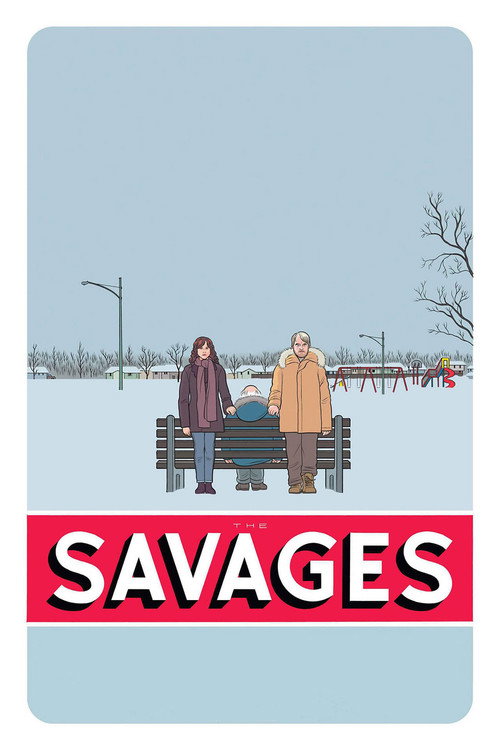
The Savages2007
Laura Linney and Philip Seymour Hoffman as adult siblings managing their father's decline. Tamara Jenkins writes the same territory as Holofcener—guilt, obligation, the ways we fail each other—but leans harder into earnestness.
But It's genuinely depressing for long stretches, with only intermittent comic relief. If you want lightness, this isn't it.
Hello, My Name Is Doris2015
Sally Field as an aging loner pursuing a younger man at work. Indie and eccentric, yes, but it shares Please Give's fascination with people wanting things they shouldn't, and the comedy of self-deception.
But The manic-pixie-dream-girl energy can tip into trying-too-hard. Some will find it charming; others will find it exhausting.

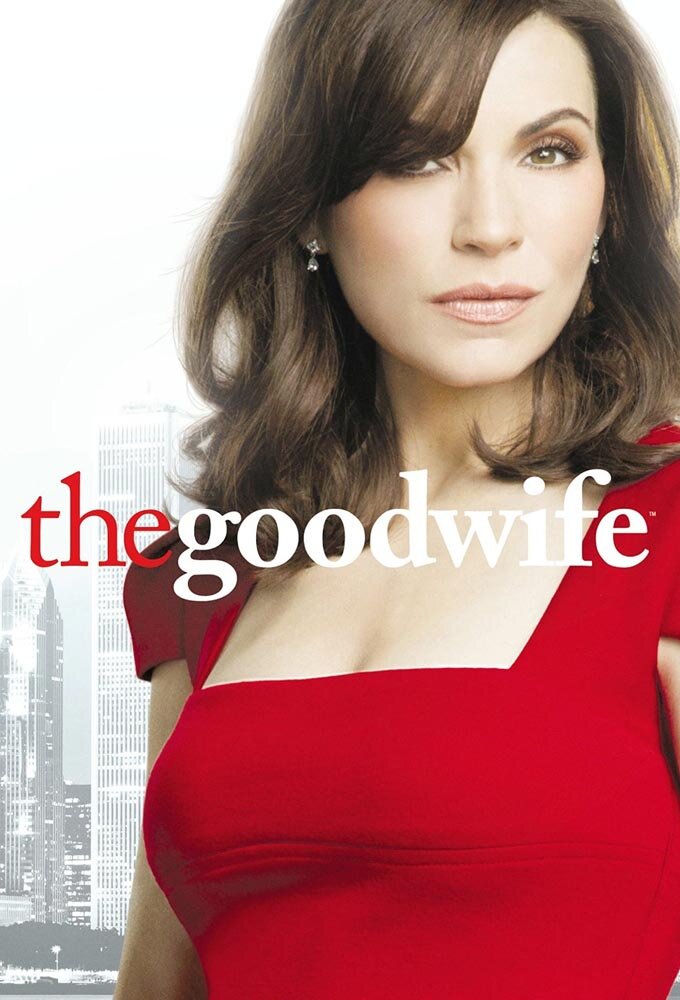
The Good Wife2009
A brilliant, endlessly inventive legal drama where every case mirrors the larger moral question: how do you keep your integrity in a corrupt system? Seven seasons of characters making complicated compromises.
But It's a long commitment, and the quality wavers in later seasons. Also: if you want to avoid thinking about politics, the show won't let you.
Obvious Child2014
Gillian Rooney as a standup comedian navigating a surprise pregnancy with humor and no moralizing. It has the same tone as Please Give—funny, honest, uncomfortable—but aims for something warmer.
But The comedy is very personal and stream-of-consciousness; if you don't connect with Rooney's voice immediately, it's a long ninety minutes.

Merrily We Roll Along
A musical that reverses chronologically through three friendships in theatre, watching connection dissolve into regret. Not obviously similar to Please Give, but it's about how we become the people we swore we wouldn't, told with real intelligence.
But It's a musical, which already excludes people. Beyond that, the emotional payload is heavy, and the theatrical earnestness won't suit everyone.
Shoplifters2018
Like Please Give, it refuses the easy position: the 'bad' people aren't villains, the 'good' people aren't heroes, and guilt doesn't automatically make you better. Both are about complicity, not judgment.
A Japanese family survives by stealing, and their love for each other is real—but so is their complicity. Kore-eda's masterpiece is comedy-inflected and achingly human, examining the gap between how people see themselves and what they actually do.
But It's a foreign film with the pacing of a novel, and the subject matter is bleak. Expecting either lightness or moral clarity will disappoint you.

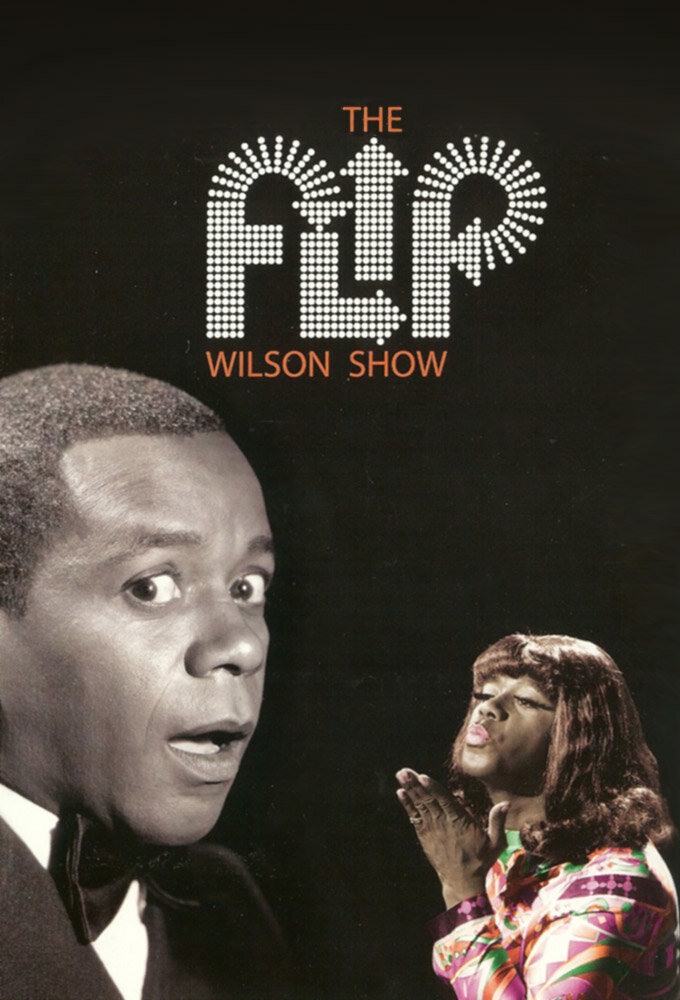
The Flip Wilson Show1970
Wilson's characters have the same complexity as Holofcener's: people doing small wrongs, feeling conflicted, being funny without being ridiculous. Comedy that trusts the audience to love people without excusing them.
A legendary sketch show where Wilson's characters—church ladies, con artists, everyday people—were smart and contradictory, never punchlines. Underrated as a model for comedy about real life: funny, never mean, with real affection for human messiness.
But It's archival TV from 1970—the pacing is slow, the production values are theatrical, and some references are dated. Watching sketches out of sequence is also disorienting.
People
Cast
 Catherine KeenerKate
 Amanda PeetMary
 Oliver PlattAlex
 Rebecca HallRebecca
 Ann Morgan GuilbertAndra
 Lois SmithMrs. Portman
 Sarah SteeleAbby
 Thomas Ian NicholasEugene
 Elizabeth KeenerCathy
 Elise IvyMarissa
 Josh PaisAdam
 Griffin FrazenShopper
Directing
- Nicole HolofcenerDirector
- Karen KaneFirst Assistant Director
- Andrew CesanaScript Supervisor
- Melissa KalbfusScript Supervisor
- Kara DohertySecond Assistant Director
- Marta Forns-EscudéSecond Second Assistant Director
Writing
- Nicole HolofcenerWriter
Production
- Cynthia HarringtonArt Department Production Assistant
- Eric JohnsonArt Department Production Assistant
- David VelascoAssistant Location Manager
- John SkidmoreAssistant Production Coordinator
- Stefanie AzpiazuAssociate Producer
- Jeanne McCarthyCasting
- Joanne BloomCasting Assistant
- Leslie WooCasting Assistant
- Nicole Abellera HallmanCasting Associate
- Rori BergmanCasting Associate
- Caroline JaczkoExecutive Producer
- Bill TripicianExtras Casting Assistant
- Karen E. EtcoffExtras Casting Coordinator
- Jenny LovinFirst Assistant Accountant
- Anthony LoteKey Production Assistant
- Dennis VoskovLocation Assistant
- Collin SmithLocation Manager
- Anthony BregmanProducer
- Michael WigginsProduction Accountant
- Juan CabanProduction Assistant
- Joshua HuffmanProduction Coordinator
- Michael B. LewisProduction Secretary
- Frank J. MurrayProduction Supervisor
- Caroline JaczkoUnit Production Manager
Recommended by
Tiny Furniture, Obvious Child, The Savages, Lovely & Amazing, Sunshine Cleaning, The Kids Are All Right, Enough Said, Related, Prisoners' Wives, Motherhood, Afternoon Delight, Cha Cha Real Smooth, A Little Help, RUN, Dreamland, Delirious, Cyrus, Year of the Dog, In the Family, Lulu, Lonesome Jim