
Film
The Fortune
A 1920s crime caper where two con men—one sleazy, one impulsive—vie to seduce and fleece a wealthy heiress. Jack Nicholson and Warren Beatty spark off each other with anarchic charm in Mike Nichols' deliberately unpolished comedy that feels less like a film and more like watching two brilliant improvisers riff on greed, sex and betrayal until everyone's covered in mud.
If you liked this
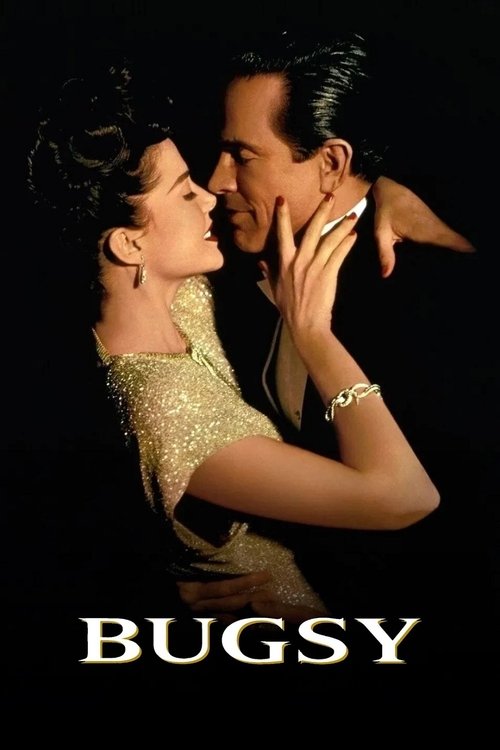
Bugsy1991
Warren Beatty reunites with the material that made him a star: a charming criminal in over his head, now with more money and darker consequences. The confidence game and the con are cousins.
But Beatty's vanity project moves slowly and costs three hours. The romance subplot can feel like self-indulgence rather than story.
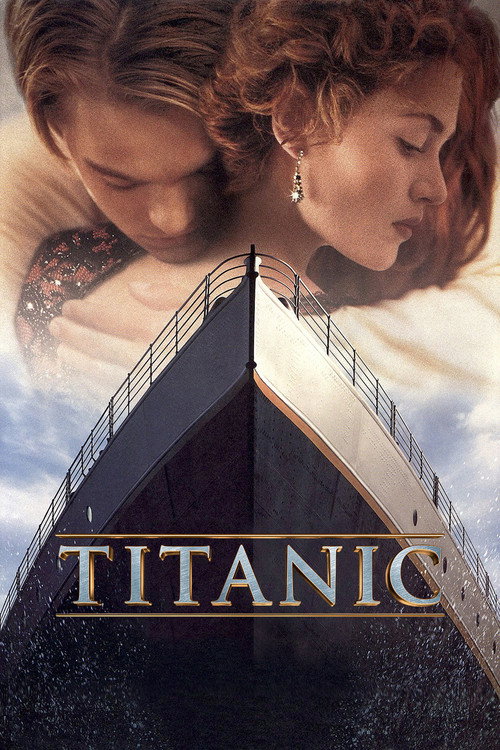
Titanic1997
A con artist (Leonardo DiCaprio) and a wealthy woman locked in cat-and-mouse. Same DNA: charm as currency, class collision, the seduction as con, the con as seduction. Spectacle instead of scrappiness.
But It's operatic where The Fortune is deliberately shabby. Some find the romance undermines the scheme; others find it the whole point.
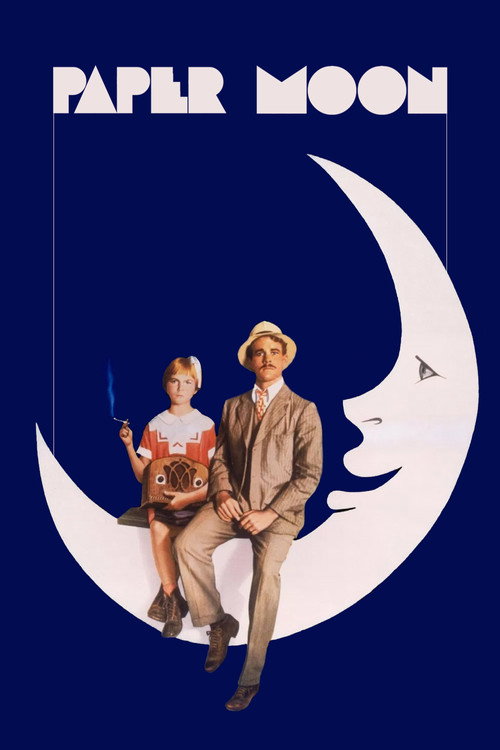
Paper Moon1973
Ryan O'Neal and his real-life daughter con their way through Depression-era America with similar deadpan charm and two-hander rapport. The grift as family business, the hustle as intimacy.
But Shot in black-and-white and moves at conversational speed. The con is quieter, the stakes feel smaller than they are.
Not sure tonight? Get a pick in a minute, starting from The Fortune
The wildcard
Something you would not have found on your own.
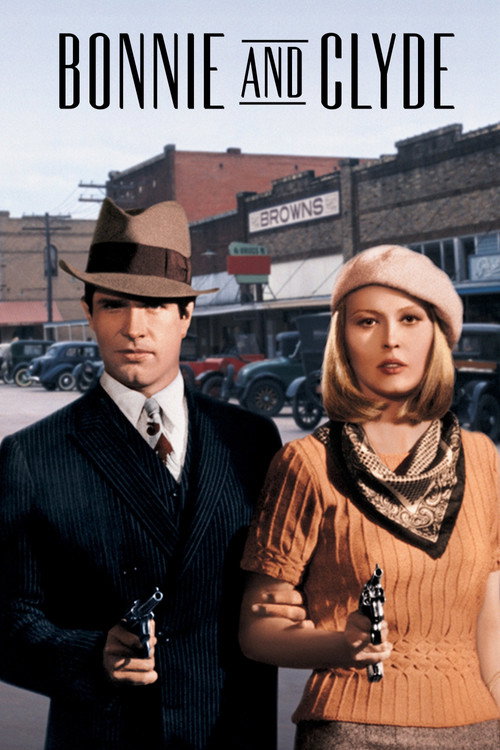
Bonnie and Clyde1967
Both films use charm and seduction as the engine of crime. Both are more interested in the relationship between the criminals than the crime itself. Bonnie and Clyde is the tragic original; The Fortune is its comedy cousin.
Two criminals in love, robbery as foreplay, charm as survival skill. The film that rewrote what crime cinema could be: beautiful, tragic, erotic. This is the DNA all con-game films inherit.
But It's violent in ways that shocked 1967 and still land hard. The romance is built on death, not just deception. Romanticism can obscure the tragedy.
More like this (8)
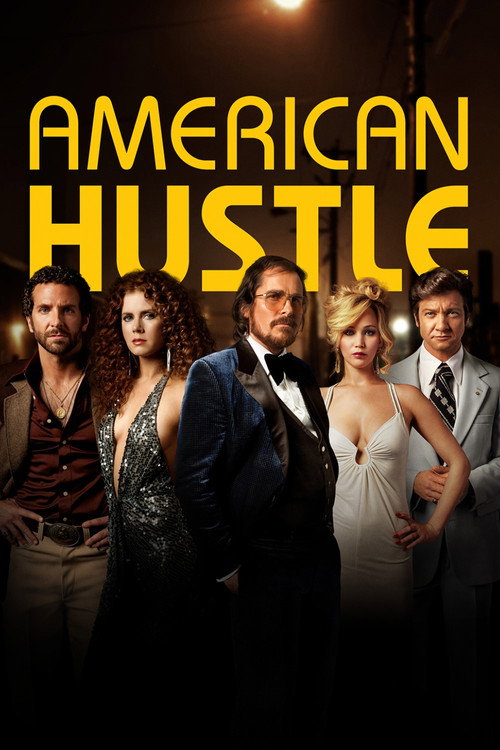
American Hustle2013
Two con artists and their elaborate schemes to swindle the wealthy. Dazzling costumes, split-screens, a pulpy 70s pastiche energy. It wears its love of the hustle on its sleeve.
But Sometimes style drowns substance. The plot is intricate enough to lose you; the performances occasionally slip into parody.
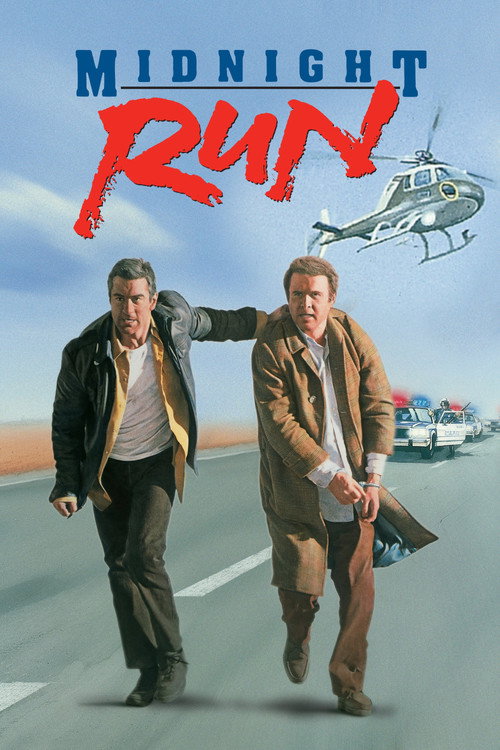
Midnight Run1988
Robert De Niro and Charles Grodin as unwilling partners in crime, sparring with genuine affection beneath the banter. The buddy dynamic and the comedy-from-character play are cousins to Nicholson and Beatty.
But It's a road movie more than a con game. The crime plot is almost an excuse for the relationship to breathe, which won't satisfy everyone.
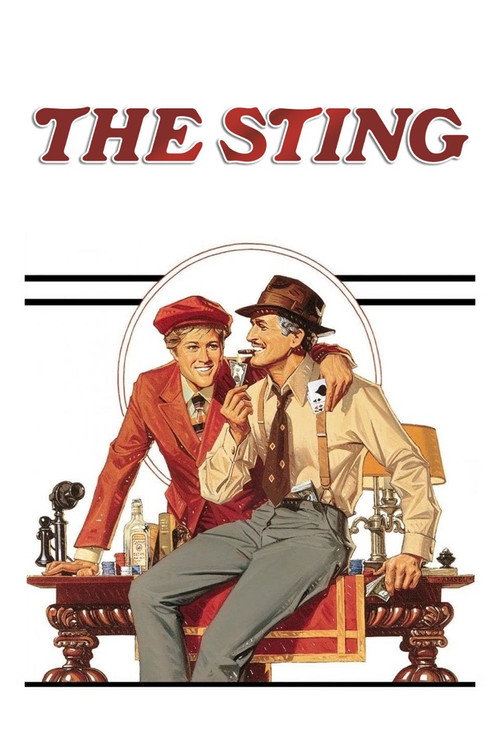
The Sting1973
Paul Newman and Robert Redford execute an elaborate Depression-era con with style and swagger. The blueprint for heist-comedy: charm, precision, and the long con as spectacle.
But It's smoother and more professionally crafted than The Fortune, which means it lacks that raw, fractious energy. Some find it too polished.
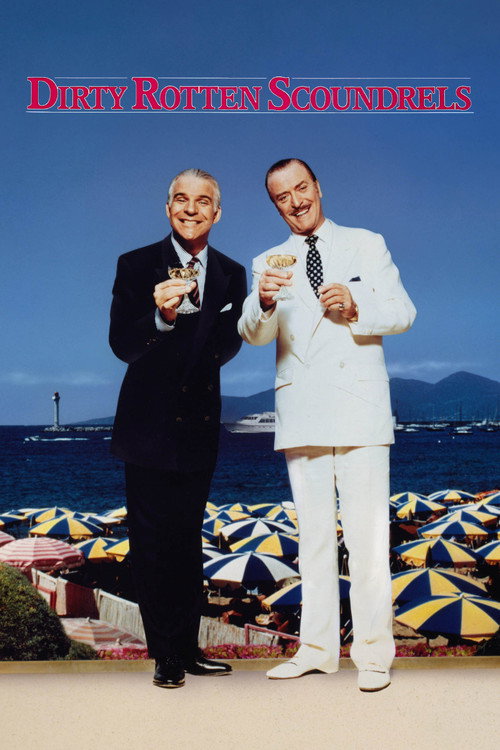
Dirty Rotten Scoundrels1988
Steve Martin and Michael Caine as con men in the South of France, competing to fleece a wealthy woman. Lighter on its feet, more romantic, built entirely on the charm-versus-charm dynamic.
But It's a straight comedy with con-game trappings, not the other way around. The plot is thinner; it trades substance for laughs.
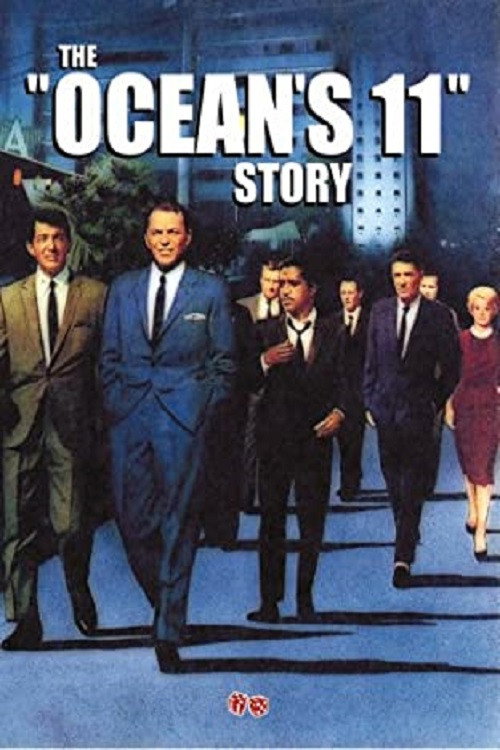
The Ocean's 11 Story2001
Stylish crime caper with an ensemble of beautiful people pulling off an impossible heist. The heist as performance, the con as cool. Dazzling rather than desperate.
But Slick where The Fortune is grimy. The fun comes from effortlessness; this film has no sweat on it, which some find hollow.
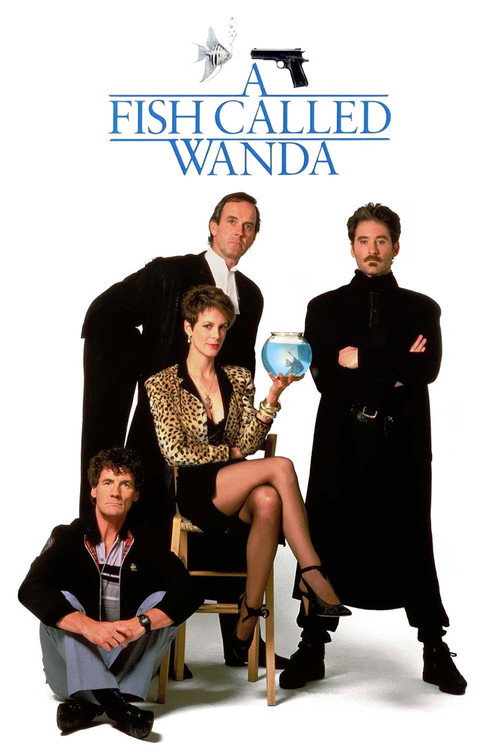
A Fish Called Wanda1988
Con artists, lovers, chaos and betrayal, darkly funny. The interplay of desire and greed, trust and manipulation. British precision applied to American screwball chaos.
But Moves into darker, meaner territory than The Fortune. Some of the violence genuinely lands as violence, not just comic punctuation.
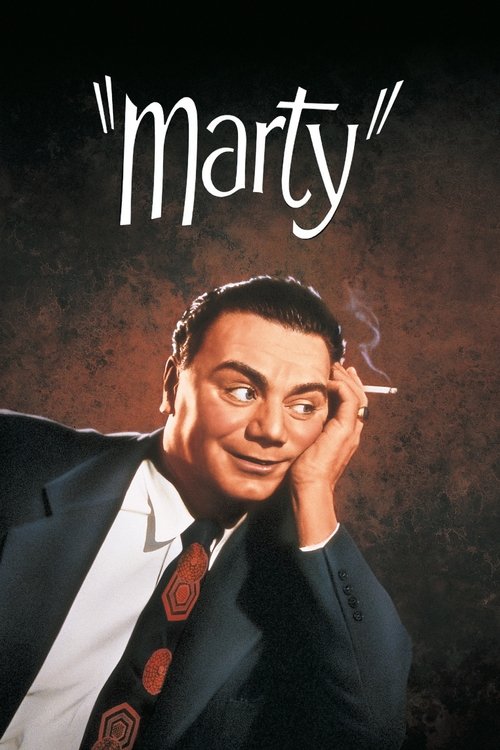
Marty1955
Both films are about desperation masquerading as charm. Marty's hero tries to seduce through vulnerability; Dix and Nicky try to seduce through lies. Both films suggest that underneath the hustle or the shyness, everyone is terrified and alone.
Ernest Borgnine as a lonely butcher who meets a lonely woman. No plot, no crime, just two people circling each other with genuine awkwardness and surprising tenderness. A reminder that human connection is the only con that matters.
But Nothing happens. It's a 1955 television play expanded to film. The pacing is glacial by modern standards. Some will find it unbearably slow.
Moonlight2016
Both films are about desire deployed as survival—how we use charm, sex, and vulnerability to get what we need from each other. The Fortune is loud and frantic about it; Moonlight is silent and still. Same yearning, opposite registers.
Three chapters of a man's life, intimate and precise, building a portrait of loneliness and desire that never resolves. Shot with a painter's eye, acted with whispered intensity. A complete reversal of The Fortune's noise and chaos.
But It's quiet, abstract, and deliberately paced. The plot is internal. Some viewers find its refusal to explain or judge frustrating rather than profound.

People
Cast
 Stockard ChanningFreddie Bigard
 Jack NicholsonOscar 'Dix' Sullivan
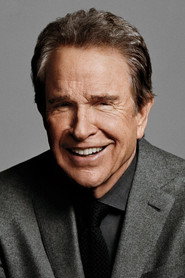 Warren BeattyNicky Wilson
 Florence StanleyMrs. Gould
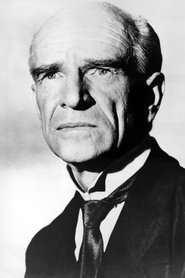 Ian WolfeJustice of the Peace
- Rose MichtomWife of Justice of the Peace
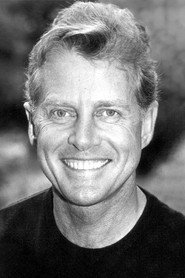 Brian AveryAirline Steward
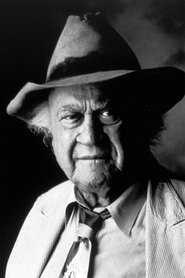 Dub TaylorRattlesnake Tom
 Catlin AdamsGirl Lover
 Christopher GuestBoy Lover
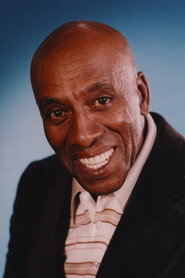 Scatman CrothersFisherman
- Tom NewmanJohn the Barber
Directing
- Peter BogartAssistant Director
- Mike NicholsDirector
- Annabel Davis-GoffScript Supervisor
- Jerry GrandeySecond Assistant Director
Writing
- Carole EastmanWriter
Production
- Robert E. SchultzAssociate Producer
- Hank MoonjeanExecutive Producer
- Don DevlinProducer
- Mike NicholsProducer
- Richard LiebegottProduction Coordinator
- Howard RoesselUnit Production Manager