
Film
Christine
Other titles called Christine: the 1983 film.
- Biopic
- Very dark
Christine is a quiet, meticulous portrait of a troubled local TV reporter in 1974, chasing relevance and connection in an industry indifferent to her ambitions. Rebecca Hall delivers a luminous, controlled performance that lets you see the fractures beneath professional composure. It's unsparing but not exploitative—a film about loneliness and the cost of invisibility.
Should you watch it?
Watch it if you are drawn to performances that live inside a single mind under pressure, and you don't mind a slow, observant character study where the lead's craft does most of the work.
Skip it if you want a story with a clear arc and some relief, since its mood stays heavy and close throughout.
What it asks of you: Long stretches of quiet, close-up looks at one woman's days, and a tone that stays stubbornly plain rather than building toward a payoff, all at a slow, watchful pace.
Not sure? Find tonight's pick in a minute.
If you liked this
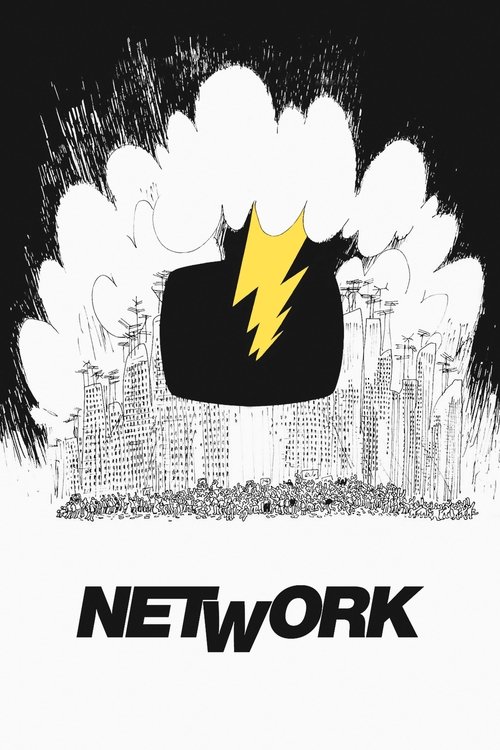
Network1976
A savage comedy about television's hunger for sensation and ratings, where the line between news and entertainment dissolves. It's the film Christine seems to be fighting against—cynical, prescient, and furiously alive.
But Paddy Chayefsky's screenplay is *baroque* with rhetoric. Some find the satire too on-the-nose; others think it hasn't aged well because it's already come true.
All the President's Men1976
An almost documentary procedural about journalism as careful, collaborative work—the opposite of Christine's isolated freelancing. It shows what the profession could be, making her struggle more poignant.
But It's methodical and desk-bound. No explosions, no easy catharsis. The film trusts you to find the tension in research and conversation.

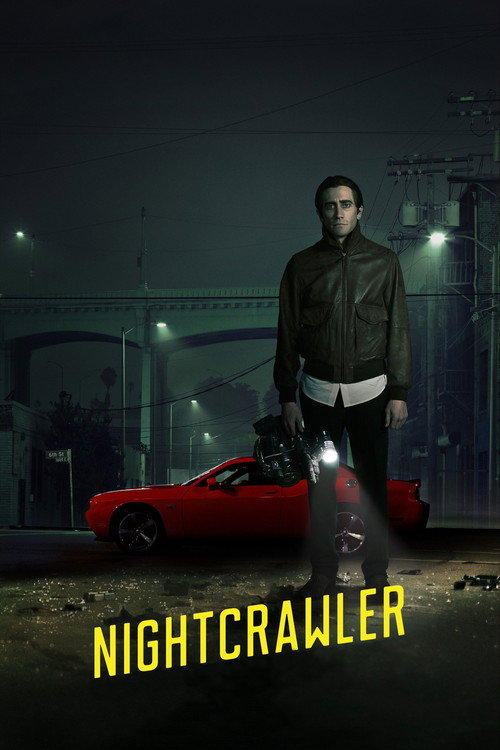
Nightcrawler2014
Jake Gyllenhaal plays a freelancer chasing TV news footage, but where Christine seeks validation, he seeks power. Both films show the ugliness of the industry—just from opposite angles.
But It's much sleeker and more vicious. Some viewers find the main character's sociopathy exhausting rather than tragic.
Not sure tonight? Get a pick in a minute, starting from Christine
The wildcard
Something you would not have found on your own.
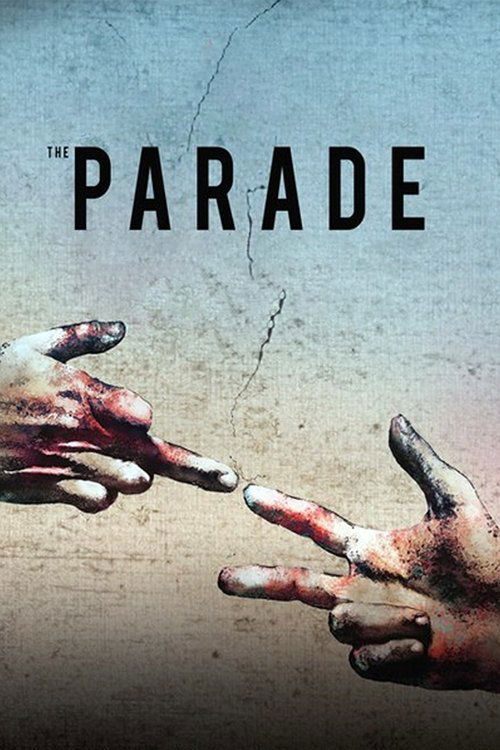
The Parade2011
Both are about someone trying to hold a boundary—professional, moral, personal—in an environment hostile to their humanity. Both end with a final, quiet insistence on dignity.
A Serbian drama about a small-town police chief protecting a pride march despite violent opposition. Like Christine, it's about dignity and integrity under pressure—but here the pressure is external, political, collective rather than internal.
But It's in Serbian with subtitles. The pacing is slow and the violence, when it comes, is brutal. It's not cathartic; it just sits with you.
More like this (7)
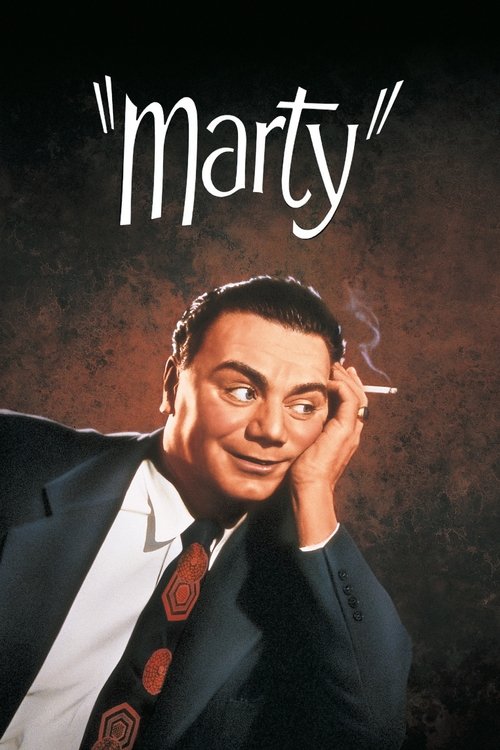
Marty1955
A small, human drama about rejection and the hunger to matter, made with such tenderness you feel seen. Like Christine, it finds tragedy in ordinary disappointment—but gentler.
But The pacing is glacial by modern standards. Nothing 'happens.' If you need plot momentum, this will test your patience.
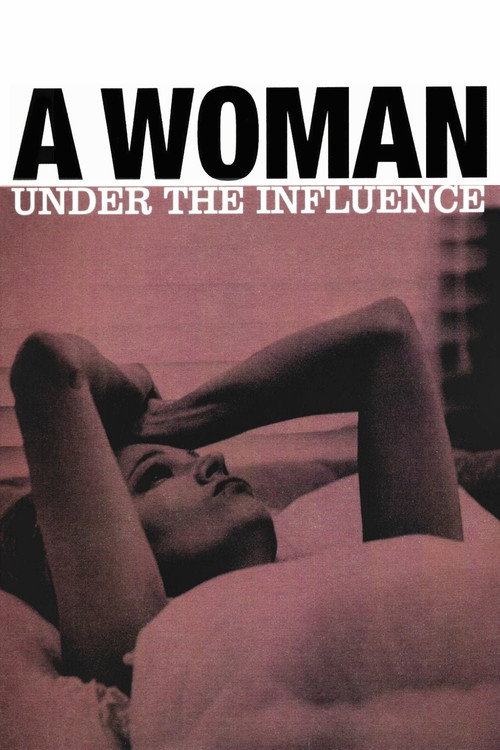
A Woman Under the Influence1974
Gena Rowlands in Cassavetes's masterpiece: a portrait of a woman coming apart, shot with unflinching intimacy. Same year as Christine's story, but far rawer and more experimental.
But It's deliberately ugly and repetitive. Some find Cassavetes's commitment to realism oppressive rather than honest.
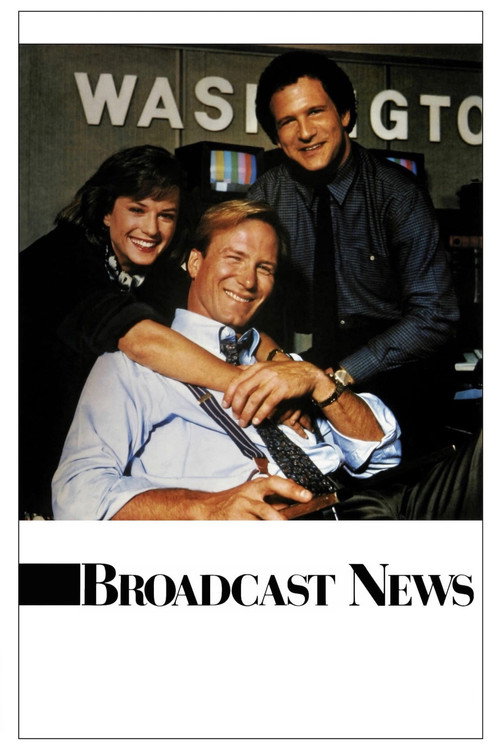
Broadcast News1987
A smart ensemble about competitive news people navigating ethics and ego. Holly Hunter's drive and idealism echo Christine's hunger, though the film is a comedy about flawed professionals.
But It's very 1980s. The newsroom melodrama can feel dated, and the tone is lighter than Christine's weight.
The Killing of a Sacred Deer2017
Yorgos Lanthimos's precise, airless film about a man's unraveling after a casual cruelty. Like Christine, it observes professional composure cracking under psychological pressure.
But It's glacially slow and deliberately artificial. The Greek spacing of dialogue will jar you. Some find it pretentious.

In the Mood for Love2000
Wong Kar-wai's meditation on longing and professional restraint. Two people who can't bridge the gap between desire and decorum. Gorgeous and melancholy in a way that resonates.
But It's mood over plot. If you need narrative momentum and clarity, this will frustrate you.

Synecdoche, New York2008
Kaufman's maze about a theatre director whose ambitions consume his life and identity. Both films explore the gap between who you are and who you want to be, though this is far messier.
But It's deliberately labyrinthine and exhausting. Many viewers find it self-indulgent. Fair warning: it gets harder to follow, not easier.

The Ascent1977
Both use professional/physical movement as a metaphor for psychological collapse. Both films trust silence and image over exposition. Both are about bearing witness—to your own unraveling, to something larger than yourself.
Larisa Shepitko's metaphysical film about two Soviet partisans on a mountain carrying a cross. Visually austere, spiritually intense. A portrait of suffering and conscience that achieves something almost holy.
But It's a Soviet-era film with a philosophical bent, not a narrative in any conventional sense. Very slow, very demanding, possibly the most difficult thing on this list.

People
Cast
 Rebecca HallChristine Chubbuck
 Michael C. HallGeorge Peter Ryan
 Tracy LettsMichael
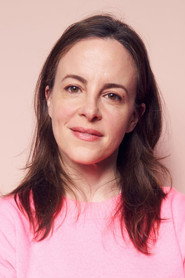 Maria DizziaJean Reed
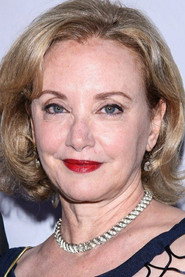 J. Smith-CameronPeg Chubbuck
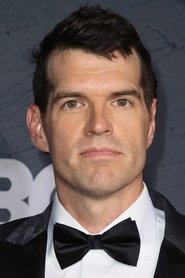 Timothy SimonsSteve Turner
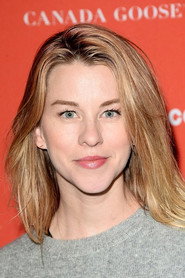 Kim ShawAndrea Kirby
 John CullumBob Andersen
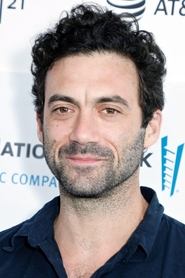 Morgan SpectorDr. Parsons
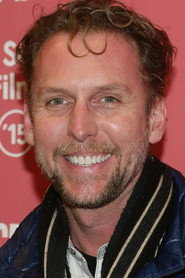 Jayson Warner SmithMitch
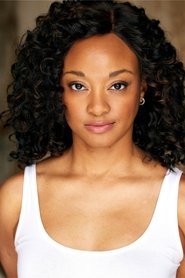
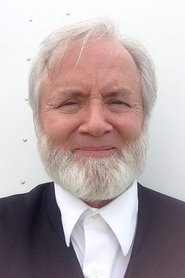 Lindsay AyliffeCaptain Frank Basil
Directing
- Antonio CamposDirector
- Sasha VitelliScript Supervisor
- Alice JohnsonSecond Assistant Director
- Jae MatthewsSecond Second Assistant Director
Writing
- Craig ShilowichWriter
Production
- Douglas AibelCasting
- Stephanie HolbrookCasting
- Blair FosterCasting Associate
- Alicia Van CouveringCo-Producer
- Micah BloombergCo-Producer
- Nick CaseCo-Producer
- Rowan RileyCo-Producer
- Jim ReeveExecutive Producer
- Josh MondExecutive Producer
- Robert Halmi Jr.Executive Producer
- Sean DurkinExecutive Producer
- Chad DarnellExtras Casting
- Brendan McHughLine Producer
- Jody SchiesserLocation Manager
- Craig ShilowichProducer
- Melody C. RoscherProducer
- Aidan SleeperUnit Production Manager
Recommended by
The Stranger, Lovely & Amazing, The Girl from Plainville, Frank, Girl Model, Starlet, An American Crime, Danger in the Spotlight, Up North, A Patch of Fog, Uncertain Terms, Off the Record, Alma, Drive - The Pretenders, Tiger Orange, Wish I Was Here