
Television series
The Girl from Plainville
A limited series about the true story of Michelle Carter and the texting-suicide case that shocked America. Elle Fanning delivers a complex portrait of a teenager in crisis, one whose actions precipitated another's death. The show doesn't excuse or oversimplify—it sits in the moral discomfort, examining how two damaged young people became entangled in something neither fully understood. Essential viewing for anyone wanting to understand a case that redefined responsibility in the digital age.
Should you watch it?
Watch it if you want a careful, character-driven look at how a true case gets argued over, where questions of responsibility weigh as heavily as the tragedy itself.
Skip it if the subject is a real teenager's death, and the texts at its center are read and reread, so it can feel heavy and airless if that's too close to home.
What it asks of you: Eight episodes of roughly forty-five minutes each, and it moves at a deliberate, unhurried pace, asking you to stay patient through courtroom and family scenes with little release.
Not sure? Find tonight's pick in a minute.
If you liked this
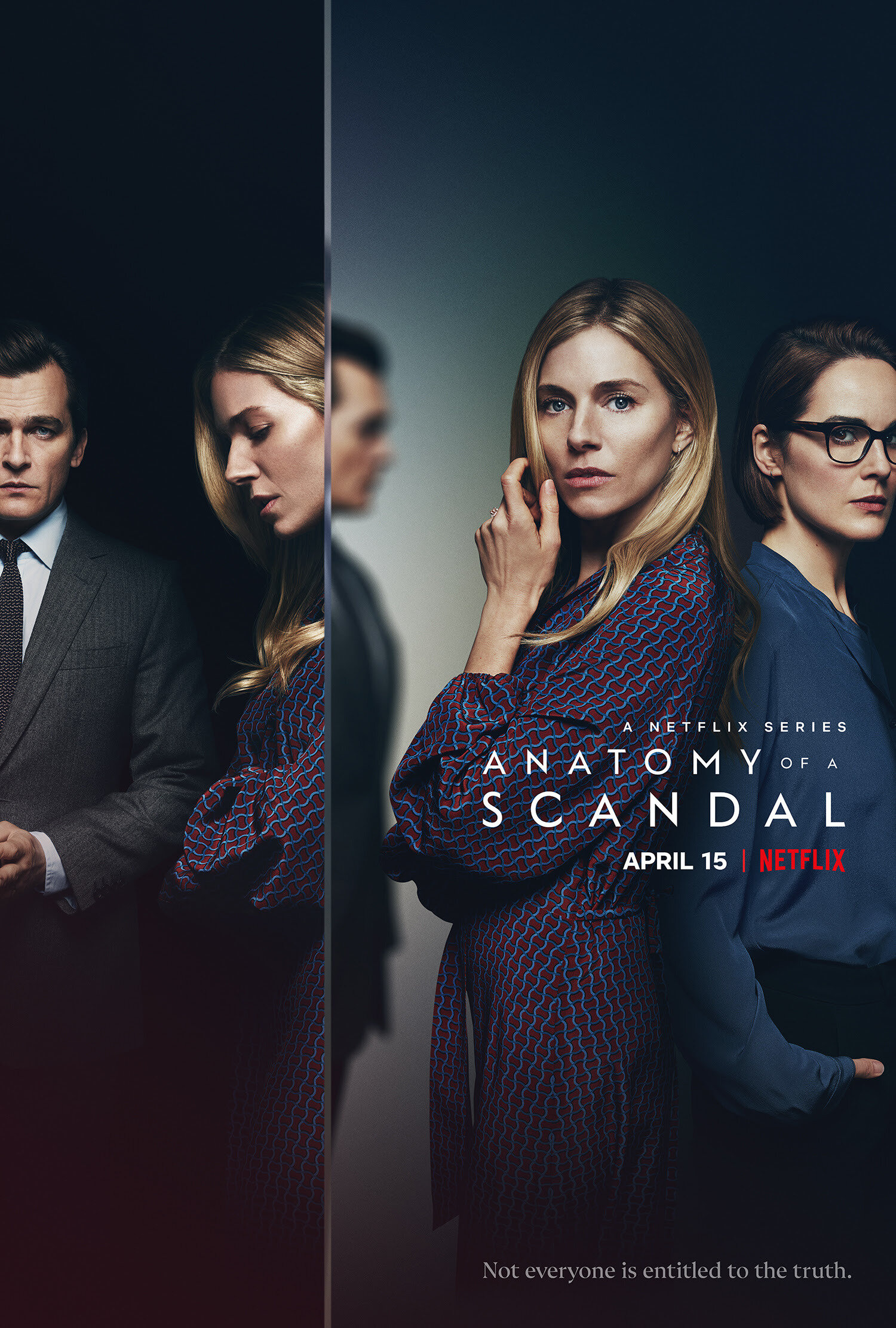
Anatomy of a Scandal2022
Like Plainville, it unpicks a true-crime story with nuance rather than spectacle, centering female experience and asking hard questions about complicity and consequence. Gillian Anderson anchors it beautifully.
But It's a British legal drama about Westminster infidelity—if period politics bore you, you'll struggle with the slower middle stretches.
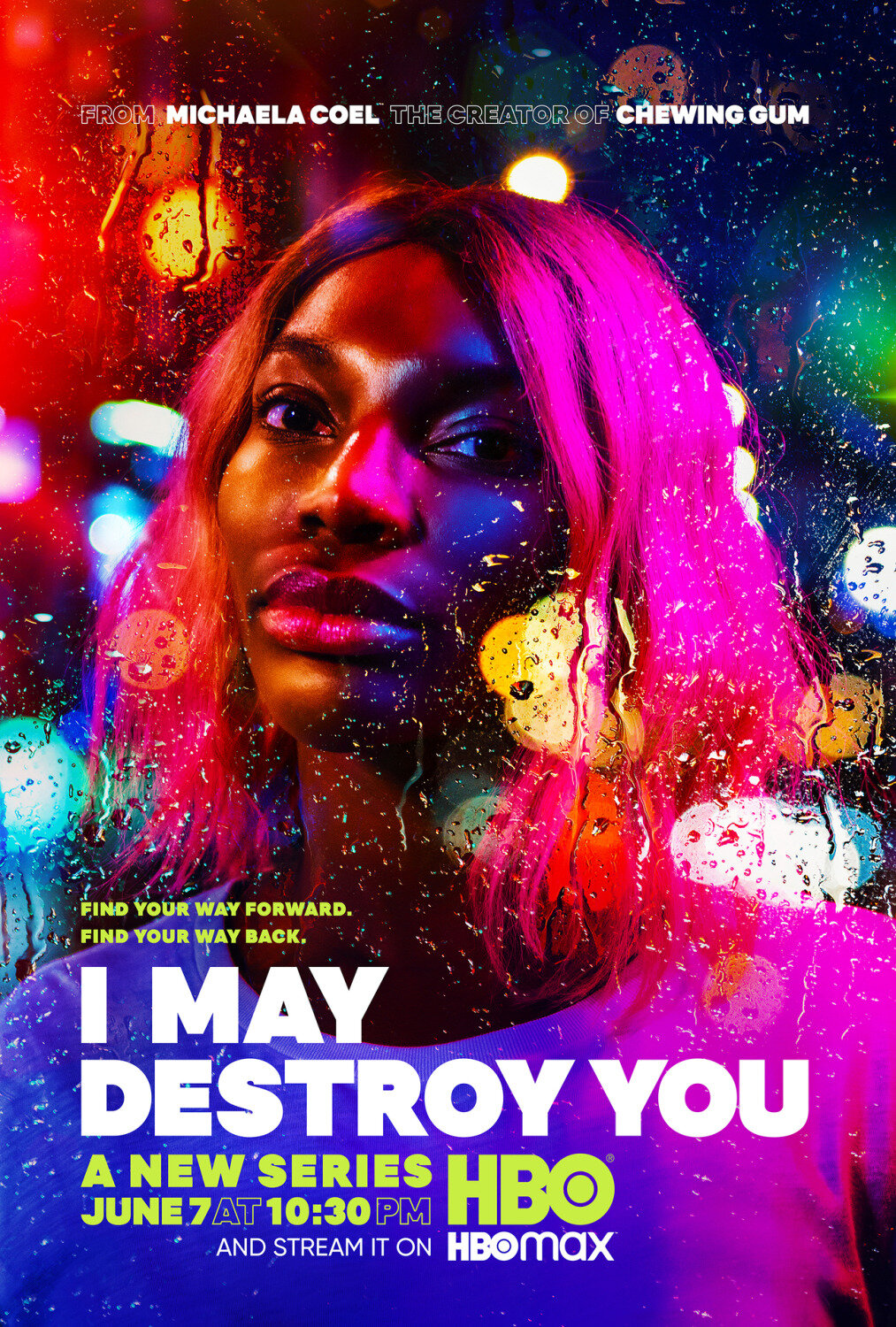
I May Destroy You2020
Michaela Coel's show is about trauma, responsibility, and growing up in the digital age. Like Plainville, it refuses simple answers and balances dark subject matter with genuine humour and life.
But It's structured like comedy and sometimes plays like memoir. If you want a traditional crime narrative arc, you won't find it here.
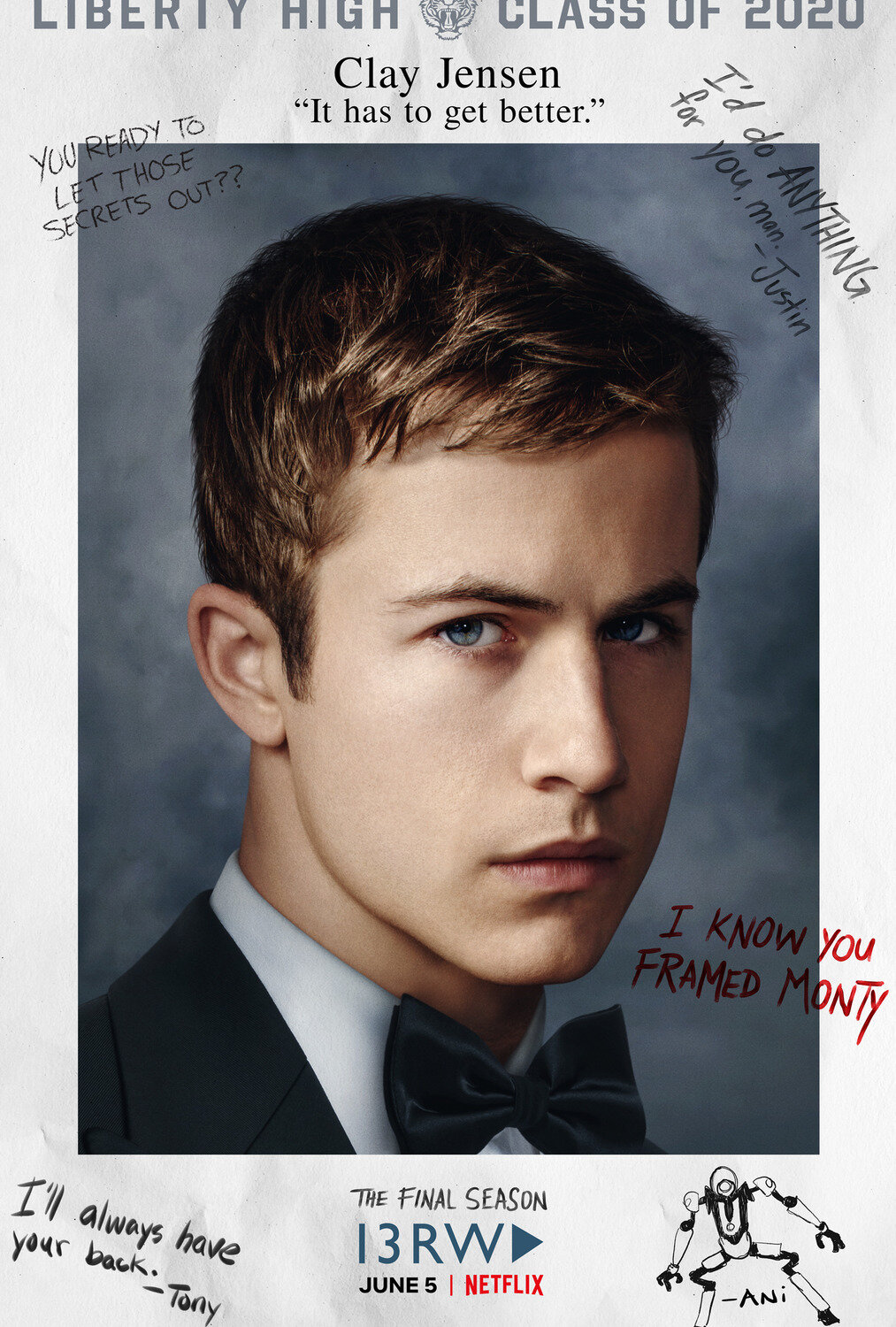
13 Reasons Why2017
Both centre teen voices in tragic circumstances and ask uncomfortable questions about culpability. It's propulsive and emotionally intense, with real stakes that feel immediate.
But It's been criticized for how it handles mental health and suicide. The portrayal of the act itself is genuinely difficult, and some argue irresponsibly so.
Not sure tonight? Get a pick in a minute, starting from The Girl from Plainville
The wildcard
Something you would not have found on your own.
The West1996
Both examine how individuals become entangled in historical moments and bear consequences for choices made within systems they didn't create.
A documentary about how a nation shares responsibility for tragedy. Like Plainville, it asks: who is guilty? Can the young be blamed for inheriting a broken system? Burns' approach—archival, patient, letting people speak—demands moral seriousness without offering easy judgment.
But It's ten hours long and a documentary, not a narrative drama. If you want actors and plot momentum, this will feel like homework.

More like this (8)
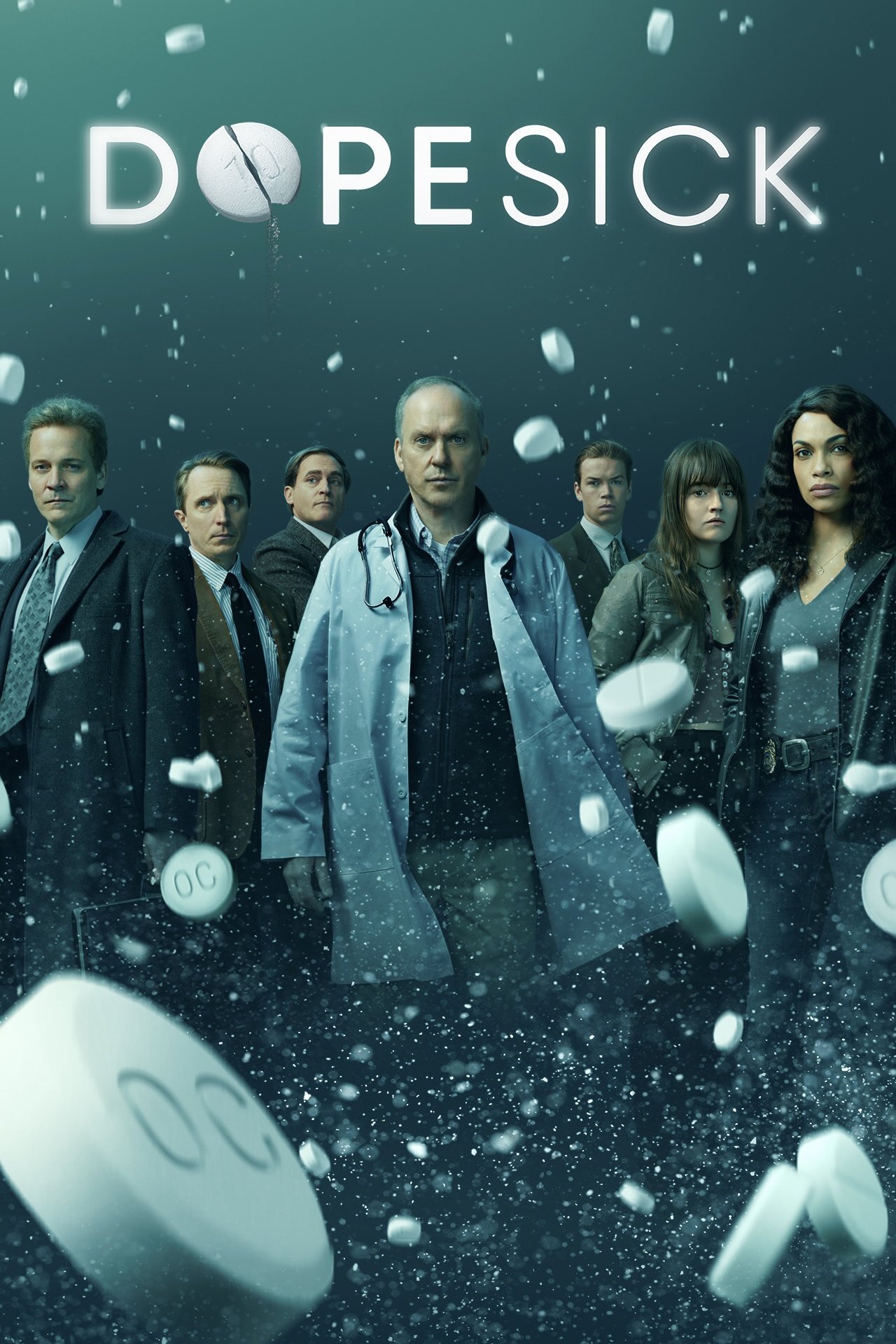
Dopesick2021
A masterclass in how institutional negligence destroys individuals. Like Plainville, it refuses heroes or villains, instead showing how ordinary people make choices within systems that fail them.
But It's about pharmaceutical companies and addiction—slower and more systemic than a personal tragedy. If you want interpersonal drama, not corporate horror, it may feel distant.
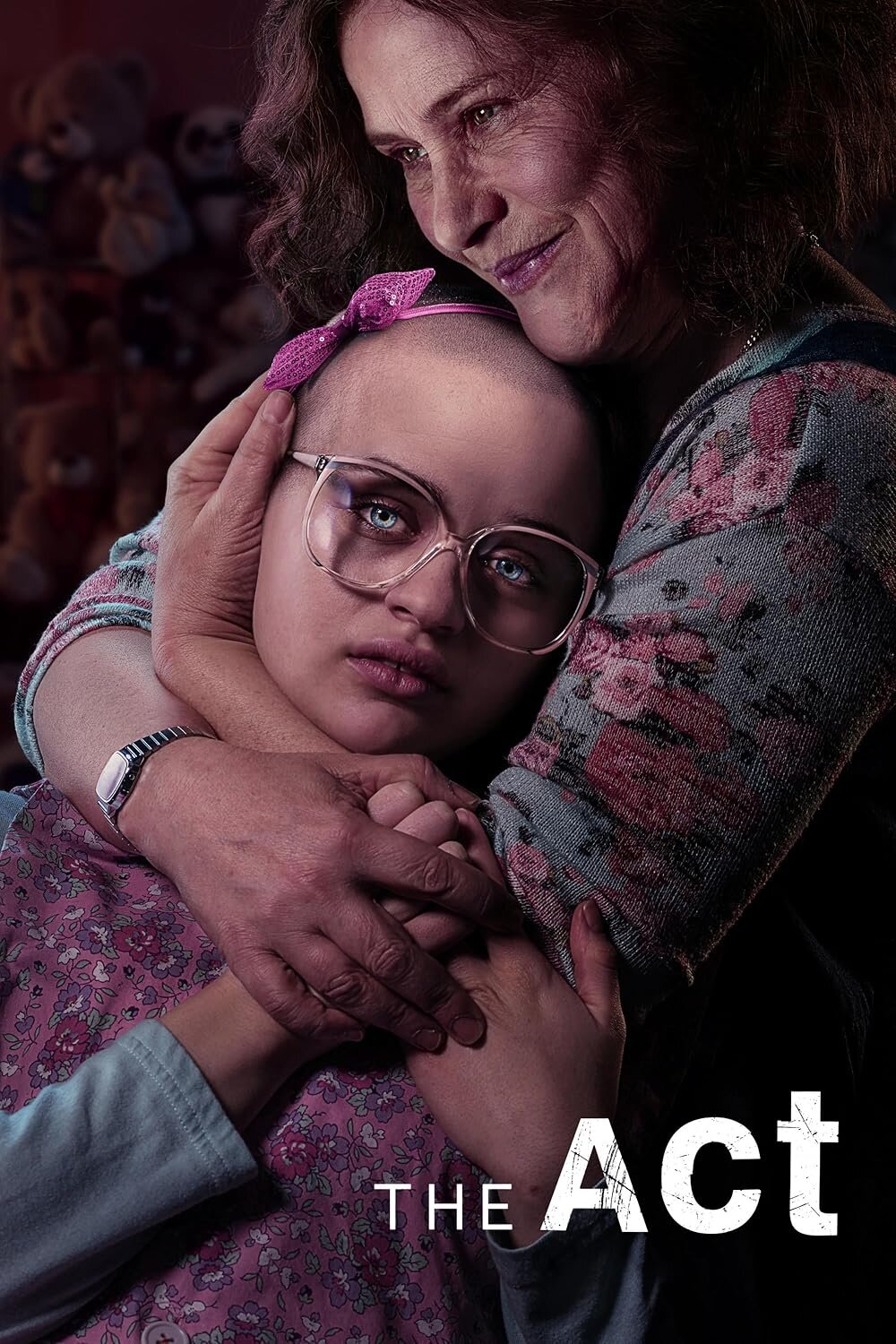
The Act2019
Gypsy Rose Blanchard's story, told with the same moral complexity: two people damaged in different ways, one act with permanent consequences. Patricia Arquette is tremendous.
But It's as much about maternal abuse as the crime itself. If you want a straightforward true-crime story, the psychological focus might frustrate you.
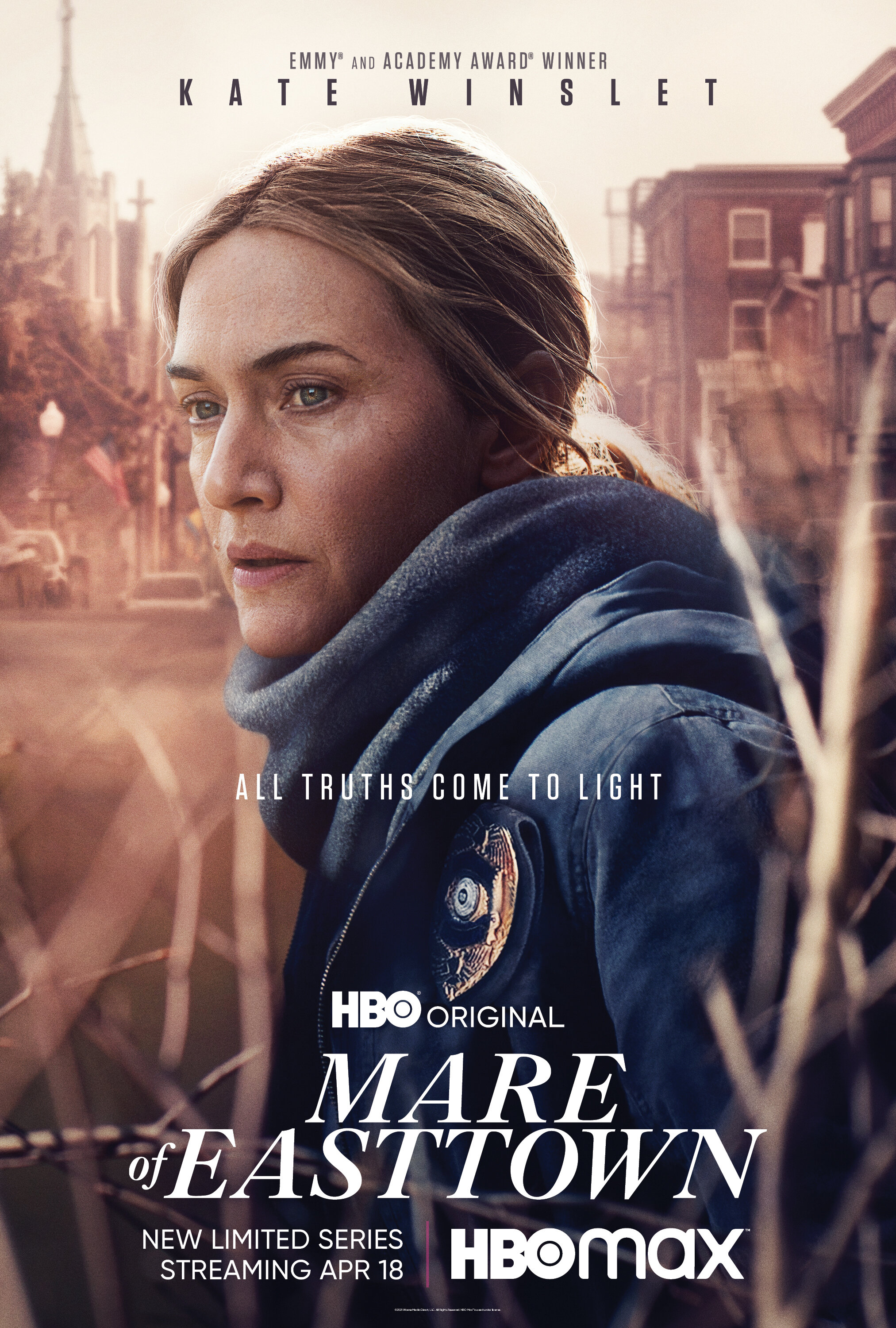
Mare of Easttown2021
Kate Winslet in a grief-soaked crime story about small-town Pennsylvania. It's humanist and crushing, interested in how trauma ripples through families and communities.
But It takes time to breathe. The mystery itself is less important than the emotional weight. Slow-burn dramas ask patience from viewers.
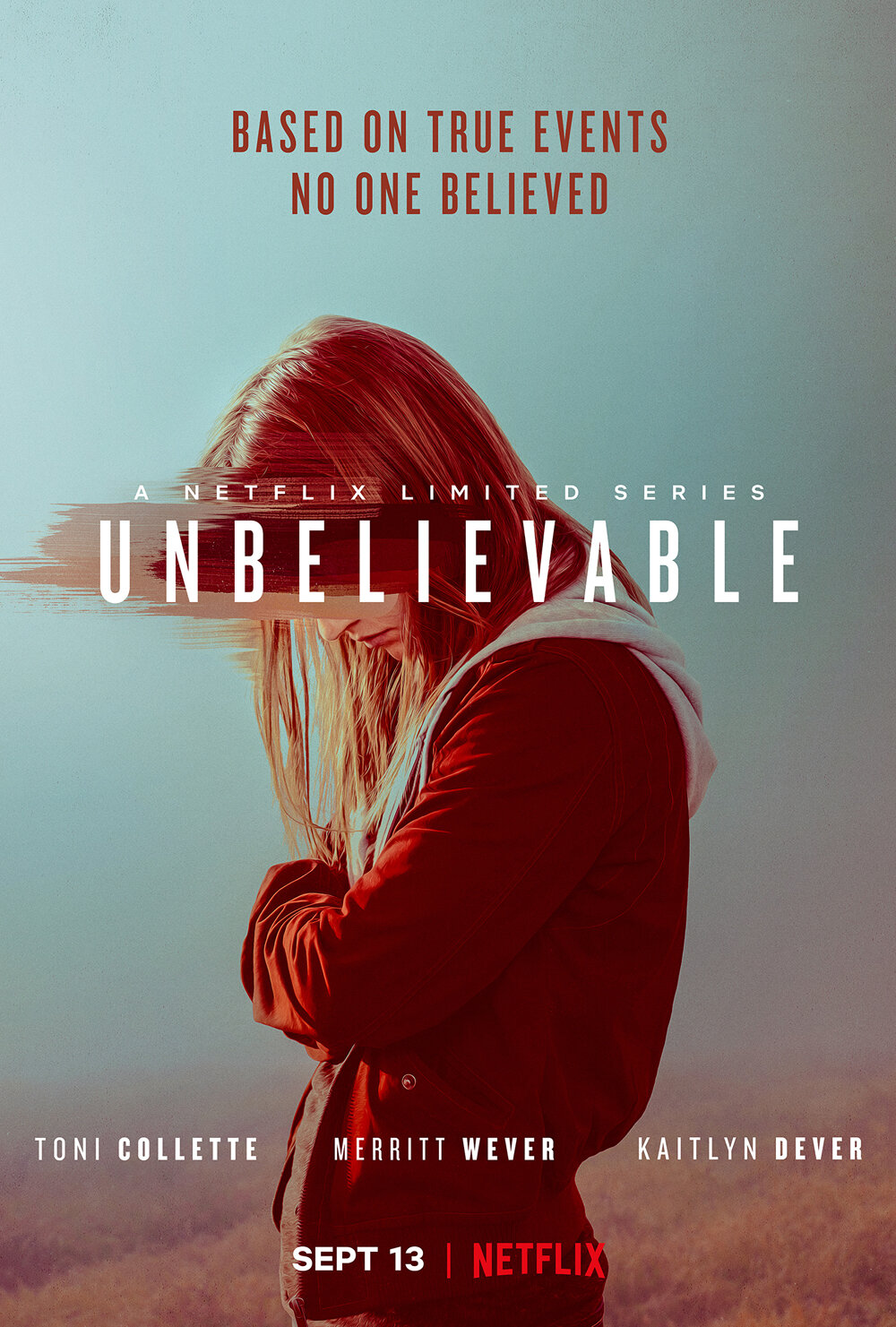
Unbelievable2019
True crime told through the eyes of women—victims and detectives—rather than the perpetrator. Toni Collette and Merritt Wever are extraordinary. It trusts you to sit with injustice.
But It's about sexual assault. The subject matter is hard and the emotional toll is real. This isn't escapism.
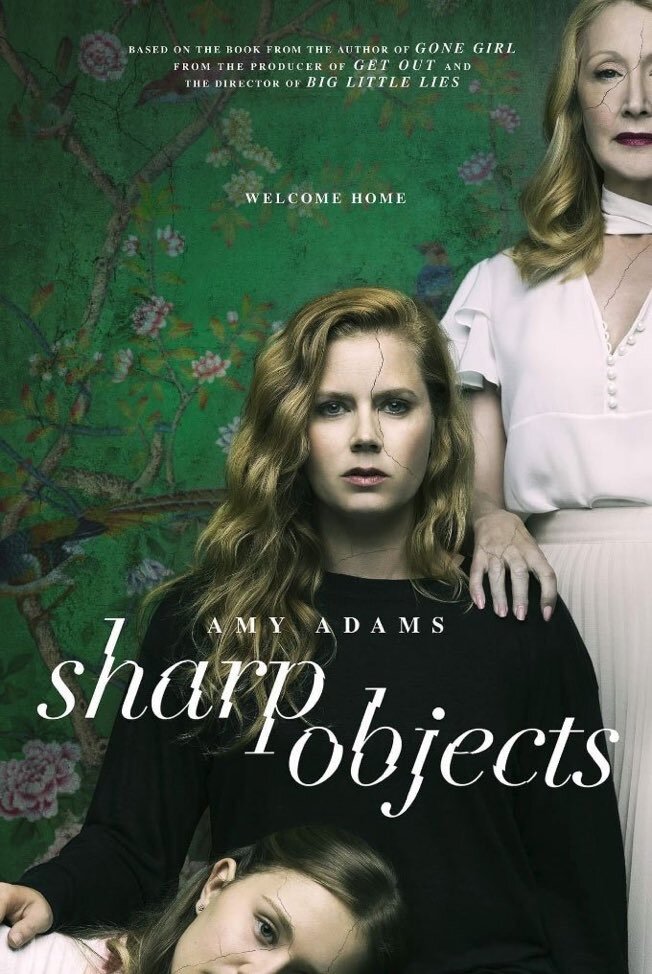
Sharp Objects2018
Gillian Flynn's puzzle-box about trauma, family, and the stories we tell ourselves. Jean-Marc Vallée's direction is hypnotic; Amy Adams gives one of her finest performances.
But It's deliberately baroque—lots of jumping timelines and symbolic detail. If you want clarity, not atmosphere, it will feel deliberately obscure.
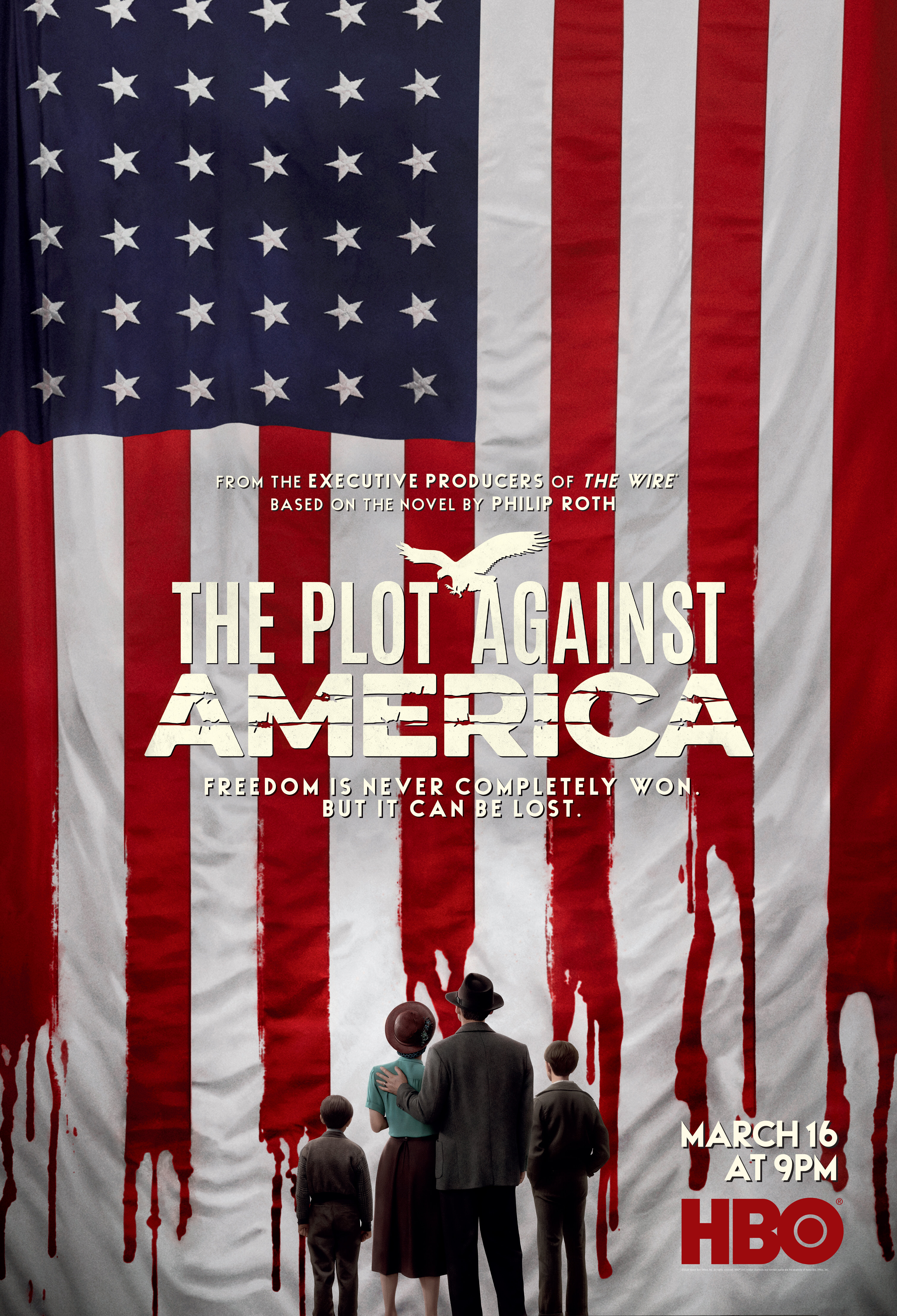
The Plot Against America2020
Alternate history as a lens for family breakdown and moral compromise. Winona Ryder and Anthony Mackie make impossible choices feel inevitable. It's about how ordinary people accommodate darkness.
But It's speculative and slow-burning rather than propulsive. The alternate history conceit won't appeal to everyone, and the ending is divisive.
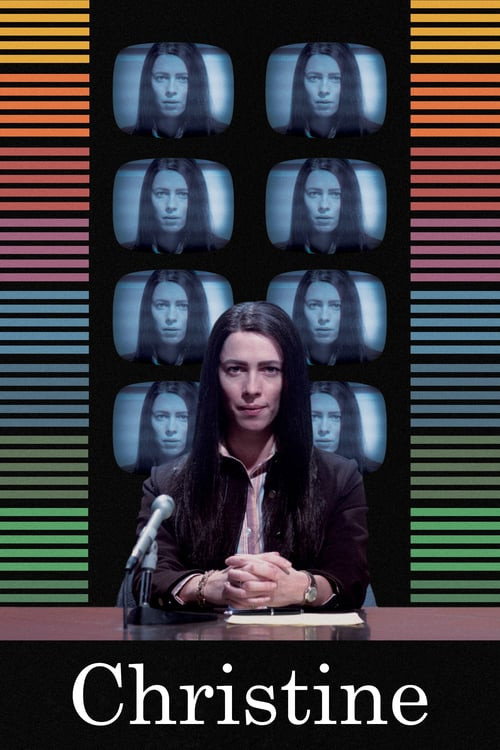
Christine2016
Both are portraits of a troubled young person whose death becomes public property, examined from the outside by an audience that cannot fully understand.
Rebecca Hall in a devastating true story: a young news reporter's on-camera suicide in 1974. Sparse, unflinching, utterly modern in how it avoids sentiment. The portrait of mental illness and public spectacle rivals anything on prestige television.
But It's a film, not a series, but compressed and unrelenting. The subject matter is relentless and there are no moments of relief. Some will find it punishing.
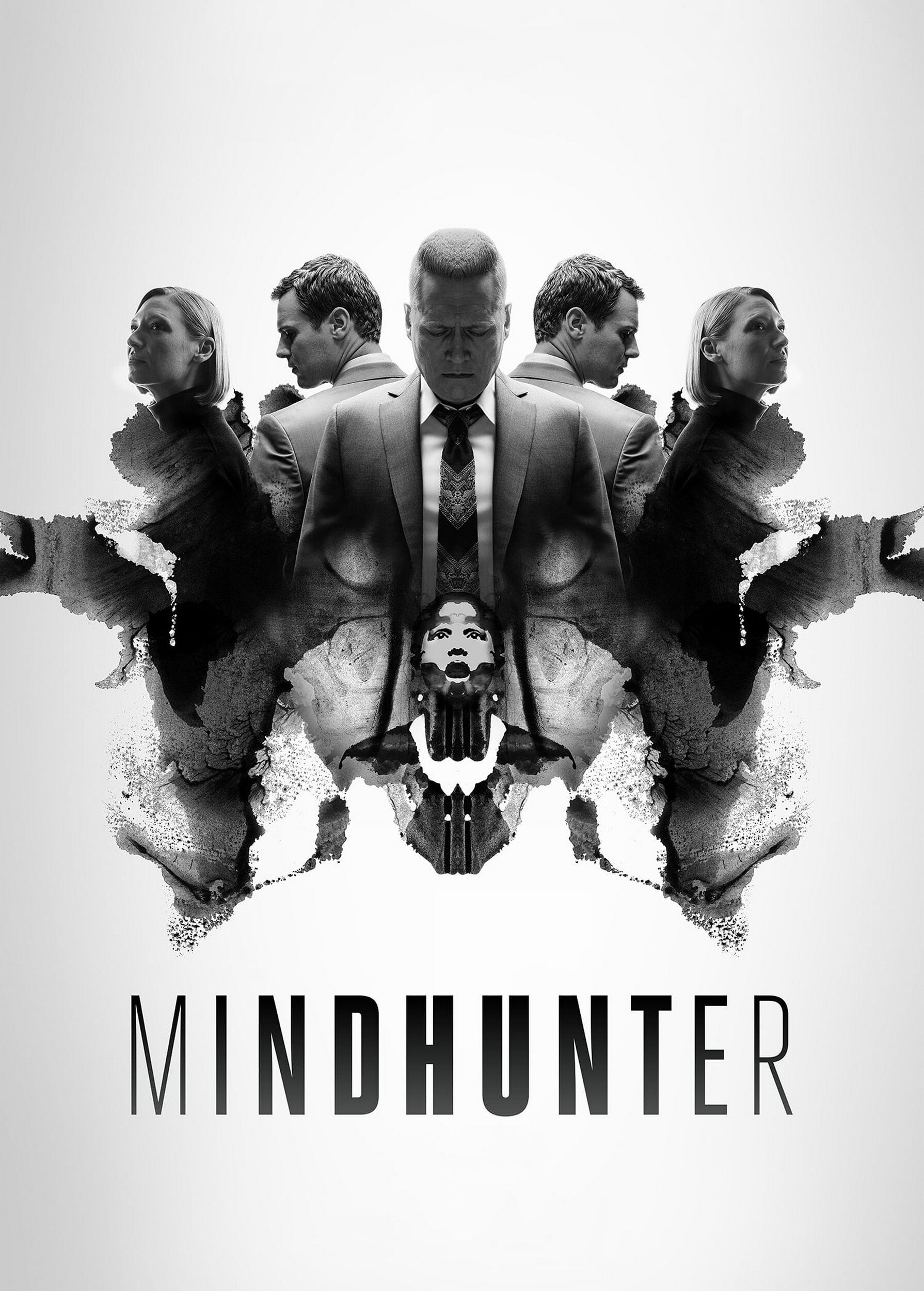
MINDHUNTER2017
Both are interested in how we explain the inexplicable—asking what makes someone capable of harm, whether understanding equals excuse, and how narratives shape blame.
Fincher's procedural about the birth of criminal profiling, starring Jonathan Groff as an FBI agent who wants to understand rather than judge. It's methodical, intelligent, and genuinely about how we construct narratives around crime.
But It's glacially paced and focused on process, not drama. The crime itself is often secondary to the bureaucratic and psychological work. Second season ended unresolved.
People
Cast




Writing
- Liz HannahCreator
- Patrick MacmanusCreator
- Bashir GavrielStaff Writer
- Sarah ChoStaff Writer
- Sara PearsonStory Editor
Production
- Erin Lee CarrConsulting Producer
- Jesse BarronConsulting Producer
- Brittany Kahan WardExecutive Producer
- Elle FanningExecutive Producer
- Lisa CholodenkoExecutive Producer
- Liz HannahExecutive Producer
- Patrick MacmanusExecutive Producer
- Neal Ahern Jr.Producer
- Russ HammondsProducer
- Ahmadu GarbaSupervising Producer
- Ashley Michel HobanSupervising Producer