
Film
A Patch of Fog
- Drama
- Strange
A tense psychological thriller about a university teacher caught shoplifting by a security guard who leverages the moment into an unsettling friendship. What begins as blackmail warps into something stranger and more intimate. It's a slow-burn study of manipulation, desperation, and the masks people wear. Perfect for viewers who prize character work and moral ambiguity over plot.
If you liked this
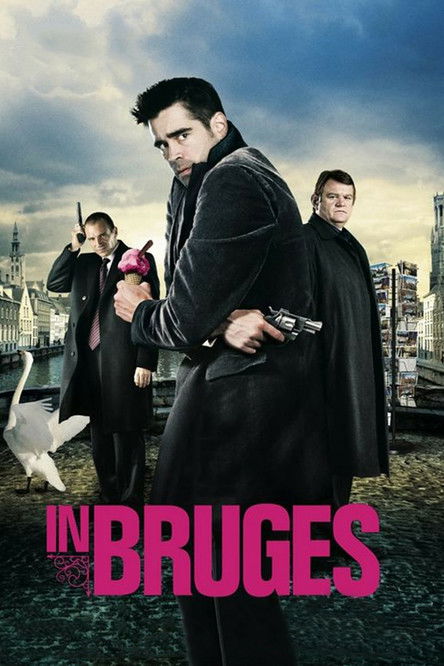
In Bruges2008
Two hit men hide in a medieval city and develop an unlikely bond. Like A Patch of Fog, it mines dark comedy from character collision, builds genuine warmth between damaged people, and trusts the audience to sit with uncomfortable silences.
But It's self-consciously literary and occasionally precious. Some find the tonal shifts—between violence, whimsy, and philosophy—more clever than earned.
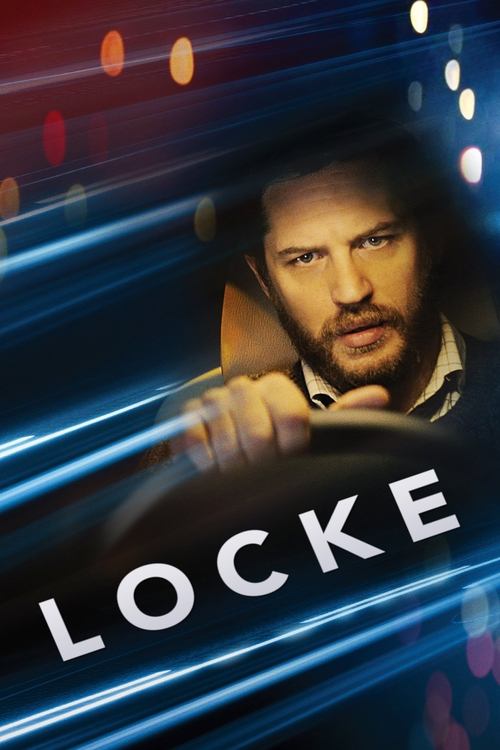
Locke2014
Tom Hardy, alone in a car for ninety minutes, unravels through phone calls. Stripped-back and intense, it shares A Patch of Fog's commitment to psychological precision and its willingness to make a film from almost nothing but two people and their fractured connection.
But Literally set in a car. If you need visual variety or can't sustain attention on dialogue-heavy character study, this will feel like punishment.
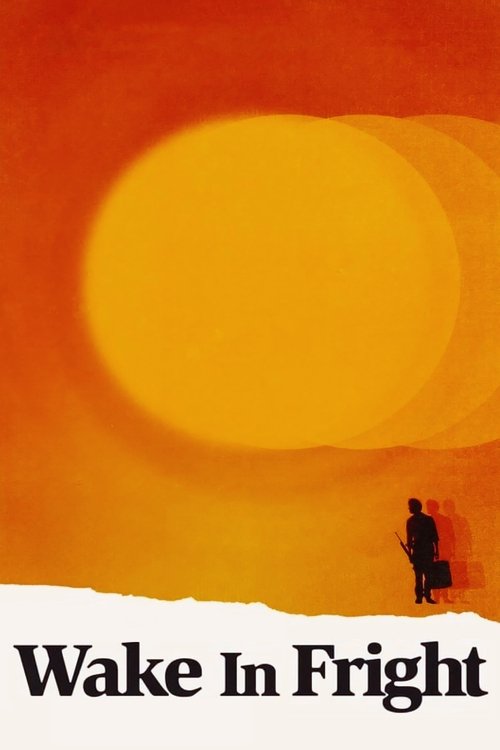
Wake in Fright1971
A schoolteacher spirals into depravity in an Australian outback town. Brutal and claustrophobic, it shares the same DNA: a civilized man pulled into a vortex by forces he can't control, watching himself deteriorate in real time.
But Genuinely upsetting animal violence. The deterioration is relentless and there's no comfort offered. It's punishing cinema.
Not sure tonight? Get a pick in a minute, starting from A Patch of Fog
The wildcard
Something you would not have found on your own.
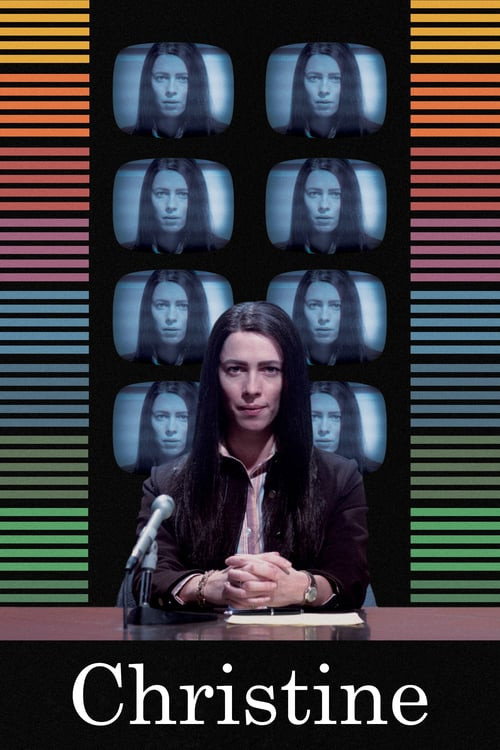
Christine2016
Both are quiet films about a person's carefully constructed life coming apart in real time, with the camera refusing to look away. Both trust the audience to understand deterioration without explanation.
Based on a true story, Rebecca Hall plays a troubled television reporter in the 1970s whose humanity collapses on air. It's structured like A Patch of Fog—intimate, confined, watching someone's psychology fracture under pressure—but it's a character study of a woman, not a relationship thriller, and it's devastating.
But The ending is historically predetermined and genuinely bleak. Hall's performance is so immersive and wounded that it stops being entertainment and becomes something closer to witnessing tragedy. Some find that unbearable rather than cathartic.
More like this (8)
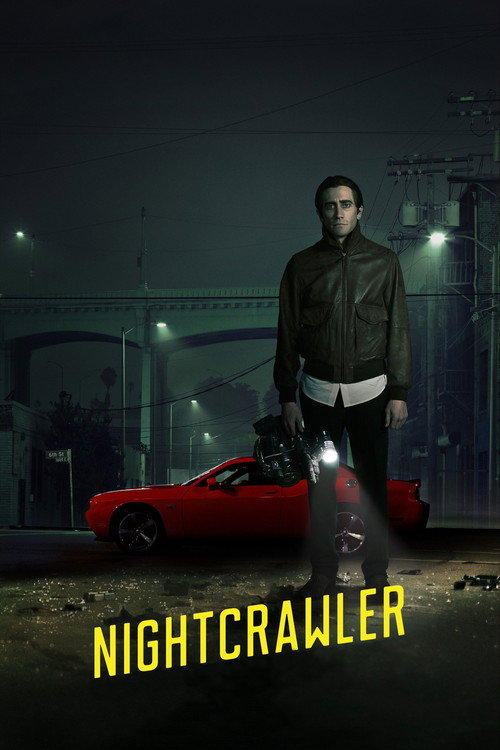
Nightcrawler2014
Jake Gyllenhaal as an insomniac drifter who becomes a freelance news videographer. Like A Patch of Fog, it's about parasitism and the performance of connection—how someone learns the scripts of intimacy to get what they want.
But It's extremely slick and sometimes feels like style doing the thinking. The moral judgment can feel a bit facile in retrospect.
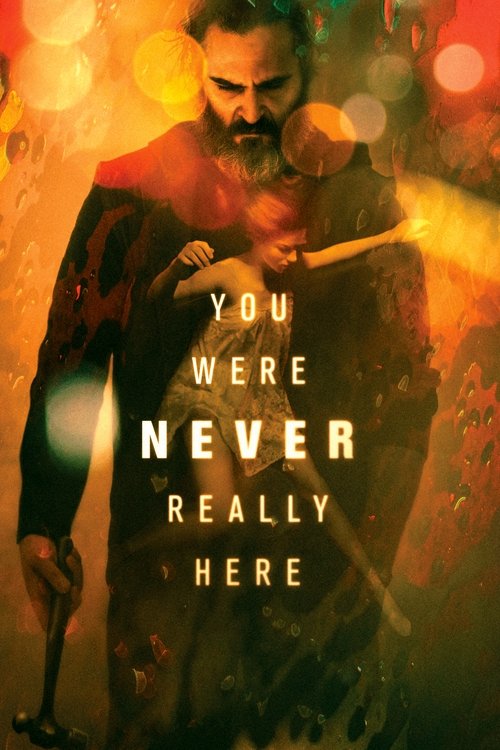
You Were Never Really Here2017
Joaquin Phoenix as a traumatized fixer who rescues abducted children. Formally daring, deliberately opaque, it dwells in the same murky psychological space where violence and vulnerability become indistinguishable. Deeply unsettling.
But The plot is almost secondary to the sensory assault. If you want clarity or conventional narrative progression, you'll feel lost and possibly angry.
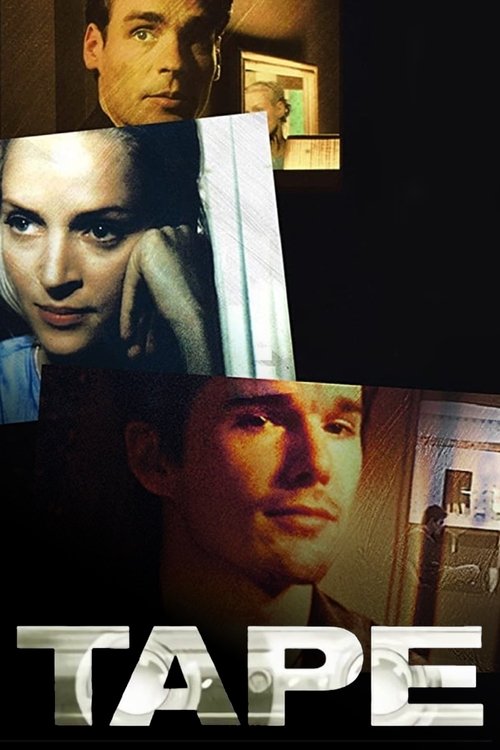
Tape2001
Three people in a motel room, one night, secrets emerging. Richard Linklater shot it like theater—confined, dialogue-driven, tension wound tighter and tighter. The same principle: nowhere to hide, nowhere to escape to.
But Very much a play on film. Static camera, minimal action, heavy on accusations and long monologues. Some find it claustrophobic in a bad way.
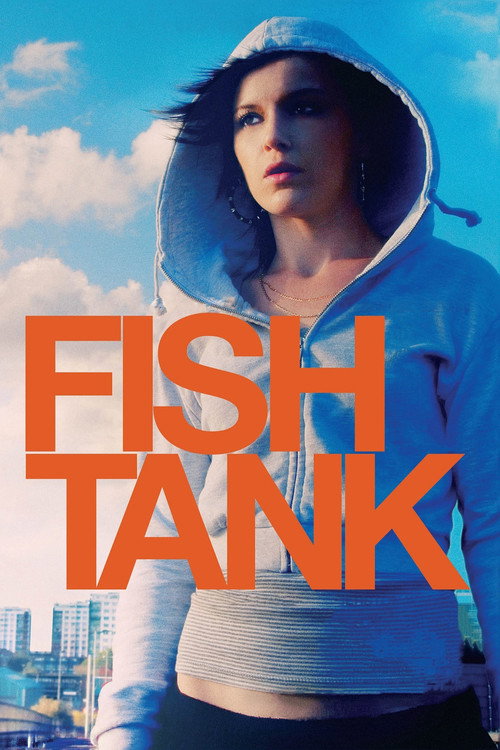
Fish Tank2009
A volatile young dancer's life destabilizes when an older man enters her orbit. Raw and visceral, it has the same sense of a character being fundamentally altered by a parasitic relationship, shot with unflinching immediacy.
But Deliberately unglamorous and sometimes hard to watch. The violence, when it comes, isn't cathartic or clear-cut. It leaves you feeling dirty.
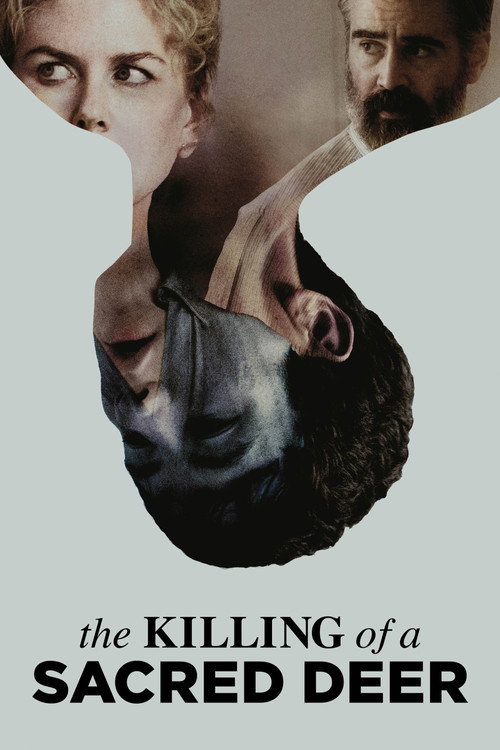
The Killing of a Sacred Deer2017
A surgeon's family is systematically destroyed by the quiet, methodical presence of a teenager. Yorgos Lanthimos builds the same kind of twisted intimacy—a bond forged through coercion and mutual harm, presented with formal, almost mythic precision.
But The pacing is deliberately glacial. Some will find it pretentious or bloodless. The dialogue often sounds unnatural, which is intentional but not everyone's cup of tea.
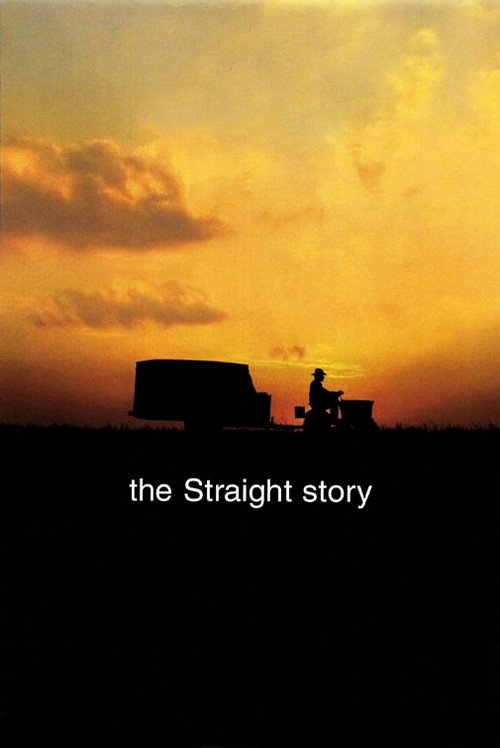
The Straight Story1999
David Lynch's only G-rated film: an elderly man rides a lawnmower across Iowa to reconcile with his estranged brother. Gentle and meditative, it shares the fascination with how two damaged people can find grace in proximity, stripped of all artifice.
But It's sincere in a way that can feel saccharine. No thriller elements—just Americana and reconciliation. If you watch A Patch of Fog for the menace, this will feel like the wrong film entirely.
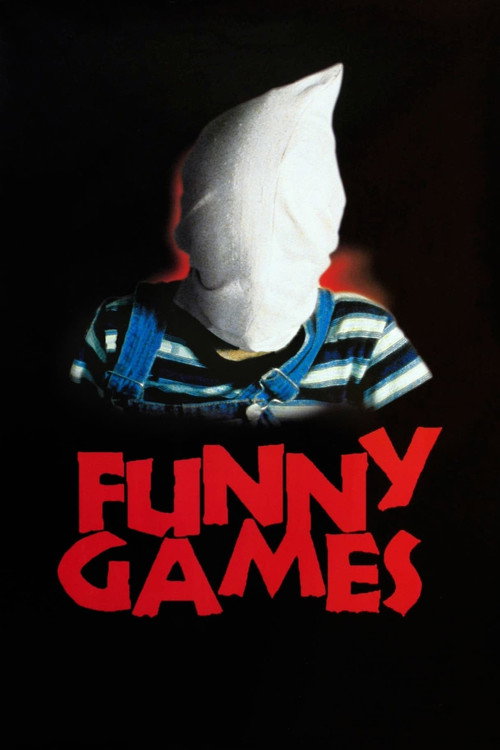
Funny Games1997
Both interrogate the lie of civility—how two people locked together begin to perform a relationship that has no name and no framework except the one they invent in the room.
Austrian existential horror: two young men terrorize a family in their vacation home with obscene politeness. Like A Patch of Fog, it's fascinated by the grammar of false intimacy—how politeness and social script can become weapons, how captors and captive develop a twisted codependency.
But Deliberately antagonistic toward the viewer. Haneke breaks the fourth wall, rewinds the film, breaks your expectations. It's less a film to enjoy than one to sit through and have reckoned with. Many find it exhausting on purpose.
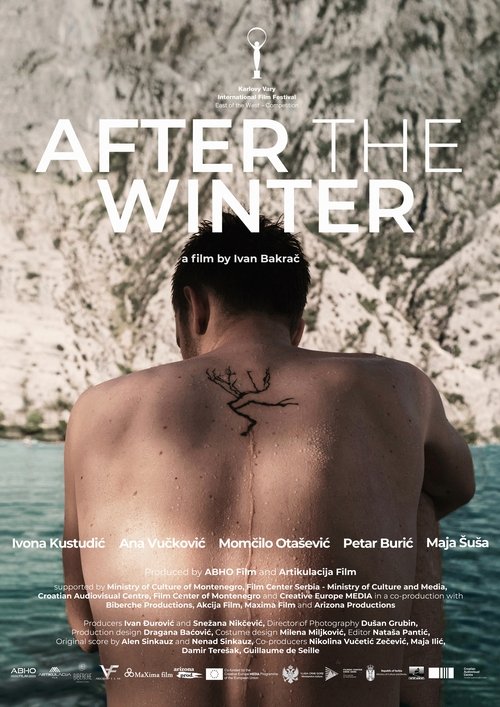
After the Winter2022
Both are about the dangerous intensity that can form between people in confined spaces—not love or hate exactly, but something that lives in the gap between them. Both move at the speed of psychology, not narrative.
A chamber piece about four people isolated in a lakeside house, where past resentments and sexual fractures begin to rupture the present. Shot in long takes with minimal editing, it's claustrophobic and deeply intimate, concerned with how proximity can wound as easily as it can comfort.
But Almost nothing happens. No plot twist, no release. It's watching people circle each other verbally for eighty minutes. If you need dramatic incident or resolution, this will feel like wasted time.
People
Cast
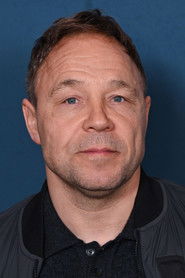 Stephen GrahamRobert Green
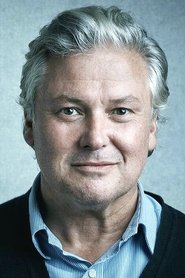 Conleth HillSandy Duffy
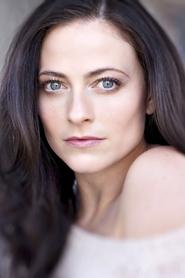 Lara PulverLucy Walsh
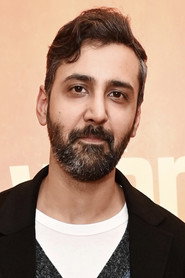 Arsher AliTroy Griffin
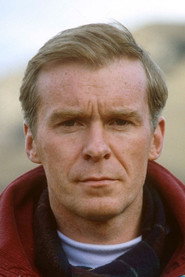 Ian McElhinneyFreddie Clarke
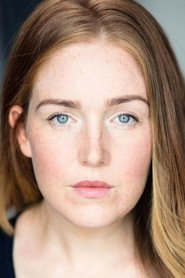 Naseen MorganTV Studio Runner
- Peter BallancePaul
 Tara CushPhoebe
 Karen HassanPolice Woman
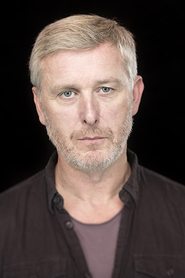 Stuart GrahamTom Breslin
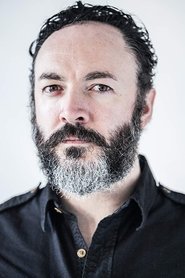 Paul KennedyDuty Officer
- Louise MathewsShopper
Directing
- Michael LennoxDirector
Writing
- John CairnsScreenplay
- Michael McCartneyScreenplay