
Film
After the Winter
Other titles called After the Winter: the 2013 film.
After the Winter follows five childhood friends scattered across the Balkans after Yugoslavia's collapse, reconvening to reckon with time, distance, and whether the bonds that once defined them still hold. It's a quietly devastating portrait of how lives diverge and how the past doesn't stay past. For anyone who's felt the weight of friendship tested by geography and years.
Should you watch it?
Watch it if you like quiet films about friendship that wears down slowly over the years, where the emotional weight sits in what goes unsaid between old friends who have drifted apart but never fully let go.
Skip it if you need a brisk plot, since this is a slow, observational piece where conversations carry the running time and little pushes the story forward.
What it asks of you: Roughly an hour and forty minutes, unhurried, with long pauses and a mood that gathers gradually rather than surprising you; patience counts for more than close attention.
Not sure? Find tonight's pick in a minute.
If you liked this
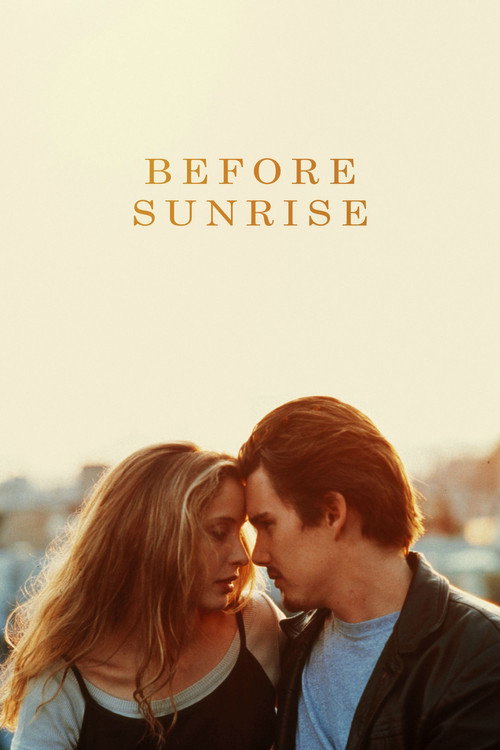
Before Sunrise1995
A film about connection forged through conversation across a single night. Like After the Winter, it trusts that people talking—really talking—about their lives and choices is enough. Intimate and alive.
But The entire film is essentially two people walking and talking. If you need plot momentum or dramatic incident, you'll find this static and slow.
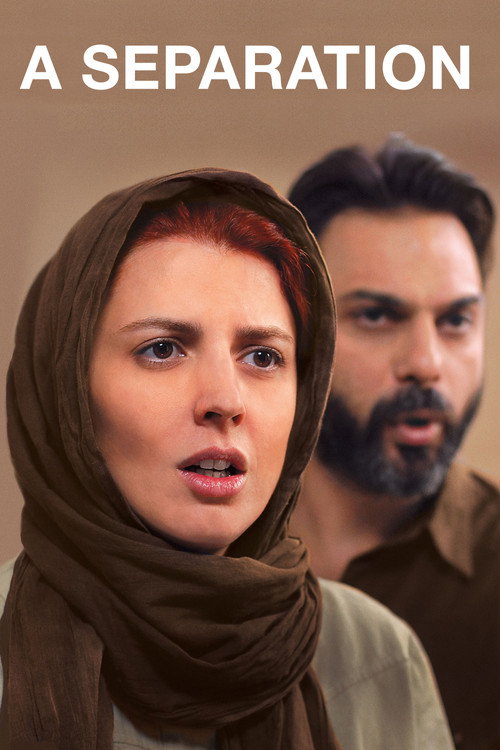
A Separation2011
A Iranian masterpiece about relationships fractured by circumstance and misunderstanding. It shares After the Winter's unflinching look at how people drift apart even when they love each other, set against a country in transition.
But It's a divorce drama that grows increasingly claustrophobic and morally ambiguous. Some find it bleak rather than cathartic.
Winter Light1963
Bergman's meditation on faith, connection, and the silence that grows between people. Another winter, another reckoning with what remains when we strip away certainty. Sparse, piercing, unforgettable.
But It's austere and demands patience. If you need warmth or resolution, this will feel punishing rather than profound.

Not sure tonight? Get a pick in a minute, starting from After the Winter
The wildcard
Something you would not have found on your own.
Synecdoche, New York2008
Both films wrestle with the gap between who we were and who we've become; both ask whether reconnection with the past is healing or just revisiting what we've lost.
Kaufman's baroque exploration of a man building an elaborate stage replica of his life while his actual life collapses around him. It sounds pretentious—it often is—but it's a profound meditation on memory, regret, and the impossibility of ever truly knowing the people closest to us.
But It's deliberately chaotic and maximalist, the opposite of subtle. Some see it as genius; others see self-indulgent pretension wearing a serious face.

More like this (7)
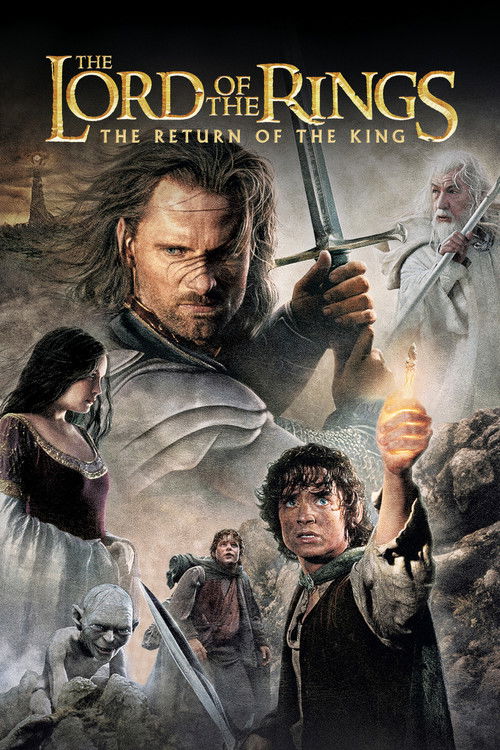
The Lord of the Rings: The Return of the King2003
A Russian father and son reunite after years apart, and their week together is taut with unspoken resentment and longing. It captures how homecoming can be more alienating than absence, with minimal dialogue but maximum emotional weight.
But The pacing is deliberately slow and the emotional tone is grim. It doesn't offer easy catharsis or forgiveness.
Stalker1979
Tarkovsky's slow-burn meditation on desire, faith, and what we're searching for when we can't name it. It shares After the Winter's willingness to sit with characters as they grapple with what their lives have become.
But Three hours of deliberate, hypnotic cinema. If you're looking for conventional narrative momentum, you will lose patience long before it ends.

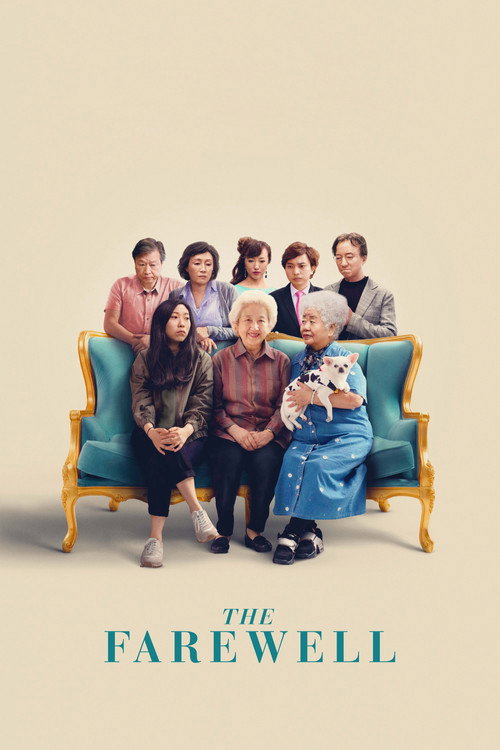
The Farewell2019
Family gathering, secrets, the gap between what's said and felt, the weight of geography and culture. It's warmer than After the Winter but cut from the same cloth—about people trying to connect across distance and time.
But The tone shifts between comedy and grief in ways that don't always land cleanly. Some scenes feel slight compared to others.
Moonlight2016
A portrait of a man at three stages of life, revisiting formative friendships and the ways we become estranged from those who once knew us best. Visually gorgeous and emotionally precise without ever forcing feeling.
But It's quiet and fragmented. The narrative is understated to the point where some viewers find it frustratingly withholding.

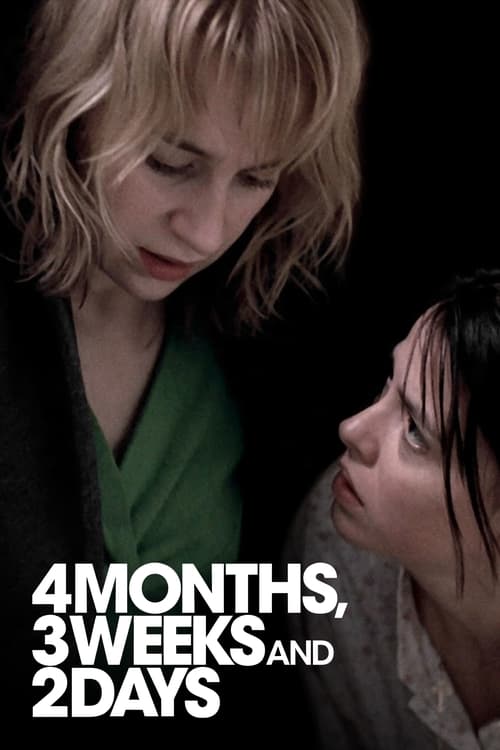
4 Months, 3 Weeks and 2 Days2007
A Romanian film about friendship tested by circumstances beyond their control, set during Ceaușescu's dictatorship. It has After the Winter's moral seriousness and its conviction that character is revealed through crisis, not spectacle.
But It contains a scene of graphic sexual violence. Even viewers prepared for it often find it difficult to move past.
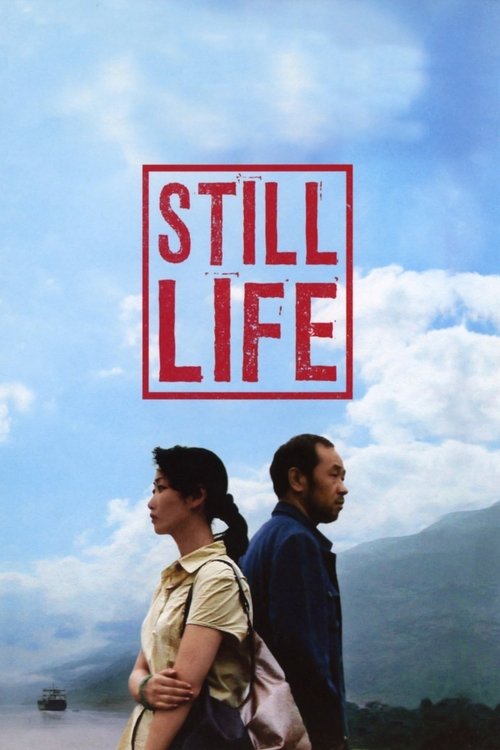
Still Life2006
Jia Zhangke's portrait of ordinary people navigating China's rapid transformation. Like After the Winter, it's about displacement, memory, and the small gestures people make to hold onto connection when everything is changing.
But It's meditative to the point of feeling static. Long takes of people in rooms may test your patience before it wins you over.
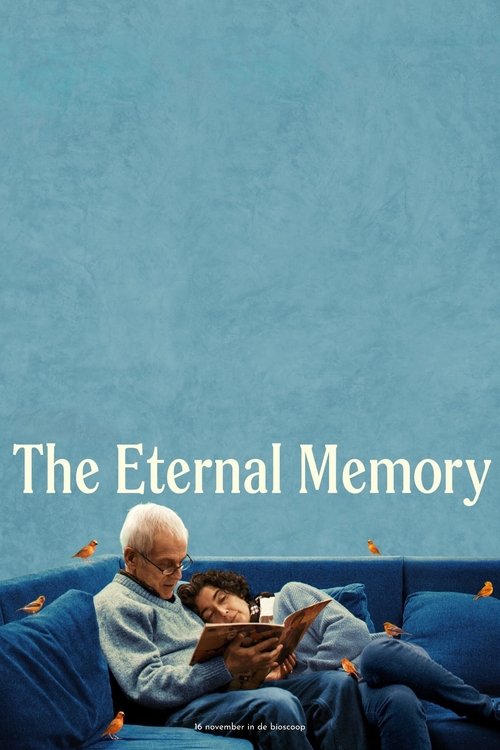
The Eternal Memory2023
Where After the Winter explores how people drift apart despite connection, this explores how love persists despite the erasure of shared memory—opposite strategies for the same essential question: what remains when everything else is gone.
A documentary about a Chilean poet and film director, Raúl Ruiz, and his wife Valeria as he declines into Alzheimer's. It's a film about love persisting across the dissolution of memory itself—tender, devastating, and animated in ways that give the invisible realm of mind visual form.
But It's a document of cognitive loss and grief. The experimental animation choices, while beautiful, don't soften the ache of watching someone disappear.
People
Cast
 Momčilo OtaševićMladen
- Petar BurićDanilo
 Maja ŠušaBubi
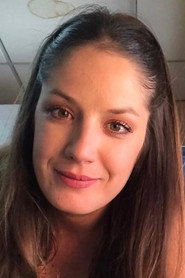 Ana VučkovićMarija
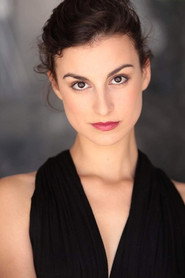 Ivona KustudićJana
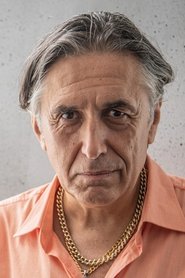
- Stela ĆetkovićMajka
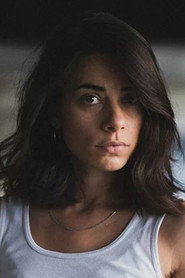 Milica GojkovićTamara
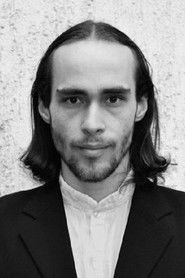 Vladimir GvojićFedor
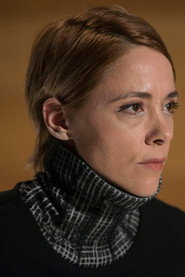
Directing
- Ivan BakračDirector
Writing
- Vladimir BlaževskiCo-Writer
- Ivan BakračWriter