
Film
Pretty in Pink
Pretty in Pink is the moodier, more melancholic entry in the Hughes-verse of 80s teen cinema—less wisecracking, more ache. Ringwald plays vulnerability without cynicism, and the soundtrack (that title track, The Psychedelic Furs) does as much emotional lifting as the script. It's for anyone who's ever felt like the wrong kind of person to be loved out loud.
Should you watch it?
Watch it if you love teen romances built on class resentment and awkward, sincere heart, the kind where a record-store afternoon and a tangled prom plan carry as much weight as the kiss.
Skip it if you find 1980s teen comedy dated, since the fashions, music and earnest declarations are all very much of their era and the pacing can feel leisurely.
What it asks of you: Roughly an hour and a half, unhurried, with a lot of talk and mooning around; it shifts between giddy and wistful, so it rewards patience more than attention spans.
Not sure? Find tonight's pick in a minute.
If you liked this
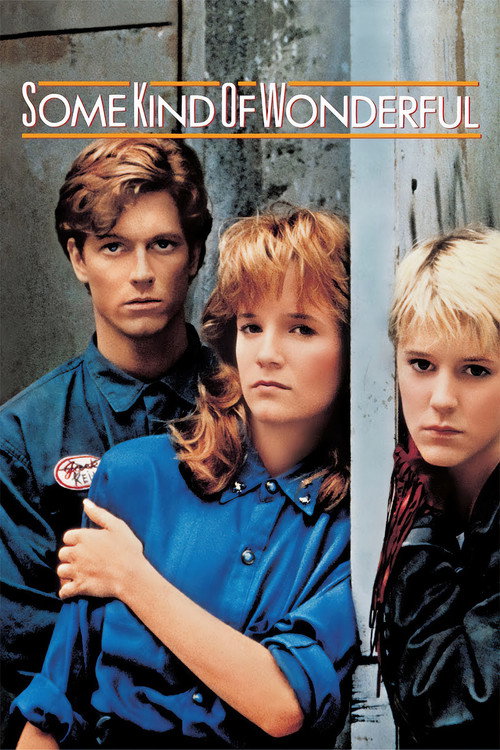
Some Kind of Wonderful1987
Same writer, same class-crossed romance, but Hughes essentially rewrote the ending problem by flipping the genders. Mary Stuart Masterson's tomboy drummer is one of the great unsung 80s performances.
But It's basically Pink's answer key; if you want a fresh story rather than a rebuttal, this will feel over-familiar.
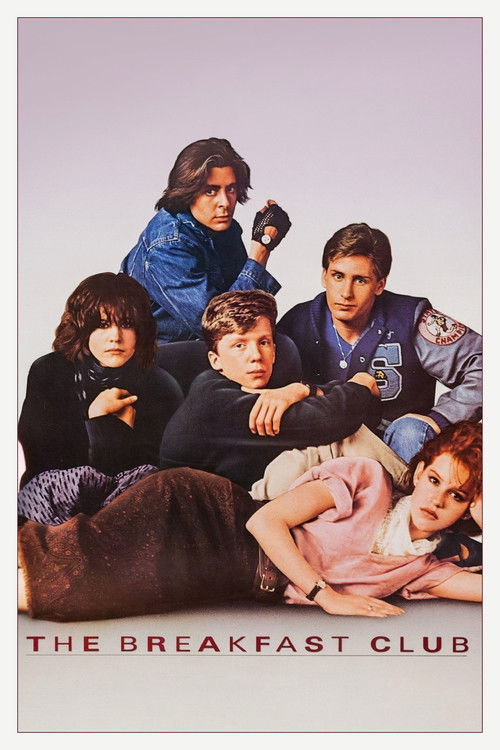
The Breakfast Club1985
The other side of the same high school caste system, minus the romance plot—five kids stuck in detention discovering the labels don't hold up under pressure.
But No love story to hold onto, and its confessional monologues can feel dated or overwrought next to Pink's lighter touch.
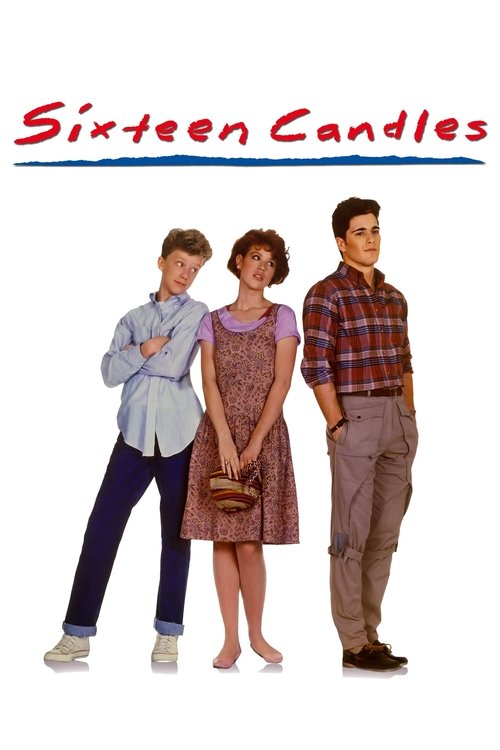
Sixteen Candles1984
Ringwald again, younger and goofier, in the film that made Hughes the patron saint of teenage invisibility. Funnier and messier than Pink, with lower emotional stakes.
But Some jokes—particularly around a certain foreign exchange student—have aged very badly and can sour the nostalgia.
Not sure tonight? Get a pick in a minute, starting from Pretty in Pink
The wildcard
Something you would not have found on your own.
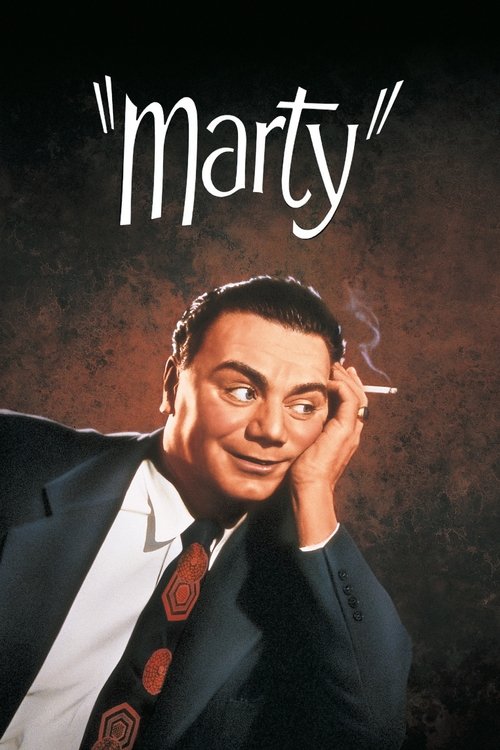
Marty1955
Same question Pink keeps circling—can you love someone whose social position embarrasses your friends?—but stripped of teen gloss: two plain, ordinary adults in 1950s New York deciding they're allowed to want each other.
Ernest Borgnine's Oscar-winning turn as an unremarkable butcher finding love against everyone's expectations is one of the most quietly devastating performances in American film.
But Black-and-white, unhurried, and entirely without a soundtrack or a prom—if you came for teen energy, this is its opposite.
More like this (8)
Say Anything...1989
Class anxiety again, but told from the boy's side—an underachiever falling for the valedictorian, boombox and all. Gentler and more optimistic than Pink.
But It leans sweeter and safer; if you want Pink's melancholy undertow, this trades it for warmth instead.
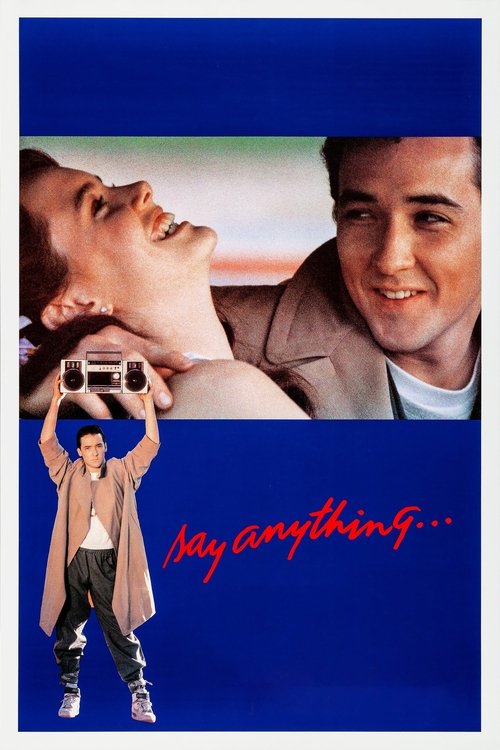
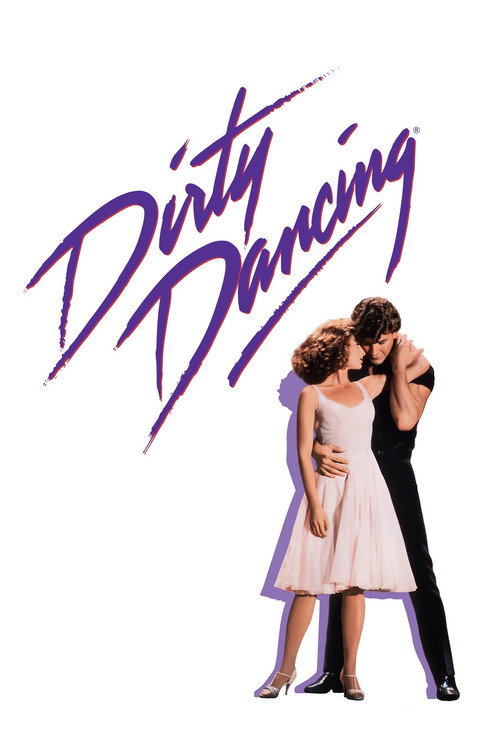
Dirty Dancing1987
Same summer, same class divide, different setting—a resort instead of a school, dance instead of prom. Swayze and Grey generate genuine, unguarded heat.
But It's a full-throttle romance where Pink stays deliberately guarded; if you want ambiguity, this is far more straightforward.
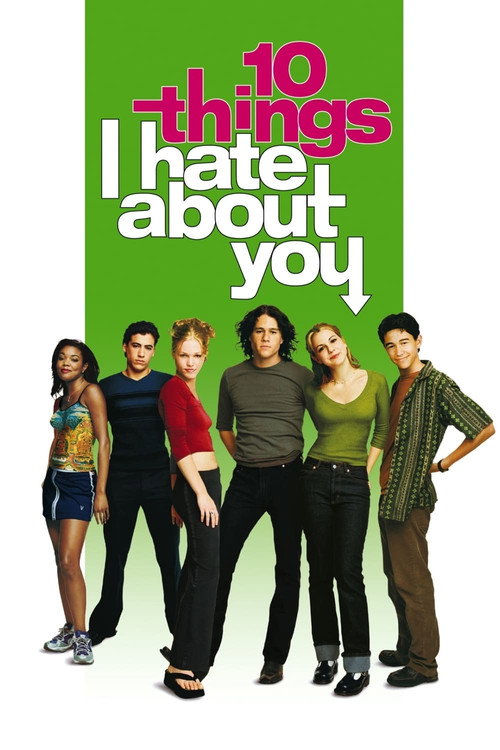
10 Things I Hate About You1999
Nineties gloss on the same social ladder, loosely built on Shakespeare, funnier and faster than anything from the Hughes era. Heath Ledger at his most charming.
But Broader and glossier, less interested in the ache—more teen-com than the quieter character study Pink is going for.
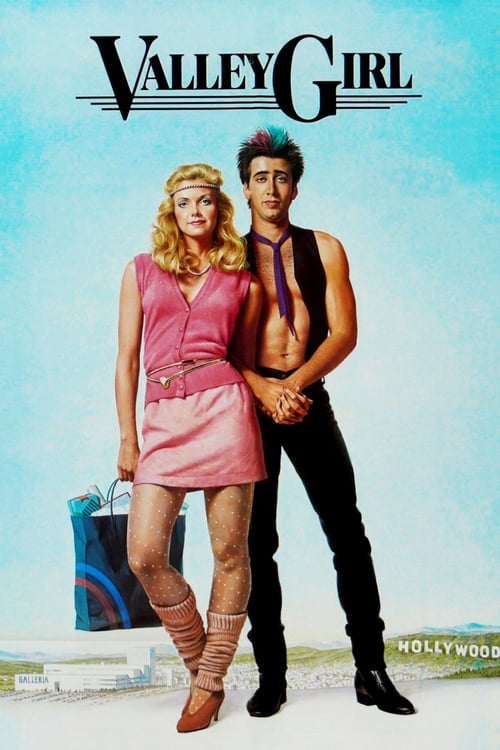
Valley Girl1983
A valley girl and a punk from Hollywood cross the same social lines Pink draws, three years earlier and with more new-wave attitude to spare.
But Rougher production values and a lower budget feel; charm carries it more than craft ever does.
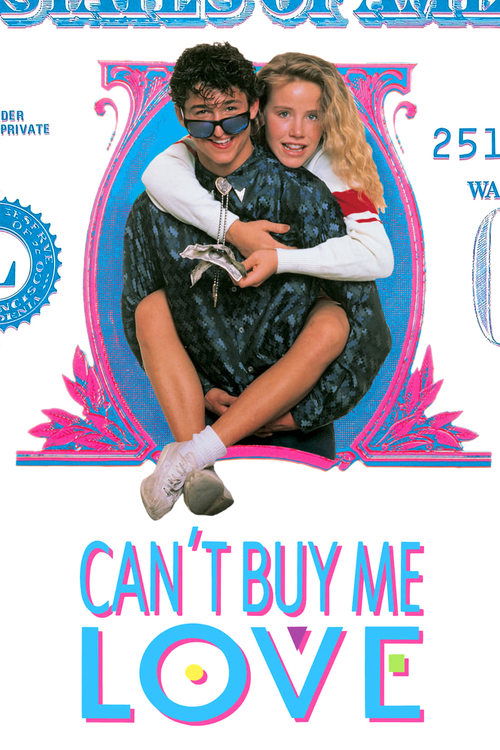
Can't Buy Me Love1987
A straight-up class-and-popularity trade—a nerd pays a cheerleader to date him—lighter and more comic than Pink but wrestling the same anxieties about status.
But Broader comedy with a much thinner emotional register; don't come looking for Pink's ache.
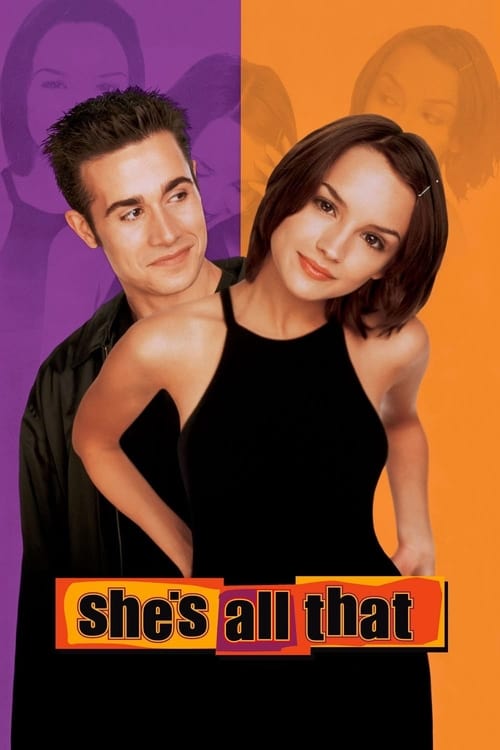
She's All That1999
The makeover-bet version of the same social experiment—prom still looms large, popularity still gets interrogated, just with more late-90s gloss on top.
But The premise is thinner and more mechanical, and its gender politics have aged more awkwardly than Pink's.
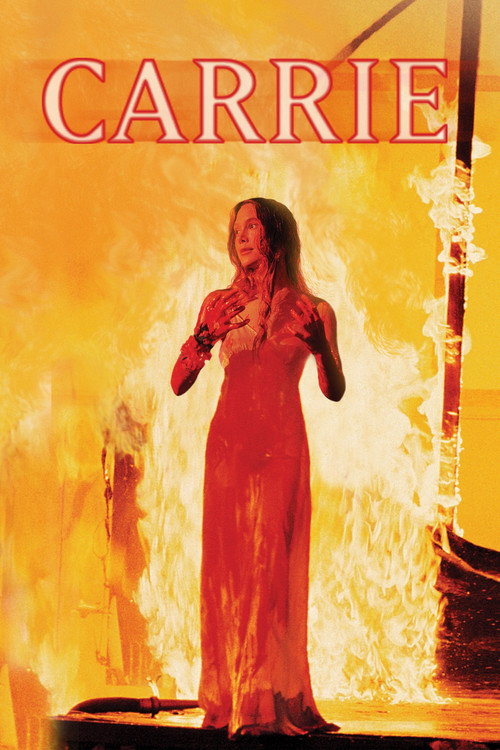
Carrie1976
Take Pink's outsider-girl-versus-the-popular-crowd structure and its prom centerpiece, then push both into horror—same social machinery, but here humiliation grows claws.
Sissy Spacek turns teenage isolation into something genuinely frightening, and the prom sequence is the id lurking beneath every high school movie's climax.
But It's horror, not romance—if you want warmth or hope by the end, this will not give you either.
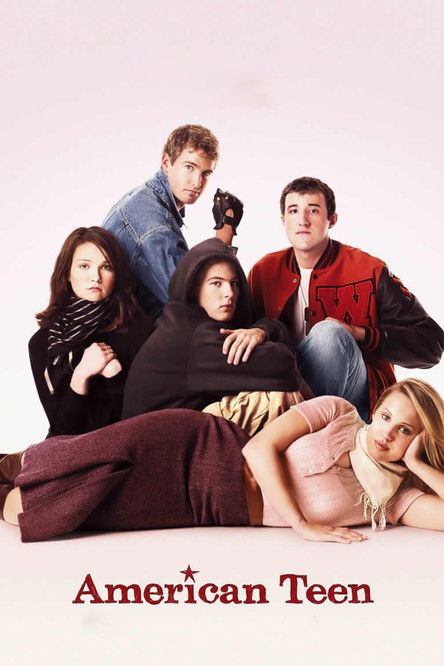
American Teen2008
The same archetypes Pink relies on—the outcast, the jock, the queen bee—turn out to be real, unscripted, and lived by actual Indiana teenagers, prom included.
It's startling how closely real high school hierarchies mirror the Hughes template, and the kids are more self-aware and funnier than any screenwriter could invent.
But Documentary pacing is looser and messier than a scripted film, and some subjects' arcs stay frustratingly unresolved.
People
Cast
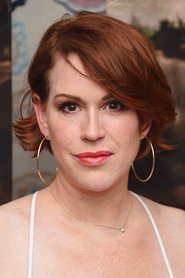 Molly RingwaldAndie Walsh
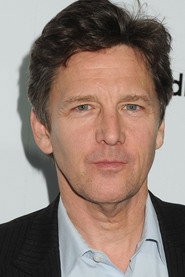 Andrew McCarthyBlane McDonough
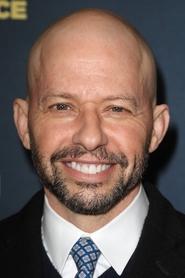 Jon CryerPhilip F. 'Duckie' Dale
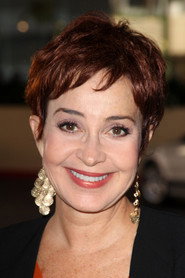 Annie PottsIona
 Harry Dean StantonJack Walsh
 James SpaderSteff McKee
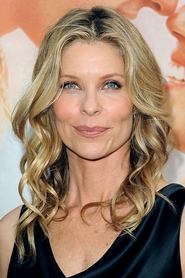 Kate VernonBenny Hanson
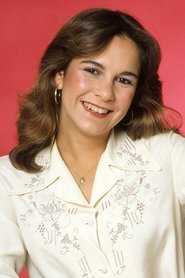 Alexa KeninJena Hoeman
 Emily LongstrethKate
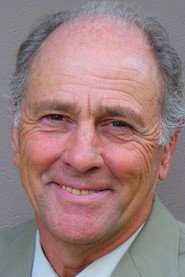 Jim HaynieDonnelly
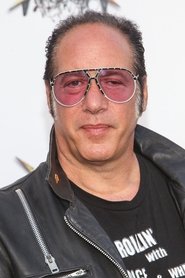 Andrew Dice ClayBouncer - 'Diceman'
 Margaret ColinEnglish Teacher
Directing
- Howard DeutchDirector
- Stephen LimFirst Assistant Director
- Pamela AlchScript Supervisor
- Carol GreenSecond Assistant Director
Writing
- John HughesWriter
Production
- Jane VickerillaAssociate Producer
- Marci LiroffCasting
- Paula HeroldCasting
- Dorian DunasCasting Assistant
- John HughesExecutive Producer
- Michael ChinichExecutive Producer
- Charles NewirthLocation Manager
- Lauren Shuler DonnerProducer
- William KolberProducer's Assistant
- Matthew FreemanProduction Assistant
- Ronald W. PayneProduction Assistant
- Arne SchmidtUnit Production Manager
Recommended by
Clueless, She's All That, Horimiya, Sixteen Candles, Say Anything..., The Breakfast Club, Dirty Dancing, Footloose, Some Kind of Wonderful, Can't Buy Me Love