
Film
Desperate
A 1947 film noir about an innocent man fleeing a robbery accusation. Shot in crisp black-and-white with sharp dialogue and paranoid momentum, it's a lean, efficient thriller that trusts viewers to keep up. For anyone who loves lean crime pictures where the engine never stops turning.
If you liked this
In a Lonely Place1950
Humphrey Bogart as a volatile Hollywood screenwriter wrongly suspected of murder. Searing and intimate, with real moral ambiguity about whether innocence and likability are the same thing. Burnett Guffey's cinematography is gorgeous.
But It's primarily a character study dressed as a thriller. If you want plot momentum over psychological depth, you'll find it slow.

The Killers1946
Burt Lancaster's debut: a boxer marked for death who accepts it with eerie calm. Siodmak directs with sculptural shadows. The structure unfolds like a puzzle, each flashback reframing what you thought you knew.
But It's elliptical and sometimes oblique. Don't expect a straightforward revenge picture—it's more interested in fatalism than action.

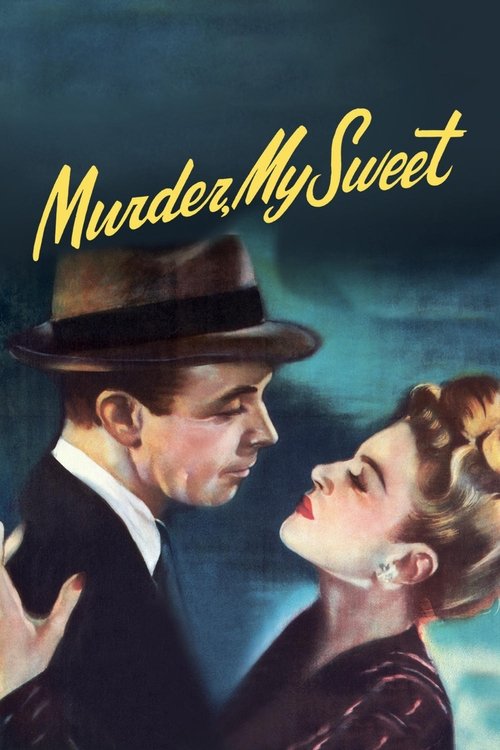
Murder, My Sweet1944
Dick Powell transforms from song-and-dance man to hardboiled detective. A private eye case that spirals into genuine menace. Shot through frosted glass and fever dreams, it's noir at its most intoxicated and disorienting.
But The plot is deliberately convoluted. Some find it impenetrable; others love that you're as lost as Powell's character.
Not sure tonight? Get a pick in a minute, starting from Desperate
The wildcard
Something you would not have found on your own.
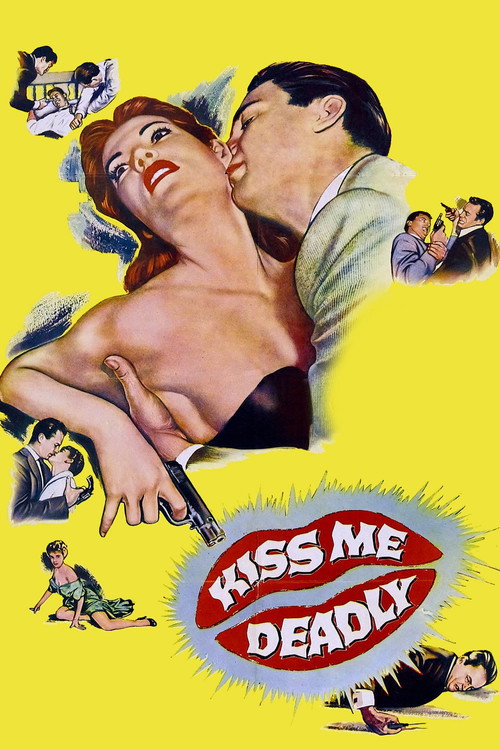
Kiss Me Deadly1955
Both trap innocent (or semi-innocent) men in systems larger than them. But where Desperate is about wrongful accusation, Kiss Me Deadly asks whether the protagonist deserves his fate. It's noir's moral evolution.
Robert Aldrich's atomic-age Mike Hammer adaptation. Violent, misogynist, and completely aware of both facts. The film sees through its protagonist in ways he can't see through himself. Aldrich shoots it like a descent into Hell.
But Hammer is genuinely awful to women and the film doesn't soften that for modern comfort. It's also disjointed and abrasive on purpose.
More like this (8)
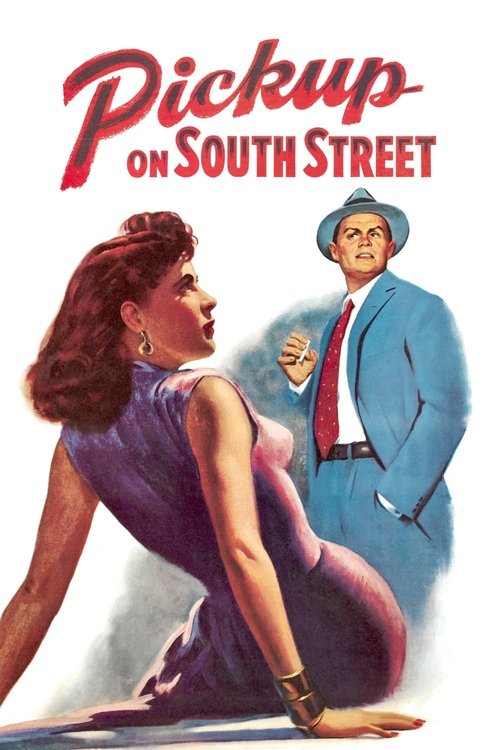
Pickup on South Street1953
Samuel Fuller's kinetic Cold War thriller: a pickpocket steals something that turns out to matter. Thelma Ritter is unforgettable. Fuller shoots with documentary urgency and genuine moral teeth.
But It's aggressively paced and sometimes shrill. The anti-communist politics are of their time, and not subtle about it.
The Asphalt Jungle1950
John Huston's heist film codified every caper that followed. A gang assembles to rob a jewelry store; everything that can go wrong does. The ensemble cast is superb, and the moral rot is everywhere.
But It's plotted like a machine. Some find it cold, and the gender politics are of 1950 in ways that haven't aged well.

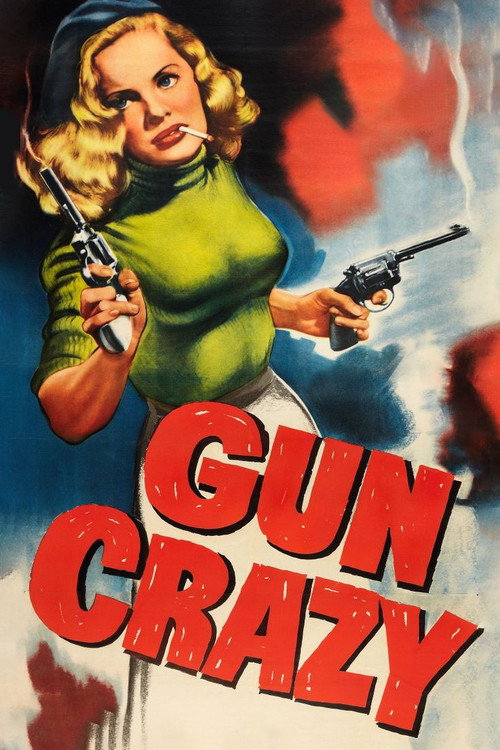
Gun Crazy1950
A doomed couple on the run, shot with kinetic urgency and genuine feeling. The camera moves where it shouldn't. This is the skeleton key for Bonnie and Clyde, and it's still bracingly alive.
But The print quality can be rough, and the pacing is erratic. It's also genuinely grim about its lovers' fate.
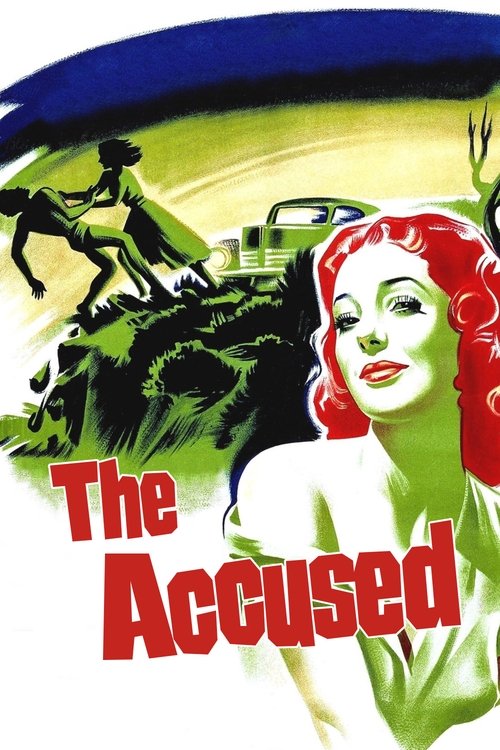
The Accused1949
Loretta Young as a woman falsely accused of murder. Noir from a woman's perspective, with real anxiety about being believed. Siodmak again, nailing paranoia and institutional coldness.
But It's somewhat theatrical and can feel stagy. The resolution is neat in ways the setup wasn't.
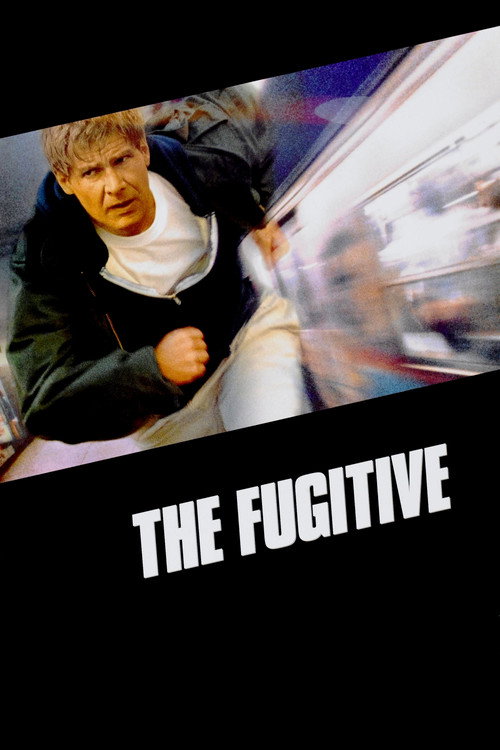
The Fugitive1993
Harrison Ford as a man framed for his wife's murder, hunted across America. Tight plotting, real stakes, one of the last great studio thrillers. Tommy Lee Jones is perfect as the fed.
But It's a formula picture, a very well-made one. If you've seen recent action thrillers, nothing here will surprise you structurally.
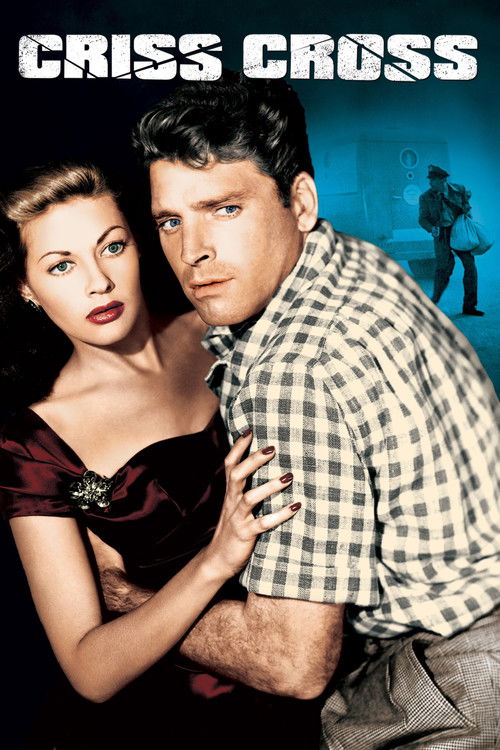
Criss Cross1949
Burt Lancaster again, this time a security guard drawn into a heist by an ex-lover. Siodmak's mise-en-scène is immaculate. A study in how desire corrodes judgment, shot like a nightmare.
But It's bleak and offers no one to root for. The tone is relentlessly cynical, which some experience as pretentious rather than honest.
The Third Man1949
A man on the run (literally, in Greene's case; psychologically, in the plot). But this zooms outward: from personal innocence to geopolitical complicity. Same engine, radically different scale and philosophy.
Carol Reed and Graham Greene on a postwar Vienna hunt for a friend who may be a criminal. Orson Welles in a role that rewrites his mythology. Shot on real rubble, with a zither score that sounds like memory itself.
But It's slow where Desperate is brisk. The moral ambiguity extends to the narrative structure—you're meant to feel uncertain about what you've witnessed.

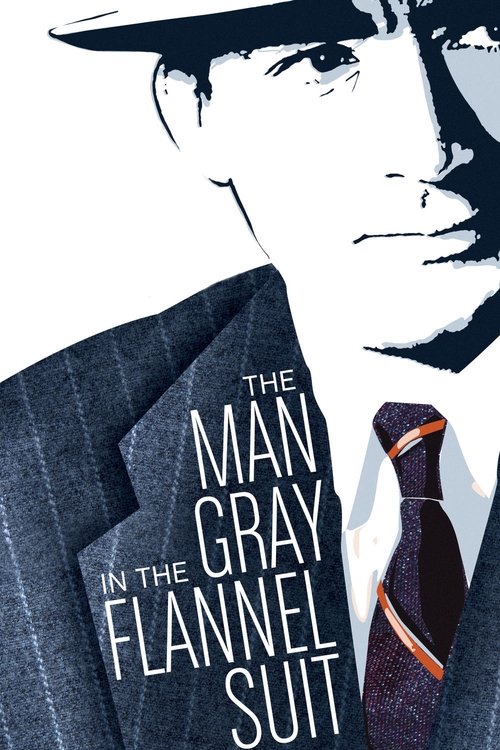
The Man in the Gray Flannel Suit1956
Desperate is about one man falsely accused; this is about a man correctly accused by a system he believed in. Both show how institutions devour innocence—one through frame-up, one through compromise. The second is more frightening.
Glenn Ford as an organization man caught between corporate corruption and personal survival. A critique of conformity that feels anatomical rather than preachy. Shot in VistaVision, it makes corporate America look grotesquely beautiful.
But It's about systems, not characters. If you want heroes, this offers none—only varying degrees of complicity. Also significantly longer at 104 minutes.
People
Cast
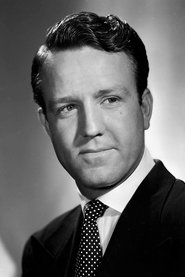 Steve BrodieSteve Randall
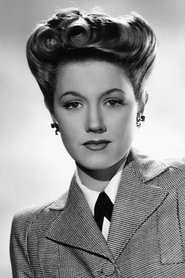 Audrey LongAnne Randall
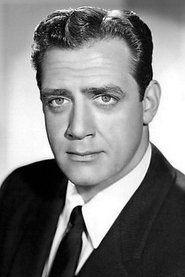 Raymond BurrWalt Radak
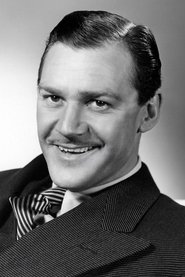 Douglas FowleyPete
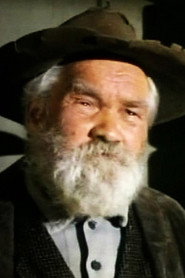 William ChalleeReynolds
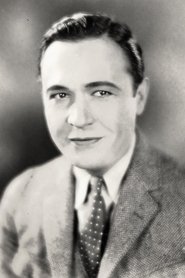 Jason Robards Sr.Ferrari
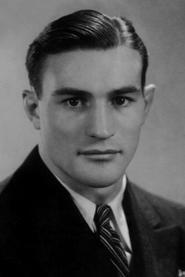 Freddie SteeleShorty
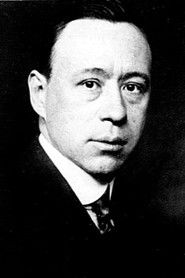 Paul E. BurnsUncle Jan
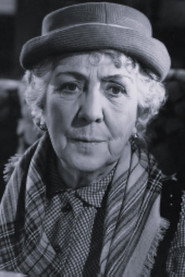 Ilka GrüningAunt Klara
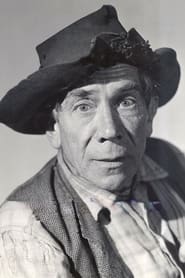 Ernie AdamsVillager (uncredited)
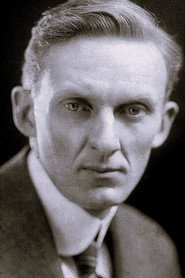 Erville AldersonSimon Pringle (uncredited)
Directing
- Nate LevinsonAssistant Director
- Anthony MannDirector
Writing
- Harry EssexScreenplay
- Anthony MannStory
- Dorothy AtlasStory
Production
- Michael KraikeProducer