
Film
Bad Lieutenant: Port of Call New Orleans
- Police procedural
- Drama
- Very dark
Werner Herzog's fever dream of a cop film: Nicolas Cage as a corrupt, unraveling New Orleans detective sliding into addiction and moral quicksand. It's lurid, hallucinatory, and operates on pure atmosphere—a noir that's as much Herzog's gothic sensibility as it is a crime story. For people who want their corruption served strange.
Should you watch it?
Watch it if you enjoy a sprawling, off-kilter crime story where a wrecked, magnetic lead's bad decisions are funnier and stranger than they have any right to be, and scenes wander to find their own odd rhythm.
Skip it if you need a tight, plot-driven thriller, since this one drifts loosely through its days, lingers on grime and cruelty, and rarely tightens its grip on the investigation.
What it asks of you: Settle in for just over two hours of loose, unhurried watching, where the mood swerves without warning and the lead's focus wanders as freely as the camera.
Not sure? Find tonight's pick in a minute.
If you liked this
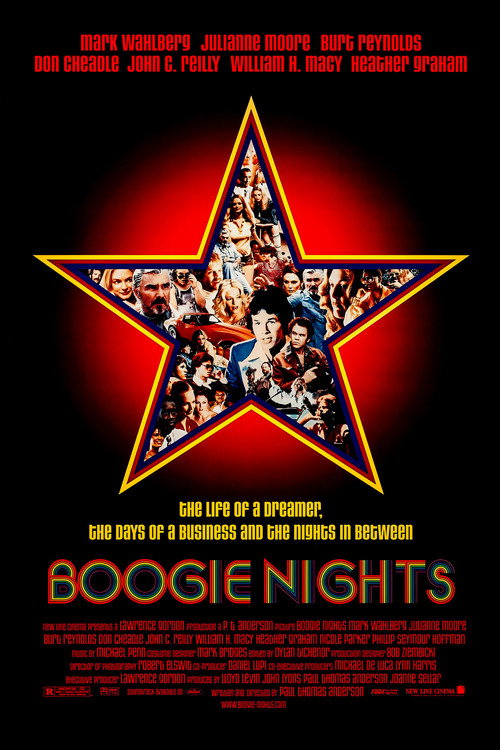
Boogie Nights1997
Paul Thomas Anderson's ensemble dive into addiction, ambition and the film industry's underworld. Interconnected characters, bold camera work, and a sense that everything's spiraling—the spiritual ancestor to what Herzog's attempting here.
But Nearly three and a half hours, and the narrative meanders deliberately. Some scenes feel indulgent rather than essential.
Requiem for a Dream2000
Aronofsky's hallucinatory take on four people destroyed by their addictions. Visually inventive, morally unsparing, and genuinely disturbing in ways that burrow into your skull. The film doesn't judge—it just watches.
But Relentlessly bleak and stylised to the point of abstraction. The audio-visual assault will exhaust some viewers rather than move them.

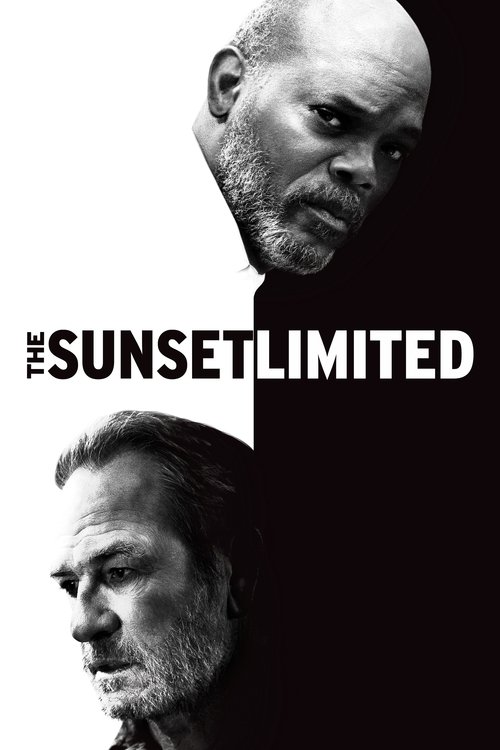
The Sunset Limited2011
Cormac McCarthy adaptation about two men and spiritual wreckage. Methodical, dialogue-heavy, and interested in how people fail each other and themselves. Tommy Lee Jones and Samuel L. Jackson in a locked room with big ideas.
But It's almost entirely two actors talking in one location. If you need plot momentum or escape from despair, look elsewhere.
Not sure tonight? Get a pick in a minute, starting from Bad Lieutenant: Port of Call New Orleans
The wildcard
Something you would not have found on your own.
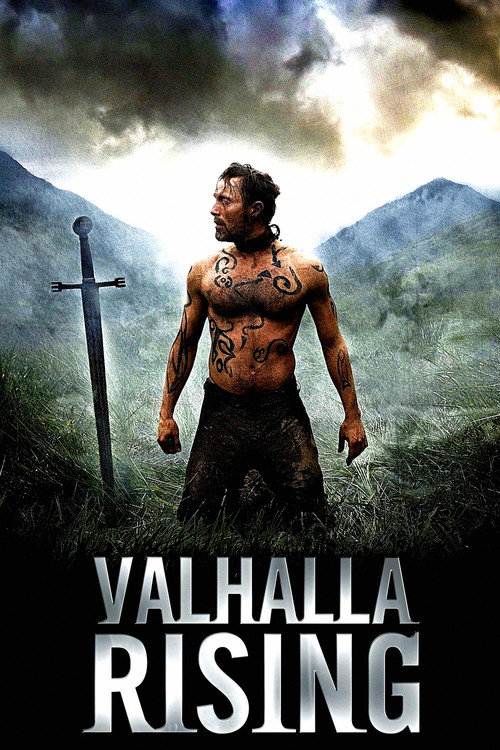
Valhalla Rising2010
Both Refn and Herzog are fascinated by men descending into extremity—spiritual and physical collapse rendered as visionary cinema. Same era, same obsession with darkness as an aesthetic and a state of being.
Nicolas Winding Refn's apocalyptic, hallucinatory film about a prisoner and warrior in the Crusades. Shot in the same year as Bad Lieutenant, it shares Herzog's gothic sensibility and Cage's intensity—but it's a centuries-old descent into madness and violence. Purely visual storytelling; words barely matter.
But Obscure, brutal, and almost incomprehensible. It's less a narrative than a fever dream of blood and despair. Most viewers will find it impenetrable.
More like this (7)
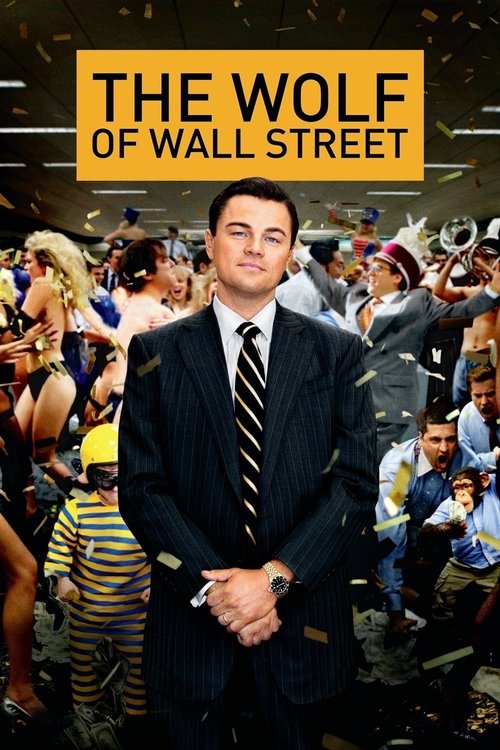
The Wolf of Wall Street2013
Scorsese's brilliant, baroque film about a man destroying himself through excess and charisma. Leonardo DiCaprio's performance is a masterclass in playing someone whose charm masks total moral collapse. Funny, furious, and completely engrossing.
But Three hours of relentless debauchery and misogyny—even as critique, it can feel like you're watching it, not learning from it.
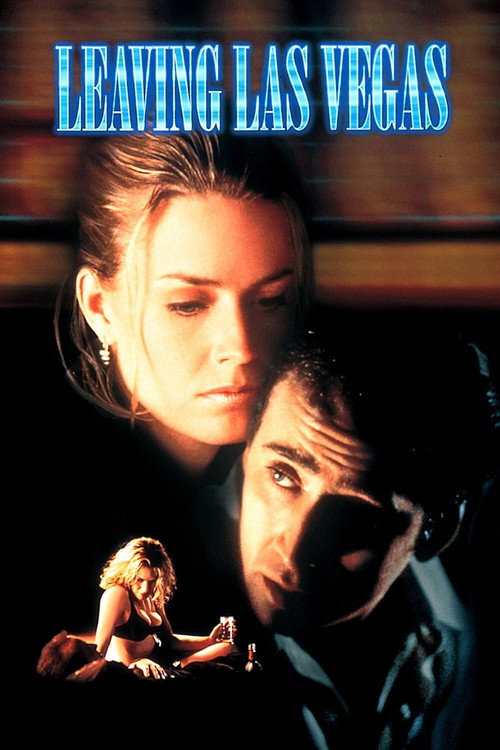
Leaving Las Vegas1995
Mike Figgis' nightmare about a screenwriter and alcoholism. Nicolas Cage giving one of his finest, most painful performances. It doesn't flinch from how addiction isolates you or how little heroism or dignity survive it.
But Bleak to the point of hopelessness. There's no redemption arc here, just a man disappearing into his addiction. Some will find that honest; others will find it punishing.
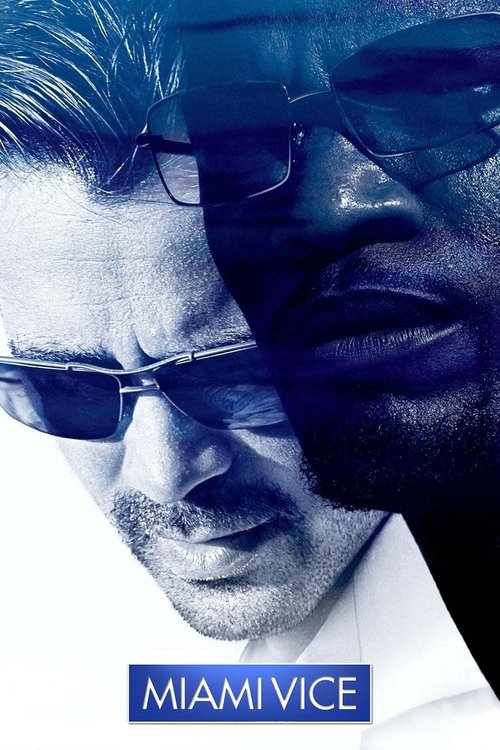
Miami Vice2006
Michael Mann's cops-and-cocaine film is a masterpiece of mood and atmosphere. Nocturnal, gorgeous, and fascinated by how corruption and morality blur. The visual language is extraordinary—Mann working at the height of his powers.
But Intentionally oblique and mood-focused rather than plot-driven. The dialogue is sparse and the story secondary to the feeling of it all.
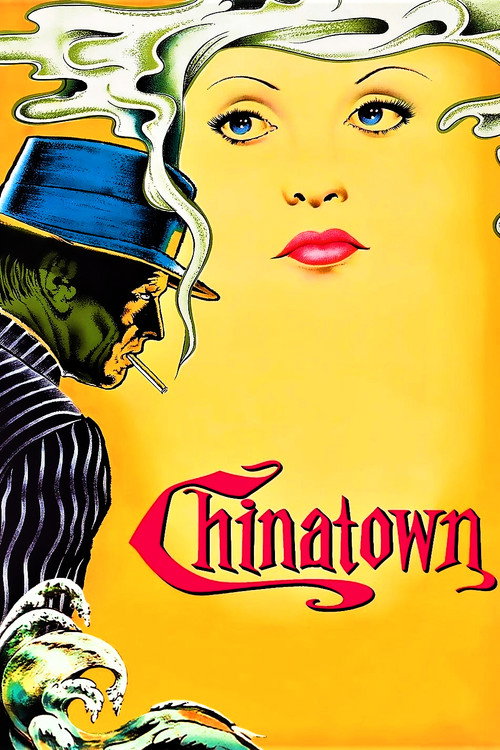
Chinatown1974
Roman Polanski's noir about a detective pulled into corruption and conspiracy in 1930s LA. Jack Nicholson's slow moral unravelling, impeccable direction, and a script that understands how systems corrupt individuals from the inside out.
But You may know the ending already. Some find the pacing deliberate to the point of slowness, especially in the first act.
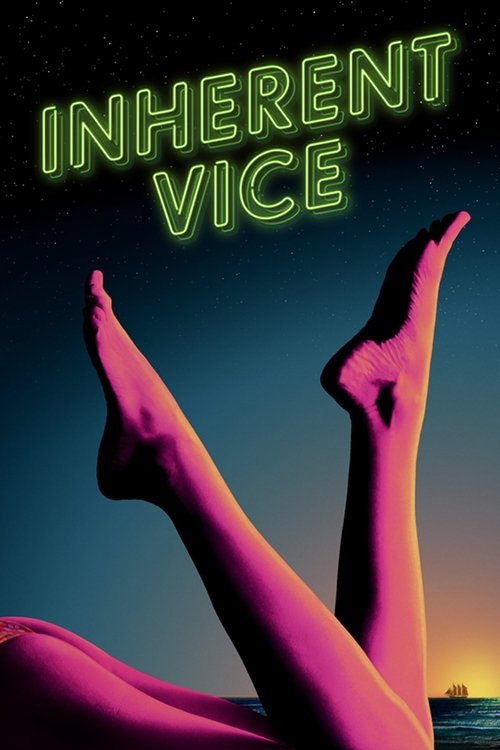
Inherent Vice2014
Paul Thomas Anderson's adaptation of Thomas Pynchon's novel: a stoned detective in 70s LA, paranoia, and narrative fog. Joaquin Phoenix is magnificent in controlled chaos. It captures the hallucinatory, nothing-adds-up feeling of conspiracies and substance use.
But Deliberately resistant to clarity. If you need a plot you can follow, this will frustrate you relentlessly.
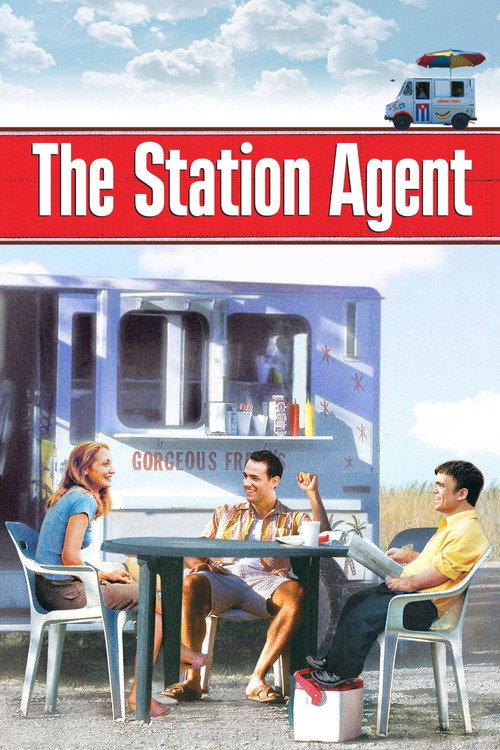
The Station Agent2003
Both understand that the real story is internal—how people hide, how they fail themselves, how small moments of connection matter more than plot beats. One is chaos; one is silence. Same excavation of character.
A low-key character study about a withdrawn man finding small human connections. Radically different from Bad Lieutenant's chaos—quiet where Cage's cop is frantic—but equally uninterested in plot machinery. Tom McCarthy's direction finds grace in small moments and real dialogue.
But Almost nothing happens. If you need dramatic tension or conflict, you'll be bored. It's a film about stillness, not action.
Synecdoche, New York2008
Both films are about intelligent men watching themselves disappear—one through addiction and corruption, one through art and solipsism. Both are visual and disorienting. Both refuse to resolve cleanly or offer comfort.
Charlie Kaufman's debut is a collapsing mind made visible—Philip Seymour Hoffman as a theater director building a replica of New York inside a warehouse, reality fracturing around him. Like Bad Lieutenant, it's a portrait of someone coming apart, but rendered as surrealist autobiography rather than crime narrative.
But Willfully obscure and elliptical. The narrative collapses by design. If you're looking for clarity or conventional storytelling, this will exhaust you.

People
Cast
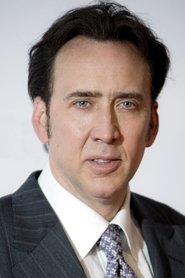 Nicolas CageTerence McDonagh
 Eva MendesFrankie Donnenfield
 Val KilmerStevie Pruit
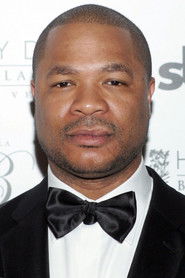 XzibitBig Fate
 Fairuza BalkHeidi
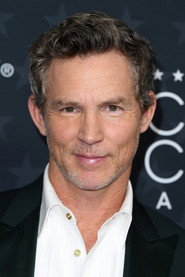 Shawn HatosyArmand Benoit
 Jennifer CoolidgeGenevieve
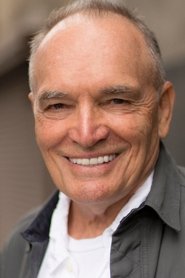 Tom BowerPat McDonagh
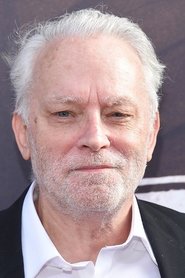 Brad DourifNed Schoenholtz
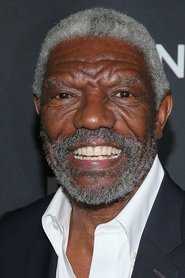 Vondie Curtis-HallCaptain James Brasser
 Irma P. HallBinnie Rogers
 Denzel WhitakerDaryl
Directing
- Werner HerzogDirector
- Michael ZimbrichFirst Assistant Director
- Amy SandersonScript Supervisor
- George BottSecond Assistant Director
- Sherman Shelton Jr.Second Second Assistant Director
Writing
- William M. FinkelsteinWriter
Production
- Jenny JueCasting
- Johanna RayCasting
- Jason LandryCasting Associate
- Todd GilbertExecutive In Charge Of Post Production
- René BessonExecutive In Charge Of Production
- Sarah ParkerExecutive In Charge Of Production
- Alessandro CamonExecutive Producer
- Avi LernerExecutive Producer
- Boaz DavidsonExecutive Producer
- Danny DimbortExecutive Producer
- Elliot Lewis RosenblattExecutive Producer
- Trevor ShortExecutive Producer
- Robin BathersonExtras Casting
- Batou ChandlerLocation Manager
- Mark MicucciPost Production Accountant
- Alan PolskyProducer
- Edward R. PressmanProducer
- Gabe PolskyProducer
- John ThompsonProducer
- Randall EmmettProducer
- Stephen BelafonteProducer
- Steev BeesonProduction Accountant
- Anthony Rossi IIIProduction Coordinator
- Cathy GesualdoProduction Manager
- Sam HortonProduction Secretary