
Film
Trio
- Social drama
- Very dark
A 68-minute Soviet drama about three homeless men sheltering by Issyk-Kul lake, stripped of everything but each other. Shot in harsh sunlight with minimal dialogue, it's a quiet, observational study of survival and human connection in extremity. For viewers drawn to cinema of constraint and dignity in desperation.
If you liked this
Come and See1985
Elem Klimov's masterpiece of war's dehumanization, shot with the same unflinching eye on suffering and the body reduced to need. Devastates through accumulated detail rather than plot.
But Relentlessly bleak and often grueling to sit with. Not entertainment in any conventional sense.

Stalker1979
Tarkovsky's meditative three-character journey through a mysterious zone—like Trio, it trusts silence and observation over exposition, finding profundity in waiting and conversation.
But Moves at a deliberate crawl; 163 minutes of metaphysical patience. Some find it pretentious; others find it transforms them.

The Lord of the Rings: The Return of the King2003
Zvyagintsev's study of two boys and a stranger navigates masculine vulnerability and the body's exposure to the elements. Shot with austere beauty in emptied landscapes.
But Emotionally distant; the film withholds easy catharsis or explanation for its central mystery.

Not sure tonight? Get a pick in a minute, starting from Trio
The wildcard
Something you would not have found on your own.
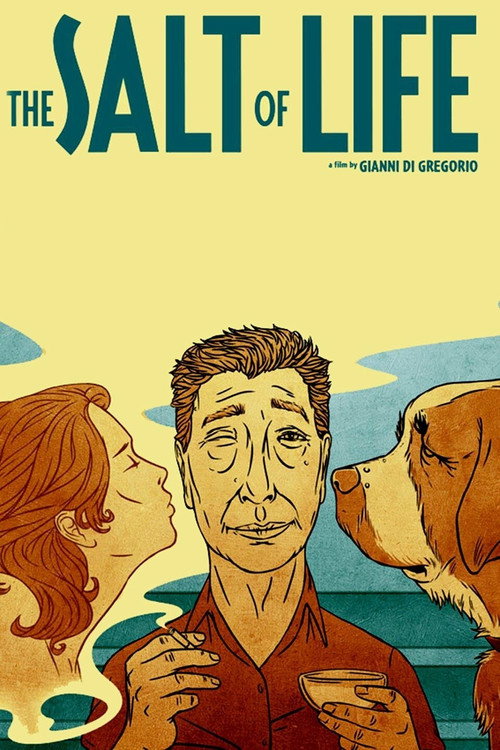
The Salt of Life2011
Both films are about marginalized men for whom the landscape is indifferent, and both trust that ordinary beauty and small human moments matter aesthetically when everything else is stripped away.
Paolo Sorrentino's essay on aging, desire, and invisibility in Naples—an older man trying to matter in a city that has moved past him. Visual opulence meeting existential void.
But Slow, melancholic, European art cinema. The plot is barely there; mood is everything. Some will find it self-indulgent.
More like this (8)
Bicycle Thieves1948
Neorealist cornerstone about a man and boy hunting a stolen bike through Rome's working poor—economically precise, humanely observed, brief and devastating.
But The desperation is real and unrelenting. Some find it crushingly sad rather than illuminating.

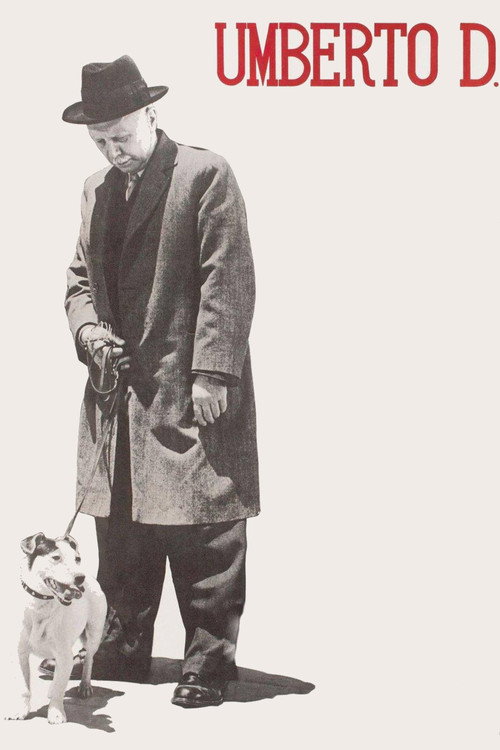
Umberto D.1952
De Sica again, now following an elderly pensioner and his dog navigating Rome's indifference. Treats its subject with absolute respect and terrible clarity.
But Aging, poverty, and social invisibility—not uplifting. The pacing is slow and the ending offers no redemption.
Winter Light1963
Bergman's chamber piece about faith, isolation, and the cold that seeps into bone. Three characters circling an absence. Intellectually rigorous and deeply felt.
But Swedish gloom; 80 minutes of existential questioning without answers. The dialogue can feel abstract.

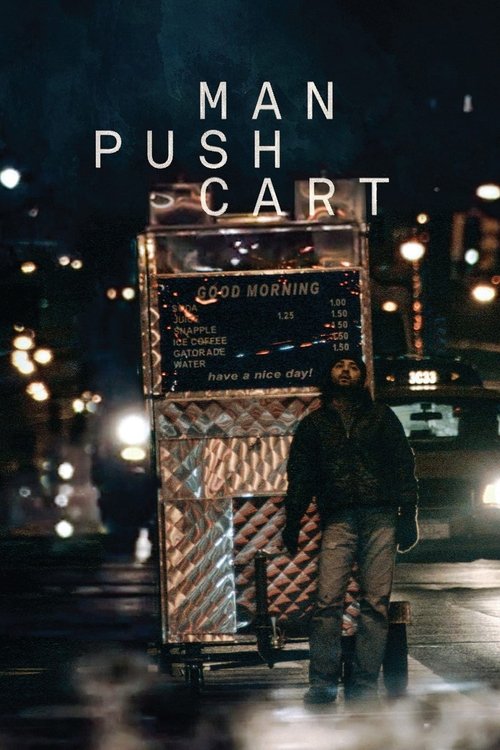
Man Push Cart2006
Ramin Bahrani's document of a Pakistani street vendor in New York, shot with observational precision. Minimal plot; maximum empathy for invisible labor.
But Deliberately slow and repetitive—a day in the life without narrative momentum or hope offered.
The Seventh Seal1957
Bergman's knight plays chess with Death; a film about mortality, fellowship, and what sustains us when nothing else will. Visually stunning and philosophically dense.
But Medieval allegory; can feel remote or overly symbolic if you're not in the mood for heavy metaphysics.

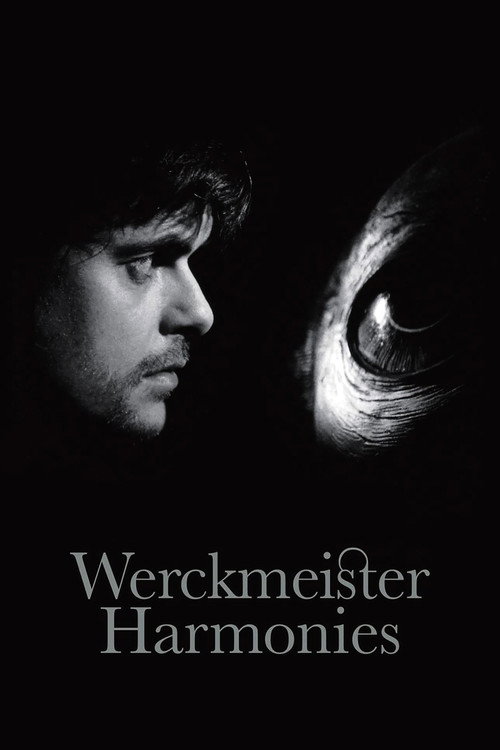
Werckmeister Harmonies2001
Béla Tarr's apocalyptic vision of social collapse through a small Hungarian town. Uses extreme long takes and black-and-white to estrange and transfigure ordinary life.
But 145 minutes, no conventional plot, deliberately ugly and slow. Tests patience as a structural choice.
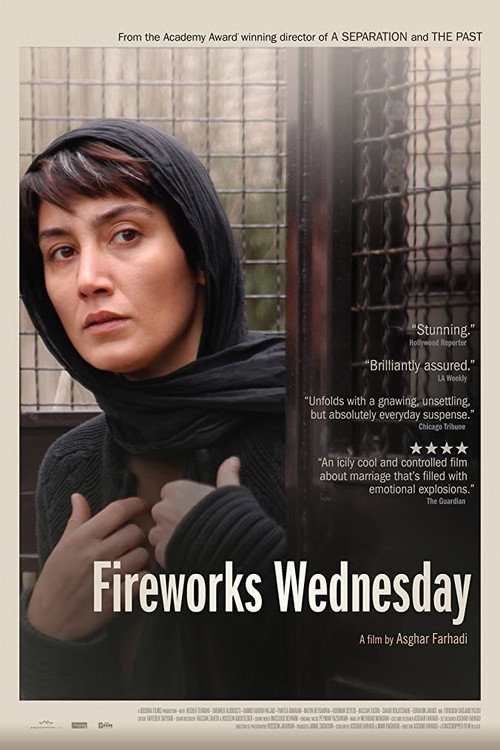
Fireworks Wednesday2006
Both are spare, urgent dramas about human beings reduced to bare circumstances, told through accumulated observation rather than plot. Both trust the viewer to sit in discomfort.
A claustrophobic Iranian chamber piece about two women and marital violence, shot in real time over three hours. Intense, claustrophobic, morally alert without sermon.
But In Farsi with subtitles. The domestic violence is unflinching and difficult. No catharsis; the ending leaves you unsettled.
Jeanne Dielman, 23, quai du Commerce, 1080 Bruxelles1976
Both films locate human dignity in the microscopic and refuse plot as a narrative crutch. Both ask: what is worth watching when consumption and comfort are stripped away? Both answer: everything, if you look closely enough.
Chantal Akerman's three-hour chronicle of a widow's daily routine—shopping, cooking, sex work—filmed in static wide shots. Becomes a radical statement on labor, time, and the body.
But Three hours of a woman doing housework. Minimal dialogue, no plot, repetitive by design. Tests the definition of cinema itself; many will find it tedious or pretentious.

People
Cast
Directing
- Aleksandr BaranovDirector
- Bakhyt KilibayevDirector
Writing
- Aleksandr BaranovScreenplay
- Bakhyt KilibayevScreenplay