
Film
Society of the Snow
- Period drama
- Survival adventure
- Very dark
October 1972: a Uruguayan rugby team's plane crashes in the Andes. *Society of the Snow* is a deliberate, almost glacial film about the 45 days that follow—the cold, the hunger, the choices made in extremity. Director J.A. Bayona lets silence do the work. It's for people who want to sit with real suffering, not look away from it.
Should you watch it?
Watch it if you want a harrowing survival story told with patient, almost documentary realism, where the bond between stranded young men matters more than the mechanics of getting out.
Skip it if you find the grim, slow stretches of a 143-minute runtime hard going, since its bleakness rarely lets up and the pacing stays deliberately heavy.
What it asks of you: Roughly two and a half hours of slow, cold, unhurried build, with few lighter moments and little room to look away.
Not sure? Find tonight's pick in a minute.
If you liked this
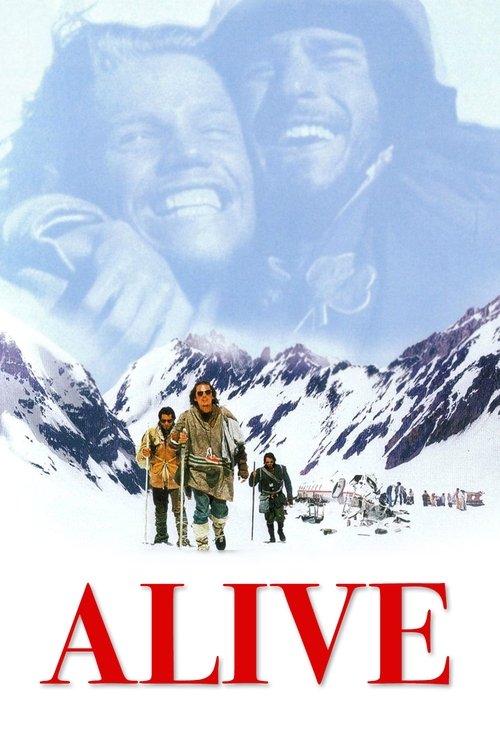
Alive1993
The most direct predecessor: another Andes crash, another survival story. Frank Marshall's film has warmth and momentum where *Society* is austere, but both grapple with the same impossible moral weight.
But It feels more like a conventional drama, less meditative. Some find the 1993 pacing dated now.
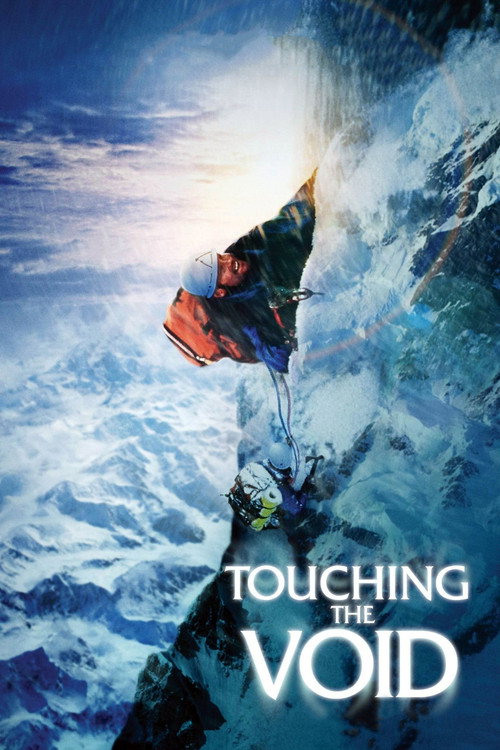
Touching the Void2003
A mountaineer left for dead crawls down a mountain. Kevin Macdonald's documentary reconstructs the climb with such precision and dread that you feel the ice under your fingernails. Pure survival without sentimentality.
But It's brutally physical and repetitive by design. If you want narrative momentum rather than ordeal, this won't give it to you.
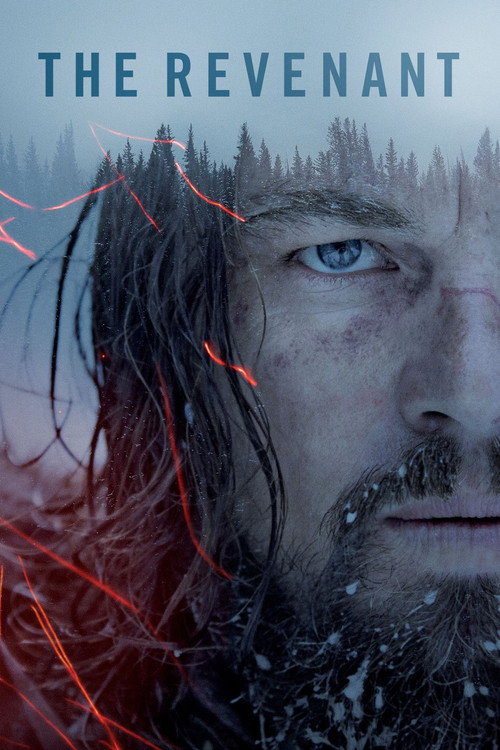
The Revenant2015
Iñárritu on survival and vengeance in brutal wilderness. Like *Society*, it refuses to beautify suffering—the cold is a character. Visually overwhelming and morally complex.
But It's a revenge film underneath, which means conventional story beats. Much longer than it needs to be. The sound design is punishing.
Not sure tonight? Get a pick in a minute, starting from Society of the Snow
The wildcard
Something you would not have found on your own.
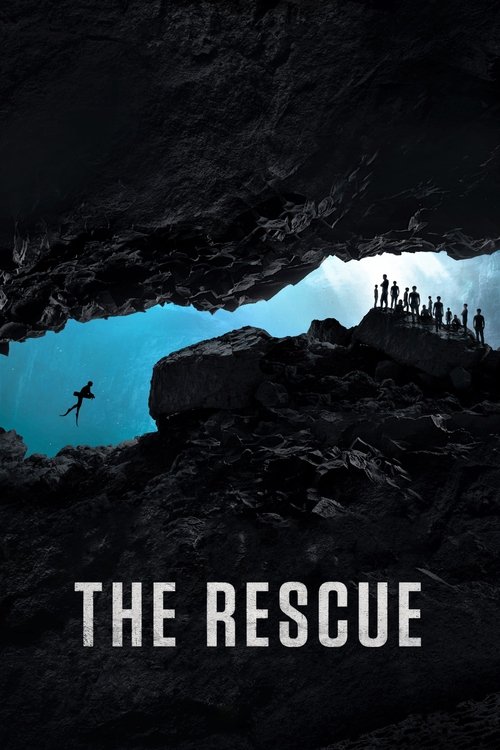
The Rescue2021
Both are films about groups trapped underground/high altitude facing slow attrition and impossible choice. Both refuse melodrama. Both ask: what do you do when rescue might not come?
Ron Howard's documentary about the 2018 Thai cave rescue—thirteen boys, a flooded cavern, an impossible extraction. It has the same structure as *Society*: extreme cold/water, no easy exit, ordinary people in extremity. But it's *recent*, and it ends differently.
But It's a documentary, so the outcome is known. Some find the modern-rescue-with-gopro aesthetic less solemn than *Society*'s discipline.
More like this (8)
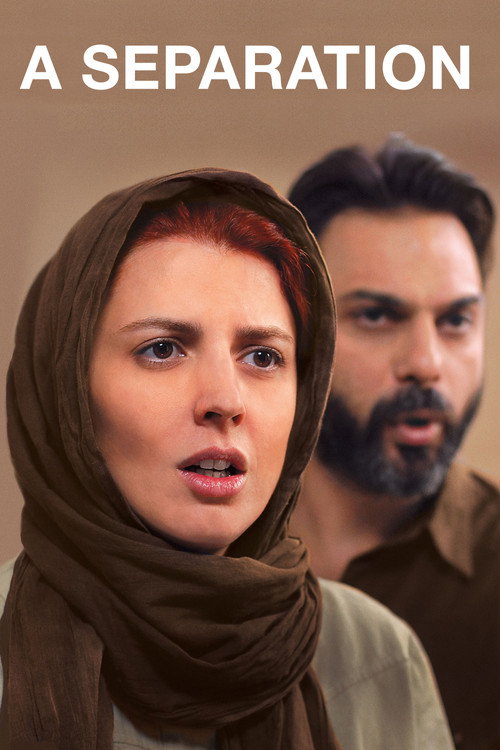
A Separation2011
Asghar Farhadi on impossible choices between competing moral claims. Like *Society*, it trusts you to sit with ambiguity and doesn't resolve it neatly. Devastating and precise.
But There's no survival spectacle here—it's two people arguing about custody. If you want exterior action, you won't find it.
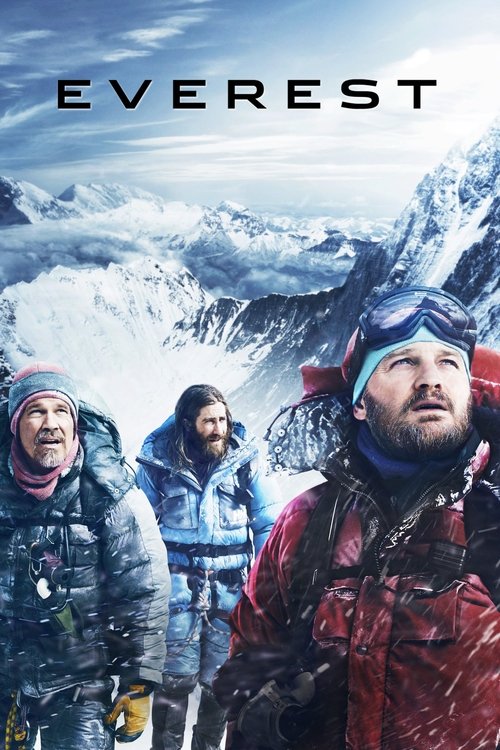
Everest2015
Baltasar Kormákur's ensemble mountaineering film captures the cold and the claustrophobia of extreme altitude. Good performances, genuine stakes, real events handled with respect.
But It's more of an action film than *Society*—swifter, louder. Some scenes feel like climbing-porn rather than examination of suffering.
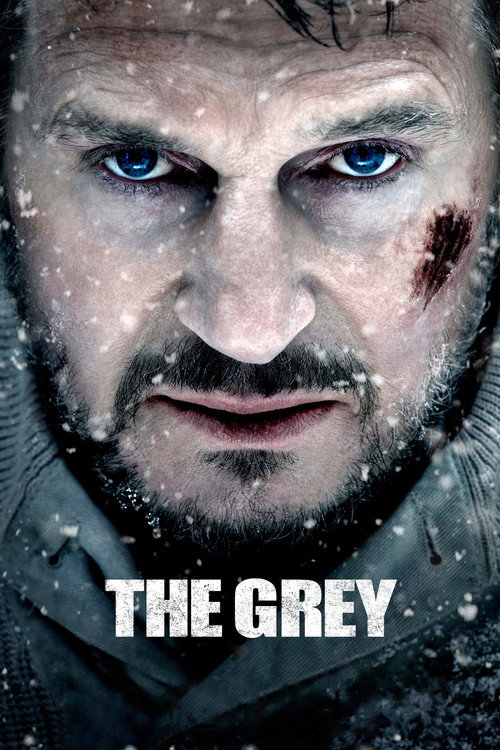
The Grey2011
Carnahan's plane-crash survival film, stripped back and philosophical. Liam Neeson in a rare role that isn't about revenge—it's about whether to keep fighting when the odds are impossible.
But Genre elements (the wolves) pull against the meditative tone. Action-film fans expect payoff; philosophy fans might want less plot.
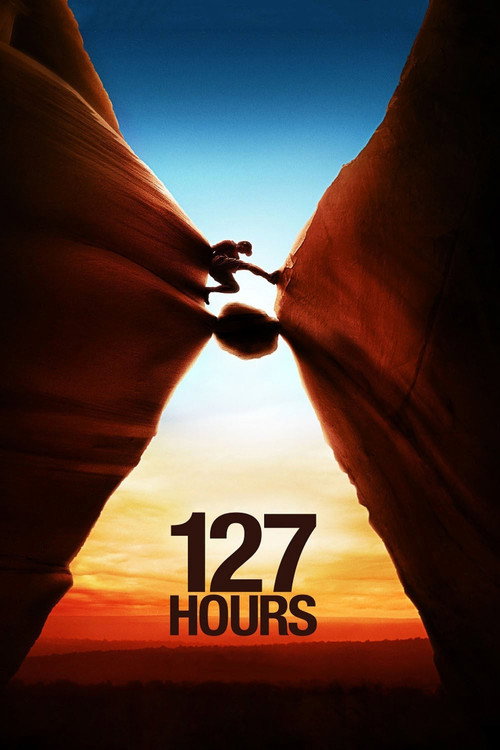
127 Hours2010
James Franco, a boulder, and five days. Boyle's kinetic filmmaking should feel frivolous but instead feels earned—the energy mirrors desperation. Raw and visceral.
But One man, one location. If you need ensemble dynamics or landscape, you won't get them. Some find it claustrophobic in a way that doesn't work.
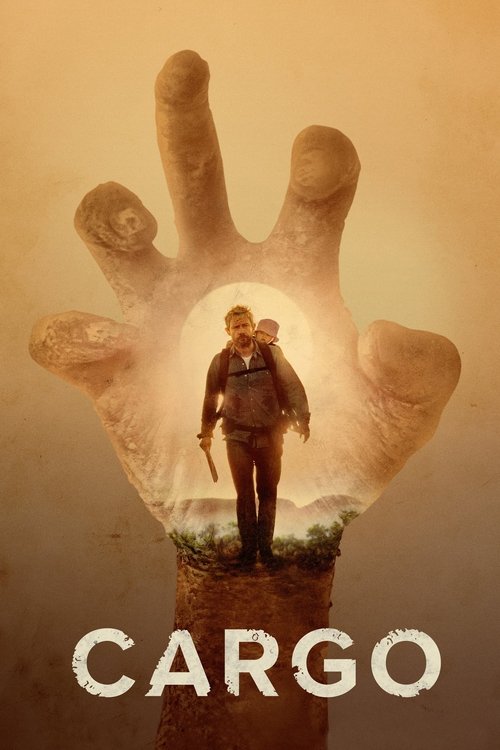
Cargo2017
A Uruguayan film about a cargo ship and a man adrift. Quieter than *Society* but kindred—sparse, meditative, about endurance and the mind under stress. Often overlooked.
But It's slow to a point where slowness is the whole film. Very little happens. Plot is not the point.
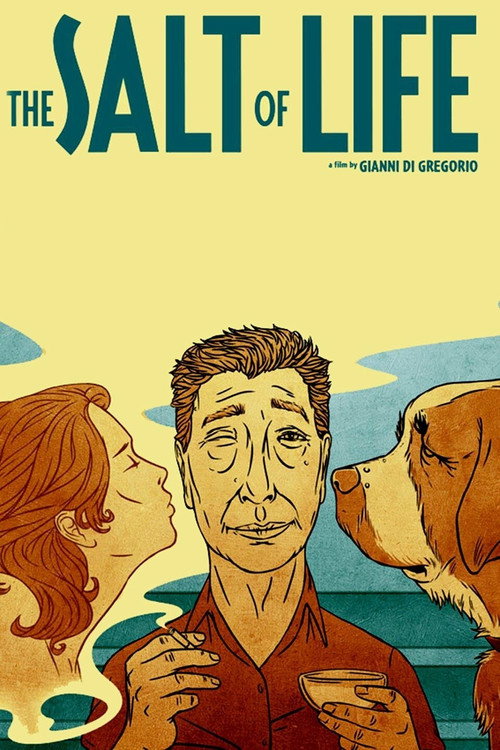
The Salt of Life2011
Paolo Virzi's film about aging, loss, and the life you didn't live. Different in every way except this: it trusts silence and treats its subjects with gravity rather than pity.
But It's an Italian comedy-drama about an old man's romantic life. If you want survival and extremity, you've come to the wrong place.
Come and See1985
Both films trust that witnessing suffering—really witnessing it—is the artistic task. Neither uses spectacle to distance you. Both end in silence.
Elem Klimov's Soviet film about a boy conscripted into war. It is not survival in wilderness—it's survival in human-made atrocity. But it shares *Society*'s refusal to look away, its treatment of suffering as the subject itself, not backdrop.
But It is difficult in ways that have nothing to do with pacing. Graphic violence. The tone is grief, not awe. Some people will find it unwatchable.

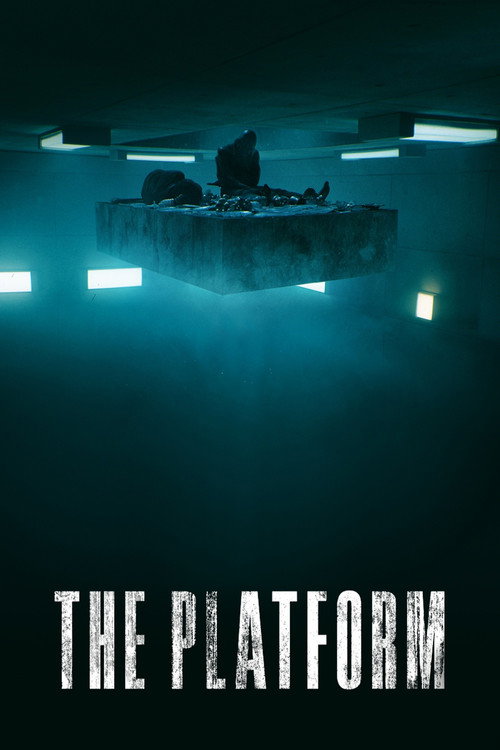
The Platform2019
Both are about what people become when resources run out and hierarchy collapses. Both ask: who gets to eat? Both refuse the comfort of simple answers.
Spanish sci-fi about a vertical prison where food descends through cells. It sounds like genre fun but it's actually *Society* inverted: the horror is not nature but social order, survival not through endurance but through complicity. Extraordinary final act.
But It's surreal and deliberately artificial where *Society* is naturalistic. Brutal in different ways. The metaphor is blunt. Some find the tonal shift unsettling.
People
Cast
 Enzo VogrincicNuma Turcatti
 Agustín PardellaFernando "Nando" Parrado
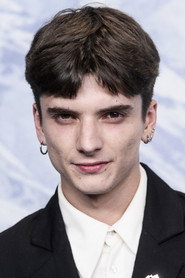 Matías RecaltRoberto Canessa
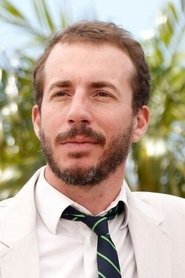 Esteban BigliardiJavier Methol
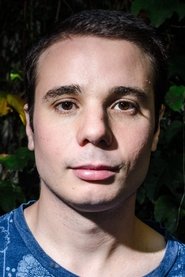 Diego VegezziMarcelo Pérez del Castillo
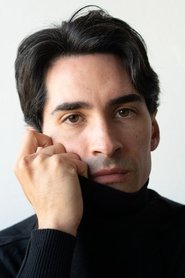 Fernando Contigiani GarcíaArturo Nogueira
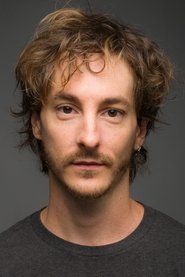 Esteban KukuriczkaAdolfo "Fito" Strauch
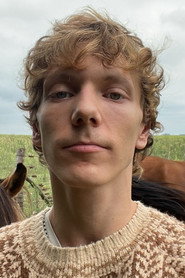 Francisco RomeroDaniel Fernández Strauch
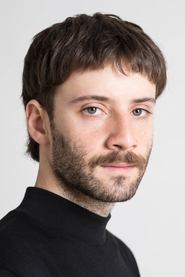 Rafael FedermanEduardo Strauch
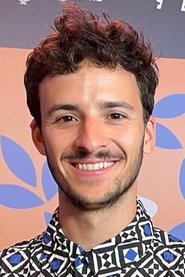 Valentino AlonsoAlfredo "Pancho" Delgado
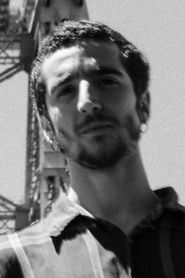 Tomás WolfGustavo Zerbino
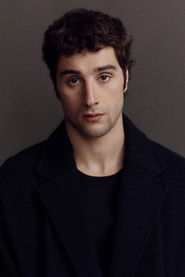 Agustín Della CorteAntonio "Tintin" Vizintín
Directing
- Felipe VillarmarzoAssistant Director
- Hobeko González de ViñaspreAssistant Director
- J. A. BayonaDirector
- Germán ZecchiFirst Assistant Director
- Javier SotoFirst Assistant Director
- Glòria BlanesScript Supervisor
- Anna RuaSecond Assistant Director
- Cynthia RuizSecond Assistant Director
- Emmanuel GranadosSecond Assistant Director
- Florencia NovasSecond Assistant Director
- Gimena BerruttiSecond Assistant Director
- Javier Larry ColsaSecond Assistant Director
- Lucia VanyaSecond Assistant Director
- Pablo AguirreSecond Assistant Director
- Pedro GiambrunoSecond Assistant Director
- Pep Parés FontSecond Assistant Director
- Ricardo DelgadoSecond Assistant Director
- Rodrigo GilsSecond Assistant Director
- Alejandro FadelSecond Unit Director
- Carlos LázaroSecond Unit Director
- Patrick BencomoSecond Unit First Assistant Director
- Yago GarbizuSecond Unit First Assistant Director
- Alba Sabio OchandoThird Assistant Director
- Ana Clara FerrandoThird Assistant Director
- Dèlia CoboThird Assistant Director
- Fernando HervásThird Assistant Director
- María GachoThird Assistant Director
- Marta MerceroThird Assistant Director
- Matías CarvalhoThird Assistant Director
- Mikel García FerreiraThird Assistant Director
- Patricia Martínez RodríguezThird Assistant Director
- Pedro GiambrunoThird Assistant Director
Writing
- Pablo VierciBook
- Bernat VilaplanaScreenplay
- J. A. BayonaScreenplay
- Jaime MarquesScreenplay
- Nicolás Casariego CórdobaScreenplay
Production
- Andrés González DonatoAssistant Production Manager
- Diego Pérez BarreiroAssistant Production Manager
- Juliana GalloAssistant Production Manager
- Lucia MedeyrosAssistant Production Manager
- Maria Noel da CundaAssistant Production Manager
- Mariana Fló DíazAssistant Production Manager
- Vania KonstantinovichAssistant Production Manager
- Pablo VierciAssociate Producer
- Iair SaidCasting
- Javier BraierCasting
- María Laura BerchCasting
- Lilia ScennaExecutive Producer
- Santiago López RodríguezExecutive Producer
- Steve EddyExecutive Producer
- Juan LoveceLine Producer
- Margarita HuguetLine Producer
- Micaela BuyeLine Producer
- Marc CarreresPost Production Coordinator
- Belén AtienzaProducer
- J. A. BayonaProducer
- Philip BolusProducer
- Sandra HermidaProducer
- Jasmina TorbatiProduction Executive
- Federico LopezProduction Manager
- Javi BarbozaProduction Manager
- Raúl GuibertProduction Manager
- Bautista CardiniProduction Runner
- Nacho HeinProduction Runner
- Inés MasProduction Supervisor
- Soledad MartínezProduction Supervisor
- Ernest GualUnit Production Manager
- Ramón CardiniUnit Production Manager
- Rodolfo IriñizUnit Production Manager