
Film
Our Daily Bread
Other titles called Our Daily Bread: the 1934 film.
- Slow-burning
A wordless documentary that films industrial food production across Europe with the aesthetic of an art installation. Massive machines, surreal geometries, strange rhythms—you watch food being born from metal and chemistry. Hypnotic and unsettling in equal measure. For anyone curious about where their dinner actually comes from, or who loves cinema that trusts the image to speak.
Should you watch it?
Watch it if you enjoy silent, observational documentaries that trust images to make the argument, and you don't mind being left alone with a long stretch of machinery and unexplained labour.
Skip it if you want a guiding voice or characters to follow, since the film offers neither interviews nor a narrative thread to hold onto.
What it asks of you: Long, unhurried takes, almost no dialogue, and a patient rhythm; you sit with each shot until its scale and its strange sounds sink in.
Not sure? Find tonight's pick in a minute.
If you liked this
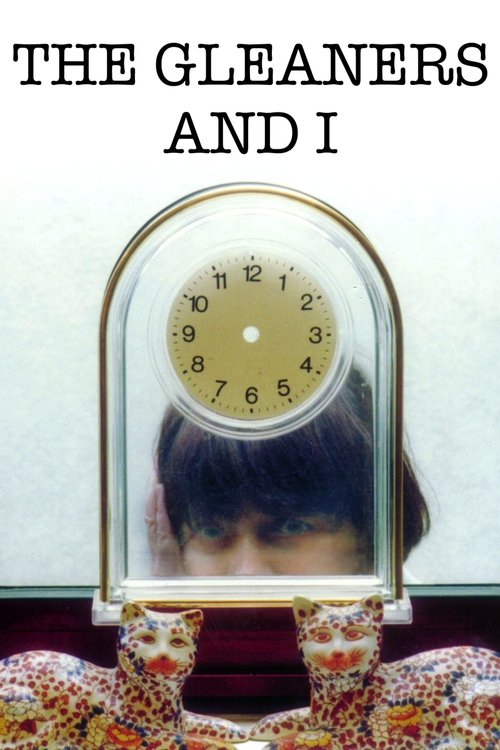
The Gleaners and I2000
Agnès Varda finds poetry and dignity in food waste and forgotten harvests. Playful, generous, shot through with human warmth—a perfect counterpoint to industrial scale, showing us what we discard.
But It moves at its own meditative pace and doesn't build conventional narrative momentum. If you want clear storytelling, this isn't it.
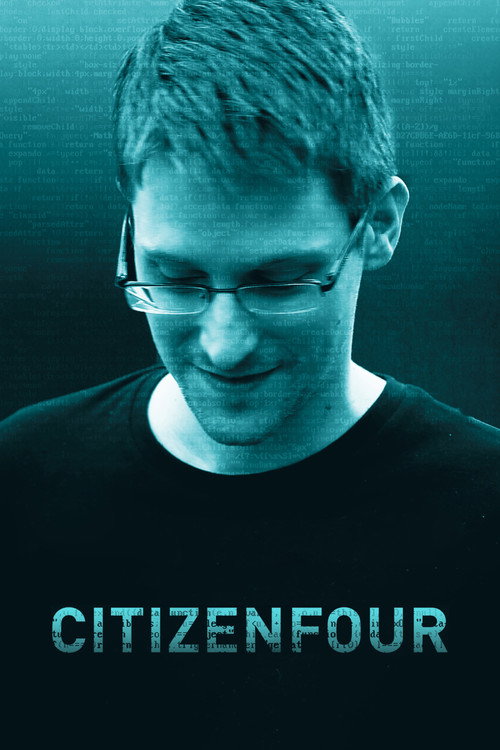
Citizenfour2014
Like Our Daily Bread, it uses visual composition and silence to make the invisible visible. Observational filmmaking that lets systems reveal themselves without commentary. Tense and clarifying.
But It's about surveillance, not food, so the subject matter shift might feel jarring. And it can feel slow if you're expecting dramatic confrontation.
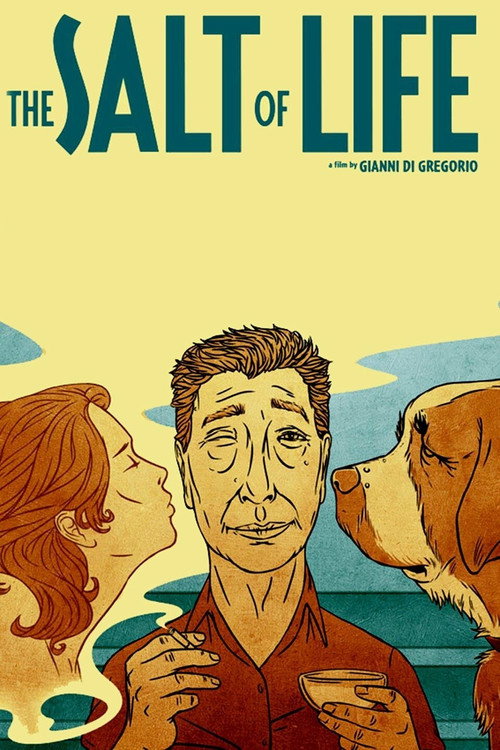
The Salt of Life2011
An essay film about fishing and food production in the Mediterranean—contemplative, visually stunning, similarly wordless or near-wordless. Asks what we owe to the systems that feed us.
But Its pace is glacial. Some viewers find it boring rather than meditative; it depends entirely on your patience for observation.
Not sure tonight? Get a pick in a minute, starting from Our Daily Bread
The wildcard
Something you would not have found on your own.
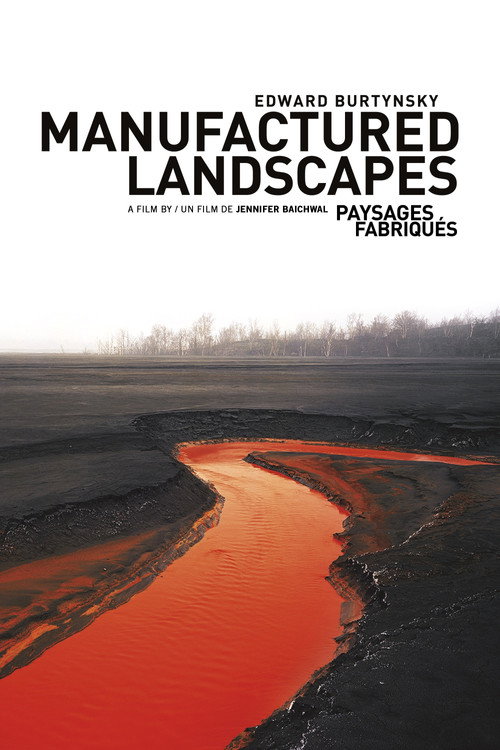
Manufactured Landscapes2006
Both films photograph industrial systems as landscapes, using the camera's geometry to suggest moral inquiry without commentary. Both treat factories as sublime spaces. Released simultaneously in 2006; both changed documentary form.
Shot in the same year as Our Daily Bread, it's a formal cousin: long tracking shots through massive industrial sites in China. Made by photographer Edward Burtynsky. Wordless meditation on scale and transformation. Will completely rewire how you see factories.
But It's about textiles and manufacturing rather than food specifically, so thematically oblique. The geography shift to China and the earlier industrialization phase might feel distant.
More like this (7)
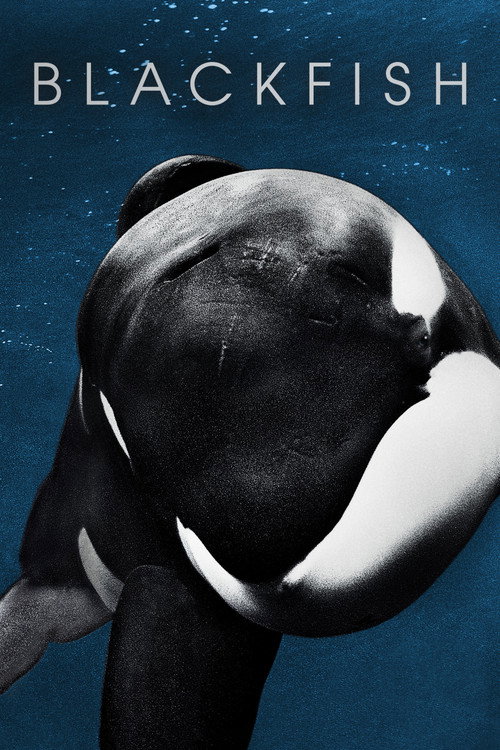
Blackfish2013
Observational filmmaking about complex systems. Builds dread through accumulated fact and image rather than emotional manipulation. Structurally brilliant—you understand the geometry of captivity.
But It's arguable whether it works as activism or just spectacle. Some feel manipulated by its emotional arc despite the cool camera.
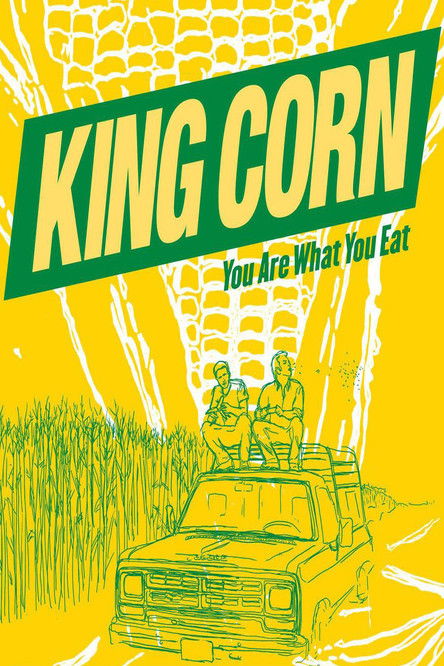
King Corn2007
Two Americans trace a bushel of corn through the industrial food system. Less formally experimental than Our Daily Bread but equally eye-opening about the architecture of what we eat.
But More conversational and explanatory than Our Daily Bread. If you loved the pure visual language of that film, this will feel didactic.
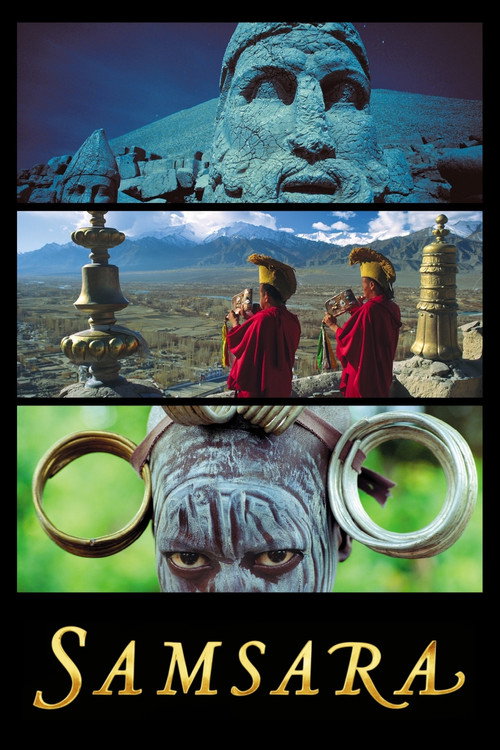
Samsara2011
A visual poem about cycles of life and production. Includes factories and food systems amid broader philosophical questions. Stunning cinematography, hypnotic rhythm, completely wordless.
But At 96 minutes of pure imagery with no narrative spine, it can feel exhausting rather than meditative. Some find it pretentious.
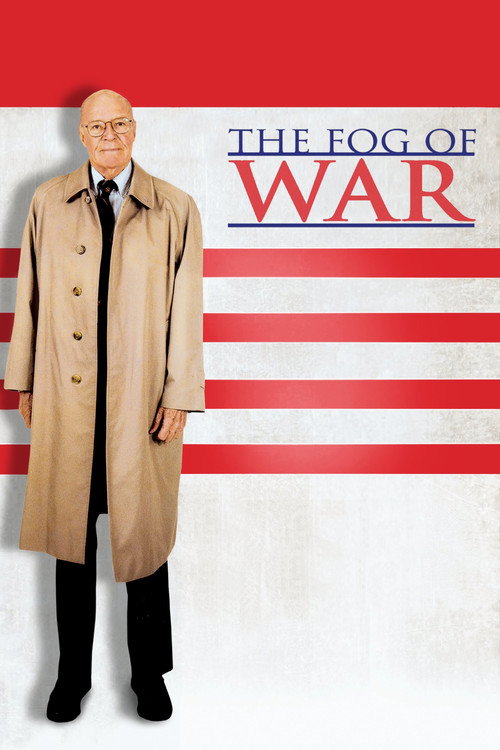
The Fog of War2003
Errol Morris on systems, scale, and moral ambiguity. Not about food, but about how humans organize complex industrial operations and rationalize them. Sharp and troubling.
But It's a talking-heads film with voiceover—the visual opposite of Our Daily Bread's silence. If you want to avoid explanation, skip it.
A Ghost Story2017
Slow cinema about time, consumption, and loss. Formally patient in the way Our Daily Bread is; trusts long takes and silence. Small scale but philosophically vast.
But Deliberately strange and elliptical. Some will find it maddening; it requires real surrender to its rhythm.

Come and See1985
Both are sensory documents of systems that process living things. Both distrust narrative comfort and conventional emotion. Both use repetition and rhythm to create a trance state.
A war film that uses sound design and sensory assault the way Our Daily Bread uses visual rhythm. Both films trust your senses more than your intellect. Haunting and immersive in a way that lingers for weeks.
But It documents atrocity and human cruelty with unflinching intensity. Psychologically brutal in a way that food production, though morally complex, is not. A heavy watch.

Tokyo Story1953
Both films abolish commentary and trusts the viewer's eye. Both use spatial composition and rhythm instead of plot. Both film the ordinary world as if it were worth looking at. Influence runs from Ozu forward to Our Daily Bread.
A complete stylistic departure—warm, human, conversational—but structurally it does what Our Daily Bread does: trusts observation and empty space to reveal character. Ozu's camera sits still. Time moves through it. You pay attention to small things.
But It's about an elderly couple visiting their son, utterly domestic and intimate. If you want political critique or modern aesthetics, you won't find them. Very slow.

People
Cast
- Claus Hansen PetzHimself
- Arkadiusz RydellekHimself
- Tibor KoromHimself
- András SzarvasHimself
Directing
- Maria ArlamovskyAssistant Director
- Nikolaus GeyrhalterDirector
Writing
- Nikolaus GeyrhalterWriter
- Wolfgang WiderhoferWriter
Production
- Markus GlaserProducer
- Michael KitzbergerProducer
- Nikolaus GeyrhalterProducer
- Wolfgang WiderhoferProducer
- Michael KitzbergerProduction Manager