
Film
Terraferma
Terraferma is a Sicilian drama about a fishing family confronting their conscience when migrants wash up on their island. Shot with documentary precision, it's intimate and morally unsettling—less about easy answers than the impossible choices ordinary people face when compassion collides with survival. For anyone interested in how cinema can hold complexity without flinching.
Should you watch it?
Watch it if you like quiet, observational films that let a moral dilemma unfold through ordinary domestic routines, fishing boats and the slow rhythm of a seaside village.
Skip it if you want a clear plot engine or a brisk pace; this is patient, sometimes meandering, and its political point arrives with a fairly heavy hand.
What it asks of you: Under ninety minutes, it moves at the unhurried pace of the sea, with long silences and sun-bleached images that reward patience rather than rushing to explain themselves.
Not sure? Find tonight's pick in a minute.
If you liked this
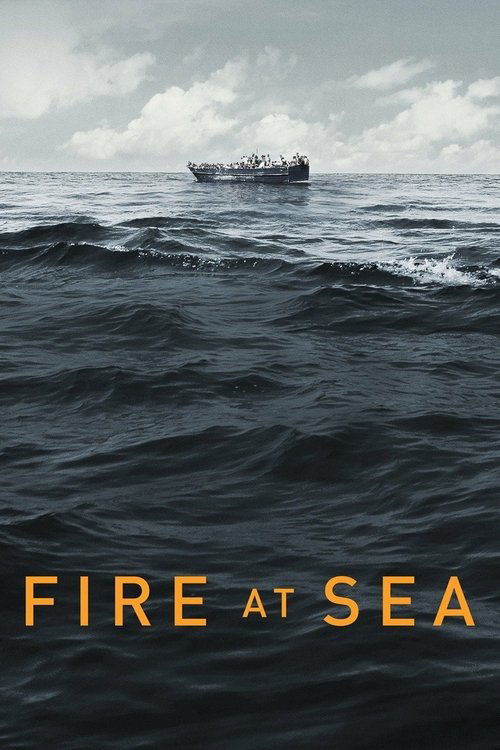
Fire at Sea2016
Gianfranco Rosi's documentary observes life on Lampedusa, the same waters where Terraferma is set, capturing the daily reality of migration with patient, poetic observation that deepens what the fiction raises.
But It's a documentary without voiceover or conventional narrative structure—some find it glacially slow, others find that pace meditative. Requires patience.
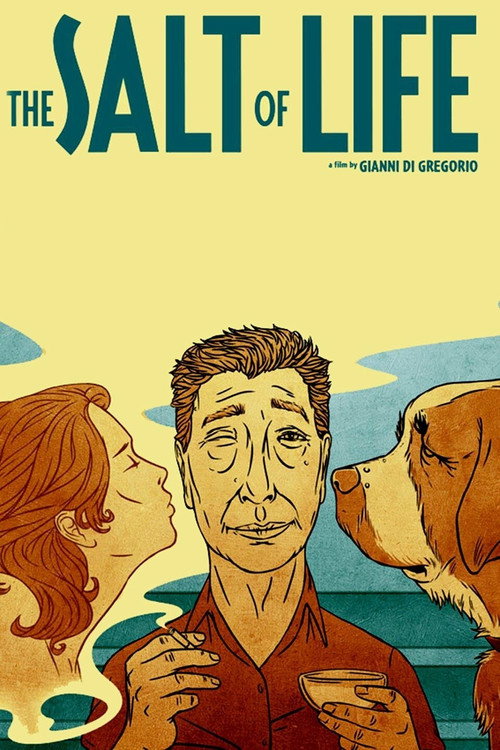
The Salt of Life2011
Paolo Sorrentino's exploration of a Roman family grappling with legacy, mortality and what they owe each other has the same precise emotional temperature: intimate, slightly austere, refusing sentiment.
But Character-driven and contemplative rather than plot-driven. The pacing is deliberate. If you need momentum, this will feel like watching paint dry.
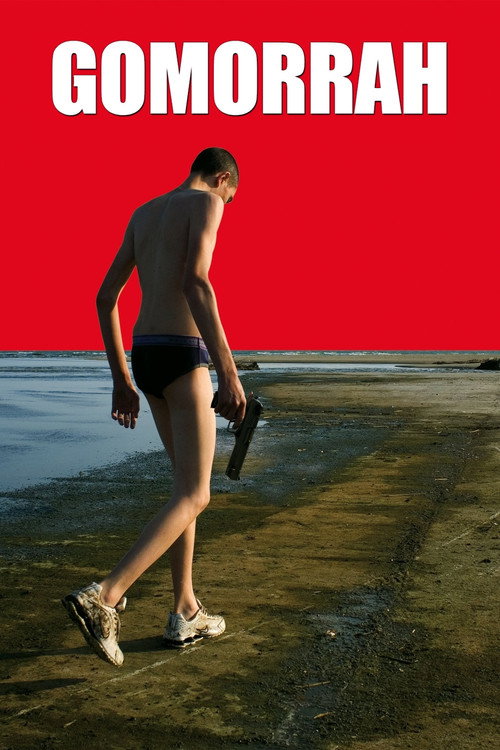
Gomorrah2008
Matteo Garrone's (Terraferma's director) Naples is suffocating and systemic—he shows how ordinary people are trapped by circumstances larger than themselves, with the same unflinching eye he brings to Sicily.
But It's bleaker and more violent than Terraferma, set in organized crime rather than migration. The bleakness can feel relentless if you're not in the mood.
Not sure tonight? Get a pick in a minute, starting from Terraferma
The wildcard
Something you would not have found on your own.
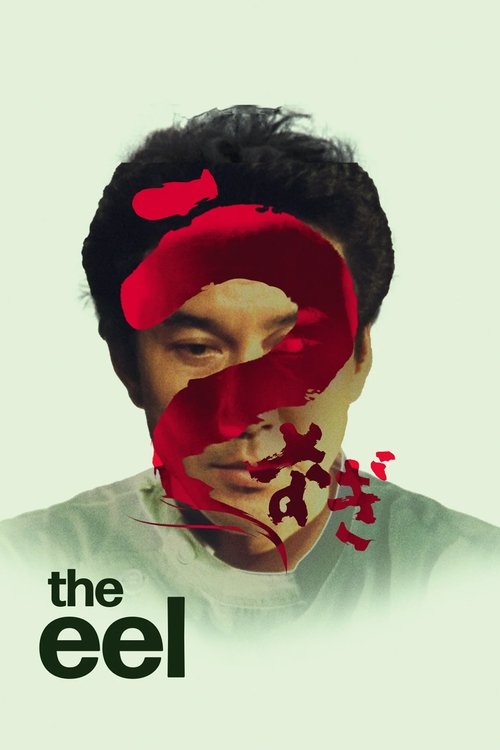
The Eel1997
Both films use a specific place—an island, a river—as a character that shapes every moral decision. Outsiders arrive; locals must choose. Both refuse easy judgment about who deserves what.
Shohei Imamitsu's film about a man released from prison trying to rebuild his life in a small riverside community—structured like Terraferma but set in Japan, with the same attention to how geography and work structure identity and redemption.
But Japanese cinema from the 90s has a different rhythm and emotional register. Some viewers find it alienating; it requires openness to a completely different film language.
More like this (8)
A Prophet2009
Jacques Audiard follows a young man inside a prison system that remakes him. Like Terraferma, it's about how institutions and circumstance shape moral choices, shot with documentary-like authenticity.
But It's two and a half hours in a claustrophobic setting. Some find the pacing glacial; others find sustained exposure to the protagonist's isolation exhausting.

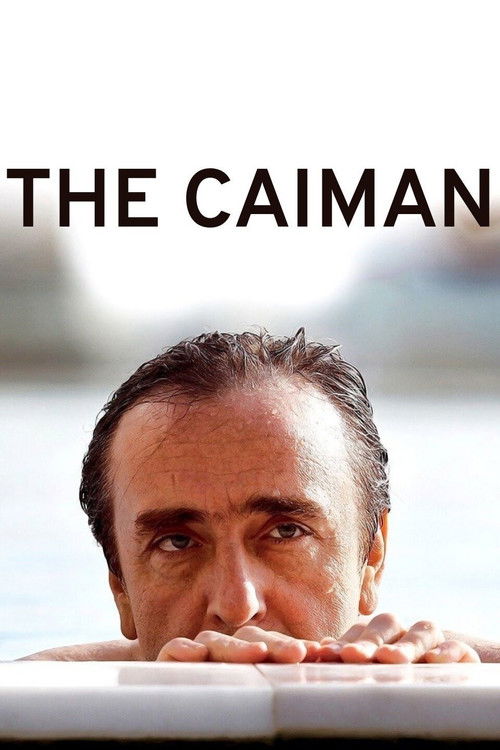
The Caiman2006
Nanni Moretti's tragicomedy about a failed film director trying to make a comeback is Italian cinema at its most self-aware and compassionate about human weakness and delusion.
But It's very Italian and very insider—if you don't know Italian cinema politics, entire layers of satire will pass you by. Can feel indulgent.
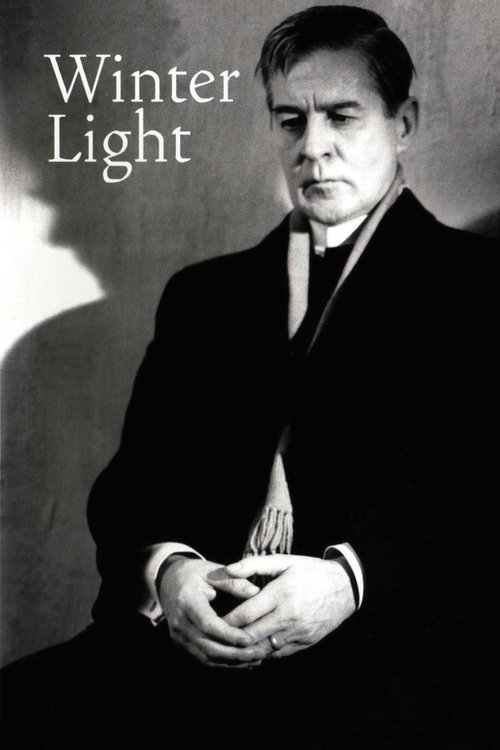
Winter Light1963
Bergman's priest confronting faith and responsibility in a small Swedish parish has the same moral urgency as Terraferma: what do we owe each other when we're all struggling?
But It's a 1963 Swedish metaphysical drama in black and white. If you're not already tuned to Bergman's frequency, it can feel austere to the point of impenetrability.
Bicycle Thieves1948
The Rossellini blueprint: a working-class father and son navigating postwar Rome. Compassionate and unsentimental about poverty, dignity, and the small moral compromises necessity demands.
But It's neorealist cinema—deliberately unfancy, shot on streets with non-professional actors. If you need visual polish or conventional narrative, it can seem dated or slow.

Another Year2010
Mike Leigh's portrait of a stable couple and the various ways their friends and relatives unravel around them—quiet, observant, and uncomfortable in how it refuses to judge.
But Nothing much happens in a conventional sense. It's essentially eavesdropping on other people's unhappiness. Some find that realistic; others find it depressing without payoff.

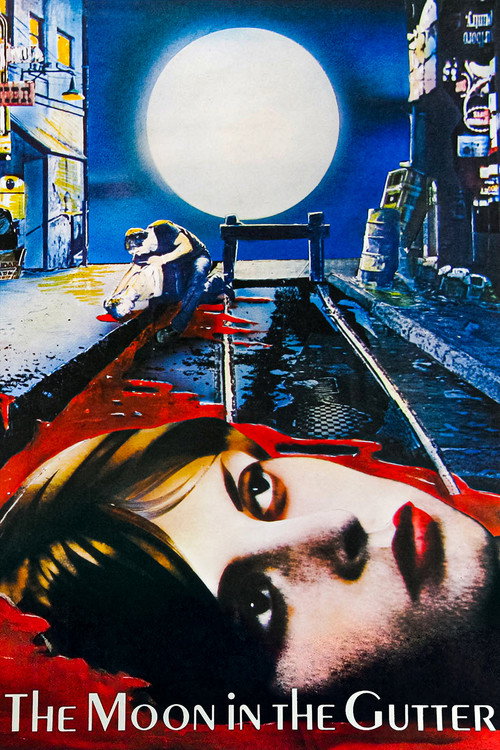
The Moon in the Gutter1983
Jean-Jacques Beineix's visual poem about a dockworker in a decaying port town—stylized and strange, but shares Terraferma's attention to what it means to live in a place shaped by work and water.
But It's baroque and dreamlike rather than realistic, deliberately obscure in plot. The style can overwhelm substance if you're not invested in pure cinema.
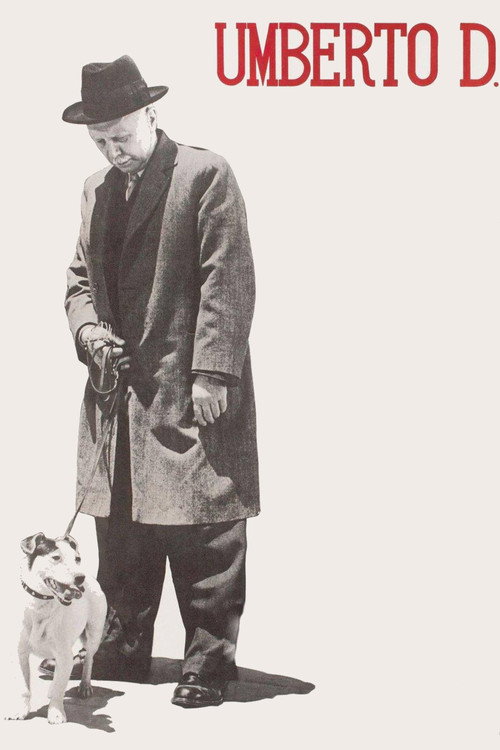
Umberto D.1952
Both are about people with nothing, forced to choose between survival and conscience. No villains, just systems that grind people down. Both insist you watch and reckon with that.
De Sica's elderly pensioner and his dog searching for a room in postwar Rome is neorealism at its most devastating—about dignity in precarity, shot with the same patient, unsentimental eye as Terraferma.
But It's a 70-year-old Italian film in black and white about an old man's daily humiliations. If you need plot momentum or conventional emotional catharsis, this will feel like a slow exercise in despair.
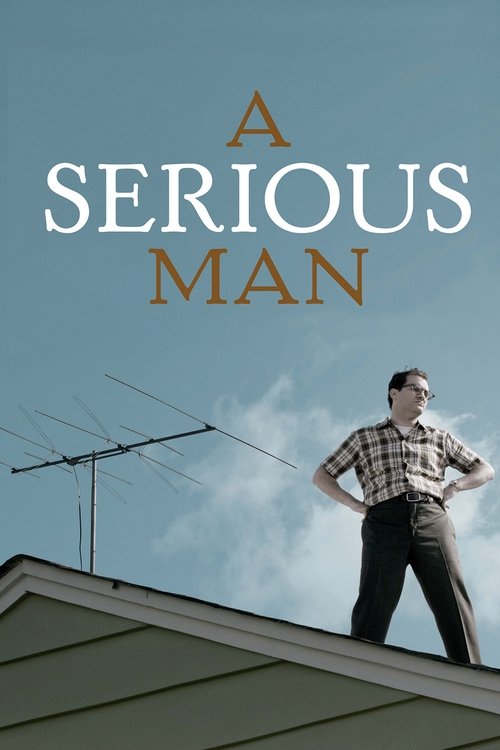
A Serious Man2009
Both films refuse to let you off the hook with simple answers. A decent man faces impossible choices. Both suggest that decency itself might not be enough—and neither flinches from that thought.
The Coen Brothers' suburban Job—a man subjected to accumulating absurd trials that shatter his orderly life. It's about moral confusion and the gap between what we think we deserve and what we get, wrapped in dark comedy.
But It's funny in a corrosive way. The Coens offer no resolution or comfort; some find that liberating, others find it nihilistic and pointless. Very American, very mid-2000s.
People
Cast
 Filippo PucilloFilippo
 Donatella FinocchiaroGiulietta
 Mimmo CuticchioErnesto
 Tiziana LodatoMaria
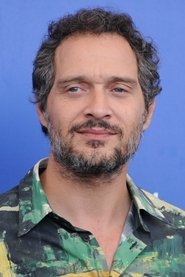 Claudio SantamariaFinanziere
 Martina CodecasaMaura
 Filippo ScarafiaMarco
- Timnit T.Sara
 Pierpaolo SpollonStefano
- Lois ClotteyBimba Sara
Directing
- Emiliano TorresAssistant Director
- Stéfano RuggeriAssistant Director
- Emanuele CrialeseDirector
- Lucille CristaldiScript Supervisor
- Vincenzo RosaSecond Assistant Director
Writing
- Emanuele CrialeseIdea
- Vittorio MoroniIdea
- Christian CastagnoLyricist
- Daniel BlumenfeldtLyricist
- Irka MateoLyricist
- Emanuele CrialeseScreenplay
- Vittorio MoroniScreenplay
- Emanuele CrialeseStory
- Vittorio MoroniStory
- Emanuele CrialeseWriter
- Vittorio MoroniWriter
Production
- Antonia TammaroAccountant
- Marco MatteiAccountant
- Nicola Di TerlizziAssistant Location Manager
- Federica CinquepalmiAssistant Production Coordinator
- Valentino Lo CascioAssistant Production Manager
- Ugo PolizziCasting
- Chiara AgnelloCasting Director
- Fabio Massimo CacciatoriCo-Producer
- Franco BevioneCo-Producer
- Erica NegriDevelopment Producer
- Matteo De LaurentiisExecutive Producer
- Maurilio ManganoExtras Casting Assistant
- Clemence ForestierFinance
- Christian PeritoreLocation Manager
- Fabio ConversiProducer
- Giovanni StabiliniProducer
- Marco ChimenzProducer
- Riccardo TozziProducer
- Claudia CroceProduction Assistant
- Fabio Massimo CacciatoriProduction Assistant
- Francesca Romana MianiProduction Assistant
- Franco BevioneProduction Assistant
- Giuseppe La RussaProduction Assistant
- Christian GiulianiProduction Coordinator
- Silvia PolatoProduction Coordinator
- Federico FotiProduction Director
- Simone SterpettiProduction Director
- Joshua BermanProduction Supervisor
- Martin MarquetPublicist