
Film
The Caiman
A washed-up Italian B-movie producer pitches a satirical screenplay about Silvio Berlusconi to state television, navigating bureaucracy, ego, and the question of whether art can exist in a compromised system. Darkly comic and tender, it's a film about creative ambition colliding with power. For anyone who's watched institutions betray their purpose.
Should you watch it?
Watch it if you enjoy satire that mixes sharp political jabs with a backstage story, and you're happy watching a filmmaker argue with himself about what a movie should say.
Skip it if you want a fast, clear plot, or you know little of Italian politics, since much of the humour depends on that backdrop and the pace drifts through talky stretches.
What it asks of you: Expect nearly two hours that shift between a production office, a film set and a satirical film-within-a-film, so it asks for patience and steady attention.
Not sure? Find tonight's pick in a minute.
If you liked this
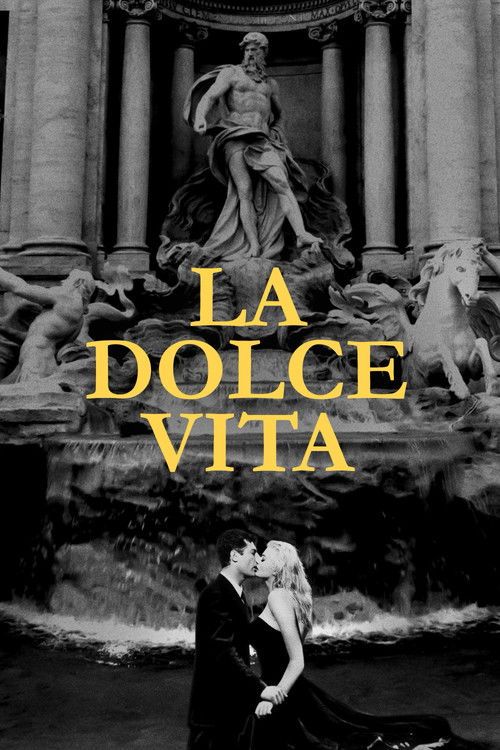
La Dolce Vita1960
Fellini's portrait of Rome's elite captures the same milieu of spectacle, corruption, and hollow glamour that Bonomo is trying to film. Essential context for understanding what Italian cinema used to be.
But At 170 minutes and deeply episodic, it demands patience. The satire is subtle in places, which can feel slow if you want clear targets.
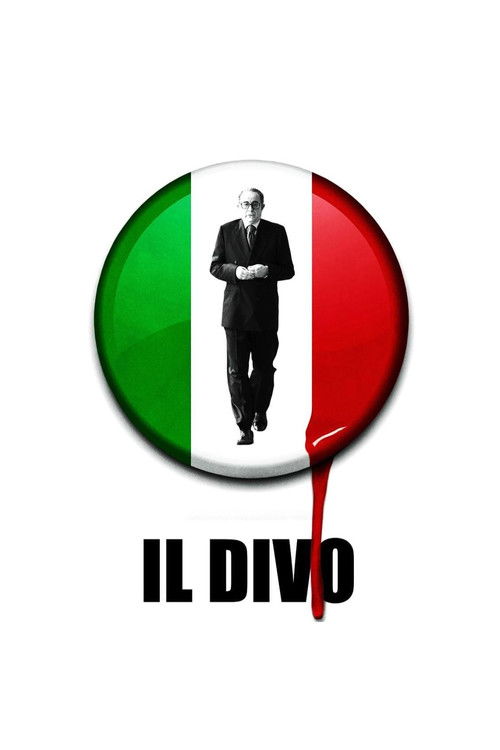
Il Divo2008
Paolo Sorrentino's savage portrait of Prime Minister Giulio Andreotti shows how Italian cinema dissects power and complicity. Similar sensibility to The Caiman, sharper edges.
But Deliberately impenetrable in places—Sorrentino assumes you know Italian political history. The narrative sprawls rather than resolves.
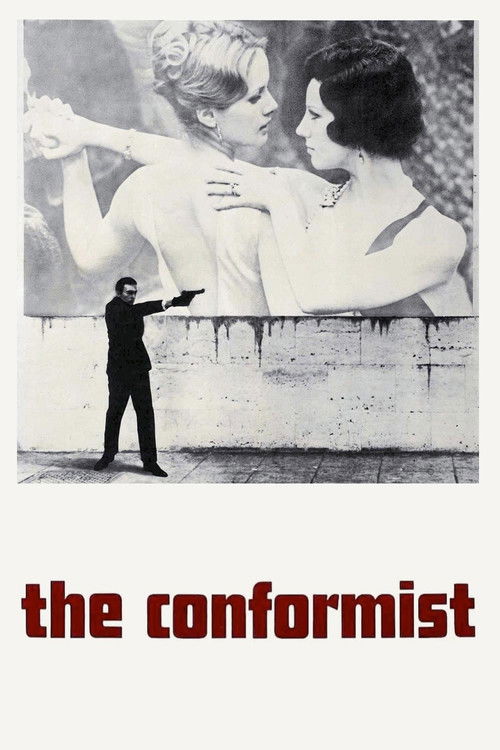
The Conformist1971
Bertolucci's investigation of how ordinary people enable fascism feels like spiritual ancestor to The Caiman's theme: complicity dressed as pragmatism. Visually hypnotic.
But Glacially paced and intellectually demanding. If you want plot momentum, you won't find it here.
Not sure tonight? Get a pick in a minute, starting from The Caiman
The wildcard
Something you would not have found on your own.
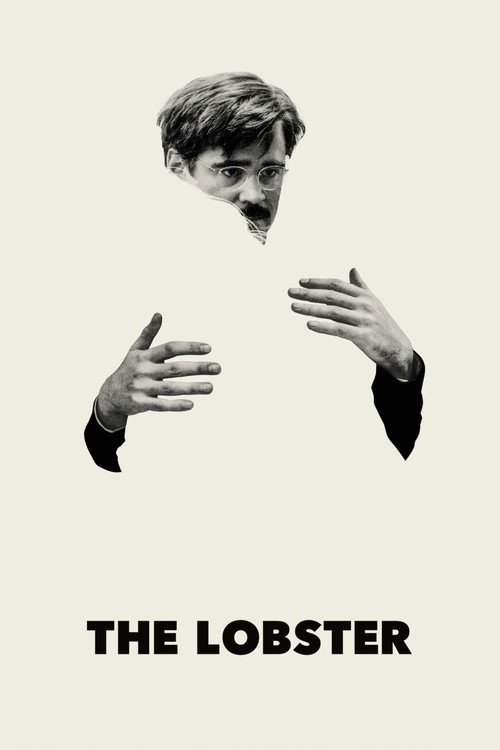
The Lobster2015
Both films use institutional logic pushed to breaking point as a way to examine what happens when systems stop serving human needs. The Lobster does it through pure fable; The Caiman does it through bureaucratic realism. Same engine, opposite temperatures.
Yorgos Lanthimos creates a dystopia where single people must find mates or be turned into animals—absurdist satire about conformity and institutions that mirrors Bonomo's predicament. Same dark logic, total tonal reinvention.
But Surreal to the point of alienation. If you need emotional realism underneath the concept, this offers none. Deliberately off-putting.
More like this (8)
Bitter Lake2015
Adam Curtis's documentary essay about how power manufactures consensus. Structurally unorthodox and genuinely disorienting—what happens when you can't trust what you're seeing.
But Curtis's voice-over philosophy can feel portentous. The editing is deliberately confusing, which some find brilliant and others find gimmicky.
The Dinner Game1998
Veber's comedy about humiliation and class operates in similar satirical territory, probing how we perform for each other. Wickedly funny without losing its humanity.
But The French version may feel slight compared to Caiman's gravitas. It's a comedy first, which some will prefer and others will dismiss.
Accattone1961
Pasolini's neorealist study of Rome's margins captures the underbelly of Italian life with unflinching tenderness. Shows what committed cinema looks like.
But Sexually explicit and deeply tragic. The pacing is meditative to the point of stasis. Not contemporary in feeling.
Toni Erdmann2016
Maren Ade's comedy-drama about a father and daughter explores performance, authenticity, and whether connection survives in an instrumental world. Similar emotional intelligence.
But Two hours forty minutes of subtle humor. If you prefer jokes to arrive clearly, this will feel like it's always one beat away from anything.

Gomorra: La Serie2014
Matteo Garrone's series about Naples organized crime shows Italian storytelling at its most muscular. Gritty, politically engaged, and formally innovative.
But Violently bleak. The plotting doesn't always pay off narratively, which some find ruthlessly honest and others find frustrating.
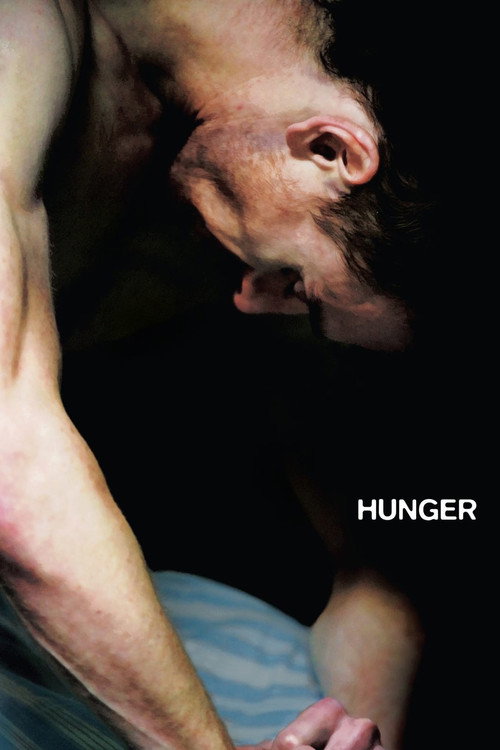
Hunger2008
Steve McQueen's film about a 1981 hunger strike is about resistance within systems that can't be escaped. Shares Caiman's meditation on what resistance costs.
But Extremely austere. Long sequences with minimal dialogue or music. The final act is physically difficult to watch.
Contempt1963
Both center on a creative person trying to make serious work inside a system designed to prevent it. Both end with the artist compromised or defeated. Godard asked the question in 1963; Caiman shows what's happened since.
Godard's film about a marriage dissolving during the making of a Greek epic is the ultimate film about filmmaking and the corruption of art. Shot in Technicolor glory; heartbreaking and intellectually savage.
But Godard's style is deliberately alienating—long takes, philosophical detours, formal games. If you want drama to feel like drama, this actively resists that.

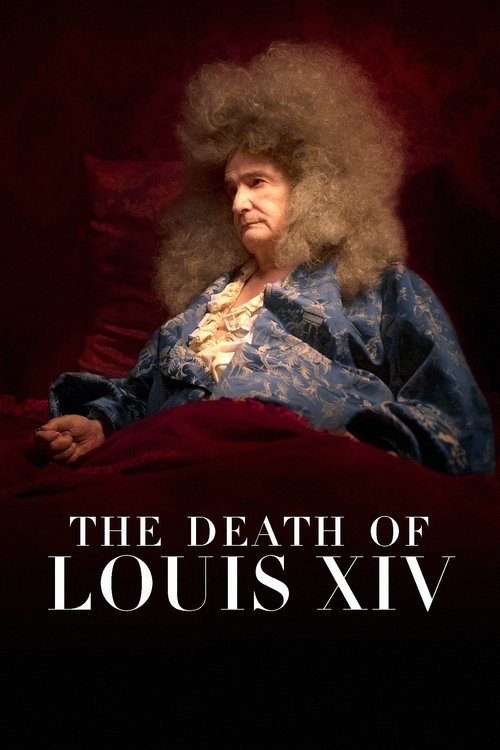
The Death of Louis XIV2016
Both films are about men confronting the end of their authority. Caiman shows Bonomo trying to make one last thing matter; Louis XIV shows what happens when you can't. Different eras, same reckoning with irrelevance.
Albert Serra's film is just an old man dying in real time, with 17th-century dialogue and almost no plot. It sounds like torture and somehow becomes profound—a meditation on power, legacy, and letting go.
But Forty-five minutes of a man in bed. The language is archaic and the pacing is ceremonial. Requires active surrender to its pace.
People
Cast
 Silvio OrlandoBruno Bonomo
 Margherita BuyPaola Bonomo
 Jasmine TrincaTeresa
 Michele PlacidoMarco Pulici
 Antonello GrimaldiDirettore di produzione
 Elio De CapitaniSilvio Berlusconi
 Paolo Sorrentinoil marito di Aidra in "Cataratte"
 Paolo Virzìdirigente Maoista in "Cataratte"
 Giuliano MontaldoFranco Caspio
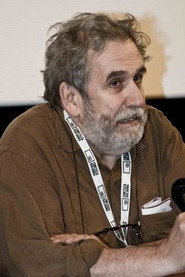 Tatti SanguinetiBeppe Savonese, critico cinematografico
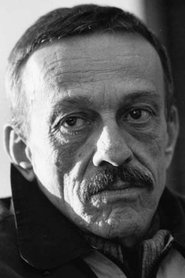 Toni BertorelliIndro Montanelli
- Lucia AricòMarika la sceneggiatrice
Directing
- Nanni MorettiDirector
- Loredana ConteFirst Assistant Director
Writing
- Federica PontremoliScreenplay
- Francesco PiccoloScreenplay
- Nanni MorettiScreenplay
- Heidrun SchleefStory
- Nanni MorettiStory
Production
- Gianfranco BarbagalloLine Producer
- Angelo BarbagalloProducer
- Nanni MorettiProducer
- Stefano BenappiProduction Manager