
Film
The Moon in the Gutter
Jean-Jacques Beineix's 1983 fever dream about a Marseille docker spiralling through grief and revenge, obsessed with finding his sister's killer. It's visually baroque—neon-soaked, deliberately artificial, drowning in mood. A noir that feels more like a nightmare than a story. For those who want cinema as pure atmosphere and emotion over plot clarity.
Should you watch it?
Watch it if you like a story told through texture, where rain-slick docks, smoky rooms and a wounded man's brooding carry as much weight as who did what to whom.
Skip it if you need a tight, fast plot, because this one drifts through long stretches of mood and tangled motives, and its slower passages can feel slack.
What it asks of you: Settle in for a long, sultry haul of 138 minutes where the pace is deliberately slow and the mood stays bruised, sweaty and melancholy throughout.
Not sure? Find tonight's pick in a minute.
If you liked this
Under the Skin2014
Haunting science-fiction that uses mood and visual language instead of exposition to convey meaning. Like Gutter, it's hypnotic and strange, asking you to feel rather than follow.
But The pacing is glacial and deliberately alienating. If you need clarity and forward momentum, you'll find it exhausting.

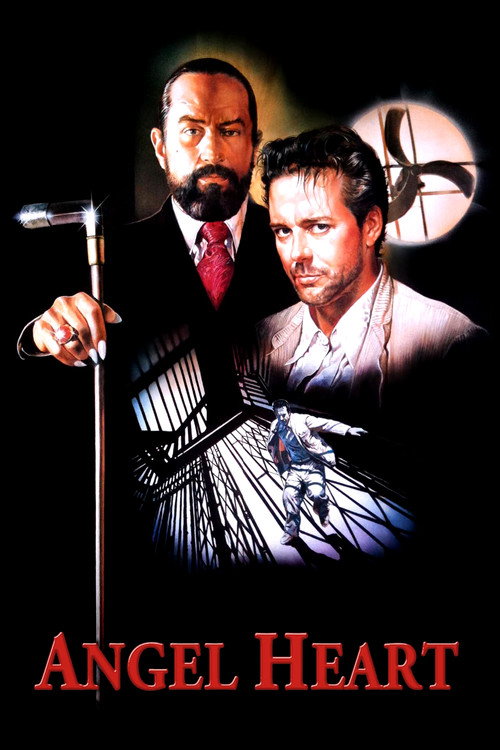
Angel Heart1987
A dockside noir-thriller soaked in decay and sexuality, with a protagonist unravelling as he chases a mystery. It has Gutter's dark sensuality and mounting dread.
But The twist ending divides people sharply, and the film's treatment of its female characters feels dated and uncomfortable now.
Possession1981
Andrzej Żuławski's baroque nightmare about a marriage collapsing into surrealism. Same era, same commitment to style over sense, same willingness to confuse and disturb.
But It's genuinely bewildering and grotesque. The practical effects are deliberately ugly, and the relationship dynamics are deeply unpleasant to watch.

Not sure tonight? Get a pick in a minute, starting from The Moon in the Gutter
The wildcard
Something you would not have found on your own.
Stalker1979
Both films use obsession as their engine and refuse to make it rational or heroic. Both drown their protagonists in environments—urban decay or alien landscape—that mirror their internal unravelling.
Andrei Tarkovsky's science-fiction meditation on obsession and desire in a crumbling landscape. A man guides others through a forbidden zone toward a room that grants wishes. Like Gutter, it's a descent into atmosphere and the psychology of wanting something you can't have—but it operates in sci-fi rather than crime, and at a completely different tempo.
But It's 163 minutes of slow, philosophical cinema. If you're seeking plot or action, you'll be bewildered and bored. Requires active surrender.

More like this (8)
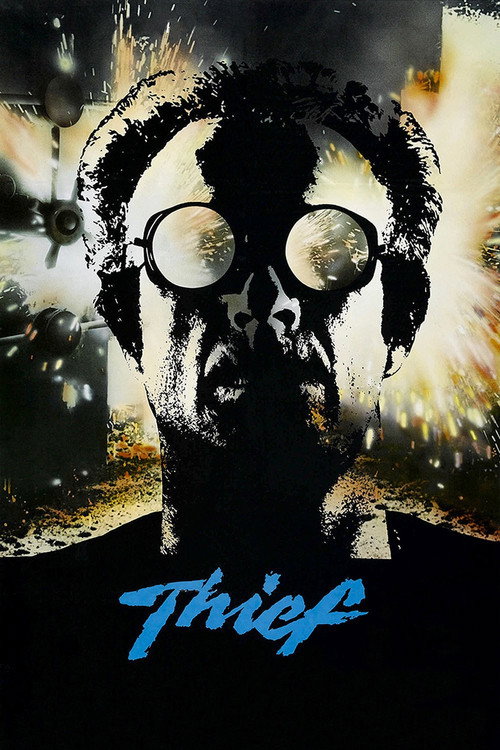
Thief1981
Michael Mann's neon-soaked crime drama about a man trying to escape his world. Stylish, moody, and driven by an excellent performance from James Caan. That same obsessive desperation.
But The plot is fairly straightforward heist-movie stuff. If you want narrative complexity, you won't find it here.
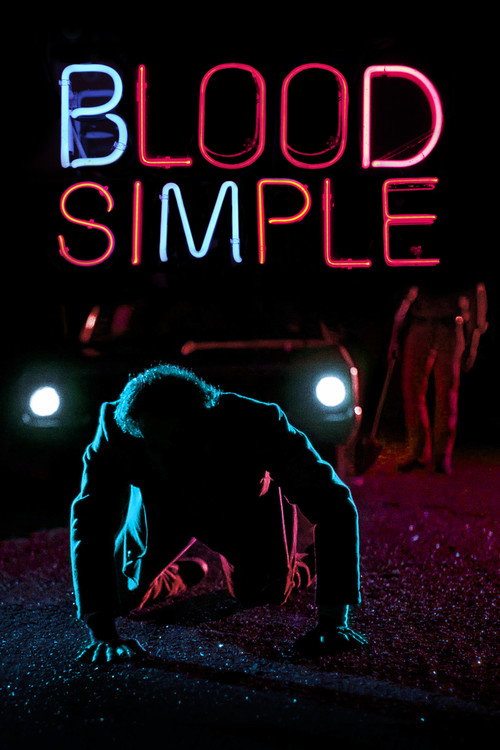
Blood Simple1985
The Coen Brothers' debut: a Texas noir about jealousy and murder spiralling into chaos. It shares Gutter's sense of fatalism and visual precision, but with tighter storytelling.
But It's deliberately cold and detached. You won't find much warmth or character development—it's all machinery and doom.
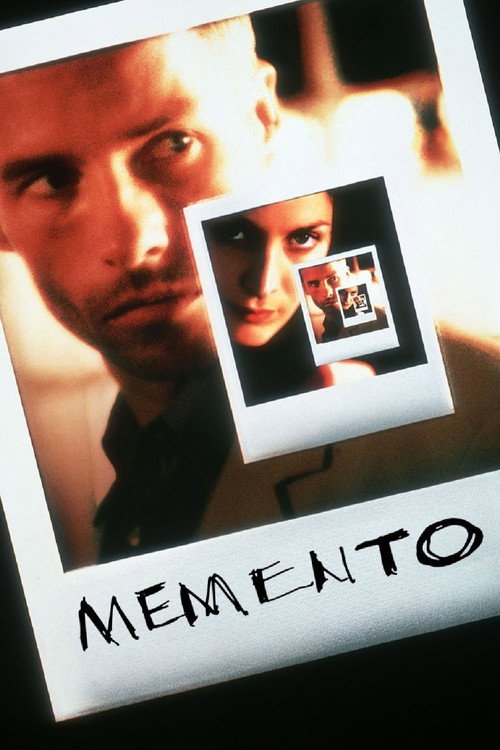
Memento2000
Christopher Nolan's revenge thriller about a man pursuing his sister's killer through fragmented memory. The obsession and grief echo Gutter, though with more structural ingenuity.
But The gimmick (reverse chronology) can feel like a trick that overshadows the emotional core. Some find it clever rather than moving.
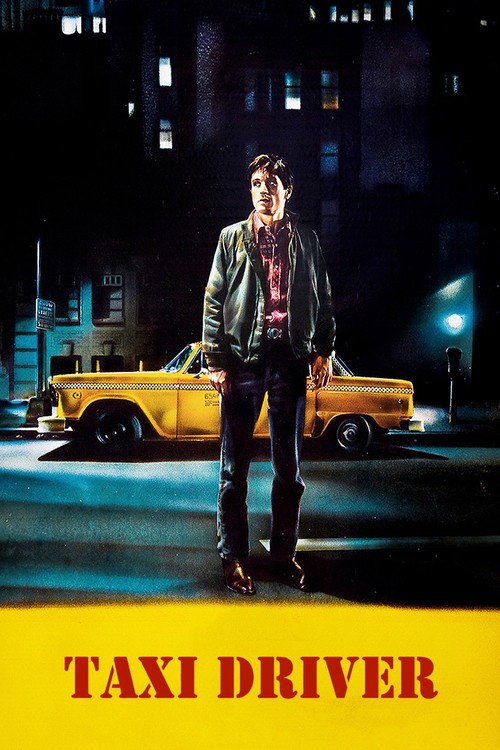
Taxi Driver1976
Scorsese's portrait of a man descending into violent obsession in a neon-lit city. The psychological unravelling and atmosphere of rot are spiritual ancestors to Gutter.
But It's relentlessly bleak and the protagonist is deeply unlikeable. The violence, when it comes, is shocking and distressing.
Mulholland Drive2001
David Lynch's Los Angeles nightmare where dream and reality collapse into each other. It has Gutter's baroque sensuality and commitment to mood over coherence.
But It's fragmented and cryptic to the point of frustration. Three hours and you still won't know what happened, and that might feel like a waste.

In the Mood for Love2000
Wong Kar-wai's visually intoxicating film about two neighbours discovering their spouses' affair. Like Gutter, it's style as substance, drowning in colour and longing.
But The plot barely moves and the characters rarely speak. If you need narrative momentum or dialogue, this will feel unbearably static.

Climax2018
Both are sensory onslaughts that use colour, music, and visual excess to communicate emotional chaos. Both present descent rather than narrative arc. Both ask you to endure rather than enjoy.
Gaspar Noé's hallucinogenic nightmare about dancers whose sangria is spiked with LSD. It starts as a stylish dance film and becomes a descent into hell. Like Gutter, it's visually intoxicating and commits completely to mood and transgression over comfort.
But The second half is genuinely difficult to watch—graphic violence and disturbing content. It's made to provoke and unsettle, and it succeeds without mercy.

The Third Man1949
Both are about men pursuing a mystery through corruption that ultimately leads inward—to their own complicity and the impossibility of escape. Both use the city as a character, and both suggest that some wounds can't be avenged, only endured.
Carol Reed's post-war Vienna noir about a man searching for his missing friend in a corrupt, shadowy city. It's the template for all urban decay crime films—atmospheric, perfectly composed, with moral corruption as deep as the sewers beneath the city.
But It's a British film from 1949, which means its pacing and emotional register feel measured compared to modern cinema. Takes patience to settle into.

People
Cast
 Gérard DepardieuGérard Delmas, docker haunted by his sister's suicide
 Nastassja KinskiLoretta Channing, uptown Girl
 Victoria AbrilBella, Gérard's possessive mistress
 Bertice ReadingLola

 Dominique PinonFrank, Gérard's alcoholic brother
 Milena VukotićFrieda, aging prostitute
 Vittorio MezzogiornoNewton Channing, Loretta's drifting brother

 Bernard FarcyJésus
 Katya BergerCatherine
 Guido AlbertiGuardian of the cathedral
Directing
- Jean-Jacques BeineixDirector
Writing
- David GoodisNovel
- Jean-Jacques BeineixScreenplay
- Olivier MergaultScreenplay
Production
- Dominique BesnehardCasting
- Hubert NiogretLine Producer
- Lise FayolleProducer
- Luciano BalducciProduction Manager