
Film
Foul Play
Foul Play is a 1978 romantic comedy-thriller that treats genre conventions like a playground. Goldie Hawn and Chevy Chase charm their way through a labyrinthine murder plot involving nuns, dwarves, and albinos, with the mystery taking cheerful backseat to the delight of watching two charismatic people fall in love while everything around them spirals into beautiful absurdity. It's a film that trusts its leads and its audience equally.
Should you watch it?
Watch it if you love screwball romance wrapped around a Hitchcockian chase, where the banter between two mismatched leads matters as much as the plot.
Skip it if you want a tight, grounded thriller; this one is looser, sillier and happy to stop its suspense for a gag, and its treatment of its oddball characters feels dated.
What it asks of you: Roughly two hours at a comfortable, unhurried pace, with the thriller strand moving in fits between long comic set-pieces, so settle in rather than expecting taut momentum.
Not sure? Find tonight's pick in a minute.
If you liked this
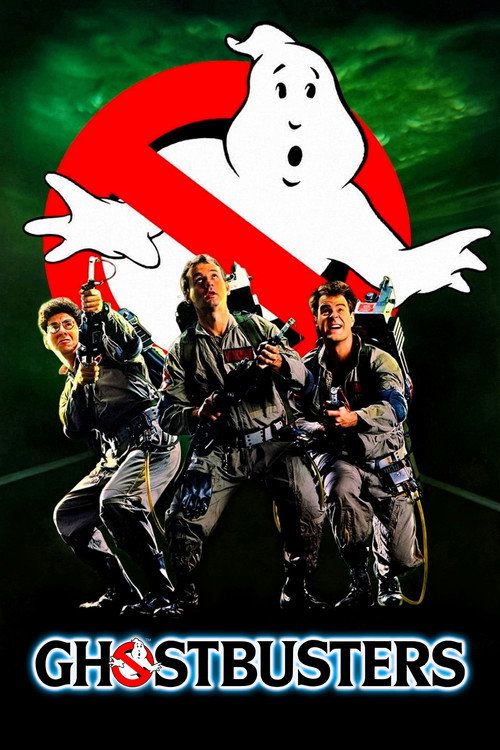
Ghostbusters1984
Shares Foul Play's gift for balancing genuine thrills with comedy so assured it never winks at the audience. Murray, Aykroyd, and Ramis have the same chemistry-first approach that makes Hawn and Chase work.
But The special effects have aged more visibly than you'd hope, and the pace occasionally stalls when a set piece runs long.
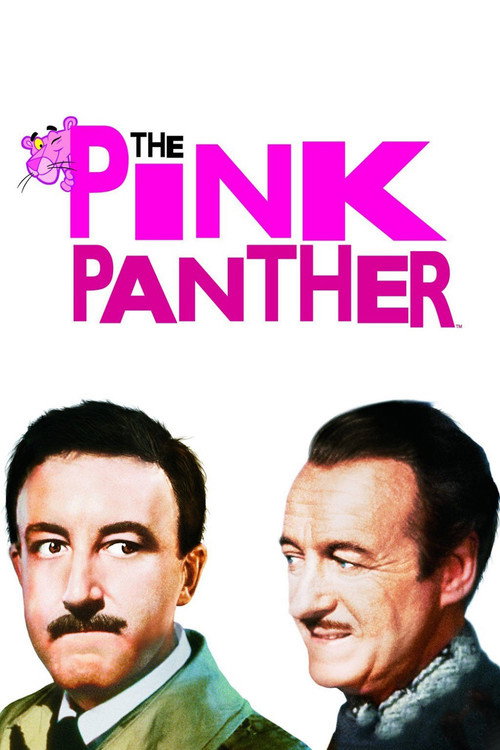
The Pink Panther1963
Peter Sellers' bumbling detective in an impossible case with a flawless romantic lead. Same DNA: crime plot as clothesline, character and charisma as the real story. Endlessly inventive physical comedy.
But Inspector Clouseau's act is broad and repetitive by modern standards; some of the humour lands with difficulty now.
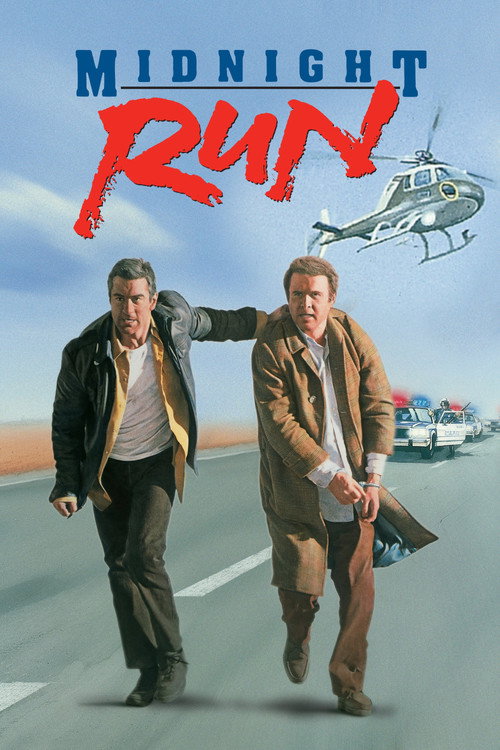
Midnight Run1988
Robert De Niro and Charles Grodin bickering across America. A thriller that never forgets it's a buddy film, it matches Foul Play's commitment to letting the leads do the heavy lifting while the plot stays pleasingly complicated.
But The action sequences feel dated, and the film's heart occasionally gets lost under the logistics of its own premise.
Not sure tonight? Get a pick in a minute, starting from Foul Play
The wildcard
Something you would not have found on your own.
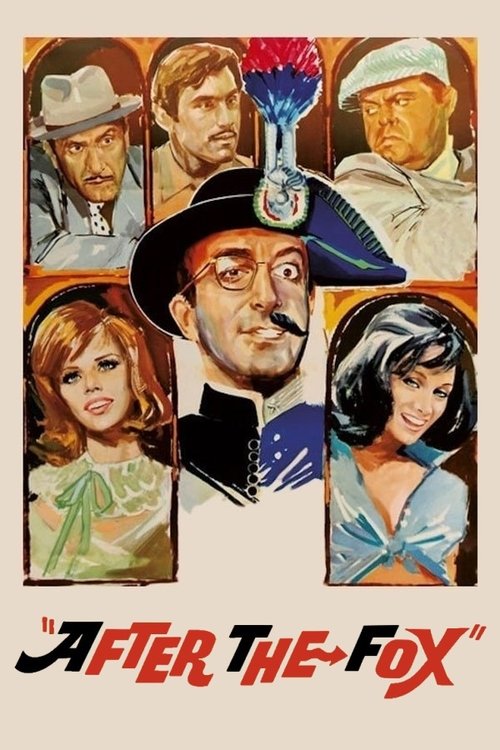
After the Fox1966
Both films use absurdist plot mechanics as permission to let actors do their best work; both trust comedy and romance to justify increasingly baroque scenarios.
Peter Sellers as a thief orchestrating an elaborate con involving a film production. Like Foul Play, it treats a heist plot as scaffolding for character comedy, but it's weirder and more interested in performance as deception. Directed by Vittorio De Sica with a Pink Panther energy that predates Foul Play's own approach.
But The film is genuinely difficult to follow and sometimes plays like a parody of things that don't need parodying. The editing is choppy and it feels incomplete in ways that are frustrating rather than mysterious.
More like this (8)
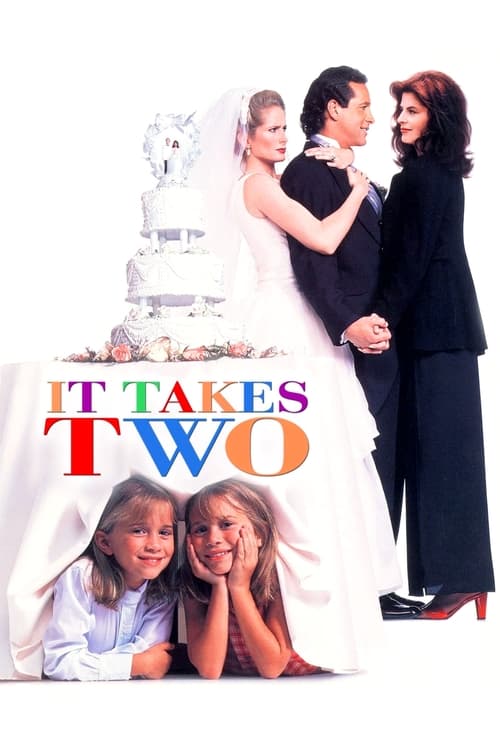
It Takes Two1995
Kirstie Alley and Steve Guttenberg in a rom-com heist that understands that chemistry matters more than plot coherence. Light, breezy, genuinely funny about mistaken identity and the spaces people don't expect to find love.
But The '90s production design has curdled into camp, and the plot holes are structural rather than charming.
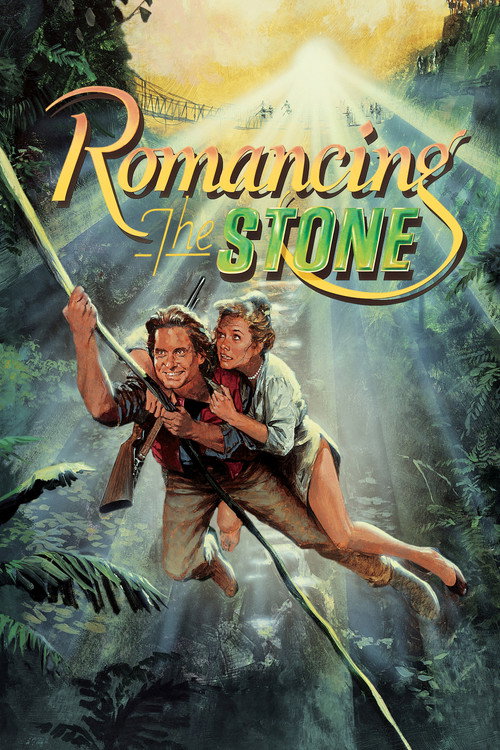
Romancing the Stone1984
Kathleen Turner and Michael Douglas. An adventure film that knows its real engine is watching two actors discover each other. Exuberant, stupid in the best way, and the chemistry is effortless.
But The supporting cast is broadly comic in ways that haven't aged well, and the action can feel thin between the character moments.
The Grand Budapest Hotel2014
Wes Anderson's obsessive style applied to a caper involving a murder, theft, and unlikely friendships. Treats plot as a visual puzzle rather than dramatic necessity. Meticulous and deeply funny.
But Anderson's symmetrical, artificed aesthetic is specific and divisive; if you hate the style, nothing here will win you over.

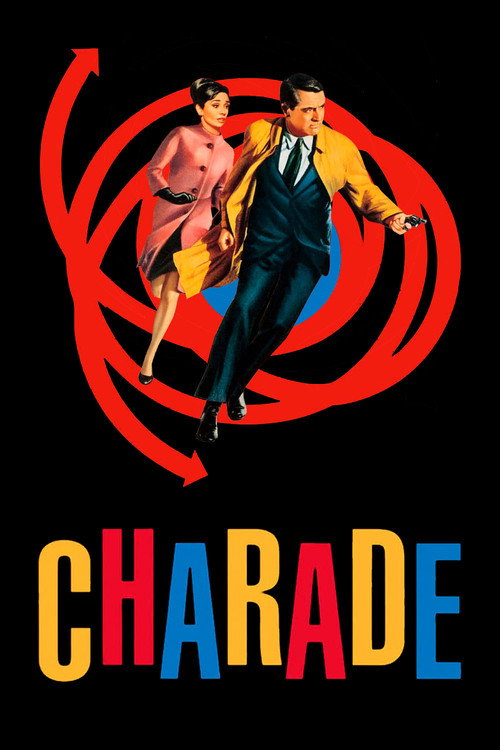
Charade1963
Audrey Hepburn and Cary Grant navigating murder, espionage, and each other in Paris. Hitchcockian thriller that never loses sight of the romance; the blueprint for mixing genres without sacrificing either.
But The pacing is stately and sometimes slow by modern standards; the plot requires patient attention to track.
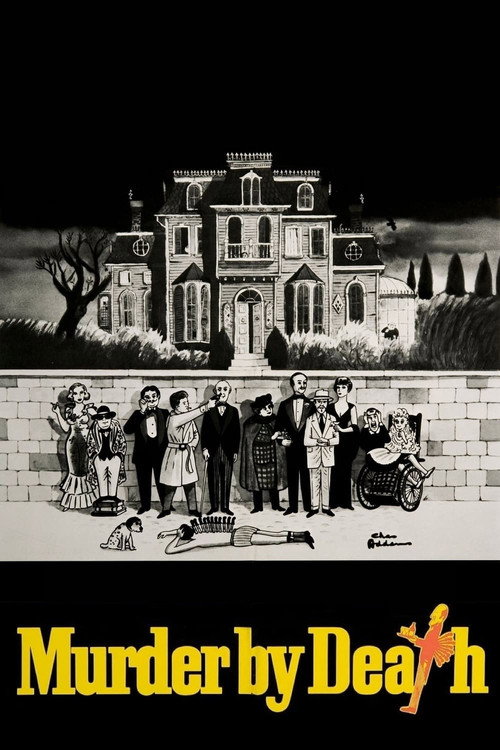
Murder by Death1976
Neil Simon's affectionate parody of detective fiction. Peter Sellers, Truman Capote, and a game cast solve a deliberately impossible murder. Shares Foul Play's commitment to loving the genres it's spoofing.
But The humour is often painfully broad; many jokes announce themselves loudly and then miss. The whole thing can feel like sketch comedy that should be shorter.
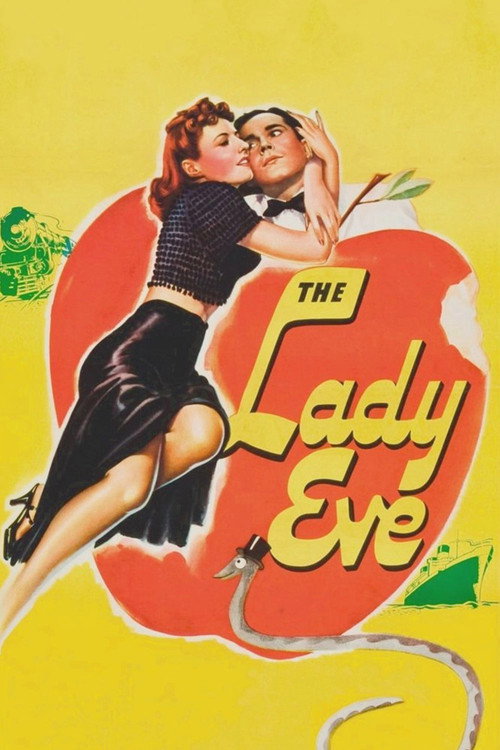
The Lady Eve1941
Preston Sturges' screwball masterpiece: Barbara Stanwyck and Henry Fonda trading deceptions and falling in love. A reminder that chemistry and wit were invented decades before Foul Play borrowed them.
But The pace is relentless and the dialogue occasionally overlapped; some viewers find it exhausting rather than exhilarating.
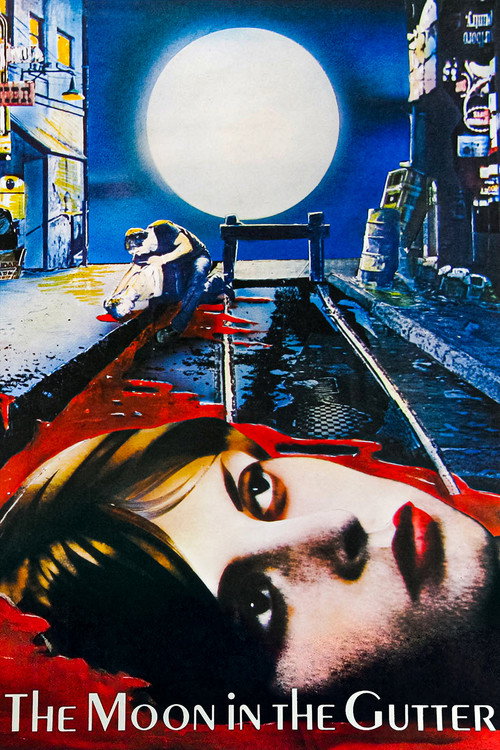
The Moon in the Gutter1983
Both films refuse to be straightforward mysteries; both use their nominal plots as excuses to explore something stranger and more visual underneath. Both believe in the power of mood over explanation.
Luc Besson's only real entry into art-house noir. Gérard Depardieu and Nastassja Kinski in a rain-soaked Paris where plot dissolves into mood and framing. A film composed entirely of strange angles and unease. Visually stunning in a way Foul Play never attempts.
But There is almost no plot and what exists is completely incomprehensible. The film is beautiful and silent and very slow. It requires you to surrender to atmosphere over narrative, which is the opposite of Foul Play's contract with the audience.
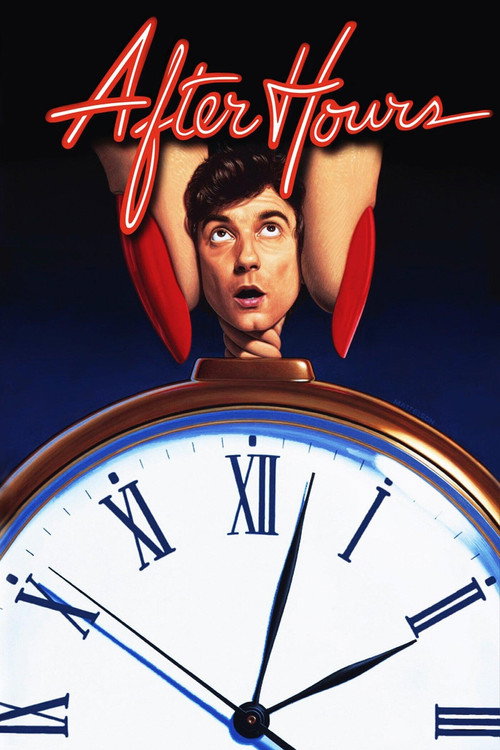
After Hours1985
Both use genre instability as their primary engine—both refuse to be one thing. But where Foul Play finds warmth in chaos, Scorsese finds dread. They're mirror images tonally, driven by identical structural logic.
Martin Scorsese's one and only comedy: Griffin Dunne stumbles through downtown Manhattan as the night becomes increasingly surreal and hostile. It has Foul Play's escalating absurdity and romantic core but inverts the tone—what's playful in Foul Play becomes nightmarish here.
But The film is genuinely nasty and despairing in ways that comedy rarely is. It's punishing rather than charming, and watching it is closer to a bad dream than an evening out. Dunne's character suffers for our amusement and it doesn't feel great.
People
Cast
 Goldie HawnGloria Mundy
 Chevy ChaseTony Carlson
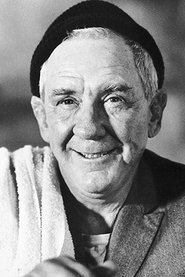 Burgess MeredithMr. Hennessey
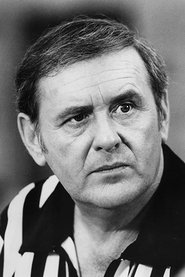 Eugene RocheArchbishop Thorncrest / Archbishop's brother
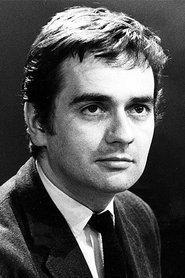 Dudley MooreStanley Tibbets
 Marilyn SokolStella
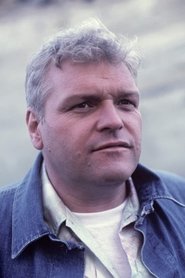 Brian DennehyFergie
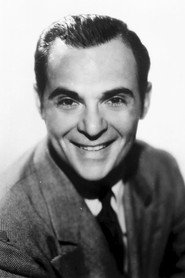 Marc LawrenceRupert Stiltskin
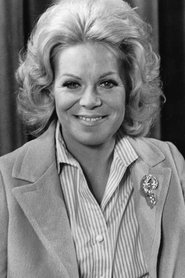 Rachel RobertsDelia Darrow / Gerda Casswell
 Frances BayMrs. Russel
 Queenie SmithElsie
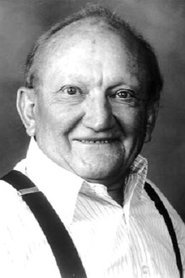 Billy BartyJ.J. MacKuen
Directing
- Colin HigginsDirector
- Larry FrancoSecond Assistant Director
Writing
- Colin HigginsWriter
Production
- Peter V. HeraldAssociate Producer
- Lynn StalmasterCasting
- Edward K. MilkisProducer
- Thomas L. MillerProducer
Recommended by
Charade, The Da Vinci Code, Fun with Dick and Jane, Grand Theft Auto, Goin' South, Seems Like Old Times, Sunburn